
Workplace romance can be confusing, but knowing the signs makes all the difference. When your boss shows interest beyond professionalism, it’s important to recognize both the signals and the risks involved. This article reveals 7 key signs your boss likes you romantically—and what to do when you notice them.
Key Takeaways
- Increased personal attention: Your boss starts giving you more one-on-one time, asking about your life outside work, or remembering small details you’ve shared.
- Physical proximity cues: They position themselves near you during meetings, lean in while talking, or find excuses to touch your arm or shoulder.
- Flirtatious communication: Emails become more playful, texts include compliments or emojis, and they use teasing language that goes beyond professional tone.
- Protective behavior: Your boss defends you from criticism, shields you from difficult assignments, or speaks up for your promotions more than others.
- Social invitations: Beyond work events, they suggest dinner, drinks, or weekend plans—things that blur the professional boundary.
- Jealousy displays: They seem uncomfortable when you mention other men or women, get quiet when you talk about dating someone else.
- Confidential sharing: They open up about their personal life, share secrets, or ask for your advice on relationship issues.
📑 Table of Contents
- Signs Boss Likes You Romantically: What to Notice at Work
- 1. Personal Attention That Goes Beyond Professional Interest
- 2. Body Language That Says More Than Words
- 3. Communication Patterns That Hint at Romance
- 4. Protective Behavior That Goes Too Far
- 5. Social Invitations That Blur Boundaries
- 6. Jealousy and Insecurity Displays
- What Should You Do If You Notice These Signs?
- Why Workplace Romances Are Complicated
- Final Thoughts: Know Yourself Before You Respond
Signs Boss Likes You Romantically: What to Notice at Work
We’ve all been there—working late, hearing your boss say “Let’s grab coffee after this,” and wondering if something more is brewing. Office dynamics can be tricky because boundaries are already blurred by hierarchy and shared space. But when romantic interest sneaks into the workplace, it often leaves a trail of subtle clues that even the most oblivious person might miss.
The truth is, bosses don’t always play fair when it comes to attraction. Power imbalances make workplace romances complicated, emotionally charged, and sometimes unethical. So before you start planning a future together or panic about potential HR violations, take a step back and look closely. Are those extra compliments just flattery? Or is there real interest underneath?
In this guide, we’ll walk through the most telling signs your boss likes you romantically—from body language to conversation patterns—so you can understand what’s really going on. Whether you’re curious, concerned, or completely unaware, these insights will help you navigate the situation with clarity and self-respect.
1. Personal Attention That Goes Beyond Professional Interest
One of the clearest red flags is when your boss suddenly starts treating you like a special case. It’s not just about performance reviews anymore—it’s about your life.

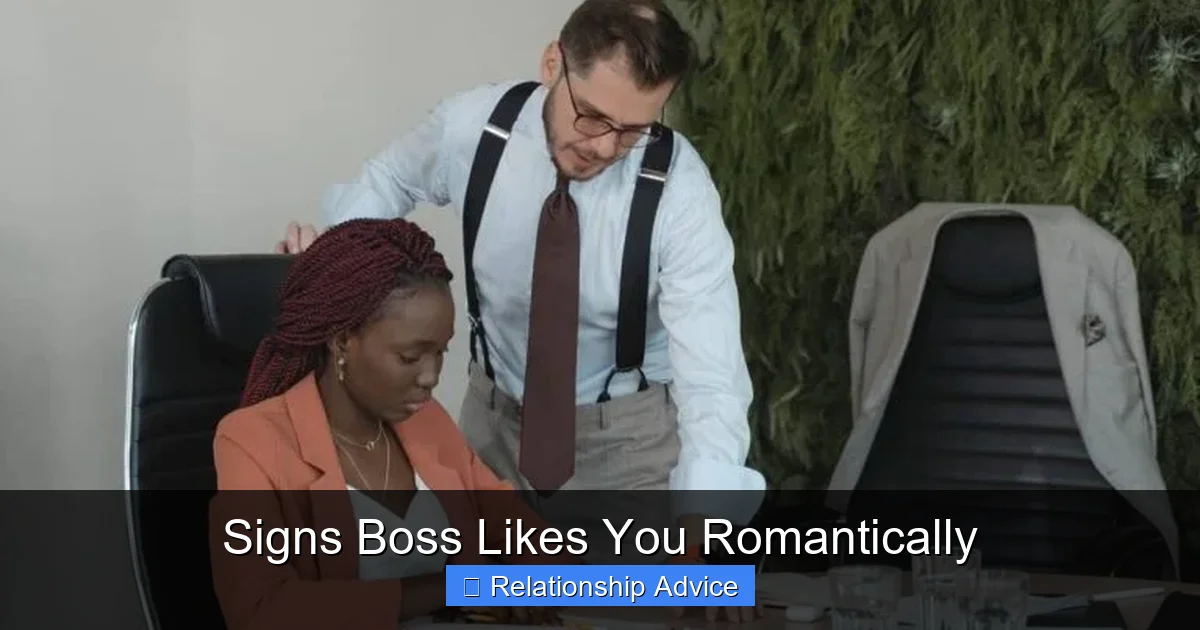
Visual guide about Signs Boss Likes You Romantically
Image source: realestlove.com
Asking About Your Life Outside Work
If your boss begins asking questions about your weekend plans, family, hobbies, or even your love life, that’s a major sign. A manager typically only cares about work-related topics unless they’re genuinely interested in you as a person.
Example: “Hey, I noticed you mentioned your dog last week—how’s he doing? Did you take him hiking?” This kind of follow-up shows they’re paying attention beyond your reports.
Remembering Small Details
Does your boss remember your birthday, your favorite coffee order, or that time you said you were thinking about changing careers? These aren’t random observations—they indicate emotional investment.
Tip: If someone remembers things you never thought mattered, it usually means they’re trying to build intimacy. That’s not normal in a purely professional relationship.
More Time Than Necessary
You used to have quick check-ins; now you’re getting extended conversations, impromptu chats in the hallway, or invites to stay late just to talk. This isn’t about efficiency—it’s about connection.
When your boss says, “Can we chat?” more than once a month, especially about non-work topics, pay attention. It could be a signal disguised as mentorship.
2. Body Language That Says More Than Words
Nonverbal cues often reveal what people won’t say aloud—especially in high-stakes environments like the office.
Proximity and Touch
Does your boss stand unusually close when speaking to you? Do they lean over your desk, brush past you frequently, or casually rest a hand on your shoulder during a pep talk?
These touches may feel harmless, but they cross professional boundaries. In many workplaces, even light contact can be seen as inappropriate.
Eye Contact That Lingers
Staring too long is a classic flirtation tactic. If your boss holds your gaze longer than usual, blinks slowly while smiling, or looks at your lips when you speak, that’s not just politeness—it’s attraction.
Grooming and Appearance Focus
Notice if your boss comments on how you look more often than necessary. Compliments about your outfit, hair, or makeup aren’t just nice—they’re signals of admiration.
Red flag example: “You look amazing today! That color really brings out your eyes.” While flattering, such remarks can shift focus from your work to your appearance—a common tactic in romantic pursuit.
3. Communication Patterns That Hint at Romance
How your boss talks to you matters as much as what they say.
Playful Teasing and Banter
Lighter, joking tones are rare in formal boss-employee interactions. If your boss uses nicknames, makes inside jokes, or teases you in a friendly way, they’re likely trying to create rapport—and possibly affection.
Watch for: “Still procrastinating on those reports, superstar?” with a smirk instead of frustration.
Emotional Sharing
When someone opens up about their fears, dreams, or relationship problems, it’s a huge vulnerability. If your boss does this with you, especially early in your tenure, they’re building emotional intimacy.
Example: “Honestly, I’m having a rough time at home. Sometimes I wonder if I made the right choice marrying her.” That’s not typical management talk.
Texting and Email Tone Shifts
Professional emails are usually formal. But if your boss starts using emojis, abbreviations, or casual phrases like “Hope you slept well!” in messages, the tone has changed.
Even better—if they respond quickly to texts outside work hours, that suggests priority. They want to hear from you, even when you’re not on the clock.
4. Protective Behavior That Goes Too Far
A boss who defends you excessively might not be doing it out of fairness—it could be out of favoritism rooted in attraction.
Shielding You from Criticism
If your boss consistently dismisses feedback about you, covers for your mistakes, or downplays your shortcomings in front of others, ask yourself: Is this leadership or protection?
Caution: Overprotection can damage your credibility. Real leaders support growth, not coddling.
Advocating for Promotions Unfairly
While advocating for raises and promotions is part of a good manager’s job, if it happens too often without merit, it’s suspicious. Especially if other team members notice it.
Ask yourself: Would this happen if I weren’t friends or attractive to them?
Speaking Up for You in Meetings
If your boss interrupts critics, changes topics when others question your ideas, or praises you more than necessary, they might be prioritizing your ego over objectivity.
This isn’t just support—it’s bias, and it clouds judgment.
5. Social Invitations That Blur Boundaries
Work events are meant for networking. But when invitations go beyond that, it’s time to reassess.
Suggesting Drinks or Dinner Alone
Cultural events, holiday parties, or team lunches are normal. But if your boss repeatedly asks you to leave early or join them privately afterward—just the two of you—that’s a clear boundary issue.
Warning sign: “Want to grab a drink after this? My treat.” Repeatedly, without others around.
Weekend Plans
Inviting you to brunch, hiking, or movie nights on weekends? That’s not professional development—it’s personal time.
Even if framed as “we should catch up,” the implication is intimacy, not collaboration.
Private Conversations After Hours
Meeting in empty conference rooms after everyone leaves, calling after midnight, or sending texts late at night? These behaviors suggest urgency and exclusivity.
Legitimate business rarely requires secrecy or urgency outside work hours.
6. Jealousy and Insecurity Displays
True professionals don’t get threatened by their employees’ success or happiness—but romantically interested ones often do.
Reactions to Your Success
Does your boss seem happy for you when you get recognition, or do they appear uncomfortable, quiet, or even passive-aggressive?
If they change the subject when you talk about winning an award or getting a promotion, that’s not supportive—it’s possessive.
Interest in Your Dating Life
If your boss presses you for details about your love life—who you’re seeing, why you broke up, whether you’re “ready for a serious guy”—they’re fishing for competition status.
Real bosses don’t care about your dating life unless it affects work.
Discomfort Around Other People
If your boss gets visibly annoyed when coworkers talk to you, avoids group settings where you’re present, or seems tense when you mention someone else, jealousy is likely playing a role.
This kind of behavior isn’t healthy—for you or your career.
What Should You Do If You Notice These Signs?
Recognizing the signs is one thing. Knowing how to respond is another—and it deserves careful thought.
Assess Your Own Feelings First
Before reacting to your boss’s behavior, pause and ask: Do I like them back? Am I flattered or uncomfortable? Your emotional response matters more than anyone else’s intentions.
Set Clear Boundaries
If you’re not interested, calmly but firmly let them know. Say something like: “I appreciate our connection, but I prefer to keep things strictly professional.”
Don’t over-explain. Firmness protects both your dignity and theirs.
Document Everything (If Necessary)
If advances become persistent or uncomfortable, keep records of texts, emails, or incidents. This helps if HR involvement becomes needed.
Talk to HR or Trusted Colleagues
Anonymous HR consultations or confiding in a trusted coworker can offer perspective. They may have noticed similar behavior or know company policies.
Consider Your Career Goals
Romance with a superior carries risks—promotion bias, gossip, retaliation. Ask: Will this help or hurt my long-term goals?
Sometimes, distance is the healthiest choice.
Seek External Support
A therapist or career coach can help you process mixed feelings and plan next steps without pressure.
Why Workplace Romances Are Complicated
Even if both parties consent, power dynamics make office relationships ethically messy. One misstep—a misunderstanding, a rumor, a denied promotion—can ruin reputations.
Many companies have strict policies against relationships between managers and subordinates. Even if not enforced everywhere, the stigma remains strong in some industries.
Moreover, emotional vulnerability in a hierarchical setting increases risk. What starts as mutual attraction can turn into coercion, especially if one person feels pressured to comply to keep their job.
That’s why awareness and caution are essential. Recognizing the signs is the first step toward protecting yourself—emotionally and professionally.
Final Thoughts: Know Yourself Before You Respond
Whether your boss likes you romantically or not, your peace of mind matters most. Don’t let uncertainty eat away at your confidence or distract you from your goals.
If you suspect attraction, observe patterns over time rather than jumping to conclusions based on one comment. Context matters.
And remember: you deserve respect, clarity, and a workplace where your value isn’t tied to someone else’s desires. If your boss crosses lines, trust your instincts and act accordingly.
Your career and well-being come first—always.
Frequently Asked Questions
How do I know if my boss likes me romantically?
Look for increased personal attention, prolonged eye contact, physical proximity, playful teasing, emotional sharing, and social invitations outside work. These signs often indicate romantic interest beyond professionalism.
Is it unprofessional for my boss to compliment me often?
Frequent compliments about your appearance or personal style can be unprofessional, especially if they shift focus from your work to your looks. Such behavior may signal romantic intent rather than appreciation for your skills.
What should I do if my boss keeps asking me out?
Politely but firmly state that you prefer to maintain a professional relationship. If the advances continue, document instances and consider speaking with HR to protect yourself and uphold workplace standards.
Can a boss and employee date legally?
It depends on company policy and local laws. Many organizations prohibit relationships between supervisors and subordinates due to power imbalances. Always check your workplace handbook before pursuing anything.
How can I tell if my boss is just being friendly?
Compare their behavior toward others. If they treat you differently—more personally, emotionally, or physically—than colleagues, it’s likely beyond friendship. Genuine friendliness doesn’t require secrecy or exclusivity.
Should I report my boss if they flirt with me?
Only if the behavior makes you uncomfortable or crosses into harassment. Start by setting boundaries. If that fails, consult HR or a legal advisor—especially if power dynamics feel exploitative.
