
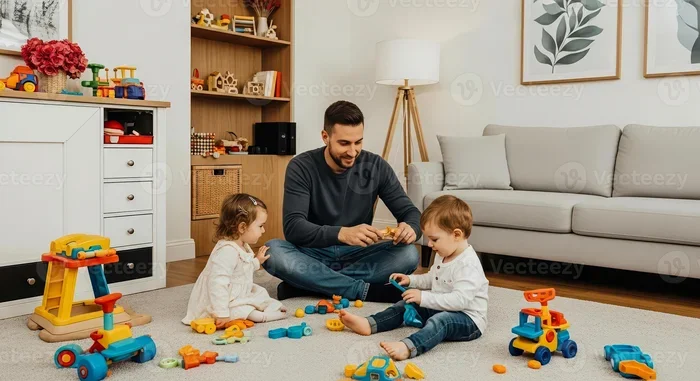
Understanding the signs a man will be a good father according to psychology can help you build a secure future for your family. Research shows that emotional stability, empathy, and consistent support are strong predictors of positive parenting outcomes. This guide breaks down the science-backed traits that matter most so you can make informed choices about love and family planning.
This is a comprehensive guide about Signs A Man Will Be A Good Father According To Psychology.
Key Takeaways
- Emotional availability matters: Psychologists link a dad’s ability to show feelings with secure child attachment.
- Responsiveness predicts success: Men who respond quickly to a child’s needs raise more confident kids.
- Patience is a top trait: Calm fathers create safer spaces for children to learn and grow.
- Self-regulation is key: Managing stress well prevents negative outbursts around children.
- Playfulness builds bonds: Engaging in fun activities strengthens the father-child relationship.
- Respect for the partner counts: Healthy co-parenting starts with mutual respect between adults.
- Growth mindset helps: Willingness to learn and adapt makes a significant difference in parenting.
[FEATURED_IMAGE_PLACEHOLDER]
Understanding the Signs a Man Will Be a Good Father According to Psychology
Choosing a partner is one of the biggest decisions you will ever make. When you think about building a family, you want someone who will be there for your children. You want a dad who shows up, cares deeply, and provides a safe home. But how do you know if someone has what it takes? Psychology offers clear answers.
Researchers have studied parenting behaviors for decades. They look at what makes a father effective and loving. These studies highlight specific traits that predict good parenting. By spotting these signs a man will be a good father according to psychology, you can feel more confident about your future. This knowledge helps you understand what to look for in a partner.
In this article, we will explore the science behind great fatherhood. We will look at emotional traits, behavioral patterns, and relationship habits. You will learn how to spot these qualities early. We will also discuss why these signs matter for your child’s development. Let’s dive into the details.
Emotional Stability and Self-Regulation
One of the most important signs a man will be a good father according to psychology is emotional stability. Children need calm adults around them. When a father can manage his own feelings, he creates a secure environment. This does not mean he never gets angry. It means he handles anger in healthy ways.
Managing Stress Effectively
Life with children can be stressful. Sleepless nights, tantrums, and busy schedules test anyone’s patience. A good father learns to cope with stress without taking it out on others. He might take a walk, talk to a friend, or practice deep breathing. These habits show he values peace in the home.
Psychologists note that children mirror their parents’ emotional responses. If a dad stays calm during tough moments, his child learns to do the same. This builds emotional resilience in the next generation. You can spot this trait by watching how he handles minor frustrations. Does he yell at traffic? Or does he take a breath and move on?
Controlling Impulsive Reactions
Impulse control is another critical factor. A father who thinks before he acts makes better choices. He does not lash out when he feels annoyed. Instead, he pauses and considers the impact of his words. This self-regulation protects children from fear and confusion.
Studies show that children with regulated parents have fewer behavioral problems. They feel safer exploring the world. You can observe this sign in daily life. Notice how he reacts when things go wrong. Does he blame others? Or does he take responsibility and find a solution?
Expressing Emotions Openly
Some men think they must hide their feelings. But psychology says the opposite is true. A good father shows a range of emotions. He laughs, he cries, and he shares his joy. This emotional availability teaches children that feelings are normal and healthy.
When a dad expresses sadness or fear appropriately, he models vulnerability. This helps children develop empathy. They learn to understand their own inner world. Look for a partner who talks about his feelings. He should be comfortable saying “I am worried” or “I am happy.”
Responsiveness and Attentiveness
Another key indicator involves how a man responds to others. Responsiveness means noticing needs and acting on them. This trait applies to partners, friends, and especially children. A father who pays attention creates a strong bond with his child.
Noticing Small Cues
Good fathers pick up on subtle signals. They notice when a child is tired, hungry, or upset. They do not wait for a crisis to step in. This attentiveness shows that he values the child’s well-being. It also builds trust between father and child.
You can see this quality in how he treats you or others now. Does he remember small details? Does he ask follow-up questions? These habits suggest he will be tuned in to his children’s needs. Psychological research supports that responsive parenting leads to better social skills in kids.
Prioritizing Quality Time
Time is one of the most valuable gifts a father can give. A good dad makes time for his children, even when life is busy. He puts down his phone and engages fully. This quality time strengthens the relationship and supports healthy development.
It is not just about being in the same room. It is about active involvement. He plays, reads, talks, and listens. These moments create lasting memories. They also show the child that he matters. Look for someone who prioritizes connection over distractions.
Consistent Support
Consistency matters just as much as presence. Children need to know their father will be there today, tomorrow, and next week. Reliable support builds a sense of security. When a dad follows through on promises, he earns trust.
Inconsistent behavior can confuse children. They may wonder if they can count on him. A good father strives to be steady. He shows up for school events, doctor visits, and bedtime stories. This reliability is one of the signs a man will be a good father according to psychology.
Empathy and Compassion
Empathy is the ability to understand and share another person’s feelings. This trait is essential for nurturing parenting. A father with empathy connects deeply with his child. He validates their emotions instead of dismissing them.
Validating Feelings
When a child cries, an empathetic father does not say “stop crying.” He asks what is wrong and listens. He acknowledges the pain or frustration. This emotional validation helps children feel understood. It also teaches them how to process emotions healthily.
Children who feel heard grow up more confident. They know their voice matters. You can test this trait by sharing something vulnerable. Does he listen with care? Or does he minimize your experience? His response tells you a lot about his capacity for empathy.
Showing Kindness to Others
How a man treats strangers reveals his character. A good father shows kindness to waiters, neighbors, and service workers. He does not use power to hurt others. This compassion extends to his children as well.
Psychologists call this prosocial behavior. It predicts how someone will act in a family setting. A man who respects everyone is more likely to respect his child. He sees children as people with rights and feelings. This mindset creates a loving home environment.
Patience in Challenging Moments
Parenting tests patience every day. A good father stays patient when a child makes mistakes. He understands that learning takes time. He does not punish harshly for small errors. Instead, he guides and teaches.
This patience allows children to take risks and grow. They know they will not be shamed for trying. It also reduces stress in the household. Watch how he handles delays or mistakes. Does he get frustrated quickly? Or does he stay calm and supportive?
Commitment to Growth and Learning
No parent is perfect from day one. The best fathers are willing to learn and improve. They seek knowledge about child development and parenting techniques. This growth mindset sets them apart from those who think they already know everything.
Willingness to Adapt
Children change as they grow. A toddler needs different care than a teenager. A good father adapts his approach over time. He stays open to new ideas and methods. This flexibility helps him meet his child’s evolving needs.
Rigidity can cause problems in parenting. Old methods may not work for new challenges. A father who learns and adjusts creates a dynamic, supportive home. You can look for curiosity in his daily life. Does he read about new topics? Does he ask for feedback?
Taking Responsibility
Accountability is a hallmark of mature parenting. A good father admits when he makes mistakes. He apologizes to his child when needed. This taking responsibility models honesty and integrity. It shows that everyone can improve.
Blaming others or making excuses harms trust. Children learn to own their actions when they see their father do the same. This trait builds respect and strengthens the relationship. It is one of the signs a man will be a good father according to psychology that often goes unnoticed.
Seeking Support When Needed
Even great fathers need help sometimes. A healthy attitude involves asking for support. He might join a parenting group, talk to a therapist, or lean on friends. This help-seeking behavior shows strength, not weakness.
It also protects the family from burnout. When a dad takes care of his own mental health, he has more energy for his children. You can encourage this by normalizing self-care. A partner who values mental wellness is a great sign for future parenting.
Positive Relationship Dynamics
Fatherhood does not happen in isolation. It affects and is affected by relationships. How a man treats his partner sets the tone for the family. Healthy relationship dynamics are strong predictors of good co-parenting.
Respect for the Mother
Children learn about relationships by watching their parents. When a father respects the mother, children feel safe. He listens to her opinions and shares decisions. This mutual respect creates a united front for raising kids.
Disrespect or control can damage the family unit. It creates tension that children absorb. A good father values his partner’s voice. He sees her as an equal teammate. This attitude fosters cooperation and love in the home.
Communication Skills
Clear communication prevents many parenting conflicts. A good father expresses his needs and listens to others. He avoids yelling or shutting down. This effective communication solves problems before they grow.
Children also learn communication from their dad. They see how to disagree without being hurtful. They learn to speak up and be heard. You can observe this by watching how he discusses tough topics. Does he stay calm and clear? Or does he become aggressive?
Shared Values and Goals
Alignment on important issues makes parenting smoother. A good father shares core values with his partner. They agree on discipline, education, and moral lessons. This shared vision reduces confusion for children.
It also strengthens the partnership. When both parents work toward the same goals, they feel connected. You can explore these topics early in a relationship. Talk about what kind of parent you both want to be. Finding common ground is a positive sign.
Playfulness and Engagement
Fun is an essential part of childhood. A good father brings joy and laughter into his child’s life. Playfulness is not just about games. It is about connecting through shared enjoyment.
Active Play Participation
Getting on the floor and playing shows engagement. It tells the child, “You are worth my time.” This active play supports physical and cognitive development. It also builds a strong emotional bond.
Psychological studies link father play to better social outcomes. Children who play with their dads often have stronger peer relationships. They learn teamwork and problem-solving. Look for a partner who enjoys playful interactions.
Encouraging Curiosity
A good father encourages his child to explore. He answers questions and supports interests. This encouragement fuels intellectual growth. It helps children develop a love of learning.
He does not shut down weird questions or strange hobbies. Instead, he joins in the discovery. This attitude makes the world feel exciting and safe. It is one of the signs a man will be a good father according to psychology that brings lasting benefits.
Creating Joyful Memories
Happiness matters in family life. A father who creates joyful moments gives his child a treasury of good memories. These positive memories act as a buffer during hard times. They remind the child of love and support.
Simple traditions can build this joy. Weekly game nights, weekend hikes, or special inside jokes all count. A good father invests in these moments. He knows that happiness is a foundation for well-being.
Common Mistakes to Avoid
Knowing what to look for also means knowing what to avoid. Some behaviors signal poor parenting potential. Being aware of these red flags helps you make better choices.
- Emotional unavailability: A man who shuts down emotionally may struggle to connect with children.
- Inconsistency: Frequent changes in behavior confuse children and break trust.
- Harsh criticism: Constant negativity damages self-esteem and creates fear.
- Avoiding responsibility: Blaming others shows a lack of accountability.
- Disrespecting boundaries: Ignoring limits teaches children that their voice does not matter.
- Refusing to learn: Stubbornness prevents growth and adaptation.
If you notice these patterns, take them seriously. They may indicate deeper issues that could affect parenting. Psychology warns that these traits often persist without intervention. Trust your instincts when something feels off.
Expert Insights on Fatherhood
Experts in child psychology emphasize several key points. They agree that father involvement matters greatly. Research consistently shows that engaged fathers contribute to better academic and social outcomes. Children with involved dads have higher self-esteem and fewer behavioral issues.
Experts also highlight the importance of modeling. Children watch what fathers do more than what they say. A dad who treats others with kindness teaches kindness. A dad who manages stress well teaches resilience. These modeled behaviors shape the child’s future.
Another insight involves the father’s own upbringing. Men who had positive father figures often replicate those patterns. However, those with difficult childhoods can still break the cycle. Conscious effort and support make this possible. The willingness to change is a powerful sign of good fatherhood.
Practical Tips for Evaluating a Partner
You do not need a psychology degree to spot these signs. Simple observation and conversation can reveal a lot. Here are some practical tips to help you evaluate a potential father.
- Watch how he treats others: Notice his interactions with service workers, family, and friends.
- Discuss parenting values: Talk about discipline, education, and family roles early on.
- Observe stress responses: Pay attention to how he handles frustration or unexpected problems.
- Look for empathy: See if he validates feelings and shows care for others’ experiences.
- Check consistency: Notice if his actions match his words over time.
- Encourage vulnerability: Share something personal and see if he responds with understanding.
These steps give you real-world data. They help you see beyond the honeymoon phase. Informed choices lead to healthier families. Take your time and trust the process.
Conclusion
Finding a partner who will be a great father is one of the most important goals for many people. Signs a man will be a good father according to psychology include emotional stability, responsiveness, empathy, and a commitment to growth. These traits create a secure, loving environment for children to thrive.
By paying attention to how a man handles emotions, treats others, and engages in relationships, you can gain valuable insights. Look for consistency, kindness, and a willingness to learn. These qualities predict positive parenting outcomes. Remember that no one is perfect, but the right mindset makes all the difference.
Use this knowledge to guide your decisions. Build a partnership based on respect, communication, and shared values. When you choose a man with these signs a man will be a good father according to psychology, you lay the groundwork for a happy, healthy family. Trust the science, trust your instincts, and move forward with confidence.
Frequently Asked Questions
What are the biggest signs a man will be a good father?
The biggest signs include emotional stability, responsiveness to others, empathy, and consistency. A man who manages stress well and shows kindness is likely to be a great dad. Psychological research supports these traits as strong predictors of positive parenting.
How can psychology predict fatherhood success?
Psychology looks at behavioral patterns, emotional regulation, and relationship habits. Traits like self-control, empathy, and willingness to learn correlate with better child outcomes. These factors help experts assess parenting potential.
Does a man need to be perfect to be a good father?
No, perfection is not required. Good fathers make mistakes but take responsibility and learn from them. Growth mindset and effort matter more than being flawless. Children benefit from honest, caring parents who keep trying.
What red flags suggest poor fatherhood potential?
Red flags include emotional unavailability, harsh criticism, inconsistency, and disrespect for others. These behaviors can harm a child’s development and self-esteem. Watching for these signs helps you make safer choices.
Can a man change and become a better father?
Yes, men can change with awareness and support. Therapy, parenting classes, and self-reflection help break negative patterns. Conscious effort is a key sign of someone ready to grow into fatherhood.
Why is empathy important for fathers?
Empathy helps fathers understand their child’s feelings and needs. It builds trust and emotional connection. Empathetic parenting leads to children with better social skills and higher confidence.
