
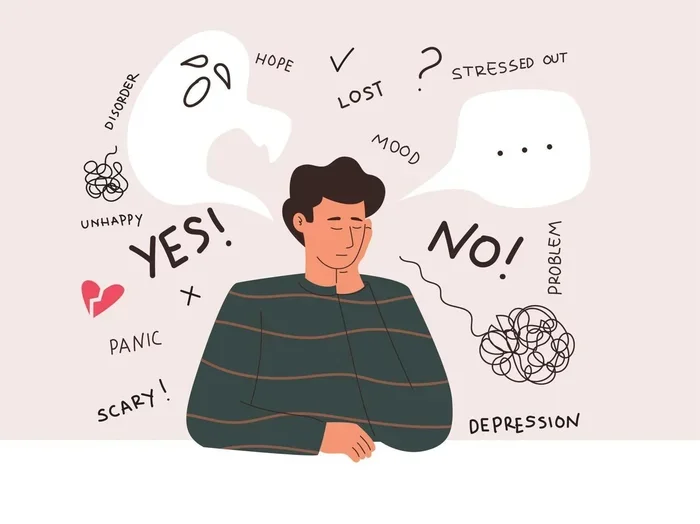
Navigating a partnership with someone who struggles with inner doubt can be challenging. When you recognize the signs a man is prone to excessive self criticism in a relationship, you can offer the right support. This guide helps you understand his behavior and build a healthier connection together.
Relationships are complex. They involve two unique people trying to build a life together. Sometimes, one partner carries a heavy burden internally. This burden often shows up as harsh judgment of oneself. When you notice the signs a man is prone to excessive self criticism in a relationship, it can be confusing. You might wonder what you did wrong. Usually, you did nothing at all.
Understanding this behavior is key to a healthy partnership. It helps you respond with empathy instead of frustration. It also protects your own emotional well-being. In this article, we will explore what this looks like. We will also discuss how to handle it with care.
Key Takeaways
- Self Criticism vs. Confidence: Excessive self criticism often stems from deep-seated insecurity rather than actual performance issues.
- Impact on Intimacy: Constant self-doubt can create emotional distance and hinder physical closeness between partners.
- Communication Patterns: He may avoid sharing feelings or apologize excessively to avoid perceived conflict.
- Support Strategies: Offering validation and patience helps, but professional help may be needed for deep-rooted issues.
- Boundaries Matter: You cannot fix his self-esteem alone; maintaining your own emotional health is crucial.
- Look for Patterns: Occasional doubt is normal, but persistent negativity is a clear sign of a deeper struggle.
- Growth is Possible: With understanding and effort, couples can overcome these hurdles and build stronger trust.
📑 Table of Contents
- Understanding Excessive Self Criticism in Love
- Common Behavioral Signs to Watch For
- The Emotional Impact on the Partnership
- How to Support Him Without Losing Yourself
- Distinguishing Self Criticism from Insecurity
- When It Becomes Toxic
- Building a Healthier Dynamic Together
- Key Takeaways for Moving Forward
Understanding Excessive Self Criticism in Love
Self criticism is normal to some degree. Everyone makes mistakes. Everyone has moments of doubt. However, there is a big difference between healthy reflection and harmful negativity. Healthy reflection helps us grow. Harmful negativity keeps us stuck.
When a man is prone to excessive self criticism, he sees flaws where there are none. He might focus entirely on his mistakes. He ignores his successes. This mindset can drain the energy from a relationship. It creates a tense atmosphere where nothing feels good enough.
This behavior often roots back to childhood or past trauma. It is not usually about you. It is about how he views himself. Recognizing this distinction is the first step toward healing. You can learn to spot the signs a man is prone to excessive self criticism in a relationship early on.
The Inner Critic Explained
We all have an inner voice. For some, this voice is kind. For others, it is a bully. When the inner critic is too loud, it affects daily life. He might hear thoughts like “I am not smart enough” or “I will mess this up.”
In a relationship, these thoughts spill over. He might worry constantly about pleasing you. He might fear that you will leave him. This fear drives the criticism. It becomes a cycle of anxiety and self-blame.
Why It Happens in Relationships
Relationships require vulnerability. Being vulnerable means showing your true self. For someone with high self criticism, this feels dangerous. He might think his true self is unlovable. So, he criticizes himself before you can. It is a defense mechanism.
He tries to control the narrative. If he points out his flaws first, he thinks he avoids rejection. Unfortunately, this pushes partners away. It creates distance instead of closeness. Understanding this motive helps you see his pain.
Common Behavioral Signs to Watch For
How does this look in real life? It is not always obvious. Sometimes it looks like quiet withdrawal. Other times it looks like anger. Here are the most common signs a man is prone to excessive self criticism in a relationship.
Constant Apologizing
Does he say sorry for small things? Does he apologize for breathing too loudly? Excessive apologizing is a major red flag. It shows he feels like a burden. He assumes he is inconveniencing you often.
This can become exhausting for the partner. You might find yourself telling him to stop. But he cannot stop easily. The urge to apologize comes from a deep fear of being wrong.
Rejecting Compliments
When you praise him, what does he do? Does he smile? Or does he argue? A man with excessive self criticism often rejects praise. He might say, “It was nothing,” or “I got lucky.”
He cannot accept positive feedback. His inner voice tells him the praise is wrong. He believes you are just being nice. This makes it hard to build his confidence. You try to lift him up, but he pushes the support away.
Perfectionism and Procrastination
He might want everything to be perfect. This applies to dates, gifts, or chores. If he cannot do it perfectly, he might not do it at all. This is procrastination born from fear.
He worries that imperfect action is better than no action. But this leads to unfinished tasks. It creates stress in the household. You might see him struggle to start simple projects. He fears failure more than he desires success.
Avoiding Decision Making
Making choices requires confidence. He might struggle to pick a restaurant or plan a trip. He worries his choice will be wrong. He fears you will be disappointed.
This indecisiveness can feel like laziness. But it is actually anxiety. He is weighing every option against his own perceived inadequacies. He wants to be a good partner, but fear stops him.
The Emotional Impact on the Partnership
Living with constant self criticism changes the dynamic. It is not just his problem. It affects the bond you share. The energy in the room shifts. It becomes heavier. You might feel like you are walking on eggshells.
You may feel helpless. You want to fix his mood. But your reassurance does not seem to work. This can lead to frustration on your end. It is important to recognize the toll this takes on you too.
Emotional Distance
Intimacy requires safety. He does not feel safe in his own skin. So, he pulls back emotionally. He might stop sharing his thoughts. He worries his thoughts are stupid or wrong.
This creates a wall between you. You feel disconnected. You might wonder if he still loves you. The signs a man is prone to excessive self criticism in a relationship often look like withdrawal. He is not pulling away from you. He is pulling away from himself.
Reduced Physical Intimacy
Physical touch requires presence. When his mind is full of criticism, he is not present. He might be distracted during intimate moments. He might worry about his performance.
This anxiety kills desire. It makes sex feel like a test he must pass. Instead of pleasure, he feels pressure. This can lead to a decline in physical connection. It is another way the relationship suffers.
Increased Conflict
Paradoxically, self criticism can cause fights. He might project his feelings onto you. If he feels stupid, he might accuse you of thinking he is stupid. This is called projection.
He might become irritable. He is angry at himself, so he snaps at you. Small issues turn into big arguments. You might feel attacked for things you did not do. Understanding this helps you not take it personally.
How to Support Him Without Losing Yourself
You cannot fix him. Only he can change his inner dialogue. But you can create a safe environment. You can offer support that helps him heal. Here is how to handle the signs a man is prone to excessive self criticism in a relationship with care.
Validate His Feelings
Do not dismiss his fears. Saying “just relax” does not help. Instead, acknowledge his struggle. Say, “I see this is hard for you.” Validation makes him feel heard.
It shows you are on his team. It reduces the shame he feels. Shame thrives in secrecy. When you talk about it openly, the power diminishes.
Offer Specific Praise
General compliments are easy to reject. Specific praise is harder to deny. Instead of “You are great,” try “I loved how you handled that call.”
Focus on effort, not just results. Praise his kindness or his patience. This builds a new narrative. He starts to see evidence of his own worth. It takes time, but consistency matters.
Encourage Professional Help
Sometimes the roots are too deep. Therapy can be incredibly helpful. A therapist provides tools to manage negative thoughts. You can suggest this gently.
Frame it as growth, not fixing brokenness. Say, “I think talking to someone could help us both.” Make it about the relationship health. This reduces the stigma. It shows you care about his long-term happiness.
Maintain Your Boundaries
Supporting him does not mean sacrificing yourself. You cannot be his only source of validation. That is too much pressure. You need to keep your own life balanced.
If his criticism turns into abuse, step back. There is a difference between struggle and harm. You deserve respect. Protecting your peace is not selfish. It is necessary for a healthy union.
Distinguishing Self Criticism from Insecurity
These two concepts overlap. But they are not identical. Insecurity is about doubt in your worth. Self criticism is the active voice judging that worth. You can be insecure without being overly critical.
However, excessive self criticism fuels insecurity. It creates a loop. He criticizes himself, which makes him feel insecure. Then he feels more insecure, so he criticizes more. Breaking the loop is the goal.
Insecurity might look like jealousy. Self criticism looks like self-sabotage. Knowing the difference helps you choose the right response. Jealousy needs reassurance of commitment. Self criticism needs reassurance of worth.
When It Becomes Toxic
Most people struggle with doubt. But some behavior crosses a line. You need to know when it becomes harmful. The signs a man is prone to excessive self criticism in a relationship can turn dark.
Self Sabotage
He might ruin good things. If things are going well, he panics. He might pick a fight to create distance. He thinks he does not deserve happiness. This is self sabotage.
It prevents the relationship from growing. It keeps you both stuck in pain. Recognizing this pattern is crucial. You cannot love someone into safety if they keep running away.
Neglecting Responsibilities
If he believes he will fail, he stops trying. He might neglect work or home duties. He lets things pile up. This affects your shared life.
It creates resentment. You end up carrying more weight. This is unsustainable. A partnership requires effort from both sides. Mental health struggles are valid, but responsibilities still exist.
Impact on Your Mental Health
Living in a negative environment affects you. You might start doubting yourself too. You might feel anxious around him. Your own mood dips.
This is a sign you need to step back. Your well-being matters. You cannot pour from an empty cup. If his struggle drains you completely, seek support for yourself.
Building a Healthier Dynamic Together
Change is possible. It takes time and patience. Both partners need to be willing. Here are steps to build a healthier future.
Open Communication
Talk about the criticism openly. Use “I” statements. Say “I feel worried when you speak badly about yourself.” Avoid blaming him.
Make it a safe topic. Do not judge him for his thoughts. Create a space where he can be vulnerable. This reduces the shame cycle.
Focus on Progress
Celebrate small wins. Did he try something new? Did he accept a compliment? Acknowledge these moments.
Progress is not linear. There will be bad days. Focus on the overall trend. Hope is a powerful tool in recovery.
Shared Activities
Do things that build confidence. Try a new hobby together. Exercise can also help. Physical activity improves mood.
Shared success builds bond. It shows you can overcome challenges together. It shifts the focus from his flaws to your team effort.
Key Takeaways for Moving Forward
Recognizing the signs a man is prone to excessive self criticism in a relationship is the first step. It allows you to respond with love instead of confusion. Remember that his struggle is not your fault. You can support him, but you cannot save him.
Prioritize open communication. Encourage professional help if needed. Most importantly, protect your own peace. A healthy relationship requires two whole people. With patience and understanding, you can navigate this challenge together.
Love is not about fixing someone. It is about walking beside them. When you understand his inner world, you can offer the right hand. That connection can lead to profound growth for both of you.
Frequently Asked Questions
What are the main signs a man is prone to excessive self criticism in a relationship?
The main signs include constant apologizing, rejecting compliments, and avoiding decisions. He may also procrastinate due to fear of failure. These behaviors show he struggles to accept his own worth.
How does self criticism affect intimacy between partners?
It creates emotional distance and reduces physical closeness. He may feel too anxious to be present during intimate moments. This can lead to a decline in affection and connection over time.
Can I fix my partner’s self criticism problems?
You cannot fix him, but you can support him. Offering validation and patience helps create a safe space. However, deep-rooted issues often require professional therapy to resolve.
When does self criticism become toxic in a partnership?
It becomes toxic when it leads to self sabotage or neglect of responsibilities. It is also harmful if it negatively impacts your mental health. Boundaries are necessary if the behavior becomes destructive.
What is the difference between insecurity and self criticism?
Insecurity is doubt about your worth, while self criticism is the active voice judging that worth. Insecurity might look like jealousy, whereas self criticism looks like self sabotage. Both often feed into each other.
How can I communicate with him about his negative self talk?
Use gentle “I” statements to express your concern without blaming. Validate his feelings instead of dismissing them. Encourage open dialogue where he feels safe sharing his struggles.
