
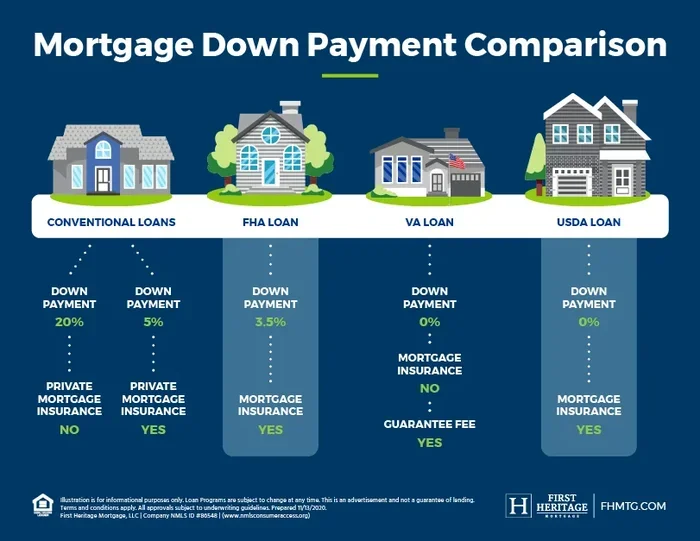
Buying a second property is exciting, but the second home mortgage down payment can feel confusing. You usually need more cash upfront than for your main house. Lenders see second homes as riskier, so they ask for a bigger down payment to protect their money. This guide breaks down the exact numbers, special rules, and smart ways to save so you can move forward with confidence.
This is a comprehensive guide about Second Home Mortgage Down Payment.
Key Takeaways
- Higher minimums: Most lenders require at least 10% to 20% down for a second home, compared to 3% to 5% for a primary residence.
- Stronger credit matters: A higher credit score can help you qualify for better rates and lower down payment options.
- Cash reserves are key: Many lenders want to see extra cash left over after closing to cover payments on both homes.
- Gift funds may help: Family gifts can sometimes cover part of your second home mortgage down payment, but rules vary by loan type.
- Investment vs. second home: A true second home gets better terms than a rental property, so be clear about your plans.
- Shop multiple lenders: Down payment rules differ across banks, credit unions, and loan programs, so compare offers.
- Plan for extra costs: Closing costs, higher interest rates, and reserve requirements add to your total cash needed.
[FEATURED_IMAGE_PLACEHOLDER]
Understanding the Second Home Mortgage Down Payment
Buying a second home is a big step. It could be a vacation spot, a family cabin, or a place to retire later. But the money rules change when you already own a house. The second home mortgage down payment is usually larger than what you paid on your first loan. Lenders want extra protection because a second property is not your main living space. If money gets tight, you might stop paying the second mortgage first. That risk is why the down payment sits higher.
You might wonder why the number jumps so much. The answer is simple. Your primary home gets the most favorable treatment because you live there every day. A second home is a luxury in the eyes of many lenders. They see it as a backup plan, not a survival need. So they ask for more cash upfront. This cash shows you can handle the extra burden. It also lowers the loan amount, which reduces the lender risk.
The good news is that the rules are not random. They follow clear patterns. Once you know the patterns, you can plan better. You can save with purpose. You can also compare loan options with confidence. This article walks you through the numbers, the rules, and the smart moves that help you reach your goal.
How Much Down Payment Do You Really Need?
The short answer is that it depends on the loan type and your financial profile. Most buyers need between 10% and 20% for a second home mortgage down payment. Some programs allow less, but they are rare for second properties. Conventional loans are the most common path. They usually ask for at least 10% down. If you want the best rate, 20% is a stronger target. A larger down payment can also remove private mortgage insurance, which saves money each month.
Let’s look at the common ranges. These numbers give you a realistic starting point.
Typical Down Payment Ranges
Different loan paths come with different cash needs. Here is a simple comparison to help you picture the options.
| Loan Type | Typical Second Home Down Payment | Notes |
|---|---|---|
| Conventional | 10% to 20% | Most common path. 20% may avoid PMI. |
| FHA | Hard to use for second homes | FHA favors primary residences. Special cases only. |
| VA | Usually for primary homes | Second home use is limited and strict. |
| Portfolio Loans | 15% to 30% | Bank-specific rules. More flexible, but higher cost. |
| Cash Purchase | 100% | No mortgage. Strongest buying power. |
These ranges are general guides. Your real number depends on your credit, income, debts, and the property itself. A beach house in a high-cost area may need a bigger down payment than a cabin in a smaller market. The lender also looks at the home value, the loan amount, and your overall picture.
Why 20% Is Often a Smart Target
Putting down 20% on a second home has clear benefits. First, it lowers the loan size. A smaller loan means smaller monthly payments. That helps when you are already paying a primary mortgage. Second, it can improve your interest rate. Lenders like to see more skin in the game. Third, it may remove mortgage insurance. That extra monthly cost can disappear when your down payment crosses the 20% line.
Still, 20% is not always the right choice for everyone. If tying up that much cash leaves you thin on reserves, a smaller down payment might make more sense. The key is balance. You want enough down payment to get good terms, but enough leftover cash to stay comfortable.
Second Home vs. Investment Property: What Changes?
This distinction matters a lot. A second home and an investment property are not the same in the eyes of lenders. A second home is for your personal use. You plan to spend time there. An investment property is mainly for renters and income. That difference changes the second home mortgage down payment and the rate you get.
Lenders usually offer better terms for a true second home. They expect you to occupy it for part of the year. They also expect it to be a reasonable distance from your main house. A vacation home that you use regularly fits this idea. A house that you buy only to rent out does not. If the lender thinks the property is really an investment, the down payment requirement can jump. Rates can rise too.
How Lenders Tell the Difference
Lenders look at several signals. They check your intent. They check the location. They check how far it is from your primary home. They may also ask about your rental plans. If you say you will rent it most of the year, they may treat it like an investment. If you say you will use it for vacations and family visits, they may treat it like a second home.
Be honest and clear. Your plans should match the loan type you choose. If you are unsure, ask your lender how they define a second home. A simple conversation can save you from surprises later. It can also help you choose the right down payment target.
Cash Reserves and Extra Costs to Plan For
The down payment is only part of the cash puzzle. Many buyers forget about reserves. Reserves are extra funds left over after closing. Lenders like to see them because they show you can handle two mortgages if money gets tight. For a second home, reserves can matter a lot. Some lenders want several months of payments in the bank for both properties.
Closing costs also add up. These include fees for appraisal, title, origination, and more. They can run from 2% to 5% of the purchase price. You need to budget for them on top of your down payment. If you are buying a second home, you may also face higher interest rates. That means your monthly payment could be higher than expected, even with the same loan amount.
A Simple Cash Checklist
Use this list to estimate your real cash need.
- Down payment: 10% to 20% of the purchase price, depending on the loan.
- Closing costs: Usually 2% to 5% of the price.
- Cash reserves: Enough to cover several months of payments on both homes.
- Moving and setup costs: Furniture, travel, utilities, and initial repairs.
- Emergency buffer: Extra cash for maintenance and surprise expenses.
This checklist gives you a clearer picture. It helps you avoid the common mistake of saving only for the down payment. A second home purchase is easier when you plan for the full cash picture.
Ways to Lower the Cash Barrier
If the numbers feel steep, you have options. You do not have to give up on the goal. You just need a smarter plan. One common approach is to use gift funds. Some loan programs allow family gifts to cover part of the second home mortgage down payment. The rules vary, so ask early. A gift letter and a clear paper trail are usually required.
Another option is to compare lenders carefully. Not all banks use the same standards. Some may accept a lower down payment with stronger credit. Others may offer portfolio loans with custom terms. A credit union might have a program that fits your situation better than a big bank. Shopping around can reveal paths you did not expect.
Smart Moves That Help
Small strategy choices can make a big difference. Here are a few practical moves.
- Boost your credit score before applying. A higher score can open better terms.
- Pay down existing debt. Lower debt-to-income ratio can improve approval odds.
- Keep reserves visible. Show enough cash to cover both homes after closing.
- Choose the right property. A lower-priced second home reduces the down payment needed.
- Ask about rate buydowns. Sometimes paying a bit more upfront can lower the rate.
These moves do not guarantee a smaller down payment, but they improve your overall position. They also show lenders that you are a careful borrower. That matters when you are asking for a second property.
Common Mistakes to Avoid
Buying a second home is exciting, so it is easy to rush. A few missteps can cost you time and money. One common mistake is assuming the rules are the same as your first mortgage. They are not. The second home mortgage down payment often needs more planning. Another mistake is underestimating reserves. You may qualify for the loan but still feel squeezed if you have no cushion left.
Some buyers also confuse a second home with a rental property. That confusion can lead to the wrong loan choice. It can also affect your down payment and rate. Be clear about your intent. If you plan to rent it often, talk to your lender about investment property rules. If you plan to use it yourself, make sure the loan matches that plan.
Quick Mistakes Checklist
- Treating the second home loan like a primary residence loan.
- Saving only for the down payment and ignoring closing costs.
- Leaving too little cash for reserves after closing.
- Not comparing multiple lenders and loan programs.
- Being vague about how you will use the property.
Avoiding these mistakes keeps your plan on track. It also reduces stress during the approval process. A little care now can prevent big headaches later.
Final Thoughts on Your Second Home Journey
A second home can bring joy, rest, and lasting memories. It can also be a smart financial step if you plan well. The second home mortgage down payment is one of the biggest hurdles, but it is not a wall. It is a goal you can reach with the right numbers and the right strategy. Start by knowing the typical range. Then look at your credit, your reserves, and your loan options. Compare lenders. Ask clear questions. Plan for the full cash need, not just the down payment.
If you take it step by step, the path becomes much easier. You do not need perfection. You need a solid plan and a realistic target. With that, you can move from dreaming to owning. And once you do, your second home can become exactly what you wanted it to be.
Frequently Asked Questions
How much down payment is needed for a second home mortgage?
Most lenders ask for 10% to 20% down on a second home. The exact number depends on your credit, loan type, and the property. A larger down payment can also improve your rate and reduce monthly costs.
Can I put less than 20% down on a second home?
Yes, some conventional loans allow as little as 10% down for a second home. But a smaller down payment may bring higher rates or mortgage insurance. You should also check reserve requirements, which can be stricter.
Do second home mortgages require cash reserves?
Often they do. Many lenders want to see extra cash left after closing to cover payments on both homes. Reserves give them comfort that you can handle the added responsibility if your income dips.
Is a second home down payment the same as an investment property down payment?
No, it is usually lower for a true second home. Investment properties often need more down and higher rates because they carry more risk. Be clear with your lender about how you plan to use the home.
Can gift funds be used for a second home down payment?
Sometimes yes, but the rules depend on the loan program. Family gifts may be allowed with proper documentation, such as a gift letter. Always confirm the policy before you count on gift money.
What is the best way to prepare for a second home purchase?
Start by saving for the down payment, closing costs, and reserves. Work on your credit and lower extra debt if you can. Then compare several lenders to find the best fit for your situation.
