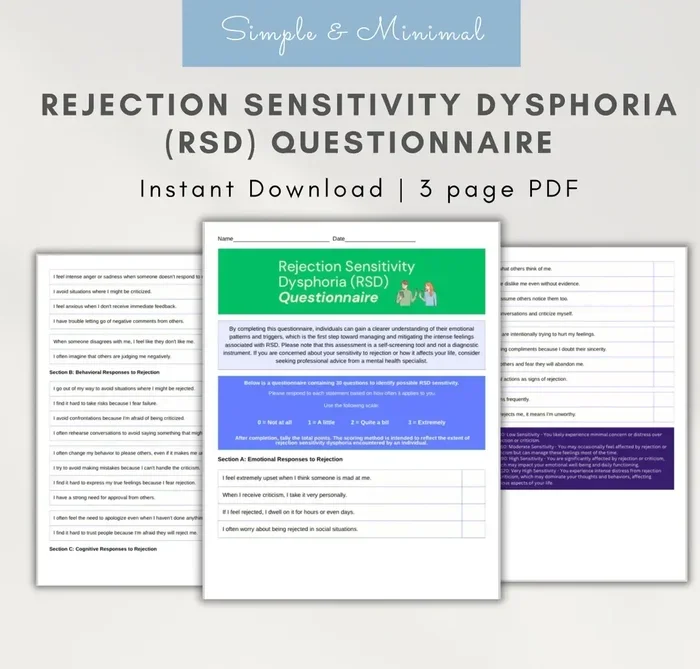
Rejection Sensitive Dysphoria Test helps you identify intense emotional reactions to perceived criticism. Many people feel deep pain from small comments without knowing why. This test offers clarity on your feelings. You will learn practical ways to manage these strong emotions.
This is a comprehensive guide about Rejection Sensitive Dysphoria Test.
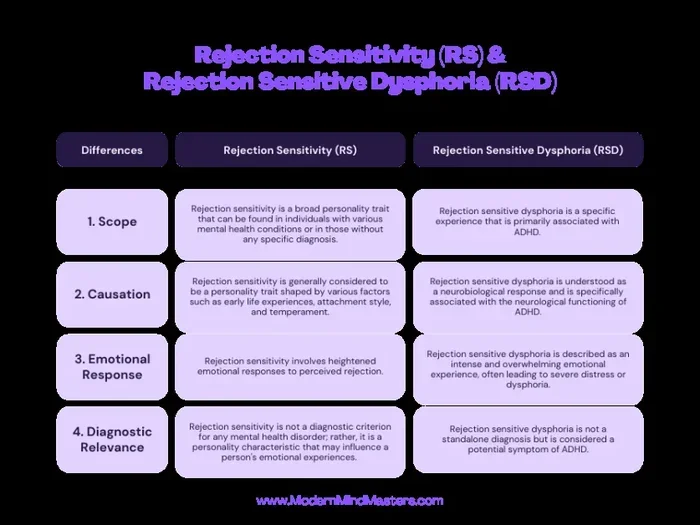
Visual guide about Rejection Sensitive Dysphoria Test
Image source: thenewhealthorder.com

Visual guide about Rejection Sensitive Dysphoria Test
Image source: cdn.outrank.so
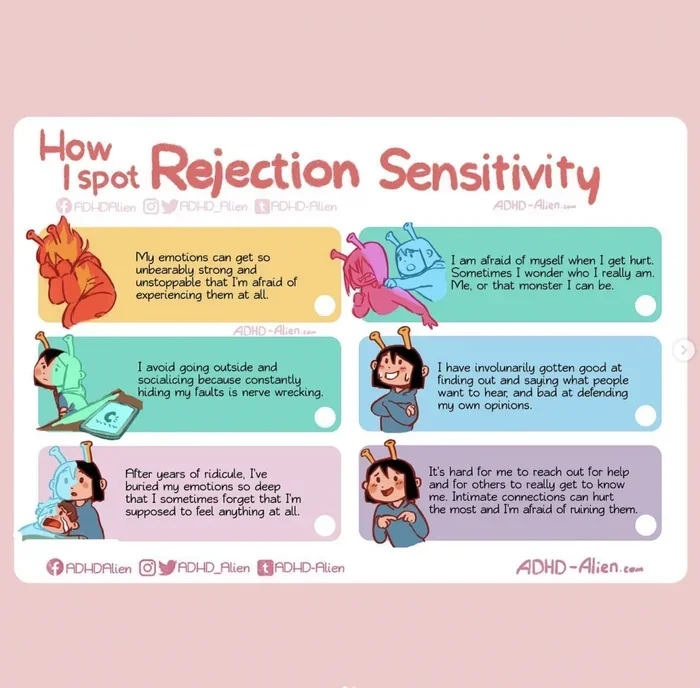
Visual guide about Rejection Sensitive Dysphoria Test
Image source: i.pinimg.com
Key Takeaways
- Understanding RSD: Rejection Sensitive Dysphoria Test reveals intense emotional pain from perceived rejection.
- Common Signs: Symptoms include extreme sensitivity to criticism and avoiding social situations.
- ADHD Link: Many people with ADHD experience these strong emotional responses.
- Self-Care Matters: Mindfulness and therapy help manage overwhelming feelings effectively.
- Relationship Impact: RSD can strain romantic connections without proper communication.
- Professional Help: Therapists offer tools to handle emotional sensitivity better.
- Hope Exists: You can learn to cope and build stronger relationships over time.
[FEATURED_IMAGE_PLACEHOLDER]
Have you ever felt a sudden wave of sadness after a small comment? Maybe a friend was late, and you thought they did not want to see you. Or perhaps a partner gave you quiet feedback, and you felt completely crushed. These feelings can be hard to understand. You might wonder why your emotions feel so intense compared to others.
This experience is common for many people. It often connects to a condition called Rejection Sensitive Dysphoria. Taking a Rejection Sensitive Dysphoria Test can help you see patterns in your emotional life. You do not have to feel confused about your reactions anymore. Understanding these feelings is the first step toward healing.
This article will guide you through everything you need to know. We will explore what this condition looks like in daily life. You will learn how to spot the signs in yourself. We will also share practical tips for managing these strong emotions. You deserve to feel calm and secure in your relationships.
What Is Rejection Sensitive Dysphoria
Rejection Sensitive Dysphoria, often called RSD, is a strong emotional response. People with this condition feel extreme pain when they face rejection. This rejection can be real or just imagined. The feeling happens quickly and feels overwhelming. It is more than just being sad or upset. The pain can feel physical and deep.
Many experts link this condition to ADHD. However, anyone can experience these symptoms. The brain processes social cues differently. A small slight feels like a major threat. This reaction is not your fault. It is a real neurological response. Understanding this helps reduce shame.
How It Differs From Normal Sadness
Normal sadness fades with time. RSD hits fast and hard. You might feel angry or hopeless instantly. The emotion often lasts longer than expected. Friends might not understand why you are so upset. They may see a small issue while you feel a crisis. This gap can cause loneliness.
It is important to know the difference. Normal sadness is part of life. RSD disrupts daily functioning. It affects how you interact with others. Recognizing this distinction is key. It helps you seek the right support. You are not just being too sensitive.
Signs You Might Need a Rejection Sensitive Dysphoria Test
How do you know if this applies to you? There are common patterns to watch for. These signs show up in thoughts and actions. Pay attention to how you react to feedback. Do you feel crushed by mild correction? Do you avoid trying new things? These behaviors often signal RSD.
Here are some common indicators to consider:
- Extreme emotional pain: Small comments feel like major attacks.
- Avoidance behaviors: You skip events to avoid potential rejection.
- People pleasing: You change yourself to keep others happy.
- Quick anger: You lash out when feeling criticized.
- Negative self-talk: You tell yourself you are not good enough.
These signs can affect your work and love life. You might hold back ideas at work. You fear your boss will dislike them. In love, you might test your partner constantly. You want to know if they really care. This anxiety drains your energy. Recognizing these patterns is powerful.
Emotional and Physical Symptoms
The pain of RSD is not just in your head. It can show up in your body. You might feel a tight chest or stomach ache. Some people feel hot or shaky. The emotional surge is very fast. It goes from zero to extreme in seconds. This physical response confirms the intensity.
Your mind might race with negative thoughts. You replay the interaction over and over. You look for evidence that you were rejected. This rumination keeps the pain alive. It prevents you from moving forward. Breaking this cycle takes practice. Awareness is the first tool.
The Connection Between RSD and ADHD
There is a strong link between RSD and ADHD. Many people with ADHD experience this sensitivity. The brain chemistry affects emotional regulation. Impulsivity can make reactions stronger. Emotional control is harder with ADHD. This does not mean everyone with ADHD has RSD. But the overlap is significant.
Understanding this link helps with treatment. Standard advice might not work for you. You need strategies that fit your brain. Medication can sometimes help regulate emotions. Therapy also plays a big role. Combining approaches often yields the best results.
Why the Brain Reacts This Way
Science suggests differences in brain structure. The amygdala processes fear and emotion. In sensitive brains, this area might be hyperactive. It sounds an alarm too quickly. The prefrontal cortex helps regulate this response. Sometimes this regulation is slower. This creates a flood of emotion.
It is like a smoke alarm going off for toast. The danger is not real, but the alarm is loud. Your body reacts as if there is a fire. Knowing this helps you pause. You can remind yourself the alarm is false. This cognitive shift takes time. But it is possible to learn.
Taking the Rejection Sensitive Dysphoria Test
A Rejection Sensitive Dysphoria Test is a tool for insight. It is not a formal medical diagnosis. Only a professional can diagnose you. But self-assessment helps you gather information. You can share results with a therapist. This makes your sessions more productive.
You can find questions online or in books. Look for questions about your reactions. Ask yourself how you handle criticism. Think about your fear of abandonment. Rate your feelings on a scale. Be honest with your answers. This honesty gives you clear data.
Questions to Ask Yourself
Here are some questions to guide your reflection:
- Do I feel crushed by mild feedback?
- Do I avoid social events often?
- Do I assume people dislike me without proof?
- Does criticism ruin my whole day?
- Do I people please to stay safe?
Answering these helps you see the scope. You might notice patterns you missed. Maybe you feel worse on certain days. Stress can make sensitivity worse. Sleep and hunger also play a role. Tracking these factors adds context.
Coping Strategies for Emotional Sensitivity
You can manage these intense feelings. Coping strategies build resilience over time. You do not have to live in fear. Small changes make a big difference. Start with one technique at a time. Consistency matters more than perfection.
Mindfulness is a powerful tool. It helps you stay in the present. When pain rises, pause and breathe. Name the emotion without judging it. Say “I feel hurt” instead of “I am hurt.” This small shift creates space. It reduces the intensity of the feeling.
Building a Support System
You do not have to handle this alone. Talk to trusted friends or family. Explain your sensitivity to them. They can help reassure you. A partner can learn to give feedback gently. Clear communication prevents misunderstandings.
Support groups also offer comfort. You meet others with similar struggles. Sharing experiences reduces isolation. You learn new coping tricks from peers. Feeling understood is healing. It validates your experience.
Professional Help and Therapy
Therapy provides structured support. Cognitive Behavioral Therapy helps change thought patterns. It challenges negative assumptions. You learn to test the reality of rejection. Dialectical Behavior Therapy teaches emotional regulation. These skills are very practical.
Medication might be an option too. Talk to a psychiatrist about this. Some medications help with ADHD symptoms. This can indirectly help RSD. Always discuss side effects and benefits. Professional guidance ensures safety.
RSD in Romantic Relationships
Relationships can be challenging with RSD. You might fear your partner will leave. Small changes in tone feel like danger. You might seek constant reassurance. This can strain the relationship. Your partner might feel confused or walked on.
Open communication is essential here. Explain your triggers to your partner. Tell them what helps you feel safe. Maybe you need a hug after hard talks. Or maybe you need space to process. Partners cannot read your mind. Sharing your needs helps them help you.
Avoiding Unhealthy Testing
Some people try to test their partner. They create scenarios to check loyalty. This often backfires and causes hurt. It builds mistrust instead of love. Healthy relationships rely on trust. If you feel unsure, talk about it. Do not set traps for your loved one.
There are resources for building trust. You might read about ways to test a guy to know if he loves you. However, focus on building security instead. Testing creates anxiety. Honest conversation creates connection. Choose the path that builds peace.
Recovering From Rejection Gracefully
Sometimes rejection happens anyway. It is part of life. How you recover matters most. You can learn to bounce back. This skill grows with practice. Be kind to yourself during the process.
Allow yourself to feel the pain. Do not suppress the emotion. Acknowledge that it hurts. Then, remind yourself of your worth. Rejection does not define you. It is one person’s opinion. Your value remains intact.
There are guides on how to recover from rejection gracefully. These steps can help you move forward. Focus on self-care after a hurt. Rest, eat well, and talk to friends. Healing takes time. You will feel like yourself again.
Common Mistakes to Avoid
When dealing with RSD, some habits hurt more. Avoid isolating yourself when you feel hurt. Isolation feeds negative thoughts. Reach out instead. Do not ruminate on the event endlessly. Set a time to feel, then move on.
Do not assume you know what others think. Mind reading is usually wrong. Ask for clarity instead of guessing. Avoid self-medicating with substances. This masks pain but does not heal it. Choose healthy coping mechanisms instead.
Expert Insights on Managing RSD
Experts suggest focusing on self-compassion. Treat yourself like a friend. You would not blame a friend for feeling hurt. Do not blame yourself either. Growth is a journey. Celebrate small wins in emotional control.
Consistency in self-care is vital. Sleep, exercise, and nutrition affect mood. A tired brain is more sensitive. Prioritize your physical health. It supports your emotional health. These foundations make therapy work better.
Conclusion
Living with Rejection Sensitive Dysphoria Test insights can change your life. You understand why you feel so deeply. This knowledge removes the shame. You can start managing your reactions. Healing is possible with the right tools.
Remember that you are not broken. Your emotions are just very loud. You can learn to turn down the volume. Seek support from professionals and loved ones. Use the strategies we discussed today. You deserve peace and strong connections.
Take the first step today. Reflect on your reactions. Talk to someone you trust. Your journey to emotional stability starts now.
Frequently Asked Questions
What exactly is Rejection Sensitive Dysphoria?
It is a condition where you feel extreme emotional pain from perceived rejection. This reaction is often linked to ADHD but can occur in others. The pain feels immediate and overwhelming.
Can I diagnose myself with a Rejection Sensitive Dysphoria Test?
A self-test gives you insight but is not a medical diagnosis. You should share your results with a mental health professional. They can provide a proper assessment and treatment plan.
How does RSD affect romantic relationships?
It can cause fear of abandonment and constant need for reassurance. Partners might feel pressured by your anxiety. Open communication helps manage these dynamics effectively.
What are the best coping strategies for RSD?
Mindfulness, therapy, and self-compassion are highly effective. Building a support system also helps reduce isolation. Medication may help if ADHD is also present.
Is RSD the same as social anxiety?
They are similar but not exactly the same. Social anxiety is fear of social situations. RSD is specifically about the pain of rejection or criticism. They often overlap though.
Where can I learn more about recovering from rejection?
You can read guides on how to recover from rejection gracefully. These resources offer practical steps for healing. Professional therapy is also recommended for deep healing.