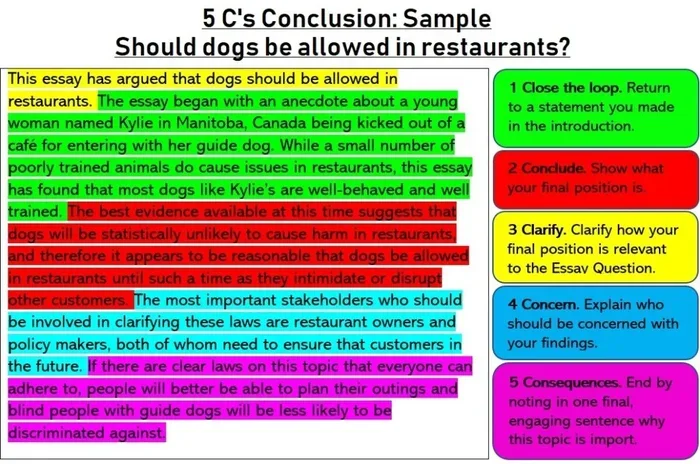
The power of silence after break up is real. Taking space gives your mind room to heal and your emotions time to settle. This guide shows you how quiet time can help you rebuild confidence, stop impulsive mistakes, and create a clear path toward your next chapter.
Breakups shake your world. One day you feel close, and the next day you feel lost. In that fog, it is tempting to text, call, or beg for closure. Yet the power of silence after break up often brings the fastest relief. Quiet gives your heart a chance to slow down. It also gives your brain a chance to catch up with reality. When you stop reacting, you start seeing clearly.
This does not mean you should hide forever or pretend nothing happened. It means you choose a pause on purpose. You step back from constant contact so you can breathe, think, and heal. That pause can protect you from saying things you do not mean. It can also help you notice what you truly want next. If you are feeling raw, confused, or stuck in a loop of messages, this guide will help you understand why silence can be so powerful and how to use it in a healthy way.
You will learn how quiet time supports emotional recovery, how to avoid common mistakes, and how to tell the difference between healing silence and avoidance. We will also look at practical steps you can take today. The goal is simple. You want peace, clarity, and a stronger sense of yourself after the relationship ends.
Key Takeaways
- Silence creates emotional space: Stepping back from contact helps your nervous system calm down and your thoughts clear up.
- No contact supports healing: A deliberate pause reduces pain triggers and helps you process the end of the relationship more honestly.
- Quiet time builds self focus: You can redirect energy toward your goals, health, and daily routines instead of chasing answers.
- Silence prevents regretful messages: Distance lowers the chance of sending hurtful or desperate texts that are hard to undo.
- Healthy silence is intentional: The goal is reflection and recovery, not punishment, control, or manipulation.
- Reaching out has a right time: When you feel steady again, you can decide whether contact makes sense for your situation.
- Support speeds recovery: Friends, journaling, and simple routines help you stay grounded while you heal.
📑 Table of Contents
- Why the Power of Silence After Break Up Matters
- How No Contact Supports Emotional Healing
- Building Self Focus During the Quiet Period
- Why Silence Prevents Regretful Messages
- Healthy Silence vs Avoidance or Manipulation
- When Silence May Not Be the Best Choice
- Signs You Are Ready to End the Quiet Period
- Practical Ways to Make Silence Work for You
- Expert Insight on Space and Recovery
- Key Takeaways for Using Silence Well
Why the Power of Silence After Break Up Matters
Right after a breakup, your emotions can swing hard. You may feel sadness, anger, relief, guilt, or all of them at once. In that state, it is easy to make quick choices that feel urgent but do not help. Silence creates a buffer. It gives you room to notice your feelings without immediately acting on them.
The power of silence after break up comes from this simple shift. Instead of chasing answers from the other person, you turn inward. You stop feeding the cycle of back-and-forth messages. That break can lower stress and reduce the emotional spikes that keep you stuck. It also helps you separate the loss of the relationship from the loss of daily contact, which are not always the same thing.
How Quiet Time Helps Your Mind Reset
When contact keeps happening, your mind stays on high alert. Every message can reopen the wound. Every call can pull you back into old patterns. A period of silence interrupts that loop. It lets your nervous system settle. It also gives your thoughts a chance to organize themselves.
During this reset, you may notice things you missed before. You may see what felt unhealthy. You may also see what you valued and what you want to protect in the future. That kind of clarity is hard to get when you are constantly reacting.
When Silence Feels Hard But Helps
Silence can feel uncomfortable at first. You may feel lonely. You may wonder if you are doing the right thing. That is normal. Healing is rarely smooth. The key is to remember that discomfort does not always mean something is wrong. Sometimes it just means you are moving through a hard moment instead of avoiding it.
If you are struggling, focus on small anchors. Keep your days simple. Eat regularly. Sleep as well as you can. Spend time with people who are calm and kind. These basics matter more than they seem. A stable body supports a steadier mind.
How No Contact Supports Emotional Healing
The no contact rule is popular for a reason. It gives both people space to step out of the immediate fallout. For you, it can mean less exposure to pain triggers. For the other person, it can mean less pressure to respond before they are ready. That does not automatically mean the relationship will restart. It means the situation gets calmer, which is useful either way.
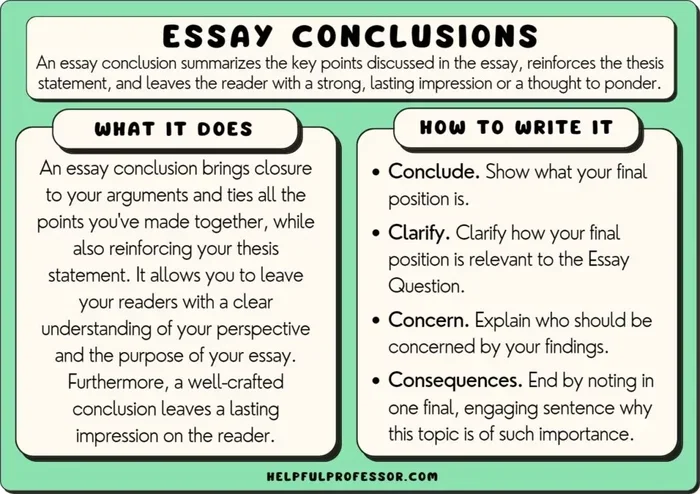
Visual guide about Power of silence after break up
Image source: helpfulprofessor.com
Healing often works better when you are not repeatedly reopening the wound. Each new text can restart the emotional cycle. Each call can pull you back into hope, confusion, or disappointment. A planned pause helps you interrupt that pattern. It gives you a chance to process the breakup in a more complete way, instead of in tiny reactive bursts.
What Silence Can and Cannot Do
Silence can help you regain balance. It can reduce drama. It can help you think more honestly about what you want. It can also give you the distance needed to notice patterns that were hard to see before.
Silence cannot magically fix everything. It will not erase real grief. It will not solve every misunderstanding. And it will not guarantee that the other person changes their mind. The power of silence after break up is not about control. It is about giving yourself a better environment for recovery.
Signs You May Need a Longer Pause
- You still feel flooded when you see their name.
- You keep replaying the same conversation in your head.
- You want to text mostly from panic, not clarity.
- You are trying to get a reaction instead of real answers.
- You feel worse after every exchange.
If these signs sound familiar, a longer break from contact may be useful. You are not failing. You are protecting your energy while your feelings settle.
Building Self Focus During the Quiet Period
One of the best parts of silence is that it redirects your attention. When you are not constantly checking your phone, you have more space for your own life. That space matters. You can use it to rebuild routines, revisit your goals, and remember who you are outside the relationship.
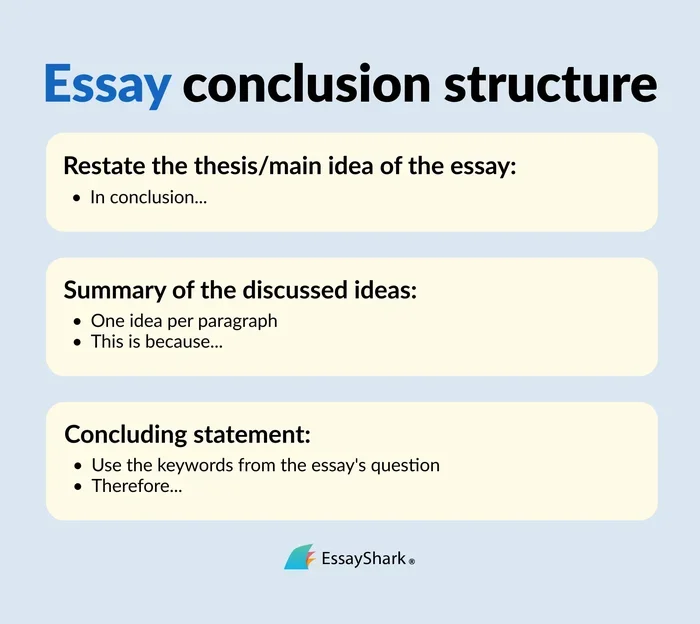
Visual guide about Power of silence after break up
Image source: essayshark.com
The power of silence after break up grows when you fill that space with something meaningful. This does not have to be dramatic. You do not need to become a completely different person overnight. Small, steady actions work best. Walk more. Drink water. Clean one corner of your room. Write down three things you want to focus on this week. These simple steps create momentum.
Ways to Redirect Your Energy
- Reconnect with friends: Spend time with people who listen without drama.
- Move your body: Exercise, stretching, or even a daily walk can help release tension.
- Return to hobbies: Do things that make you feel capable and engaged.
- Set small goals: Finish a task you have avoided. Small wins build confidence.
- Limit reminders: Put away photos, messages, or objects that keep pulling you back.
Using Journaling to Clear Your Head
Writing can be a quiet companion when contact is paused. You do not need perfect sentences. Just let your thoughts land on the page. Write about what hurts. Write about what you miss. Write about what you are afraid of. Then write about what you want next.
This habit helps you notice patterns. You may see that you are grieving more than the relationship itself. You may see that you are scared of being alone. You may also see that you are ready to move forward, even if it feels awkward. Journaling turns a swirling mind into something more manageable.
Why Silence Prevents Regretful Messages
After a breakup, impulse control can get weaker. You may want comfort. You may want validation. You may want the other person to admit something, explain something, or come back. In that state, a message can sound reasonable in the moment and embarrassing later.
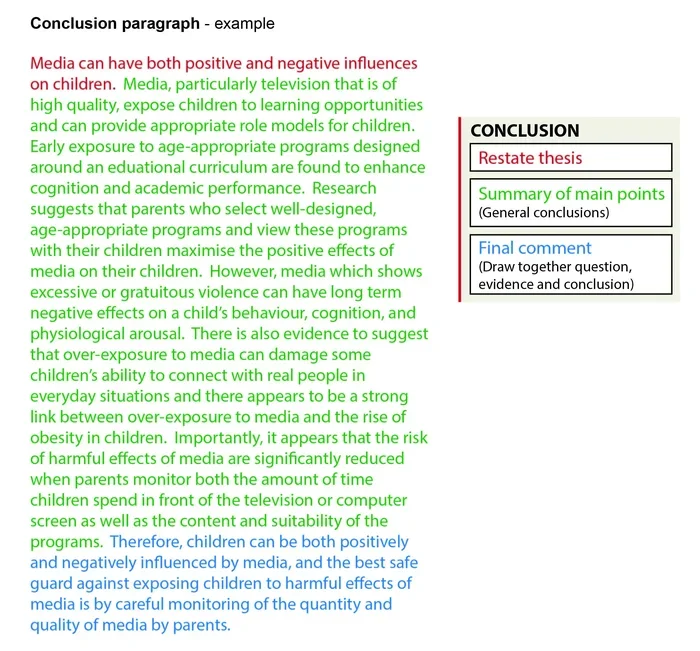
Visual guide about Power of silence after break up
Image source: s3.amazonaws.com
Silence lowers that risk. It gives you time to ask a better question: Do I want to send this because it helps me, or because I am trying to manage my feelings through someone else? That pause can save you from a lot of regret.
Common Messages People Later Regret
- Long emotional texts that overshare too soon.
- Blaming messages written in anger.
- Begging or pleading when the decision already seems clear.
- Trying to guilt the other person into responding.
- Sending multiple follow-ups when there has been no reply.
The power of silence after break up is especially useful here. When you wait, the urgent voice gets quieter. The wiser voice has room to speak. That often leads to better choices.
A Simple Message Filter
Before sending anything, ask yourself:
- Am I calm, or am I reacting?
- Is this message necessary, or is it mostly for relief?
- Will this help me move forward, or keep me stuck?
- If I wait 24 hours, will I still want to send it?
If the answer is unclear, wait. Silence is often the smarter move.
Healthy Silence vs Avoidance or Manipulation
Not all silence is the same. Some silence is restorative. Some silence is avoidant. Some silence is used as pressure. It helps to know the difference so you do not confuse healing with games.
Healthy silence is chosen with care. You step back to gain steadiness, not to punish the other person. You are still living your life. You are still being honest with yourself. You are simply not forcing contact before you are ready.
Avoidance looks different. You may be scared to face the pain, so you stay away from everything, including your own feelings. Manipulation looks different too. In that case, silence is used to make the other person anxious, guilty, or eager to return. That is not the same as genuine space.
How to Tell Which Silence You Are Using
- Healthy silence: You feel calmer over time and more clear about your needs.
- Avoidant silence: You feel numb, disconnected, or increasingly anxious inside.
- Manipulative silence: You are focused on making the other person respond or regret the breakup.
If you want the power of silence after break up to work in a healthy way, keep your intention clean. Use the pause to recover, not to control the outcome. That mindset makes a big difference.
When Silence May Not Be the Best Choice
Silence is helpful for many people, but it is not always the right tool. If you share children, work, or a home, total silence may create more problems than peace. In those cases, limited and practical contact may be better. The goal is not to be cold. The goal is to be clear, respectful, and stable.
There are also times when reaching out is part of healing. If you need closure that only the other person can give, and you feel steady enough to ask calmly, a careful conversation may help. If you are worried about your safety or the other person’s safety, silence alone may not be enough. Support and boundaries may be more important than quiet.
Situations That May Need a Different Approach
- Co-parenting requires clear communication about the child’s needs.
- Shared leases, finances, or work projects may need practical coordination.
- You may need one calm conversation to settle important details.
- You may be using silence to escape a hard conversation you actually need to have.
In these cases, the power of silence after break up still matters, but it may look like selective quiet instead of total withdrawal. You can be reserved without being unreachable when practical matters are involved.
Signs You Are Ready to End the Quiet Period
At some point, silence stops being a healing tool and starts feeling like a wall. That is your cue to check in with yourself. You do not need to rush. You only need to notice when you are no longer using the pause for recovery.
You may be ready to rethink contact when you feel more grounded. You may notice that your thoughts are less chaotic. You may be able to talk about the breakup without spiraling. You may also feel less need to prove anything. Those are good signs that you are moving forward.
Questions to Ask Yourself First
- Do I want contact because I am healed, or because I am lonely?
- What do I hope to get from reaching out?
- Am I prepared for any answer, including no answer?
- Would I still make this choice if nothing changed?
If you reach out, keep it simple. Do not overload the message with emotion. State what you need, if anything, and leave room for the other person to respond or not. If you decide not to reach out, that is okay too. Closure does not always come from another person. Sometimes it comes from your own steady growth.
Practical Ways to Make Silence Work for You
If you want the power of silence after break up to support you, make a plan. Silence is easier when you know what you are doing with the space it creates. Otherwise, the quiet can feel empty and tempting.
Start by setting a clear intention. Tell yourself why you are pausing. Then make your environment support that choice. Put your phone on a stricter routine. Mute or archive conversations if you need to. Tell a trusted friend what you are trying to do. Accountability helps.
A Simple Weekly Plan
- Day 1 to 3: Focus on rest, hydration, sleep, and basic responsibilities.
- Day 4 to 7: Add journaling, movement, and time with supportive people.
- Week 2: Notice what triggers you and reduce exposure where possible.
- Week 3 and beyond: Rebuild routines, revisit goals, and check your emotional steadiness.
You can adjust this plan to fit your life. The point is not perfection. The point is direction. Each day, you choose yourself a little more.
Quick Tips for Staying Steady
- Keep your messages short if you must communicate for practical reasons.
- Avoid stalking social media updates about the other person.
- Replace checking habits with something physical, like a walk or a chore.
- Remind yourself that silence is a tool, not a punishment.
- Celebrate small signs of progress, even if they feel minor.
Common Mistakes to Avoid
- Using silence to secretly hope for a reaction.
- Isolating completely instead of taking healthy space.
- Pretending you are fine when you are still hurting.
- Rushing back into contact before you feel stable.
- Confusing no contact with a guaranteed way to win someone back.
Expert Insight on Space and Recovery
Relationship experts often stress that space helps people regain perspective. When emotions are intense, it is hard to separate longing from compatibility. Distance gives you a better view of what the relationship was, what it was not, and what you need going forward. That is why the power of silence after break up is not just about avoiding pain. It is also about seeing reality more clearly.
Experts also note that healing is not a straight line. Some days you will feel stronger. Other days you will feel pulled backward. That does not mean silence failed. It means you are human. What matters is whether, over time, you are building a life that feels more stable and more honest.
Another useful insight is this: the quality of your silence matters more than the length of it. A calm, intentional pause usually helps more than a forced, dramatic shutdown. If you can be respectful, consistent, and honest with yourself, the quiet period is much more likely to support real growth.
Key Takeaways for Using Silence Well
The power of silence after break up is strongest when you use it with purpose. Silence can help you calm down, think clearly, and avoid choices you may regret. It can also create the room you need to rebuild your routine and your confidence. Just remember that the goal is healing, not control.
If you are in pain, give yourself permission to step back. If you share practical responsibilities with the other person, keep communication limited and respectful. If you are unsure whether to reach out, wait until your mind feels less noisy. And if you need help, talk to someone trustworthy. You do not have to carry everything alone.
In the end, silence is not about disappearing. It is about giving yourself a better chance to recover. When you use it wisely, it can help you move from hurt to clarity, and from confusion to a steadier next step.
Frequently Asked Questions
How long should I stay silent after a breakup?
There is no single perfect timeline. Many people benefit from at least a few weeks of limited contact, but the right length depends on how intense the pain feels and whether you share practical responsibilities. The goal is to stay quiet long enough to regain steadiness, not to follow a rigid rule.
Does silence make the other person come back?
Silence can create space, but it does not guarantee a return. The power of silence after break up is mainly about your healing and clarity, not about forcing a result. Some people may reflect and reach out, while others may not, and both outcomes can be part of a healthy process.
Is it okay to text if I feel desperate?
It is understandable to feel desperate, but texting from panic often makes things messier. If you can, wait until the urge passes and ask whether the message is truly helpful. If you need support, reach out to a friend or write your thoughts down instead of sending a rushed text.
What if we have to talk because we share a home or kids?
In that case, total silence may not be realistic. Keep communication practical, calm, and focused on the necessary details. You can still protect your emotional space by limiting conversations to what truly needs to be said.
How do I know if I am using silence in a healthy way?
Healthy silence usually helps you feel more grounded over time. You are not mainly trying to manipulate the other person, and you are still taking care of your daily life. If you feel calmer, clearer, and more able to reflect, that is a good sign.
When should I consider reaching out again?
Consider reaching out when you feel more stable and your reason is clear. Ask yourself what you hope to achieve and whether you can handle any response calmly. If you still feel reactive, it may be better to wait a little longer.