
Paying 30 year mortgage in 15 years is one of the smartest financial moves you can make. You save massive amounts on interest payments and own your home sooner. This guide shows you exactly how to do it without breaking your budget. Start your journey to debt-free homeownership today.
Owning a home is a dream for many people. It represents stability and a place to build memories. However, the monthly payment can feel like a heavy chain. Many homeowners look for ways to break free sooner. Paying 30 year mortgage in 15 years is a powerful strategy to consider. It changes your financial future completely.
Imagine waking up one day without a house payment. That money goes straight into your pocket. You can travel, save, or invest it elsewhere. The path to this freedom requires discipline. You do not need a huge income to make it happen. You just need a solid plan and consistency.
This article breaks down the exact steps. We will look at the math behind the savings. We will also discuss practical ways to find extra cash. You will learn how to stay on track without stress. Let us dive into how you can own your home faster.
Key Takeaways
- Interest Savings: Paying off a 30-year loan in 15 years cuts total interest by nearly half.
- Extra Payments Matter: Even small additional monthly payments accelerate your payoff timeline.
- Budget Adjustments: Small lifestyle changes free up cash for mortgage prepayments.
- Refinancing Options: Switching to a 15-year loan locks in a faster payoff schedule.
- Biweekly Payments: Making half-payments every two weeks adds one full payment yearly.
- Windfall Usage: Tax refunds or bonuses should go directly to the principal balance.
- Financial Flexibility: Early payoff frees up monthly income for other life goals.
📑 Table of Contents
Why Paying 30 Year Mortgage In 15 Years Makes Sense
The standard home loan stretches payments over three decades. This lowers the monthly bill but increases the total cost. Banks charge interest for the privilege of borrowing money. Over thirty years, that interest adds up to a fortune. Paying 30 year mortgage in 15 years drastically reduces this cost.
Think of interest as money you never get back. It is the price of borrowing. When you shorten the loan term, you reduce the time interest has to grow. This is the core benefit of early payoff. You keep more of your hard-earned money.
The Math Behind The Savings
Let us look at a simple example. Suppose you borrow $200,000 at a 4% interest rate. A 30-year loan means lower monthly payments. However, you will pay a lot in interest over time. A 15-year schedule requires higher monthly payments. But the total interest paid is much lower.
Here is a quick comparison to visualize the difference.
| Loan Term | Monthly Payment | Total Interest Paid | Total Cost |
|---|---|---|---|
| 30 Years | $955 | $143,739 | $343,739 |
| 15 Years | $1,479 | $66,288 | $266,288 |
The difference in total interest is massive. You save over $77,000 in this scenario. That is money you can use for retirement or education. Paying 30 year mortgage in 15 years puts that money back in your pocket. It is an investment in your future self.
Building Equity Faster
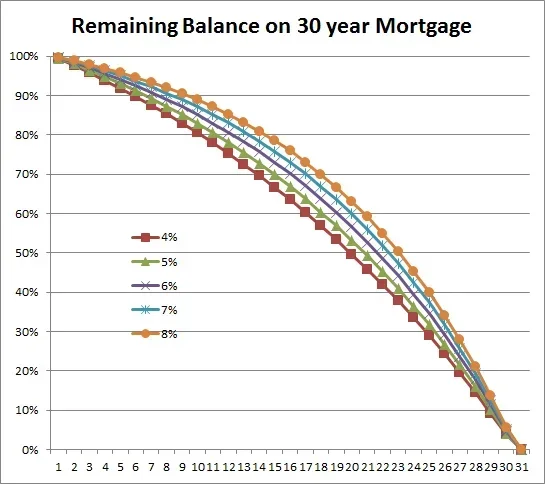
Equity is the portion of the home you actually own. Every payment reduces the loan balance slightly. In the early years of a 30-year loan, most money goes to interest. Very little reduces the principal balance. This slows down your equity growth.
When you accelerate payments, more money goes to the principal. This builds equity much quicker. Higher equity means more financial security. It also gives you options if you need to sell or refinance. You own a larger piece of the pie sooner.
Strategies For Paying 30 Year Mortgage In 15 Years
You do not need to refinance to speed up the process. There are several methods to achieve this goal. Each method has pros and cons. You should choose the one that fits your budget. Paying 30 year mortgage in 15 years requires a plan you can stick with.
Make Extra Principal Payments
The simplest way is to pay extra every month. Even a small amount helps significantly. You must specify that the extra money goes to principal. Otherwise, the bank might apply it to next month’s bill. This does not help you save on interest.
Here is how to do it effectively:
- Check your budget: Find an amount you can afford comfortably.
- Notify your lender: Tell them the extra payment is for principal.
- Be consistent: Do it every month without fail.
- Review statements: Ensure the principal balance drops correctly.
Consistency is key here. Small amounts add up over time. You might not see results in the first year. But over five or ten years, the impact is huge.
Switch To Biweekly Payments
Another popular method is changing your payment schedule. Instead of one monthly payment, you pay half every two weeks. This results in 26 half-payments per year. That equals 13 full payments instead of 12.
This extra payment goes directly to the principal. It shortens the loan term automatically. Many lenders offer this service for free. It is a seamless way to pay faster. You might not even notice the difference in cash flow.
This strategy works well for people paid biweekly. Your mortgage payment aligns with your paycheck. It feels natural and manageable. Paying 30 year mortgage in 15 years becomes easier with this system.
Use Windfalls Wisely
Life sometimes brings unexpected money. You might get a tax refund or a work bonus. Some people spend this on vacations or gadgets. Instead, consider putting it toward your mortgage. These lump sums make a big dent in the balance.
You do not need to do this every time. But using major windfalls helps significantly. It reduces the principal without affecting your monthly budget. This is a great way to jumpstart your payoff plan.
Budgeting Tips To Free Up Cash
To succeed, you need extra cash flow. This often means adjusting your current spending. You do not need to live miserably. Small changes can free up significant funds. Paying 30 year mortgage in 15 years is about prioritization.
Review Your Monthly Expenses
Look at where your money goes every month. Subscription services often go unnoticed. Dining out can also drain your budget quickly. Cutting back on these can free up hundreds of dollars. Redirect that money to your mortgage principal.
Try tracking your spending for one month. You might be surprised by the results. Identify areas where you can trim fat. Use those savings to attack your debt. It is a temporary sacrifice for long-term gain.
Increase Your Income
Cutting costs has limits. Eventually, you need to earn more. Consider picking up a side hustle. Freelancing or part-time work can generate extra cash. Dedicate all this extra income to your mortgage.
You can also sell items you no longer need. Old electronics or clothes can turn into cash. Every little bit helps you reach your goal faster. Focus on the end goal of being debt-free.
Potential Risks And Considerations
While the benefits are clear, there are risks. You must ensure you can afford the higher payments. Life is unpredictable. Job loss or medical emergencies can happen. You need a safety net before accelerating payments.
Maintain An Emergency Fund
Never drain your savings to pay the mortgage. You should have three to six months of expenses saved. This protects you if income stops suddenly. If you put all cash into the house, you could be stuck. Liquidity is important for financial health.
Balance is crucial. Paying 30 year mortgage in 15 years should not leave you vulnerable. Secure your emergency fund first. Then focus on extra payments. This protects your home and your peace of mind.
Check For Prepayment Penalties
Some loans have penalties for paying off early. This is less common now but still possible. Read your loan documents carefully. Contact your lender to ask about extra payment rules. You do not want to pay a fee for saving money.
Ensure there are no hidden costs. Most modern loans allow extra payments without penalty. But verifying this saves you headaches later. It is a simple step that protects your plan.
Staying Motivated On Your Journey
Paying off a mortgage is a marathon, not a sprint. It takes years of discipline. You might feel tempted to spend the extra money. Staying motivated is essential for success. Paying 30 year mortgage in 15 years requires mental strength.
Visualize Your Goal
Create a visual reminder of your progress. A chart on the fridge can help. Watching the balance drop feels rewarding. Share your goal with your family. Their support makes the journey easier.
Celebrate small milestones along the way. When you pay off 10% or 20%, acknowledge it. This keeps morale high. Remember why you started this journey. Freedom from debt is a powerful motivator.
Adjust As Life Changes
Your financial situation will change over time. You might get a raise or have children. Adjust your payment plan accordingly. If you have extra money, increase the payment. If times are tight, stick to the minimum.
Flexibility prevents burnout. Do not beat yourself up if you miss a month. Just get back on track the next month. The goal is progress, not perfection. Paying 30 year mortgage in 15 years is achievable with patience.
Expert Insights On Early Payoff
Financial experts often debate paying off debt versus investing. Some say you should invest if the return is higher. Others say debt freedom brings peace. Both views have merit. It depends on your risk tolerance.
If your mortgage rate is very low, investing might yield more. However, guaranteed savings from interest are valuable. Paying off debt feels like a guaranteed return. It also reduces monthly obligations. This lowers stress during retirement.
Consider your overall financial picture. If you have high-interest credit card debt, pay that first. Mortgage debt is usually cheaper. Prioritize your debts logically. Paying 30 year mortgage in 15 years fits into a broader strategy.
Common Mistakes To Avoid
Many people start strong but fade away. Avoid these pitfalls to stay on course. Learning from others saves you time and money. Here are common errors to watch out for.
- Ignoring the budget: Do not commit to payments you cannot afford.
- Skipping the emergency fund: Liquidity is more important than extra payments sometimes.
- Not specifying principal: Ensure extra funds reduce the balance, not future interest.
- Giving up too soon: Results take time. Stay consistent for the long haul.
- Forgetting to review: Check your statements regularly to track progress.
Avoiding these mistakes keeps you on the right path. It ensures your extra money works hard for you. Stay vigilant and keep your eyes on the prize.
Conclusion
Owning your home outright is a incredible achievement. It provides security and freedom for your family. Paying 30 year mortgage in 15 years is a proven way to get there. You save money on interest and build equity faster.
It requires discipline and smart budgeting. But the reward is worth the effort. Imagine the possibilities when that payment stops. You can invest, travel, or relax. The choice becomes yours.
Start today by reviewing your loan details. Find an extra amount you can pay. Set up automatic transfers if possible. Take control of your financial future. Your future self will thank you for starting now.
Frequently Asked Questions
Can I pay off my 30 year mortgage in 15 years without refinancing?
Yes, you can simply make extra payments toward the principal balance. This accelerates the payoff schedule without changing your loan terms. Just ensure your lender applies the extra funds correctly.
Will paying extra hurt my credit score?
No, paying down your mortgage usually helps your credit profile. It lowers your debt-to-income ratio and shows responsible financial behavior. There is no negative impact on your score for early payoff.
Is it better to refinance or make extra payments?
It depends on your current interest rate and fees. Refinancing to a 15-year loan locks in a faster term but might raise monthly payments. Extra payments offer more flexibility if your income changes.
How much extra should I pay each month?
Any amount helps, but calculate what fits your budget. Even $100 extra per month can shave years off your loan. Use an online calculator to see the specific impact on your timeline.
What happens if I miss an extra payment?
Nothing negative happens if you miss an extra principal payment. You simply continue with your regular schedule. Just resume the extra payments when you are able to stay on track.
Should I pay off my mortgage before investing?
This depends on your interest rate and risk tolerance. If your mortgage rate is low, investing might offer higher returns. However, being debt-free provides guaranteed savings and peace of mind.
