
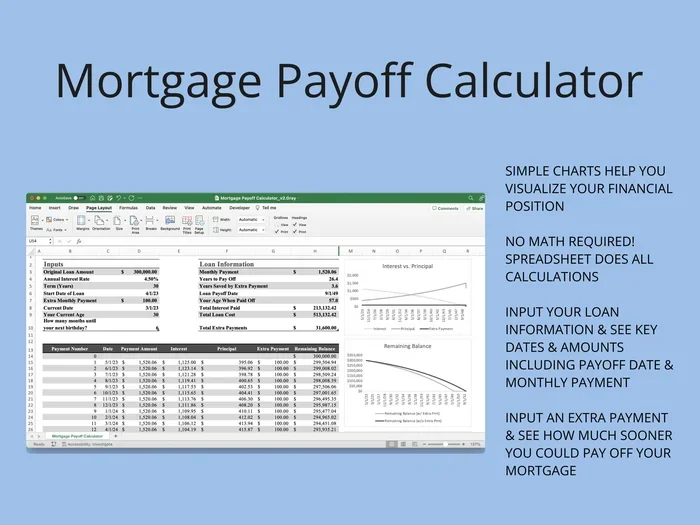
Paying 2 extra mortgage payments a year is a powerful strategy to cut interest costs. This simple habit accelerates equity building and shortens your loan term significantly. Learn how small changes create big financial freedom for your future.
Key Takeaways
- Significant Interest Savings: Extra payments reduce the principal balance faster, lowering total interest paid over the life of the loan.
- Shorter Loan Term: Making bi-weekly or extra annual payments can shave years off a standard 30-year mortgage.
- Increased Equity: Paying down principal quickly builds home equity, giving you more financial flexibility.
- Budget Flexibility: You can start small and adjust based on your monthly cash flow and financial goals.
- No Refinancing Needed: This strategy works with your existing loan without closing costs or credit checks.
- Peace of Mind: Reducing debt faster lowers financial stress and prepares you for retirement sooner.
- Consistency Matters: Setting up automatic payments ensures you stay on track without forgetting.
📑 Table of Contents
Introduction
Owning a home is a dream for many people. It represents stability, safety, and a place to build memories. However, a mortgage can feel like a heavy anchor dragging on your finances. Many homeowners seek ways to lighten this load. One popular method involves making additional payments toward the principal balance.
Paying 2 extra mortgage payments a year can change your financial trajectory. It sounds simple, but the impact is profound. You do not need a huge windfall to make this work. Small, consistent actions add up over time. This approach helps you keep more money in your pocket instead of paying it to the bank.
In this guide, we will explore how this strategy works. We will look at the math behind it. We will also discuss practical ways to fit these payments into your budget. Whether you are a new homeowner or have been paying for years, this information is valuable. Let us dive into how you can save money and gain freedom.
Understanding the Power of Extra Payments
When you make a standard mortgage payment, the money splits into two parts. One part covers the interest charged by the lender. The other part reduces the principal balance. In the early years of a loan, most of your payment goes toward interest. This is how amortization works.
By making extra payments, you change this dynamic. Extra money goes directly to the principal. This lowers the balance immediately. A lower balance means less interest accrues the next month. This creates a snowball effect. Your future payments become more efficient at reducing debt.
Paying 2 extra mortgage payments a year accelerates this process. You are effectively telling the bank you owe them less. They charge you less interest because the risk is lower. Over time, this saves a significant amount of money. It also helps you own your home outright much sooner.
How Interest Accumulates
Interest is the cost of borrowing money. It is calculated based on your remaining loan balance. If you owe more, you pay more interest. If you owe less, you pay less. This is why the beginning of a mortgage feels so slow. You are paying off a large number, so the interest charge is high.
Reducing that number quickly is the key. Even small amounts help. When you pay extra, you stop interest from compounding on that portion of the debt. This is why timing matters. The sooner you pay extra, the more you save. Waiting ten years to start extra payments yields fewer savings than starting now.
The Math Behind 2 Extra Payments
Let us look at a hypothetical example. Imagine a $300,000 mortgage with a 4% interest rate. The standard 30-year term means you pay for three decades. Your monthly principal and interest payment might be around $1,432. Over 30 years, you pay much more than the original loan amount.
If you add two extra payments annually, you reduce the term. You might finish paying off the loan in 25 years instead of 30. This saves you thousands of dollars in interest. The exact amount depends on your rate and loan size. But the principle remains the same. Less time means less interest.
Paying 2 extra mortgage payments a year is roughly equivalent to making one extra payment every six months. Some people prefer to split this into monthly increments. You could add a small amount to every payment. Others prefer one lump sum twice a year. Both methods work well.
Bi-Weekly Payment Plans
Another way to achieve this is through a bi-weekly plan. Instead of paying once a month, you pay half the amount every two weeks. Since there are 52 weeks in a year, you make 26 half-payments. This equals 13 full payments annually. This naturally includes one extra payment per year.
Doing this twice effectively mimics paying 2 extra mortgage payments a year. Many lenders offer this service. Sometimes there is a fee for processing bi-weekly payments. You can also do this manually. Simply send half payments every two weeks. Just ensure the lender applies the extra to the principal.
Budgeting for Additional Payments
Finding the money for extra payments requires planning. You need to look at your monthly cash flow. Start by tracking your expenses. See where your money goes each month. Identify areas where you can cut back. Even small savings can fund an extra mortgage payment.
Consider your annual bonuses or tax refunds. These are great times to make lump sum payments. You do not need to strain your monthly budget. Using windfalls is a smart strategy. It feels less painful than cutting daily expenses. You still enjoy your lifestyle while reducing debt.
Paying 2 extra mortgage payments a year should not cause stress. If you struggle to pay bills, focus on emergency savings first. Once you have a safety net, you can tackle the mortgage. Financial stability comes before aggressive debt payoff. Always keep some cash accessible for emergencies.
Automating Your Success
Willpower often fails. Life gets busy. You might forget to send that extra payment. Automation solves this problem. Set up an automatic transfer from your checking account. Schedule it for the same day you get paid. This makes saving effortless.
You can also instruct your lender to apply extra funds to principal. Specify this in writing. Sometimes lenders apply extras to future payments by default. You want the principal reduced now. Clear communication ensures your money works hard for you. Automation removes the mental load of remembering.
Comparing Strategies for Paying Down Debt
There are many ways to handle a mortgage. Some people invest extra money instead. Others pay off high-interest credit cards first. You need to compare the returns. A mortgage rate is often lower than credit card rates. But it is higher than some safe investments.
Here is a comparison of common strategies. This helps you decide what fits your life.
| Strategy | Focus | Best For |
|---|---|---|
| Extra Mortgage Payments | Reducing principal and interest | Homeowners seeking security and debt freedom |
| Investing Extra Cash | Potential higher market returns | Those with low mortgage rates and high risk tolerance |
| Paying Credit Cards | Eliminating high-interest debt | Anyone carrying balances with high APRs |
| Emergency Fund | Building liquid savings | Those without 3-6 months of expenses saved |
Paying 2 extra mortgage payments a year offers a guaranteed return. The return equals your interest rate. If your rate is 4%, you save 4%. This is risk-free money. Investing in the stock market carries risk. You might gain more, or you might lose. The mortgage payoff is a sure thing.
The Psychological Benefit
Money is not just math. It is also emotion. Debt can feel heavy. It limits your choices. Paying off a home brings a sense of relief. You own the asset completely. This peace of mind is valuable. It reduces anxiety about job loss or economic downturns.
Many people feel motivated by seeing the balance drop. Watching the principal shrink encourages you to keep going. It builds confidence in your financial abilities. This positive feedback loop helps you stick to the plan. The emotional reward is just as important as the financial one.
Potential Pitfalls to Avoid
While this strategy is great, there are things to watch. First, check your loan terms. Some mortgages have prepayment penalties. This is rare nowadays, but it exists. You do not want to pay a fee for paying early. Read your contract carefully.
Second, ensure your escrow account is healthy. Your mortgage payment includes taxes and insurance. If you pay extra principal, ensure those bills still get paid. Do not let taxes go unpaid because you focused on principal. Your lender needs enough funds in escrow to cover these costs.
Paying 2 extra mortgage payments a year requires discipline. If you fall behind on essentials, stop. Food and shelter come first. Do not sacrifice your health for a mortgage payoff. It is okay to pause extra payments during hard times. You can resume when things improve.
Opportunity Cost Considerations
Think about what else you could do with that money. If you have other debts, tackle those first. Credit card interest is usually much higher than mortgage interest. Paying off a 20% credit card saves more than a 4% mortgage. Prioritize high-interest debt first.
Also, consider retirement savings. If your employer matches 401(k) contributions, take it. That is an instant return on investment. It might be better than extra mortgage payments. Balance your goals. You want a paid-off home and a secure retirement. Both are important for long-term happiness.
Expert Tips for Success
Financial experts recommend starting early. The beginning of the loan is when interest is highest. Extra payments here save the most money. If you are ten years in, it is still worth it. But starting sooner maximizes the benefit.
Review your budget annually. Your income might change. You might get a raise. Increase your extra payments accordingly. This keeps you moving toward your goal. Life changes, and your plan should too. Stay flexible but keep the end goal in mind.
Paying 2 extra mortgage payments a year is a marathon. Do not rush so hard that you burn out. Consistency is better than intensity. Small steps taken regularly win the race. Celebrate milestones along the way. When you pay off a significant chunk, acknowledge your progress.
Communicating with Your Lender
Keep records of all extra payments. Save confirmation emails or receipts. Ensure the principal balance updates correctly. Mistakes happen. Sometimes payments are misapplied. Regular checks prevent long-term errors. You want to see the balance drop as expected.
Call your lender if you have questions. Ask how they handle extra funds. Some have specific forms for principal-only payments. Knowing the process avoids confusion. A clear path makes the journey smoother. You are the customer, so you have the right to ask.
Conclusion
Taking control of your mortgage is empowering. You are not just paying a bill. You are building an asset. Paying 2 extra mortgage payments a year is a proven method to accelerate this process. It saves interest and builds equity faster. It puts you on the path to financial freedom.
Remember to balance this with other goals. Keep an emergency fund. Pay off high-interest debt. Invest for retirement. A holistic approach ensures overall financial health. Your home is a big part of your life. Managing it wisely secures your future.
Start where you are. Use what you have. Even one extra payment helps. Two is even better. You have the power to change your financial story. Take that step today and enjoy the benefits for years to come.
Frequently Asked Questions
How much money can I save with extra payments?
The amount saved depends on your loan size and interest rate. Generally, you can save thousands of dollars in interest over the life of the loan. It also shortens your repayment term significantly.
Can I make extra payments anytime?
Yes, most lenders allow extra principal payments at any time. Just ensure you specify that the money goes to the principal balance. Check your loan agreement for any prepayment penalties first.
Should I pay extra or invest instead?
It depends on your mortgage rate versus potential investment returns. Mortgage payoff offers a guaranteed return equal to your interest rate. Investing might yield higher returns but comes with market risk.
Will extra payments reduce my monthly bill?
No, extra payments do not lower your required monthly payment. They reduce the total term and interest. Your monthly obligation stays the same unless you refinance.
What if I miss an extra payment?
Missing an extra payment is not a disaster. You can simply resume the next year. The strategy is flexible. Just get back on track when you can to maintain progress.
Do I need to tell my lender I am paying extra?
It is wise to inform them. Specify that the extra amount is for principal reduction. This ensures the funds are applied correctly and not held for future payments.
