
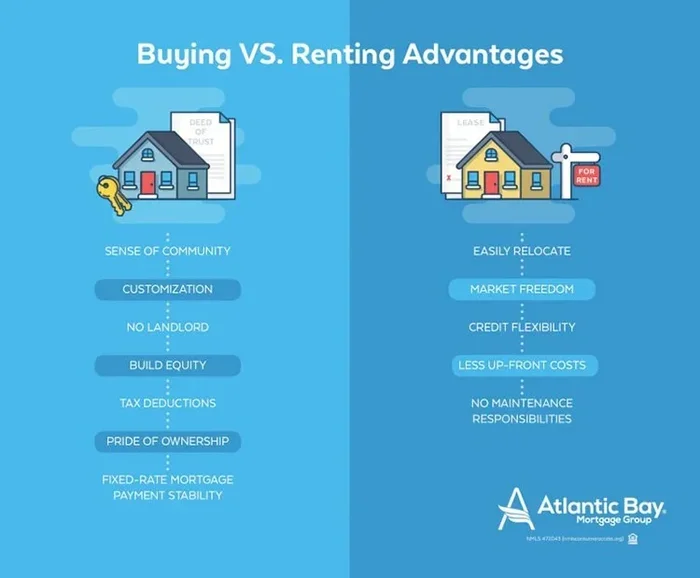
Buying a home is a big financial step that offers stability and long-term equity. However, renting provides flexibility and fewer maintenance costs. This guide explores one good reason to buy a house and several reasons why you might wait. Understanding both sides helps you make the best choice for your future.
Owning a home is a dream for many people. It represents stability and success. But is it the right move for you? One good reason to buy a house is the ability to build equity. This means you own an asset that grows in value. Yet, there are valid reasons to wait. Renting offers freedom from repairs. It also allows you to move easily.
Financial decisions impact your future. You must weigh the costs carefully. A mortgage is a long-term commitment. Renting is often more flexible. This article breaks down the pros and cons. You will learn what to consider. Making the right choice brings peace of mind. Let’s explore the details together.
Key Takeaways
- Building Equity: Homeownership allows you to build wealth through equity over time.
- Maintenance Costs: Owners must pay for all repairs, unlike renters.
- Flexibility: Renting offers easier mobility for jobs or lifestyle changes.
- Market Risks: Property values can go down, affecting your investment.
- Monthly Costs: Mortgages often cost more than rent in some areas.
- Personal Stability: Owning a home provides a sense of permanence and control.
- Financial Readiness: You need savings for down payments and closing costs.
📑 Table of Contents
Understanding One Good Reason To Buy A House
Many people want to own property. It feels like a major milestone. One good reason to buy a house is stability. You do not have to worry about a landlord. You can paint the walls any color. You can change the floors. This freedom is valuable. It makes the space truly yours.
Another benefit is community. Homeowners often stay longer. They get to know their neighbors. This builds a stronger support network. You feel more connected to the area. Schools and local shops become familiar. This sense of belonging matters. It improves your quality of life.
Here are some top benefits of buying:
- Control Over Space: You decide on renovations and decor.
- Community Ties: You build long-term relationships with neighbors.
- Potential Appreciation: Property values often rise over decades.
- Fixed Mortgage Payments: Your principal and interest stay the same.
Building Equity Over Time
Equity is the value you own. It grows as you pay the mortgage. It also grows if the home value increases. This is a form of forced savings. You build wealth without trying hard. Rent payments do not offer this benefit. You pay to live there. You do not own anything at the end.
Think of it like an investment. You put money in every month. Eventually, you have a valuable asset. You can sell it later. You can use the money for retirement. This is a key financial advantage. It helps secure your future. Long-term equity is a powerful tool.
Tax Benefits and Deductions
Homeowners often get tax breaks. You might deduct mortgage interest. You might deduct property taxes. This lowers your taxable income. It saves you money at tax time. These benefits make buying more affordable. They offset some of the costs. Always check current tax laws. Rules can change over time.
Financial Costs of Homeownership
Buying a home costs a lot of money. It is not just the purchase price. You need cash for the down payment. This is usually a large sum. You also need money for closing costs. These fees add up quickly. You must have savings ready.
Monthly payments are higher too. A mortgage includes principal and interest. You also pay property taxes. You must pay homeowners insurance. These costs can exceed rent. You need to budget carefully. Make sure you can afford it.
Here is a comparison of costs:
| Expense | Homeowner | Renter |
|---|---|---|
| Monthly Payment | Mortgage, Tax, Insurance | Rent |
| Maintenance | 100% Owner Responsibility | Landlord Responsibility |
| Upfront Cost | Down Payment + Closing Costs | Security Deposit |
| Utilities | Often Owner Paid | Sometimes Included |
Maintenance and Repair Bills
Things break in every house. Roofs leak. Water heaters fail. Appliances stop working. As a homeowner, you pay for these fixes. There is no landlord to call. You need an emergency fund. This fund covers unexpected repairs. It protects your budget.
Maintenance is ongoing. You must mow the lawn. You must clean the gutters. You must service the HVAC system. These tasks take time and money. Neglecting them causes bigger problems. Regular care keeps the home valuable. It prevents costly issues later.
Property Taxes and Insurance
Taxes vary by location. Some areas have high rates. These taxes fund local schools and roads. You must pay them every year. Insurance is also required. Lenders want protection for their investment. Homeowners insurance covers damage. It protects your equity. Both costs add to your monthly burden.
Reasons Not To Buy A House Yet
Buying is not always the best choice. Sometimes renting is smarter. Reasons not to buy a house include job instability. If you might move soon, buy later. Selling a home takes time. It costs money too. Moving frequently makes owning difficult.
Your credit score matters too. A low score means higher rates. You might not qualify for a loan. Work on your credit first. Save more money for a down payment. A larger down payment lowers monthly costs. It also reduces private mortgage insurance.
Consider these situations where renting wins:
- Short-Term Plans: You plan to move in less than five years.
- High Debt: You have student loans or credit card debt.
- Uncertain Income: Your job security is low.
- Market Conditions: Home prices are very high in your area.
Job Mobility and Flexibility
Careers often require relocation. You might get a better offer elsewhere. Renting allows you to move quickly. You just give notice to the landlord. Selling a home takes months. It involves real estate agents. You pay commissions on the sale. This reduces your profit.
Flexibility is valuable in young careers. You can chase better opportunities. You are not tied to one location. This freedom helps your professional growth. It reduces stress about moving. Renting supports a dynamic lifestyle.
Market Risks and Value Drops
Real estate markets change. Prices do not always go up. Sometimes values drop. You could owe more than the home is worth. This is called being underwater. It makes selling very hard. You might lose money on the sale. Investing in property carries risk.
Economic factors affect prices. Interest rates change. Local job markets shift. A factory closing can lower home values. You cannot control these factors. You must be prepared for volatility. Timing the market is difficult. Patience is often required.
Lifestyle Factors to Consider
Your lifestyle plays a big role. Do you like fixing things? Some people enjoy home projects. Others hate them. If you dislike repairs, renting is better. You want to relax after work. You do not want to fix a toilet.
Think about your social life. Homeowners often stay in more. They have less flexibility for travel. Renters can travel easily. They do not worry about the house. This suits active lifestyles. It suits people who love to explore.
Relationships also matter. If you are dating, stability helps. But pressure can hurt bonds. Some people rush into buying together. This can cause stress. It is better to know each other first. Emotional needs you should never ignore in a relationship include communication and trust. Buying a home adds pressure. Make sure you are ready together.
Personal Stability and Mental Health
A stable home helps mental health. You have a safe space. You control your environment. This reduces anxiety. However, financial stress increases anxiety. If the mortgage is too high, you worry. Balance is key. You need peace of mind.
Sometimes life feels chaotic. A home can be a sanctuary. It is a place to recharge. But only if it fits your budget. Financial strain ruins the peace. You want comfort, not worry. Assess your mental readiness. Are you ready for this responsibility?
Preparing for the Purchase
If you decide to buy, prepare well. Check your finances first. Save for a down payment. Aim for at least twenty percent. This avoids extra insurance costs. Improve your credit score. Pay bills on time. Lower your debt-to-income ratio.
Get pre-approved for a loan. This shows sellers you are serious. It tells you your budget. You know what you can afford. Do not look at homes above your limit. Stick to your numbers. This prevents disappointment later.
Follow these steps to get ready:
- Check Credit Report: Fix any errors on your report.
- Save Aggressively: Cut unnecessary expenses to save faster.
- Get Pre-Approved: Know your exact borrowing limit.
- Research Areas: Look for neighborhoods with good schools.
Long-Term Financial Planning
Think about your future goals. Do you want children? Do you want to retire early? Buying a home affects these plans. It ties up a lot of cash. You might have less for investing elsewhere. Diversify your assets. Do not put all money in one house.
Consider your income growth. Will you earn more later? This helps with mortgage payments. But do not count on raises. Plan based on current income. This keeps you safe. How to stay healthy and positive in personal challenges involves realistic planning. Financial stress is a major challenge. Plan wisely to avoid it.
Conclusion
Deciding to buy is personal. One good reason to buy a house is building wealth. But there are many reasons not to buy. Renting offers freedom and flexibility. It costs less upfront. You avoid maintenance headaches. Homeownership offers stability and control. It builds equity over time.
You must look at your life. Are you ready to settle down? Do you have savings? Is your job stable? These questions matter. There is no wrong answer. Both choices have value. Choose what fits your goals. Your future self will thank you.
Take your time. Do not rush the decision. Talk to financial advisors. Talk to friends who own homes. Gather all the information. Then make your choice. Whether you buy or rent, own your decision. Live with confidence and joy.
Frequently Asked Questions
Is buying a house better than renting?
It depends on your goals. Buying builds equity but costs more upfront. Renting offers flexibility and fewer maintenance costs. Both have valid benefits for different lifestyles.
What is one good reason to buy a house?
The best reason is building long-term equity. You own an asset that can grow in value. This helps secure your financial future over time.
When should I not buy a house?
You should wait if you plan to move soon. Also, wait if you have high debt. Unstable income is another reason to hold off.
How much money do I need to buy?
You need a down payment and closing costs. This is often tens of thousands of dollars. Save aggressively before applying for a loan.
Does renting mean I am throwing money away?
No, you are paying for shelter and flexibility. Renting avoids repair costs and property taxes. It is a valid financial choice for many people.
How does buying affect my credit score?
A mortgage adds to your credit mix. Paying it on time improves your score. Missing payments can hurt your credit significantly.