
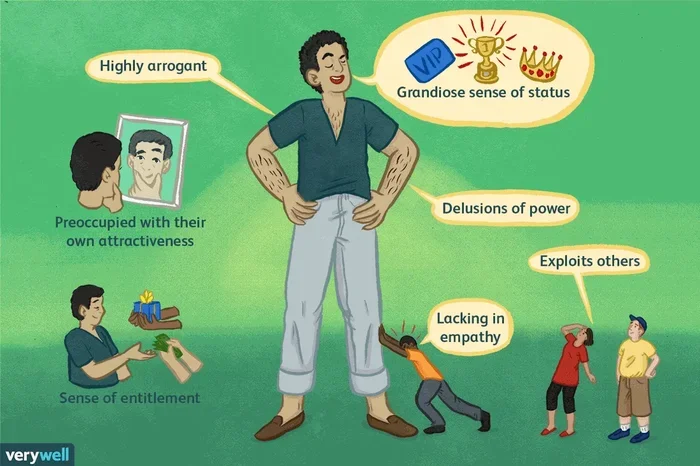
Dealing with a narcissistic sociopath feels confusing, draining, and emotionally heavy. You might constantly question your own reality while they manipulate situations to stay in control. This guide reveals 26 clear behaviors to watch for and gives you practical steps to protect your peace. You deserve relationships built on respect, not fear.
This is a comprehensive guide about Narcissistic Sociopath 26 Things They Do And How To Deal With Them.
Key Takeaways
- Spot the patterns early: A narcissistic sociopath relies on manipulation, gaslighting, and emotional control to dominate relationships.
- Trust your instincts: If you feel constantly drained, confused, or blamed, your gut is likely warning you about toxic behavior.
- Set firm boundaries: Clear limits protect your mental health and stop manipulative cycles from continuing unchecked.
- Stop chasing validation: These personalities rarely offer genuine empathy, so seeking their approval usually backfires.
- Document reality: Keeping notes helps you counter gaslighting and remember what actually happened.
- Protect your support system: Stay connected with trusted friends, family, or professionals who can ground you.
- Plan your exit carefully: Leaving a high-conflict relationship often works best with a calm, strategic approach.
[FEATURED_IMAGE_PLACEHOLDER]
Introduction
Some relationships feel like walking on eggshells from the very first day. You try to be kind, patient, and understanding, yet something still feels off. The other person may charm everyone around them while leaving you feeling small, confused, or constantly at fault. That painful mix of attraction and exhaustion can be a sign that you are dealing with a narcissistic sociopath.
This is not about labeling someone to be cruel. It is about recognizing patterns that damage your mental health and your sense of reality. When someone repeatedly twists conversations, avoids accountability, and uses people as tools, it can leave you questioning everything. You may start wondering whether you are too sensitive, too demanding, or simply not trying hard enough.
The truth is simpler and harder at the same time. You cannot fix a personality pattern that depends on control, superiority, and emotional manipulation. What you can do is learn the warning signs, protect your energy, and choose responses that keep you safe. That is exactly what this guide will help you do.
What Makes a Narcissistic Sociopath Different
A narcissistic sociopath combines traits from two difficult personality patterns. One side craves admiration, control, and constant attention. The other side shows little concern for other people’s feelings, rules, or consequences. Together, those traits can create a person who is highly manipulative, charming on the surface, and emotionally dangerous underneath.
This combination can be especially confusing because the behavior often shifts. They may be warm and engaging when they want something. Then they can become cold, dismissive, or punishing when you set a limit. That swing makes it hard to trust your own judgment. You may keep trying to find the “nice version” of them, even when the hurtful behavior keeps returning.
It helps to remember that personality patterns exist on a spectrum. Not everyone who acts selfishly or arrogantly fits this description. But when manipulation, lack of remorse, and control appear again and again, the impact on your life becomes the real issue. The focus should stay on what you are experiencing and how to respond.
Charm That Feels Too Perfect
At first, the relationship may feel unusually intense. They might compliment you often, mirror your interests, or move very quickly. That early charm can feel flattering and exciting. It can also create a false sense of certainty, which makes later manipulation even more disorienting.
Control Disguised as Confidence
Confidence is attractive, but control is not the same thing as strength. A narcissistic sociopath may make decisions for you, dismiss your preferences, or act as if their view is the only reasonable one. Over time, this can shrink your voice in the relationship.
26 Things They Do and How to Spot Them
Recognizing repeated behaviors can help you stop blaming yourself for the chaos. Below are 26 common patterns that often show up in high-conflict, manipulative relationships. You may not see every single one, but a recurring pattern is what matters most.
1. Love Bombing Early On
They may overwhelm you with affection, gifts, or attention in the beginning. This creates a strong emotional bond fast, which can make it harder to step away later.
2. Quick Shifts to Criticism
Once they feel secure, the tone may change. Small mistakes suddenly become major flaws. You may feel like nothing you do is ever quite right.
3. Gaslighting Your Reality
They deny things they said or done, even when you remember clearly. This can make you second-guess your memory and trust their version instead.
4. Blame Shifting Constantly
When problems come up, they rarely take responsibility. The fault usually ends up on your shoulders, even if you were not the one who caused the issue.
5. Using People for Image
They may treat people as tools for status, convenience, or validation. Friends, partners, and family can feel used when the attention stops.
6. Playing the Victim
Even when they hurt you, they may claim they are the one being mistreated. This flips the story and makes you feel guilty for defending yourself.
7. Lack of Real Empathy
They may say the right words, but their actions do not match. When you are in pain, they might seem indifferent, impatient, or focused on themselves.
8. Testing Your Boundaries
If you say no, they may push, tease, or punish you for it. Boundaries are not respected as limits; they are treated like challenges.
9. Controlling Conversations
They may interrupt, redirect, or turn every topic back to themselves. Your perspective gets minimized while their narrative stays central.
10. Triangulating People Against You
They might bring another person into the conflict to validate their side. This creates pressure and makes you feel outnumbered.
11. Hot and Cold Behavior
One day they are warm and attentive. The next day they are distant or sharp. That unpredictability keeps you working hard for approval.
12. Making Jokes at Your Expense
Sarcasm or teasing can hide cruelty. If you object, they may say you are too sensitive or cannot take a joke.
13. Isolating You Slowly
They may criticize your friends, question your family, or make you feel guilty for spending time elsewhere. Isolation grows quietly, not all at once.
14. Rewriting Shared History
Past events get reshaped to make them look better and you look worse. Over time, the story of the relationship may no longer feel like yours.
15. Punishing Small Mistakes
A tiny error can trigger a big reaction. The punishment may be silence, sarcasm, withdrawal, or an angry lecture.
16. Demanding Special Treatment
They may expect exceptions, privileges, or constant deference. Ordinary fairness can feel insulting to them.
17. Using Guilt as a Tool
They might remind you of everything they have done for you, then act as if you owe them compliance. Guilt becomes a way to control your choices.
18. Ignoring Your Needs
Your feelings, schedule, and limits may be treated as inconvenient. Their wants come first, even when your life is affected.
19. Projecting Their Flaws Onto You
Traits they dislike in themselves may show up in their accusations against you. You end up defending against problems you did not create.
20. Creating Crisis to Stay Central
They may stir up drama so you have to focus on them. Calm moments can feel boring, while chaos becomes the norm.
21. Withholding Affection as Punishment
Warmth may disappear when you displeased them. That withdrawal teaches you to behave a certain way just to regain connection.
22. Acting Entitled in Everyday Life
They may expect others to wait, accommodate, or yield to them. The sense of superiority can show up in small, ordinary moments.
23. Lying Even When Unnecessary
Dishonesty may happen without a clear benefit. The truth can seem less important than maintaining control of the story.
24. Devaluing Your Achievements
Your success may be minimized, ignored, or turned into competition. Instead of support, you get comparison or dismissal.
25. Refusing to Apologize Meaningfully
Any apology may sound fake, rushed, or followed by a reason why you caused it. Real accountability is rare.
26. Making You Feel Trapped in the Cycle
After enough push and pull, you may stay because the good moments feel rare and precious. The cycle itself becomes exhausting and hard to leave.
How to Deal With a Narcissistic Sociopath
Once you see the pattern, the goal changes. You are no longer trying to win their approval or prove your worth. You are learning how to protect yourself, reduce harm, and make clear decisions. Dealing with a narcissistic sociopath is less about changing them and more about changing your response.
Keep Your Expectations Realistic
Do not expect empathy to appear on demand. Do not expect apologies to become consistent. Do not expect fairness to suddenly replace control. When you stop waiting for a version of them that rarely shows up, you save energy and reduce disappointment.
Stay Calm and Brief
Long explanations often give them more material to twist. Short, steady responses can reduce drama. You do not need to overjustify every decision. A simple “That does not work for me” can be enough.
Do Not JADE Too Much
JADE stands for justify, argue, defend, and explain. With manipulative people, too much explanation can turn into a debate that never ends. Keep your points clear and repeat them if needed. You are allowed to hold a boundary without winning a courtroom trial.
Protect Your Reality
Write things down when important conversations happen. Save messages if needed. Talk to someone trustworthy who can help you stay grounded. Gaslighting works best when you are isolated with your doubts.
Limit Emotional Exposure
Share less personal information if it gets used against you later. Keep sensitive topics guarded when the person has shown they can weaponize them. This is not about becoming cold; it is about being wise.
Plan for Pushback
When you change the rules, the other person may escalate. They might sulk, accuse you, or suddenly become extra charming. Expect resistance and do not mistake it for proof that you are wrong.
Setting Boundaries Without Losing Yourself
Boundaries are not punishments. They are instructions for how you will allow people to treat you. With a narcissistic sociopath, boundaries may be tested, mocked, or ignored at first. That does not mean they are wrong. It often means they matter.
Be Specific and Direct
Vague limits are easy to violate. Clear limits are easier to enforce. Instead of saying “I need space,” try “I will not answer calls after 9 p.m.” Specificity removes confusion.
Follow Through Every Time
A boundary without action is only a suggestion. If you say you will leave the room when yelling starts, you have to actually leave the room. Consistency teaches people what to expect from you.
Stop Rewarding Bad Behavior
If every conflict ends with you apologizing just to keep peace, the pattern learns that pressure works. Try breaking the cycle by staying calm and not giving in to unsafe demands.
Use the Gray Rock Approach When Needed
When engagement only fuels drama, become uninteresting in conflict. Give short answers. Keep your tone neutral. Do not feed emotional outbursts with emotional reactions. This can reduce the reward they get from provoking you.
Know When Distance Is the Healthiest Boundary
Sometimes the best boundary is less contact or no contact. You do not have to stay available to someone who repeatedly disrespects your safety or peace. Distance can be an act of self-respect.
Protecting Your Mental Health While You Navigate It
High-conflict relationships can wear down your confidence, sleep, focus, and sense of self. Protecting your mental health matters because you cannot make good decisions when you are constantly depleted. Small habits can help you stay anchored.
Reconnect With Your Own Thoughts
Manipulation thrives when you lose trust in your own mind. Journaling, quiet walks, and time alone can help you hear your own voice again. Ask yourself what you actually feel, not what you have been told to feel.
Build a Reality Check Support System
Talk to people who are not under the same influence. A trusted friend, family member, counselor, or support group can help you notice patterns you might miss alone. Outside perspective is valuable when your world feels distorted.
Reduce the Emotional Load
You do not need to carry every conversation, every apology, and every crisis. Let some things go. Pick your battles. Save your energy for the issues that truly affect your safety and well-being.
Take Care of the Body Behind the Stress
Sleep, food, movement, and rest all matter more than people think. Stress is not just emotional. It lives in the body too. Basic self-care helps you stay steadier when things feel intense.
Seek Professional Support If You Need It
If you feel stuck, anxious, or unsure whether you are being abused, a mental health professional can help you sort it out. You do not have to wait until things get unbearable. Support is useful even when you are still trying to understand the situation.
Common Mistakes People Make
When you are trying to cope with a difficult personality, it is easy to fall into traps that make things harder. Avoiding these mistakes can save you time, pain, and confusion.
- Trying to reason them into empathy: If empathy is not showing up, more logic usually will not create it.
- Over-explaining your boundaries: You do not need a perfect speech to protect your limits.
- Blaming yourself for their behavior: Their choices are still their choices, even if they blame you for them.
- Waiting for one big apology to fix everything: A single nice moment does not erase a long pattern.
- Isolating yourself to keep the peace: Silence often helps the manipulation grow stronger.
- Assuming you can earn a healthy version of them: You cannot love someone into fundamental change.
When to Step Back and When to Walk Away
Not every difficult relationship ends the same way. Sometimes you can reduce contact and create a calmer dynamic. Other times, the healthiest choice is to leave. The right answer depends on your safety, your energy, and the pattern you have lived through.
If the relationship keeps damaging your self-trust, your health, or your freedom, that is important information. You do not need to wait for a dramatic crisis to decide you deserve better. A slow, steady decline in your well-being is already a signal.
If you choose to leave, make a plan that protects your peace. Keep your communication simple. Stay focused on your next step, not on winning the last argument. If you live with the person or share complex responsibilities, extra caution may be needed. In those cases, outside support can be especially helpful.
If you are navigating a breakup with someone you live with, practical logistics matter as much as emotional ones. You may need help thinking through housing, shared items, and daily routines. You can read how to break up with someone you live with for more guidance on handling that transition carefully.
Final Thoughts on Dealing With a Narcissistic Sociopath
Living with or loving a narcissistic sociopath can leave you feeling tired, confused, and unfairly blamed. The hardest part is often not the conflict itself, but the way it can make you doubt your own judgment. Once you recognize the pattern, you can stop chasing impossible fixes and start protecting your life.
Remember that your goal is not to become perfect enough to earn respect. Your goal is to stop giving away your power to someone who uses it against you. Clear boundaries, outside support, and a realistic view of the relationship can help you regain stability. You deserve connections that feel honest, safe, and mutual.
Frequently Asked Questions
What are the biggest signs of a narcissistic sociopath?
The biggest signs are repeated manipulation, lack of empathy, blame shifting, and a strong need for control. You may notice charm that disappears once you set limits or disagree. The pattern matters more than one isolated behavior.
Can a narcissistic sociopath change with love and patience?
Real change is difficult because these patterns are deeply tied to control and self-protection. Love and patience are valuable, but they do not automatically create empathy or accountability. It is usually healthier to focus on your boundaries than on fixing them.
How do I protect myself from gaslighting?
Keep notes, save messages, and talk to someone trustworthy who can confirm what happened. Write down your memories soon after important events. A clear record helps you stay grounded when your reality is being questioned.
Should I keep explaining my boundaries if they keep crossing them?
You can state your boundary clearly once or twice, but constant explaining often feeds more conflict. If the boundary is still ignored, the issue is not your wording. It is their refusal to respect your limit.
What is the gray rock method and when is it useful?
The gray rock method means keeping your responses brief, calm, and emotionally neutral during conflict. It is useful when a person thrives on drama or tries to pull you into arguments. The goal is to reduce the emotional reward they get from provoking you.
When should I consider leaving the relationship?
You should consider leaving if the relationship keeps harming your mental health, safety, or sense of self. If you feel trapped, drained, or constantly afraid of saying the wrong thing, that is a serious sign. You do not need to wait for a worst-case moment to choose yourself.
