
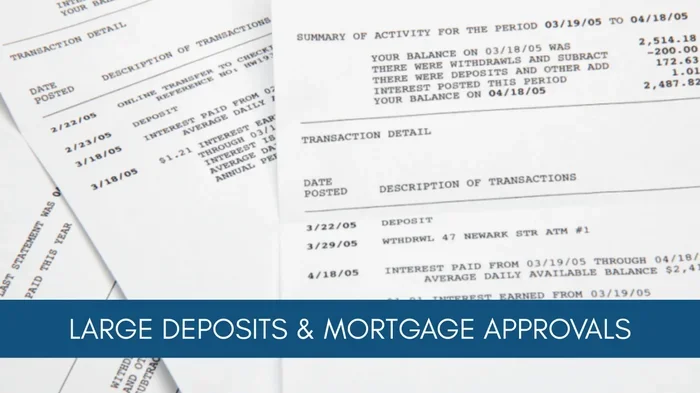
A mortgage with no job but large deposit is possible, but lenders will look closely at your assets, credit, and overall financial health. You can still get approved if you show stable reserves, strong credit, and a clear plan for future income. Understanding how banks evaluate deposits and alternative income helps you prepare a stronger application.
Buying a home usually feels tied to one big requirement: a steady job. Most people picture pay stubs, W-2s, and a regular paycheck before a lender says yes. But life does not always follow that script. Maybe you are between jobs, taking time off, building a business, or relying on savings and investments instead of traditional employment. In those situations, a mortgage with no job but large deposit can still feel possible, especially if you have substantial savings set aside.
The good news is that some lenders do look beyond standard employment. They may focus on your overall financial picture, including cash reserves, credit history, and any other income sources you have. The challenge is that the process can be more selective. Lenders still want confidence that you can make monthly payments, even if your income looks different from the usual nine-to-five arrangement.
If you are wondering whether a large deposit can help you qualify, the answer is yes, it can matter a lot. But it is only one part of the puzzle. This guide explains how lenders think, what they look for, and how you can improve your chances of approval when employment is not part of the picture.
Key Takeaways
- Asset-based lending exists: Some lenders will consider a large deposit as proof you can cover payments, even without a traditional job.
- Credit still matters: A strong credit score improves your chances and may unlock better rates, even when employment is limited.
- Reserves are key: Lenders want to see enough savings to cover several months of mortgage payments after closing.
- Alternative income helps: Freelance work, investments, rental income, or support payments can strengthen your application.
- Documentation is critical: Bank statements, proof of deposits, tax returns, and letters of explanation can make or break approval.
- Expect stricter terms: No-job mortgages may come with higher rates, larger down payments, or extra conditions.
- Plan ahead: Reducing debt, organizing records, and speaking with a knowledgeable lender can improve your odds.
📑 Table of Contents
How a Mortgage With No Job But Large Deposit Works
A mortgage with no job but large deposit usually means the lender is evaluating your ability to repay based on assets and financial stability rather than a standard employment record. In simple terms, the bank wants to know whether your savings, investments, or other resources can support the loan if regular income is not currently coming in.
This approach is sometimes called asset-based qualification or reserve-based underwriting, depending on the lender and loan program. The exact rules vary. Some lenders may still want to see future income potential. Others may focus heavily on how much money you have available after closing. A large deposit can help show that you have the capacity to cover payments for a while, which can reduce the lender’s risk.
Still, a big bank balance alone may not guarantee approval. Lenders often look at the full context. They may ask where the deposit came from, how long it has been in your account, and whether it is likely to remain available. They also care about your credit behavior, debt levels, and the size of the loan compared with your assets.
Why a Large Deposit Can Matter
A large deposit can work in your favor because it shows liquidity. Liquidity means you have accessible money that could be used for payments if needed. For a lender, that can be reassuring. It suggests you may be able to handle unexpected costs, repair bills, or a temporary gap in income.
A deposit can also help with the down payment and closing costs. The more you can put down, the less the lender may worry about the loan balance relative to the home’s value. That can make the loan look safer overall. In some cases, a strong down payment can offset other concerns, including limited employment history.
That said, lenders may also want to understand the source of the deposit. If the money came from savings, investments, a gift, or another clear source, documentation can help. If the deposit appears suddenly without explanation, the lender may ask more questions. Clean paperwork matters here.
When This Path Makes the Most Sense
This route may be more realistic if you have several strengths working together. For example, it may help if you have:
- Significant cash reserves after the down payment and closing costs
- A strong credit score with a consistent payment history
- Low existing debt so your monthly obligations stay manageable
- Another income source, such as freelance work, investments, or rental income
- A clear explanation for your employment situation and future plans
If these pieces line up, a lender may be more willing to review your application seriously. The deposit becomes part of a broader story about financial stability, not just a single number in your account.
What Lenders Look for When You Have No Job
Even when employment is limited, lenders still evaluate risk. They want to know whether you can keep up with payments over time. A mortgage with no job but large deposit does not remove the need for financial responsibility. It simply shifts the focus toward other signs of stability.
Here are some of the main things lenders often consider:
- Credit history: Your score, payment record, and existing credit accounts can show how you manage debt.
- Cash reserves: Money left over after closing can matter a lot, especially if it covers several months of payments.
- Debt-to-income picture: Lenders may still look at your monthly obligations compared with available income or assets.
- Loan size: A smaller loan may be easier to justify when employment is unclear.
- Down payment: A larger down payment can reduce the lender’s exposure.
- Source of funds: Lenders may want to trace large deposits and confirm they are truly available to you.
Credit Score and Payment History
Your credit profile often becomes even more important when your job situation is unusual. A solid credit score can suggest that you have handled debt responsibly in the past. On-time payments, low credit card balances, and limited recent delinquencies can all help.
If your credit has issues, such as missed payments, collections, or high balances, those concerns may stand out more when employment is also uncertain. That does not mean approval is impossible, but it may mean the lender needs more reassurance. In that case, a larger deposit and strong reserves can be especially useful.
Reserves and Cash After Closing
Reserves are the funds you still have access to after buying the home. Some lenders like to see enough to cover a few months of mortgage payments, taxes, insurance, and other housing costs. This can be a major advantage when you do not have a traditional job lined up.
Think of reserves as a cushion. They show that even if something changes, you have a buffer. That buffer can make lenders more comfortable, especially if the rest of your application is strong.
How to Strengthen Your Application
If you want to improve your odds, preparation matters. A mortgage with no job but large deposit is not usually a last-minute application. It often works best when you organize your finances before you apply. Here are practical steps that can help.
Gather clear documentation. Lenders may ask for bank statements, proof of the deposit, tax returns, investment records, and any supporting paperwork for alternative income. Having these ready can make the process smoother.
Prepare a letter of explanation. If you are not currently employed, a clear, honest letter can help. You might explain whether you are between roles, taking a planned break, transitioning to self-employment, or relying on savings for a specific reason. The goal is not to oversell your situation, but to make it understandable.
Reduce unnecessary debt. Lowering balances before applying can improve your overall financial picture. It may also reduce monthly obligations, which can help your application feel less risky.
Keep your deposit paper trail clean. If the money came from savings, a gift, or the sale of an asset, be ready to show that path. Sudden, unexplained deposits can raise questions, so documentation is helpful.
Speak with a lender early. Not every lender handles nontraditional employment the same way. Some may be more flexible than others. Talking to a professional before you submit an application can save time and help you target the right options.
Alternative Income Sources That May Help
Even if you do not have a standard job, other income can sometimes support your application. Depending on the lender, you may be able to reference:
- Freelance or contract work
- Self-employment income
- Investment or dividend income
- Rental income
- Retirement, pension, or trust distributions
- Support payments, if applicable and documented
These sources may not replace a traditional paycheck in the lender’s eyes, but they can show additional capacity to handle housing costs. The key is documentation. If you can show consistent patterns, that helps more than a one-time payment.
Practical Example
Imagine you have saved a sizable amount from previous work and investments. You are not currently employed full-time, but you have enough for a strong down payment and several months of reserves. Your credit score is good, and your debt is low. You also do some occasional consulting that brings in a modest amount of income.
In that case, a lender may see a more complete picture. The large deposit helps with the purchase and reserves. The credit profile shows responsibility. The consulting income adds another layer. You may still face extra scrutiny, but the application is far stronger than it would be with a deposit alone.
Loan Options That May Fit This Situation
Different loan programs handle nontraditional employment in different ways. There is no single answer that fits everyone, but it helps to understand the general types of paths people explore when they need a mortgage with no job but large deposit.
Conventional loans often follow stricter documentation standards, but they may still be possible if your assets, credit, and reserves are strong enough. Government-backed loans can sometimes offer more flexibility, depending on the program and your overall qualifications. Asset-focused approaches may be available through certain lenders who are willing to weigh reserves more heavily.
The right option depends on your full financial picture. A smaller loan may be easier to qualify for. A larger down payment may open more doors. And in some cases, a co-borrower or additional documentation can improve the application.
Comparing Common Considerations
The table below gives a general overview of factors that often matter in this situation. It is not a promise of approval, but a simple way to compare what lenders may weigh.
| Factor | Why It Matters | What Helps Most |
|---|---|---|
| Cash reserves | Shows ability to cover payments after closing | Several months of housing costs left over |
| Credit profile | Reflects past debt management | Strong score and on-time payment history |
| Down payment | Reduces loan amount and lender risk | A larger down payment from verified funds |
| Source of deposit | Confirms the money is truly available | Clear records and documentation |
| Other income | Adds support for repayment ability | Documented freelance, rental, or investment income |
Common Challenges and How to Handle Them
This path can work, but it is not always smooth. Knowing the common hurdles ahead of time can help you prepare better. A mortgage with no job but large deposit may face more questions, more paperwork, and sometimes stricter terms.
One challenge is explaining your employment gap or current status. Lenders may worry about future income stability. A clear explanation and a realistic plan can help reduce that concern. Another challenge is proving that your deposit is genuinely yours and available for the mortgage. That is why organized records matter.
You may also encounter higher scrutiny around your overall budget. Lenders may look closely at monthly expenses, existing debts, and how much house you can comfortably afford. Staying within a realistic price range can make the process easier.
Mistakes That Can Weaken Your Application
A few common mistakes can make a tough situation even harder. Watch out for these:
- Moving large sums without documentation
- Leaving new debt on your credit report before applying
- Changing your financial story during the process
- Applying for a loan amount that stretches your reserves too thin
- Skipping the step of talking to a lender early
Each of these can create delays or raise doubts. The more stable and transparent your application looks, the better.
Expert Insight
From a practical standpoint, lenders are usually less interested in the label “no job” than in the bigger question: can you reliably meet your obligations? A large deposit can help answer that question, but it works best when paired with good credit, low debt, and a believable financial plan. If you can show that your money is real, accessible, and sufficient, you give yourself a much stronger position.
Final Thoughts on a Mortgage With No Job But Large Deposit
A mortgage with no job but large deposit is not a guaranteed path, but it is a real possibility for some buyers. The deposit can play an important role by showing liquidity, supporting the down payment, and leaving reserves for future payments. Still, lenders will usually look at the whole picture, including credit, debt, documentation, and any other income you may have.
If you are considering this route, the best move is to prepare carefully. Organize your records, understand your reserves, and be ready to explain your situation clearly. A strong application is not just about having money in the bank. It is about showing that the money is legitimate, sufficient, and part of a stable financial plan.
If you take one thing from this guide, let it be this: a large deposit can open a door, but preparation keeps it open. The more clearly you can demonstrate financial reliability, the better your chances of moving forward with confidence.
Frequently Asked Questions
Can I get a mortgage if I do not have a job right now?
Yes, it is sometimes possible, especially if you have strong savings, good credit, and enough reserves to show you can handle payments. Lenders may still want documentation and a clear explanation of your situation.
Does a large deposit guarantee mortgage approval?
No, a large deposit helps but does not guarantee approval on its own. Lenders also look at credit history, debt, loan size, and the source of the funds before making a decision.
What kind of documentation do lenders want for a no-job mortgage?
They often want bank statements, proof of the deposit, tax returns, and any records of alternative income. A letter explaining your employment status can also be helpful.
Can savings alone be used to qualify for a home loan?
In some cases, savings and reserves can play a major role in qualification. However, lenders usually consider the full financial picture, not just the balance in your account.
Will I need a bigger down payment if I am not employed?
Possibly. A larger down payment can reduce the lender’s risk and improve your chances, especially when employment is limited or nontraditional.
Should I pay off debt before applying with a large deposit?
Often, yes. Lower debt can improve your overall financial profile and may make your application look stronger, especially when you do not have a regular paycheck.
