
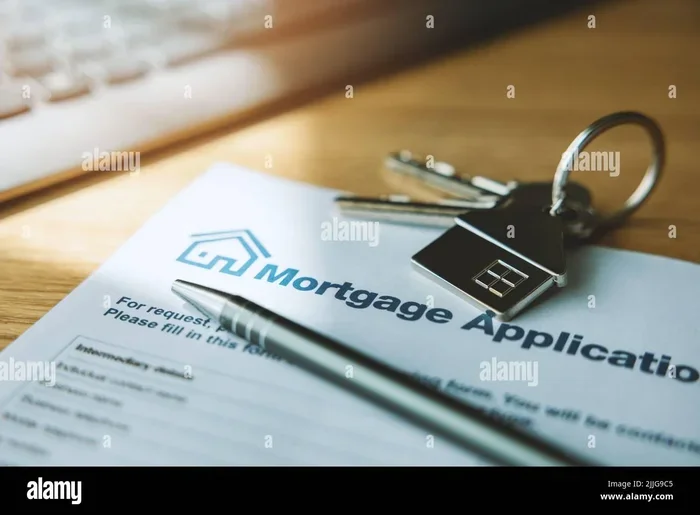
A Mortgage Loan For More Than Purchase Price lets you borrow extra funds beyond the home’s cost. This guide breaks down cash-out refinances, renovation loans, and key risks in simple terms. You will learn when this strategy makes sense and how to protect your finances.
Key Takeaways
- Extra borrowing is possible: Certain loan programs allow you to finance more than the home price for repairs or cash needs.
- Loan types matter: Cash-out refinances, FHA 203(k) loans, and construction-to-permanent loans handle extra funds differently.
- Equity and appraisals drive approval: Lenders check home value, debt-to-income ratio, and credit score before approving extra amounts.
- Closing costs add up: Borrowing more often means higher fees, so compare total loan costs, not just monthly payments.
- Risk management is essential: Higher balances increase monthly payments and reduce financial flexibility if rates rise.
- Professional guidance helps: A trusted loan officer or housing counselor can match your goals to the right program.
📑 Table of Contents
Understanding a Mortgage Loan For More Than Purchase Price
Buying a home usually means borrowing exactly what the property costs. Sometimes, buyers need extra money for repairs, moving costs, or other expenses. That is where a Mortgage Loan For More Than Purchase Price comes into play. This approach lets you secure financing that covers the home price plus additional funds. It sounds simple, but lenders have strict rules. They want to know how you will use the extra money and whether the home supports the total loan amount.
People often look for this option when a house needs work. Older homes may have outdated kitchens, leaky roofs, or worn flooring. Buyers who want to move in quickly may not have cash saved for repairs. Others may want a small cash reserve after closing. A Mortgage Loan For More Than Purchase Price can help in these situations, but only if the loan program allows it. Not every lender offers this, and not every home qualifies.
You should also know that borrowing more than the purchase price changes your loan-to-value ratio. This ratio compares your loan amount to the home’s appraised value. When the loan grows larger, the ratio rises. A higher ratio can affect your interest rate and eligibility. That is why understanding the full picture matters before you apply.
When Extra Borrowing Makes Sense
Extra borrowing is not always the best choice. It works best when the added funds solve a real problem or create clear value. For example, a home may need urgent repairs to be safe or livable. In that case, financing those repairs with the mortgage can save time and stress. You avoid taking out a separate personal loan with a higher rate.
Another common reason is convenience. Some buyers prefer one loan instead of juggling a mortgage and a renovation loan. A single payment can be easier to manage. Still, convenience should not override cost. Always compare the total expense of borrowing more versus using savings or a smaller separate loan.
A Mortgage Loan For More Than Purchase Price may also help when you plan to stay in the home long enough to build equity. If you plan to move soon, the extra debt may not pay off. The key is to match the loan to your goals. Ask yourself what the extra money will do for you. If the answer is clear and practical, the option may be worth exploring.
Common situations where buyers consider extra funds
- The home needs repairs before it is move-in ready.
- You want to cover closing costs without using savings.
- You need a small emergency buffer after buying.
- You plan to make improvements that increase home value.
Loan Options That Allow Borrowing Above the Price
Several loan programs can support borrowing beyond the purchase price. The right choice depends on your credit, the home’s condition, and how you plan to use the funds. A Mortgage Loan For More Than Purchase Price is not one single product. It is a strategy that different loans can support in different ways.
One common path is a cash-out refinance. This works after you already own the home or after closing on a purchase. You replace the existing loan with a larger one and receive the difference in cash. This option usually requires enough equity to support the higher balance. It is more common for homeowners than for buyers at closing.
Another path is a renovation loan. These loans bundle the purchase price and repair costs into one mortgage. They are useful when the home needs work before you move in. The lender often holds the repair money in escrow and pays contractors as work progresses. This keeps the project on track and protects your funds.
Some buyers also look at construction-to-permanent loans. These cover buying land, building a home, and converting the loan into a standard mortgage later. They can support costs beyond the base price when the project scope grows. Each program has its own rules, so it helps to compare them side by side.
Quick comparison of common options
| Loan Type | Best For | Key Consideration |
|---|---|---|
| Cash-out refinance | Homeowners with equity who want extra cash | Requires sufficient home value and equity |
| Renovation loan | Buyers purchasing a home that needs repairs | Repair funds are often managed through escrow |
| Construction-to-permanent | Buyers building or heavily remodeling a home | More paperwork and project oversight |
How Lenders Decide If You Qualify
Lenders do not approve extra borrowing just because you ask for it. They look at several factors before saying yes. A Mortgage Loan For More Than Purchase Price still must meet standard underwriting rules. The home’s appraised value plays a big role. If the property does not support the higher loan amount, the request may be denied.
Your credit score also matters. Strong credit usually opens more doors and can lead to better terms. Lenders review your debt-to-income ratio as well. This ratio shows how much of your income goes toward debt payments each month. If the larger loan pushes your payments too high, approval becomes harder.
The purpose of the extra funds can matter too. Some loan programs allow repair costs, while others focus on cash-out needs. Lenders may ask for estimates, contracts, or a clear plan for the money. The more organized you are, the smoother the process can feel.
Main factors lenders review
- Appraised home value and loan-to-value ratio
- Credit history and score
- Debt-to-income ratio
- Employment stability and income
- How the extra funds will be used
Costs, Risks, and Trade-Offs to Consider
Borrowing more than the purchase price can solve problems, but it also adds costs. A Mortgage Loan For More Than Purchase Price usually means a larger monthly payment. That higher payment can stretch your budget, even if the interest rate looks reasonable. You should always check the full monthly impact before moving forward.
Closing costs are another important piece. Larger loans can bring higher fees, and some programs have extra paperwork or inspection requirements. Renovation loans may include contractor reviews and milestone inspections. These steps protect both you and the lender, but they can add time and expense.
There is also risk in taking on more debt. If your income changes or interest rates rise later, a bigger loan can feel heavier. You may also have less flexibility for other goals, like saving for travel, emergencies, or future home projects. That does not mean the loan is bad. It means you should weigh the trade-offs carefully.
Common mistakes to avoid
- Borrowing extra without a clear spending plan
- Ignoring total closing costs and long-term payments
- Assuming the home will automatically support the higher loan
- Choosing a loan based only on the monthly payment
Smart Steps Before You Apply
Preparation makes a big difference. Start by defining exactly why you want the extra funds. A Mortgage Loan For More Than Purchase Price works best when the purpose is specific. Write down the costs you expect to cover, such as repairs, moving expenses, or closing costs. Clear numbers help you compare loan offers later.
Next, check your budget. Look at your income, current debts, and monthly expenses. Then estimate the new payment with the larger loan. Make sure the payment still leaves room for savings and everyday life. If the numbers feel tight, you may want to reduce the extra amount or wait until your finances are stronger.
It also helps to gather documents early. Lenders often ask for pay stubs, tax records, bank statements, and repair estimates when applicable. Having these ready can save time. You may also want to speak with more than one lender. Different lenders may offer different programs, fees, and timelines.
Quick tips for a smoother process
- Get a clear estimate of repair or extra costs first
- Compare at least two or three loan offers
- Ask how the funds will be released and tracked
- Confirm whether inspections or appraisals are required
- Read the closing disclosure carefully before signing
Final Thoughts on Borrowing Above the Purchase Price
A Mortgage Loan For More Than Purchase Price can be a useful tool when used carefully. It may help you buy a home that needs work, cover essential costs, or simplify your financing. At the same time, it increases your loan balance and your monthly responsibilities. The best choice depends on your goals, your budget, and the home itself.
If you are thinking about this route, take your time. Compare programs, understand the costs, and make sure the extra funds serve a clear purpose. When you approach the decision with a plan, you can move forward with more confidence. That way, the loan supports your home purchase instead of creating stress later.
Frequently Asked Questions
Can you really get a mortgage for more than the home price?
Yes, in some cases you can borrow more than the purchase price, but it depends on the loan program and the home’s value. Lenders usually require a clear purpose for the extra funds, such as repairs or approved closing costs.
What loan types allow borrowing above the purchase price?
Cash-out refinances, renovation loans, and certain construction-related loans may allow a higher total loan amount. Each option has different rules, so the best fit depends on your situation and how you plan to use the money.
Does borrowing more than the price affect my interest rate?
It can, because a larger loan may change your loan-to-value ratio and risk profile. A higher ratio can sometimes lead to a less favorable rate, so it is smart to compare the full loan terms, not just the amount borrowed.
Do lenders require an appraisal for these loans?
Often, yes. An appraisal helps the lender confirm the home’s value and determine whether the total loan amount is supported. If the appraised value comes in lower than expected, it can affect approval or the amount you can borrow.
Is a Mortgage Loan For More Than Purchase Price a good idea for repairs?
It can be a good idea if the repairs are necessary and the loan program allows repair financing. This approach may save you from using a separate high-rate loan, but you should still compare total costs and repayment terms carefully.
What should I check before applying for extra borrowing?
Review your budget, credit, debt-to-income ratio, and the expected use of the funds. It also helps to compare lenders, ask about fees, and understand how the extra money will be released and tracked during the loan process.
