
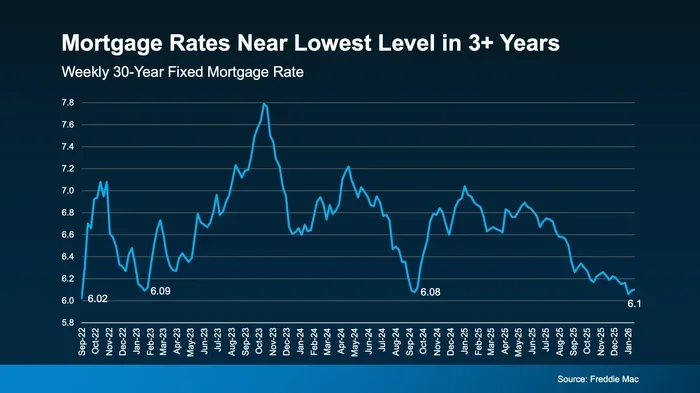
Finding the lowest mortgage interest rate ever can feel like striking gold, but timing the market is never simple. Homebuyers today face a mix of historic lows, shifting economic signals, and personal financial goals that shape the real picture. This guide breaks down what record-low rates actually mean, how they compare to past decades, and whether now truly offers the best window to lock in a loan. You will learn practical steps to secure the best deal, avoid common traps, and make a confident choice that fits your budget and long-term plans.
Key Takeaways
- Lowest mortgage interest rate ever moments create real savings but rarely last forever.
- Economic signals, inflation, and lender competition drive rate swings more than headlines suggest.
- Your credit score, down payment, and loan type matter just as much as the advertised rate.
- Locking in a rate early can protect you from sudden market jumps during the buying process.
- Comparing multiple lenders and reading the full loan estimate reveals the true cost of borrowing.
- Personal readiness, job stability, and housing needs should guide your decision more than rate chases.
- Working with a trusted loan officer helps you navigate options and avoid costly timing mistakes.
📑 Table of Contents
- Why the Lowest Mortgage Interest Rate Ever Matters to Buyers
- How Mortgage Rates Move and Why They Hit Bottoms
- What the Lowest Mortgage Interest Rate Ever Looks Like in Practice
- How to Lock in the Best Rate When the Market Dips
- Common Mistakes Buyers Make Around Historic Low Rates
- Expert Insights for Buyers Chasing the Lowest Mortgage Interest Rate Ever
- Conclusion
Why the Lowest Mortgage Interest Rate Ever Matters to Buyers
Homebuyers hear the phrase lowest mortgage interest rate ever and imagine a golden ticket. The idea is simple. A lower rate means smaller monthly payments. It also means less money paid over the life of the loan. That sounds like a clear win. Yet the real story runs deeper. Rates do not move in a straight line. They bounce around based on economic data, investor behavior, and lender competition. When the market dips to a historic low, many people rush to buy. Some succeed. Others miss the mark because they focus only on the rate number.
The truth is that a record low rate can help you build equity faster. It can free up cash for other goals. It can make a stretch home feel within reach. But the rate alone does not tell the whole story. You still need to look at the full cost of the loan. Closing costs, fees, and the length of the term all shape your final bill. A slightly higher rate with lower fees can sometimes beat a tiny rate with heavy charges. That is why smart buyers look at the complete picture.
You also need to think about your own timeline. If you plan to stay in the home for many years, a low rate can pay off in a big way. If you expect to move soon, the upfront costs may outweigh the rate benefit. The lowest mortgage interest rate ever is a useful marker, but it is not a command to buy right now. It is a signal to slow down, compare options, and check your personal numbers. That approach keeps you from chasing headlines and helps you make a choice that fits your life.
How Record Low Rates Change Monthly Payments
A small drop in the rate can create a noticeable change in your payment. The math works in your favor when the rate falls. Let us look at a simple example. A loan of three hundred thousand dollars at a higher rate can cost hundreds more per month than the same loan at a lower rate. Over time, that difference adds up. It can free up room in your budget for savings, home repairs, or other priorities.
The payment change is not the only benefit. A lower rate also reduces the total interest paid. That means more of your money goes toward the home itself. For buyers who plan to stay put, this can be a strong advantage. For buyers who move often, the benefit shrinks. The key is to match the rate to your plans. Do not let a headline drive the decision. Let your timeline and budget lead the way.
What Buyers Often Miss About Historic Lows
Many people see a low rate and assume the market has hit a permanent floor. That assumption can lead to rushed decisions. Rates can rise again when inflation shifts or when the economy heats up. Lenders also adjust their offers based on risk and demand. A lowest mortgage interest rate ever moment can fade quickly. If you wait too long, the window may close. If you rush without checking your finances, you may lock in a loan that strains your budget.
Another missed point is the role of personal qualifications. Advertised rates often assume strong credit, a sizable down payment, and a clean financial profile. If your numbers differ, your actual offer may sit above the headline rate. That gap can surprise buyers who do not read the fine print. The best move is to get a clear quote based on your real situation. That gives you a realistic starting point and helps you compare offers with confidence.
How Mortgage Rates Move and Why They Hit Bottoms
Mortgage rates do not drift randomly. They respond to a set of economic forces. Investors buy and sell bonds that influence long-term rates. Inflation expectations shift how much return investors demand. The broader economy changes the flow of money through the system. When these forces align, rates can slide to notable lows. That is when people start talking about the lowest mortgage interest rate ever.
The path to a bottom usually starts with softer economic signals. When growth slows, investors often seek safer assets. That demand can push rates down. When inflation eases, the pressure on rates can relax too. Lenders may also compete for business during slow periods. That competition can create attractive offers for qualified buyers. The mix of these factors creates the lows that make headlines.
Still, bottoms are hard to spot in real time. What looks like a floor can turn out to be a pause. A surprise data point can shift the mood in a single day. That is why rate chasing is tricky. You can watch trends, but you cannot predict every turn. The smarter path is to understand the forces, track the direction, and time your lock to fit your purchase schedule.
The Role of Inflation and Economic Signals
Inflation sits at the center of rate movement. When prices rise quickly, lenders and investors expect higher returns. That pushes rates up. When inflation cools, the pressure eases. Rates can drift lower as a result. Economic reports also matter. Jobs data, spending trends, and growth readings all shape expectations. A soft report can nudge rates down. A strong report can pull them up.
Buyers often focus on the rate alone and ignore the signals behind it. That can lead to confusion. A low rate may appear during a slowdown, but the same slowdown can also affect job security and home prices. The full context matters. If you are thinking about the lowest mortgage interest rate ever, look at the larger picture. Check how the economy is moving. Think about your income stability. Then decide if the moment aligns with your plans.
Why Lender Competition Shapes Your Offer
Lenders do not all price loans the same way. Some focus on volume. Some target specific buyer profiles. Some run promotions to attract business. When demand is steady, competition can tighten offers. That can create a better rate for you. When demand falls, lenders may still compete to keep pipelines full. That can also create opportunities.
Your offer depends on more than the market. It depends on how you fit the lender’s risk model. Credit score, debt-to-income ratio, employment history, and down payment all play a role. Two buyers can see different rates even when the market rate is the same. That is why shopping around matters. A lowest mortgage interest rate ever headline is a starting point, not a guarantee. Your actual rate comes from your profile and the lender’s terms.
What the Lowest Mortgage Interest Rate Ever Looks Like in Practice
When rates dip to historic lows, the market feels different. Buyers notice smaller payments. Sellers see more interested shoppers. Lenders adjust their advertising. The mood can shift fast. Yet the practical impact depends on your situation. A low rate helps most when the rest of your finances line up. It helps less when fees are high or when your timeline is short.
Think about the full loan estimate. The rate is only one line. You also see origination charges, appraisal costs, title fees, and other items. Some lenders lower the rate but raise the fees. Others keep the rate slightly higher and reduce the upfront cost. The best choice depends on how long you plan to hold the loan and how much cash you want to preserve at closing.
A practical approach is to compare the same loan type across several lenders. Keep the term, down payment, and loan amount steady. Then look at the rate, the monthly payment, and the total closing cost. That side-by-side view shows the real difference. It also helps you spot the lowest mortgage interest rate ever offers that truly fit your needs.
Fixed Rate Versus Adjustable Rate in a Low Rate Environment
A fixed rate gives you stability. The payment stays the same for the life of the loan. That peace of mind matters when you plan to stay put. An adjustable rate can start lower, but it can change later. That lower start can be tempting when rates are already low. The risk is that the payment can rise when the adjustment period arrives.
If you expect to move before the first adjustment, an adjustable rate may make sense. If you plan to stay long term, a fixed rate often feels safer. The lowest mortgage interest rate ever discussion often focuses on the starting number. But the structure of the loan matters just as much. Choose the shape that matches your future plans, not just the first payment.
Points, Fees, and the Real Cost of Borrowing
Points let you pay upfront to lower the rate. That can work well if you keep the loan for a long time. If you sell or refinance soon, the upfront cost may not pay back. Fees also vary. Some lenders bundle costs into the rate. Others list them separately. The total cost is what counts.
A simple rule helps. Look at the break-even point. Divide the upfront cost by the monthly savings. The result tells you how long it takes to recover the cost. If you plan to stay past that point, buying the rate down can make sense. If not, a no-point offer may be better. This kind of check keeps you from chasing the lowest mortgage interest rate ever without weighing the full price.
How to Lock in the Best Rate When the Market Dips
Timing a lock is part art and part planning. You want to protect yourself from a rise, but you also do not want to lock too early and pay a fee if the deal slips. The right move depends on your purchase timeline. If your closing date is set, you can time the lock to cover that period. If the date is fuzzy, you may want a flexible lock or a short lock window.
Communication matters here. Talk to your loan officer about lock options. Ask about the length of the lock, any fees, and what happens if the closing date changes. A clear plan reduces stress. It also helps you avoid last-minute surprises. When the market is near the lowest mortgage interest rate ever, a well-timed lock can save you money and keep your budget steady.
Steps to Compare Lenders Without Getting Overwhelmed
Comparison does not have to be chaotic. Start with a short list of lenders. Use the same loan details for each quote. Ask for a written estimate that shows the rate, payment, and closing costs. Then compare line by line. Look for the total cost, not just the rate. Check the customer service feel too. A smooth process can be worth a small difference.
A simple checklist keeps you focused:
- Request the same loan type and term from each lender.
- Compare the rate, monthly payment, and total closing costs.
- Ask about points, lock fees, and rate change policies.
- Check how quickly each lender responds and processes files.
- Read recent borrower reviews for service quality clues.
This method helps you find a strong offer without chasing every headline about the lowest mortgage interest rate ever.
When to Wait and When to Move
Waiting can make sense if your finances need work. Paying down debt, improving your credit, or building a larger down payment can lead to a better offer. Moving can make sense if your timeline is set and the rate fits your budget. The market does not pause for anyone. If you are ready, a good rate can be worth securing. If you are not ready, a lower rate will not fix the underlying gaps.
Think about your job stability, your savings, and your housing needs. A lowest mortgage interest rate ever moment is helpful, but readiness matters more. A solid plan beats a rushed move every time. If you need to wait, use the time to strengthen your file. If you are ready, move with confidence and lock in a deal that fits.
Common Mistakes Buyers Make Around Historic Low Rates
Headlines can create urgency. That urgency sometimes leads to mistakes. One common mistake is focusing only on the rate. Another is skipping the comparison step. A third is ignoring the full loan estimate. These errors can cost money and add stress. A careful approach avoids them.
Some buyers also assume the lowest number is always the best deal. That is not always true. A tiny rate with high fees can cost more than a slightly higher rate with low fees. Others wait for a perfect bottom that never comes. The market rarely gives a clean signal. The best move is to set your criteria, compare real offers, and choose the option that fits your plans.
Quick Tips to Avoid Costly Timing Errors
A few simple habits help. Get pre-approved early so you know your range. Track your timeline and lock when the date is firm. Compare at least three lenders. Read every line of the estimate. Ask questions before you sign. These steps keep you grounded when the talk turns to the lowest mortgage interest rate ever.
- Keep your credit profile strong by paying bills on time.
- Avoid taking on new debt before closing.
- Save for closing costs, not just the down payment.
- Ask your loan officer to explain any fee you do not understand.
- Review the lock terms so you know how long the rate lasts.
Expert Insights for Buyers Chasing the Lowest Mortgage Interest Rate Ever
Experienced loan officers often say the same thing. Do not let a headline run your decision. Focus on your numbers, your timeline, and the total cost. They also stress the value of communication. A clear conversation about lock options, fees, and rate changes can prevent surprises. That guidance is simple, but it works.
Experts also point out that personal fit matters more than market perfection. A rate that looks amazing on paper may not suit a buyer who plans to move soon. A rate that looks average may be ideal for a buyer who wants stability over many years. The lowest mortgage interest rate ever is a useful reference, but your life goals decide the best path.
Key Takeaways for Smart Rate Decisions
A strong decision starts with clarity. Know your budget. Know your timeline. Compare real offers. Read the full estimate. Lock with care. These habits turn a noisy market into a manageable process. They also help you make the most of a low-rate moment without falling into common traps.
- Match the loan type to your expected time in the home.
- Compare total cost, not just the rate.
- Time your lock to your closing date.
- Keep your financial profile steady during the process.
- Ask clear questions before you commit.
Conclusion
The lowest mortgage interest rate ever can open a door, but it does not walk you through it. Real success comes from understanding how rates move, how lenders price loans, and how your own finances shape the offer. A historic low can reduce your payment and save you money over time. It can also create pressure to rush. The best response is calm, clear, and focused on your goals.
Take the time to compare offers. Look at the full cost. Match the loan to your timeline. Lock when the moment fits your plan. If you need to improve your credit or save more cash, use that time well. If you are ready, move with confidence. A smart buyer does not chase every dip. A smart buyer chooses the deal that fits, then builds a stable path forward.
Frequently Asked Questions
What does the lowest mortgage interest rate ever really mean for buyers?
It means the market has reached a notable low point, which can reduce monthly payments and total interest costs. The real benefit depends on your loan terms, closing costs, and how long you plan to keep the mortgage.
Should I buy a home just because rates are at historic lows?
Not necessarily. A low rate helps, but your budget, job stability, and housing needs matter more. If you are not ready to buy, waiting and strengthening your finances may be the smarter move.
How can I tell if a low rate is actually a good deal?
Compare the full loan estimate, not just the rate. Look at the monthly payment, closing costs, points, and lock terms. A slightly higher rate with lower fees can sometimes cost less overall.
When is the right time to lock my mortgage rate?
The best time is usually when your closing date is firm and your loan details are set. Locking too early can create fees if the timeline slips, while locking too late can expose you to rate increases.
Do fixed rate and adjustable rate loans behave differently in a low rate market?
Yes. A fixed rate stays the same, which gives long-term stability. An adjustable rate may start lower, but the payment can change later. Your choice should match how long you expect to stay in the home.
What mistakes should I avoid when chasing the lowest mortgage interest rate ever?
Avoid focusing only on the rate, skipping lender comparisons, and ignoring the total cost. Also avoid taking on new debt before closing and rushing into a loan before your finances are ready.
