
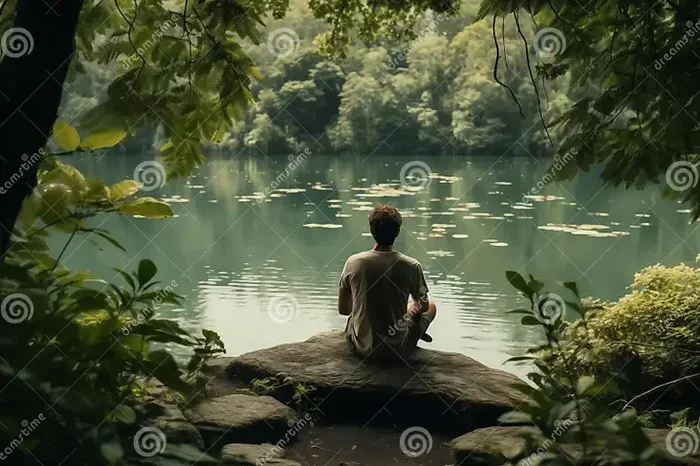
Lockdown diaries show that being lonely and being alone are not the same thing. Many people confuse these two feelings during hard times. Solitude can bring peace while loneliness brings pain. Learning the difference helps you protect your mental health. You can find joy in quiet moments without feeling abandoned.
The world stopped moving for a while. Many people stayed home to stay safe. This time changed how we see our own company. Lockdown diaries being lonely and being alone are not the same thing became a common thought for many. People started writing down their feelings. They noticed big differences in their hearts.
Some folks felt scared and sad. Others found a quiet peace they never knew before. It is important to know which feeling you have. Confusing them can lead to wrong choices. You might think you need more people when you really need more rest. Or you might think you are fine when you are actually hurting.
This article will help you tell the difference. We will look at what makes solitude sweet. We will also look at what makes loneliness sting. You will learn how to enjoy your own space. You will also learn when to reach out for help. Let us dive into these feelings together.
Key Takeaways
- Loneliness is a feeling: It is the pain of being alone, while solitude is the glory of being alone.
- Choice matters: Choosing to be alone feels different than being forced into isolation.
- Mental health impact: Chronic loneliness can harm your health, but healthy solitude can restore it.
- Connection is key: You can feel lonely in a crowd or feel connected while by yourself.
- Self-reflection helps: Understanding your emotions helps you distinguish between isolation and peace.
- Small steps work: You can learn to enjoy your own company with small daily habits.
- Seek help if needed: If loneliness feels heavy, talking to someone can make a big difference.
📑 Table of Contents
Understanding the Core Difference
To understand lockdown diaries being lonely and being alone are not the same thing, we must look at the definitions. Being alone is a physical state. It means no other people are around you. You can be alone in a room. You can be alone in a park. This state is neutral. It is just a fact.
Loneliness is an emotional state. It is a feeling of sadness. It happens when you want connection but do not have it. You can feel lonely in a big crowd. You can feel lonely at a family party. This feeling is painful. It tells you that something is missing.
Solitude is another word for being alone. But it has a positive vibe. Solitude is chosen. It is enjoyed. When you are in solitude, you feel full. You feel okay with your own thoughts. You do not feel empty. This is the key difference for many people.
Physical Presence Versus Emotional State
Think about a time you sat by yourself. Did you feel calm? Or did you feel scared? If you felt calm, you were in solitude. If you felt scared, you might have been feeling lonely. The room was the same. The people were the same. The feeling was different.
Your mind plays a big role here. If you tell yourself you are abandoned, you will feel lonely. If you tell yourself you are resting, you will feel peaceful. Your thoughts shape your reality. This is why two people can be alone together. One feels peace. The other feels pain.
The Role of Choice in Solitude
Choice is a powerful thing. When you choose to be alone, you feel strong. You control the time. You control the space. This control makes the time feel safe. You can read a book. You can drink tea. You can just breathe.
When you are forced to be alone, it feels different. Lockdowns forced many people inside. They did not choose this. They missed their friends. They missed their hugs. This lack of choice made the alone time feel heavy. It turned solitude into isolation for many.
The Emotional Weight of Loneliness
Loneliness is a heavy feeling. It sits in your chest. It makes you feel small. During the lockdown, many people felt this weight. They could not see their loved ones. They could not go to work. They could not go to shops. The world felt very far away.
This feeling is not just about being sad. It affects your body too. It can raise your stress levels. It can make you sleep poorly. It can make you eat too much or too little. Mental health suffers when loneliness stays for a long time. It is important to take this feeling seriously.
Physical and Mental Symptoms
You might notice changes in your body. Your shoulders might feel tight. Your stomach might feel upset. You might feel tired all the time. These are signs that your body is stressed. Loneliness triggers a stress response. Your body thinks you are in danger.
Your mind changes too. You might worry more. You might think negative thoughts. You might feel like no one cares. These thoughts can become a loop. They spin around and around. Breaking this loop takes effort. It takes kindness toward yourself.
Why It Feels Heavier During Isolation
Isolation makes loneliness louder. Normally, you can go out to distract yourself. You can call a friend. You can go to a event. During lockdown, these options were gone. The silence in the house grew loud. People had to face their thoughts without escape.
This time highlighted existing wounds. Some people already felt disconnected. The lockdown made it worse. Others found that they missed community more than they thought. We are social beings. We need each other. When that need is not met, pain follows.
Finding Peace in Solitude
Now let us look at the good side. Solitude can be a gift. It gives you space to think. It gives you space to rest. You do not have to perform for anyone. You do not have to smile if you are tired. You can just be yourself.
Many people found this during the lockdown. They slowed down their lives. They noticed the birds outside. They noticed the taste of their food. They noticed their own breathing. This mindfulness brought peace. It helped them feel grounded.
Benefits of Being Alone
There are many benefits to healthy solitude. It helps you recharge. Just like a phone needs charging, you need rest. Being around people takes energy. Being alone gives energy back. It helps you reset your mood.
It also helps you know yourself better. You hear your own voice more clearly. You understand what you really want. You do not get lost in other people’s opinions. This self-knowledge is very valuable. It helps you make better choices in life.
Turning Isolation into Solitude
You can try to turn lonely time into solitude time. It takes a shift in mindset. Start by naming the feeling. Say, I am feeling lonely right now. Acknowledge it without judgment. Then ask, what do I need right now?
Maybe you need a warm blanket. Maybe you need a good song. Maybe you need to write in a journal. Small comforts can change the vibe. They make the space feel safe. They remind you that you are taking care of yourself.
Connection Beyond Physical Presence
You do not need to be in the same room to connect. Connection is about feeling understood. It is about feeling cared for. You can feel this over the phone. You can feel this through a message. The medium matters less than the feeling.
During the lockdown, people got creative. They sang on balconies. They waved from windows. They used video calls to share meals. These acts kept the spirit alive. They reminded everyone that they were not forgotten.
Digital Ways to Stay Close
Technology helped bridge the gap. Video calls let you see faces. You could see smiles and tears. This visual cue helps the brain feel closer. Voice messages also help. Hearing a friend’s voice can be very comforting.
Social media had a mixed role. It connected some people. It made others feel worse. Seeing perfect lives online can hurt. It is best to use it with care. Follow accounts that make you feel good. Unfollow ones that make you feel bad.
Quality Over Quantity
It is not about how many people you know. It is about how deep the bond is. One true friend is better than fifty strangers. Focus on the people who matter. Reach out to them specifically. Tell them how you feel.
Vulnerability builds connection. When you share your fear, others often share theirs. This shared truth creates a bond. It reduces the feeling of being alone in your struggle. You realize others feel the same way.
Practical Steps to Manage Feelings
You can take steps to feel better. You do not have to wait for things to change. You can start today. Small actions add up over time. They build a sense of control. This control fights against helplessness.
Start with your morning. How you start the day sets the tone. Do not grab your phone first. Take a few deep breaths. Stretch your body. Drink some water. These simple acts care for your physical self.
Building a Routine
Routines give structure to your day. They help you know what comes next. This reduces anxiety. Try to wake up at the same time. Try to eat meals at regular times. Include time for movement.
Include time for fun too. Watch a funny show. Draw a picture. Cook a new recipe. Play a game. Joy is important. It lightens the mood. It reminds you that life still has color.
Journaling Your Thoughts
Writing helps clear the mind. You can use lockdown diaries to track your feelings. Write down what made you sad. Write down what made you happy. Look for patterns over time.
You might notice that certain things trigger loneliness. Maybe it is the evening time. Maybe it is seeing a specific photo. Knowing your triggers helps you prepare. You can plan a comforting activity for those times.
When to Seek Professional Help
Sometimes feelings get too heavy. You might feel stuck. You might feel hopeless. This is a sign to reach out. There is no shame in asking for help. It is a sign of strength to admit you need support.
Therapists and counselors are trained to help. They can give you tools to cope. They can listen without judging. Many offer online sessions now. This makes help more accessible. You can talk from the safety of your home.
Signs You Need Extra Support
Watch out for warning signs. If you stop eating, seek help. If you stop sleeping, seek help. If you think about hurting yourself, seek help immediately. These are serious signs. Your safety is the most important thing.
Also watch for lasting sadness. If you feel down for weeks, talk to someone. If you lose interest in things you love, talk to someone. These are signs of depression. Depression is treatable. You do not have to live this way.
Resources Available
There are many resources out there. Hotlines are available twenty-four seven. They have trained people ready to listen. There are online support groups too. You can find people going through the same thing. You are not the only one feeling this way.
Books and articles can also help. Reading about others’ experiences helps. It makes you feel less strange. It gives you new ideas to try. Knowledge is power when dealing with emotions.
Key Takeaways
To wrap up, remember the main points. Being lonely and being alone are not the same thing. One hurts, and one can heal. You have the power to shape your alone time. You can choose to find peace in it.
Stay connected in small ways. Be kind to yourself when you feel sad. Reach out when the weight is too much. You deserve to feel safe and loved. Even when you are by yourself, you are worthy.
Life will keep changing. There will be quiet times again. You now have the tools to handle them. You know the difference between pain and peace. Use this knowledge to protect your heart. Keep writing your own diary of life.
Frequently Asked Questions
What is the main difference between loneliness and solitude?
Loneliness is the painful feeling of wanting connection but not having it. Solitude is the peaceful state of being alone by choice. One hurts your heart, while the other can heal it.
Can you feel lonely when you are with other people?
Yes, you can feel lonely in a crowd. Loneliness is about emotional connection, not just physical presence. If you do not feel understood, you can feel lonely even at a party.
How can I enjoy being alone more?
Start by choosing small amounts of alone time. Do something you love during that time, like reading or walking. Treat yourself with kindness and see alone time as a chance to rest.
Does lockdown isolation cause long-term harm?
It can if the loneliness is not addressed. Long-term isolation can affect mental health. However, many people also found new strengths and coping skills during this time.
What are some quick ways to feel less lonely?
Call a friend or family member. Write down your feelings in a journal. Do something creative like drawing or cooking. Small connections can break the feeling of isolation.
When should I talk to a therapist about loneliness?
Talk to a therapist if loneliness feels heavy for weeks. Seek help if you stop sleeping or eating well. If you feel hopeless, professional support can make a big difference.
