
A Japanese head spa at home brings deep relaxation and scalp care into your daily routine. It uses gentle massage and natural oils to improve blood flow and hair growth. You can enjoy this peaceful ritual without booking a costly salon visit. Just follow simple steps to transform your self-care time.
Key Takeaways
- Stress Relief: A Japanese head spa at home reduces tension and calms your nervous system quickly.
- Scalp Health: Regular scalp massage boosts circulation and supports stronger hair roots.
- Easy Setup: You only need a few basic tools like a massage brush and natural oils.
- Time Saving: This home ritual takes less than thirty minutes and fits any busy schedule.
- Better Sleep: Relaxing your scalp before bed helps you fall asleep faster and deeper.
- Cost Effective: You save money by avoiding frequent salon appointments for head treatments.
- Mindful Practice: The slow movements encourage mindfulness and mental clarity during your day.
📑 Table of Contents
- What Is a Japanese Head Spa at Home
- Benefits of a Japanese Head Spa at Home
- How to Prepare for Your Japanese Head Spa at Home
- Step-by-Step Guide to a Japanese Head Spa at Home
- Choosing the Best Oils and Products
- Common Mistakes to Avoid
- Making It a Regular Self-Care Habit
- Final Thoughts on Your Home Spa Journey
What Is a Japanese Head Spa at Home
A Japanese head spa focuses on gentle care for your scalp and hair. It comes from a tradition that values balance and calm. The practice combines light pressure massage with warming oils or steam. You can bring this soothing experience into your own room. A Japanese head spa at home gives you the same calming effects as a professional visit. You control the pace and the products you use. This makes the ritual feel personal and comfortable. Many people use it to unwind after long workdays. Others try it to support healthier hair growth. The goal is simple. You want a clean scalp and a quiet mind. You can achieve both with steady care and patience.
Why the Practice Matters
Your scalp holds many nerve endings and blood vessels. When you massage it gently, you wake up those areas. Blood flow improves and tension fades. Hair follicles get more nutrients and oxygen. This helps your hair stay strong over time. The ritual also lowers stress hormones in your body. Lower stress means better sleep and clearer thoughts. You do not need fancy tools to start. A quiet space and a few natural products work well. The key is consistency. Small weekly sessions build real results. You will notice your scalp feels softer and lighter. Your hair may look shinier too. The practice blends body care with mental rest. That mix is what makes it so effective.
Core Ideas Behind the Ritual
Japanese wellness often focuses on slow and mindful movements. You do not rush through the massage. You breathe deeply and pay attention to each touch. This mindful pace calms your nervous system. It also helps you notice tight spots in your scalp. Those tight spots often hold stress from daily life. When you release them, your whole head feels lighter. The ritual also uses warm oil or steam to soften the skin. Warmth opens pores and helps products absorb better. You can use simple ingredients like jojoba oil or almond oil. Keep the process gentle and steady. The result is a clean, relaxed scalp and a peaceful mind.
Benefits of a Japanese Head Spa at Home

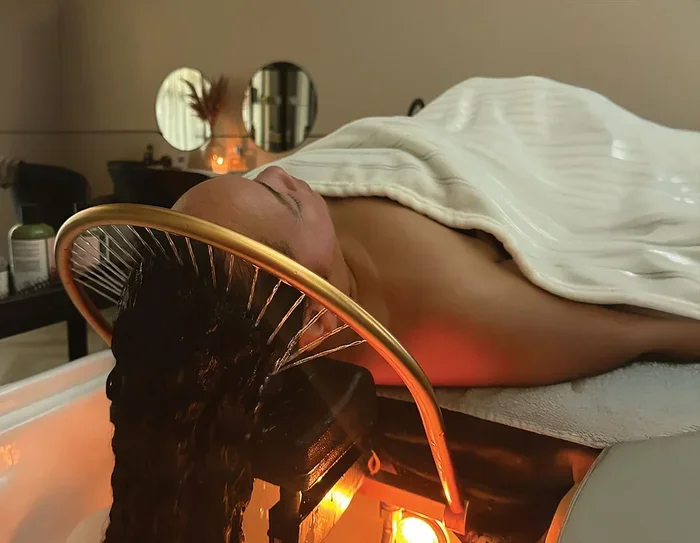
Visual guide about Japanese head spa treatment
Image source: kyotoheadspa.com.au
The benefits go beyond simple relaxation. A regular home ritual supports both your body and your mind. You can feel the change after just a few sessions. Many people report less headache tension and softer scalp skin. Others notice their hair looks fuller and easier to manage. A Japanese head spa at home also helps you create a daily pause. That pause matters in a busy world. You step away from screens and noise. You focus on your breath and touch. This simple shift lowers mental fatigue. It also improves your mood over time. The ritual is gentle, so most people can enjoy it safely. You can adjust the pressure to fit your comfort level.
Physical Benefits for Your Scalp
Your scalp needs regular care just like your face. Dirt, oil, and product buildup can weigh hair down. Gentle massage helps move that buildup away. It also encourages natural oils to spread evenly. Even oil distribution makes hair look healthier and less dry. Improved circulation supports the hair root area. Strong roots help hair stay anchored and resilient. You may also notice less itchiness after consistent care. A calm scalp often feels more balanced and comfortable. You do not need harsh scrubbing to get these results. Light pressure works better and feels more pleasant.
Mental and Emotional Benefits
Stress often collects in the neck and head area. A slow scalp massage releases that stored tension. Your breathing slows down during the ritual. Your heart rate may also settle into a calmer rhythm. This state helps your brain shift away from constant alert mode. You feel more present and less rushed. Many people use this time to clear their thoughts. Some even use it as a short meditation practice. The quiet focus can improve your concentration later in the day. It also supports better sleep when you do it at night. A relaxed scalp can lead to a relaxed mind.
How to Prepare for Your Japanese Head Spa at Home
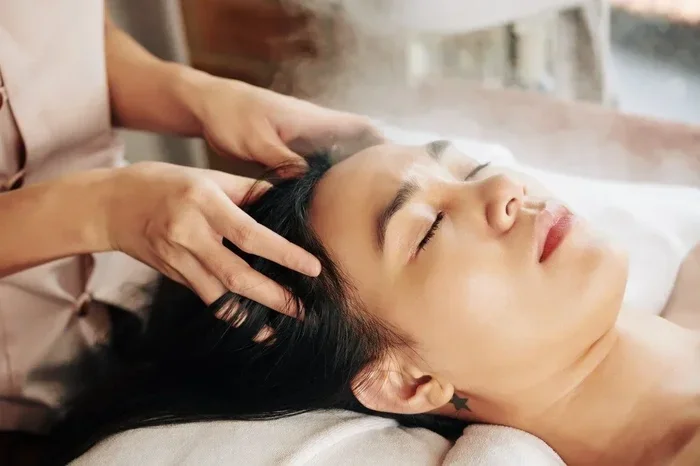
Visual guide about Japanese head spa treatment
Image source: images.squarespace-cdn.com
Preparation makes the ritual smoother and more enjoyable. You do not need a large setup. A small corner with good lighting works well. Start by washing your hands and gathering your items. A Japanese head spa at home feels best when you remove distractions. Put your phone on silent. Close the door if you want privacy. Choose a time when you will not be interrupted. Thirty minutes is enough for a full session. You can also keep it shorter if you are busy. The goal is steady focus, not perfection.
Gather Your Tools
You only need a few simple items. A wide-tooth comb helps detangle hair before the massage. A soft scalp brush can improve blood flow during the session. Natural oil adds slip and comfort to your hands. A warm towel helps relax the neck and shoulders. You may also want a timer so you can stay present. Keep everything within reach before you begin. This prevents breaks in your focus. You can also play soft music if you like. Quiet background sound can deepen the calming effect.
Set the Right Mood
Atmosphere matters more than people expect. A calm room helps your body relax faster. Dim the lights if you prefer a softer space. Use a comfortable chair or sit on a cushion. Keep your neck supported so you do not strain. Take three slow breaths before you touch your scalp. This small pause tells your body to slow down. You can also sip warm water afterward to stay hydrated. A peaceful setup turns a simple massage into a real ritual.
Step-by-Step Guide to a Japanese Head Spa at Home
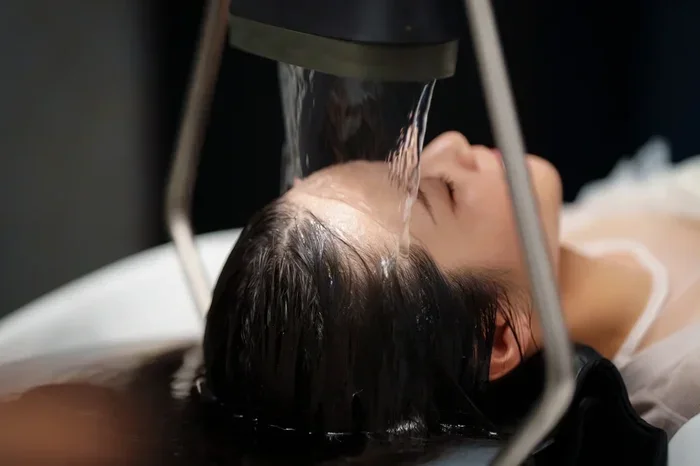
Visual guide about Japanese head spa treatment
Image source: getupandglomedspa.com
The process is simple when you break it into clear steps. Move slowly and pay attention to how your scalp feels. A Japanese head spa at home works best when you stay gentle. You do not need strong pressure to get results. Start with clean, dry, or slightly damp hair. Apply a small amount of oil if your scalp feels dry. Use your fingertips, not your nails. Keep the touch light and rhythmic. Breathe naturally as you work through each area.
Warm-Up and Detangle
Begin by brushing your hair gently. This spreads natural oils and removes loose tangles. It also prepares your scalp for touch. Start at the ends and move upward slowly. Avoid pulling on knotted sections. If your hair is wet, be extra careful. Wet hair breaks more easily. Once your hair feels smooth, you can focus on the scalp. Take a moment to notice any tight spots. Those areas often need extra attention later.
Scalp Massage Technique
Place your fingertips on your scalp and press lightly. Move in small circles across the top of your head. Work from the forehead toward the back. Then move down along the sides near your ears. Keep the motion steady and relaxed. You can also use a soft scalp brush for variation. Spend extra time on areas that feel tense. Do not rush through the process. A slow pace helps your muscles release. If you use oil, spread it evenly with gentle strokes. This improves absorption and comfort.
Neck and Shoulder Relief
Your scalp does not sit alone. It connects to your neck and shoulders. Tight shoulders can make your head feel heavy. After the scalp work, move down to your neck. Use slow strokes from the base of your skull toward your shoulders. You can also roll your shoulders gently. This adds more relief to the whole upper body. Many people hold stress in these areas without noticing. Releasing them makes the scalp work feel even better.
Rinse and Finish
If you used oil, rinse it out with lukewarm water. Use a mild shampoo if needed. Avoid hot water because it can dry your scalp. Finish with a cool rinse to refresh the skin. Pat your hair dry with a soft towel. Do not rub hard. Let your hair air dry when possible. After the session, sit quietly for a minute. Notice how your head feels compared to before. This short reflection helps you remember the calm state you created.
Choosing the Best Oils and Products
Product choice changes the feel of your ritual. Some oils feel lighter, while others feel richer. A Japanese head spa at home should match your scalp type. If your scalp is oily, choose a light oil. If it feels dry, pick a more nourishing option. Natural products usually work well for this kind of care. You do not need complicated formulas. Simple ingredients often give the best comfort. Always test a small amount first if you have sensitive skin.
Light Oils for Balanced Scalps
Jojoba oil feels close to natural scalp oil. It absorbs well and does not feel heavy. Grapeseed oil is another light option. It glides smoothly and suits frequent use. These oils work nicely if you want a fresh feel. They also rinse out easily after the session. Use only a few drops at first. You can add more if your scalp needs extra moisture. Light oils are great for daily or weekly care.
Richer Oils for Dry Scalps
Almond oil and argan oil feel softer and more nourishing. They help calm dryness and rough patches. These options suit scalps that feel tight or flaky. They also add shine to dull hair. Use them before your massage so they spread well. Warm the oil in your hands first. This makes the touch more comfortable. Richer oils can be used less often if you prefer a lighter routine. Pay attention to how your scalp responds over time.
Helpful Add-Ons
A warm towel can improve the whole experience. Heat helps the oil sink in and relaxes tight muscles. You can also use a soft brush for extra circulation. Some people like a mild scalp serum after washing. That can add hydration without heaviness. Keep your product list simple at first. You can adjust later based on what feels best. The best products are the ones that support comfort and consistency.
Common Mistakes to Avoid
Even a simple ritual can go wrong if you rush. Small errors can make the session less comfortable. A Japanese head spa at home should feel soothing, not stressful. Pay attention to pressure, timing, and product use. Avoid harsh scrubbing and very hot water. Do not skip the warm-up step. These details matter more than they seem. A careful approach gives better results and fewer irritations.
Using Too Much Pressure
Many people press too hard when they want fast relief. Strong pressure can irritate the scalp. It may also cause soreness the next day. Light pressure works better for relaxation. Your fingertips should glide, not dig. If you feel pain, ease up right away. Gentle touch still improves circulation. You do not need force to get benefits. Slow and soft is the safer choice.
Skipping Clean Hands and Tools
Clean hands prevent unwanted dirt from moving onto your scalp. Dirty brushes can also hold old oil and buildup. Wash your tools regularly and dry them fully. This keeps your ritual fresh and hygienic. It also helps products work better. A clean setup supports a calm mind too. You feel more relaxed when everything is tidy.
Overdoing It
More is not always better. Very long sessions can leave your scalp tender. Frequent heavy oil use can also feel greasy. Start with short sessions and see how you respond. You can build up slowly if you enjoy it. Listen to your body and scalp. Rest when you need it. A balanced routine lasts longer and feels better.
Making It a Regular Self-Care Habit
A home ritual works best when it fits your life. You do not need a perfect schedule. You only need a repeatable pattern. A Japanese head spa at home can become a weekly reset. Pick a day that feels calm and realistic. Many people choose evenings for better relaxation. Others prefer mornings to start the day softly. Choose the time that supports your routine. Keep the steps simple so you return to them often.
Build a Simple Weekly Plan
Start with one session each week. That is enough to notice changes. You can add a second session later if you want. Keep each session short and focused. Prepare your items ahead of time. This lowers friction and makes the habit easier. Track how your scalp feels after each session. You may notice better comfort, less tension, or softer hair. Small wins keep you motivated.
Pair It With Other Relaxing Habits
You can combine this ritual with other calm activities. Soft music, deep breathing, or a warm drink can enhance it. You can also do it after a shower when your body is already warm. Some people enjoy it before bedtime to wind down. The more your body connects the ritual with rest, the easier it becomes. Over time, the practice becomes a signal for peace. That signal is valuable in a busy life.
Final Thoughts on Your Home Spa Journey
A Japanese head spa at home is a simple way to care for your scalp and your mind. It does not require expensive tools or complex steps. It asks for patience, gentleness, and a little time. When you practice regularly, you may feel calmer and more centered. Your scalp may also feel cleaner and more balanced. That combination is worth the effort. Start small and stay consistent. Let the ritual grow with you. Over time, it can become one of your favorite moments of relief.
Frequently Asked Questions
How often should I do a Japanese head spa at home?
Once a week is a good starting point for most people. You can adjust the frequency based on how your scalp feels. If your scalp feels sensitive, space the sessions out more.
Can I use this ritual if I have oily hair?
Yes, you can still enjoy it with light products. Choose a lightweight oil and use only a small amount. Gentle massage can help balance your scalp without adding heaviness.
Do I need special tools for a Japanese head spa at home?
No, you do not need special tools to begin. Your fingertips, a soft brush, and a natural oil are enough. A warm towel can improve comfort, but it is optional.
Is a Japanese head spa at home safe for sensitive scalps?
It can be safe if you keep the pressure very light. Use mild products and avoid scratching with your nails. If irritation appears, stop and give your scalp time to rest.
Can this help with stress and sleep?
Many people find it helpful for relaxing before bed. The slow touch and quiet focus can calm your nervous system. That may make it easier to drift into sleep.
What is the best way to rinse out the oil?
Use lukewarm water and a gentle shampoo if needed. Rinse slowly so the oil leaves evenly. Finish with a cooler rinse to refresh your scalp.
