
If you’re wondering Is My Husband A Sociopath, you’re not alone. Many women experience confusion, fear, and isolation when facing unexplained emotional coldness, manipulation, or lack of empathy. Recognizing these signs early can help you make informed decisions about your safety and future. This article provides clear insights, real-life examples, and actionable advice to support you through this difficult journey.
Key Takeaways
- Emotional detachment is common: Sociopathic individuals often struggle with genuine empathy, making it hard for them to connect deeply with others, including their spouses.
- Manipulation and charm are frequent traits: They may use flattery, lies, or guilt to control situations and people around them, especially in private settings.
- Lack of remorse appears consistently: Even after causing harm—emotional or physical—they rarely apologize sincerely or take responsibility for their actions.
- Impulsivity and risk-taking behaviors are red flags: Engaging in dangerous activities without concern for consequences or others’ safety is a hallmark of antisocial personality tendencies.
- They often blame others for problems: Instead of owning up to mistakes, they shift the focus onto you or external factors to avoid accountability.
- Boundary violations are frequent: They may ignore personal limits, invade privacy, or disregard your feelings repeatedly, even when confronted.
- Professional evaluation is essential: Only a licensed mental health professional can diagnose Antisocial Personality Disorder (ASPD), not self-diagnosis based on behavior alone.
📑 Table of Contents
- Introduction: When Love Feels Like Loneliness
- What Is Sociopathy, Really?
- Top Signs Your Husband Might Be a Sociopath
- How to Tell the Difference: Sociopath vs. Just Being Stressed
- Practical Steps to Protect Yourself
- What About Children? Raising Kids With a Parent Who Has Sociopathic Traits
- Can a Sociopath Change? The Reality of Treatment
- Conclusion: Clarity Over Fear
Introduction: When Love Feels Like Loneliness
Have you ever felt like you’re living next door to someone instead of sharing a life with your husband? You say “I love you” at bedtime, and he replies with a grunt. You share big news—your promotion, a family illness—and he changes the subject to his golf game. Maybe he’s charming and fun in public but distant at home. Or maybe he’s been caught lying about small things that add up over time. These moments can leave you wondering: Is my husband a sociopath?
This question isn’t just about labels—it’s about safety, respect, and whether your marriage is built on mutual care or one-sided performance. While no one expects perfection from a partner, persistent patterns of callousness, deceit, and emotional absence should raise concerns. Understanding what sociopathy looks like in real relationships helps you separate fact from fear and take steps toward clarity.
What Is Sociopathy, Really?
Sociopathy isn’t a movie villain—it’s a cluster of traits linked to Antisocial Personality Disorder (ASPD), a condition defined by long-term disregard for others’ rights and emotions. But here’s the truth: most people don’t have full-blown ASPD. Instead, they might exhibit some sociopathic tendencies—like being dishonest or emotionally unavailable—without meeting clinical criteria.

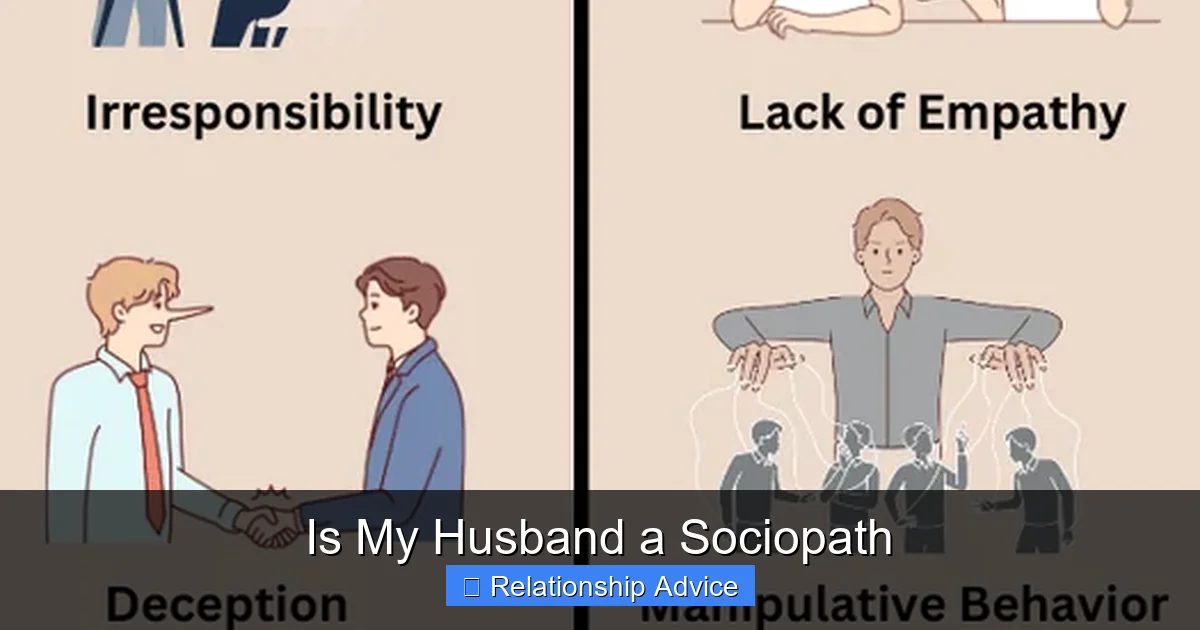
Visual guide about Is My Husband a Sociopath
Image source: doquizzes.com
Key Differences Between Sociopaths and Narcissists
You might hear “sociopath” used loosely, but it’s different from narcissism. Both involve self-centeredness, but sociopaths tend to be more impulsive and unpredictable. Narcissists crave admiration; sociopaths often manipulate to get what they want, regardless of how it affects others. For example, a narcissist might brag about achievements to feel superior, while a sociopath might lie about attending a friend’s funeral just to look caring.
How Sociopathy Shows Up in Daily Life
In marriages, these traits can look confusing. Your husband might seem loving during vacations but dismissive during arguments. He could volunteer at an animal shelter but mock your efforts to help neighbors. The inconsistency makes it hard to trust your own judgment—which is exactly how manipulators operate.
Top Signs Your Husband Might Be a Sociopath
If you’ve noticed several of these behaviors persisting over months or years, it’s worth exploring further. Remember, everyone has flaws—but repeated, harmful patterns are cause for concern.
1. Lack of Genuine Empathy
Empathy means feeling what others feel—even if you wouldn’t act on it. If your husband never acknowledges your pain, shrugs off your tears, or says things like “You’re too sensitive,” that’s a major red flag. Sociopaths understand emotions intellectually but don’t share them deeply. So when you cry after a stressful day, he might hand you tissues but not ask why you’re upset.
2. Chronic Dishonesty
Lies aren’t always obvious. Sometimes they’re tiny—“I already ate” when he hasn’t touched dinner—or huge—covering up secret accounts. Sociopaths lie to manage appearances or avoid consequences. If you find receipts for dinners labeled “business lunches” that never happened, or if he gets defensive when you ask simple questions, honesty isn’t his default.
3. Superficial Charm That Doesn’t Last
Early in relationships, many men are extra attentive—remembering anniversaries, calling daily, planning surprises. Sociopaths often mimic warmth initially to win trust. But once secure, the charm fades. In private, he might be sarcastic, critical, or indifferent. This contrast between public persona and private behavior is classic.
4. Disregard for Rules and Boundaries
Do you feel pressured to hide your phone, skip friends’ parties, or cancel plans because he dislikes them? Sociopaths often violate boundaries—whether it’s reading your journal, showing up unannounced, or dismissing your need for space. They see rules as suggestions, not obligations.
5. Blaming Others for Everything
When plans fall apart, does he blame traffic, your forgetfulness, or coworkers? If he never admits fault—even when clearly wrong—it’s a sign he avoids accountability. Healthy partners say “I’m sorry”; sociopaths say “That wasn’t my fault.”
6. Impulsivity and Recklessness
Does he gamble away savings, drive dangerously, or quit jobs on a whim? Sociopaths live for immediate gratification, often ignoring fallout. If financial stress causes fights but he still maxes out credit cards, it points to deeper issues.
7. No Remorse or Guilt
After hurting someone—say, insulting you publicly or cheating—does he show real regret? Or does he deflect? “Everyone cheats sometimes,” or “You started it”? Without sincere apology, healing isn’t possible.
How to Tell the Difference: Sociopath vs. Just Being Stressed
Life gets tough—everyone snaps, forgets dates, or gets annoyed. So how do you know if your husband’s behavior crosses into sociopathic territory?
Look for Patterns, Not One-Offs
A single lie or moment of rudeness doesn’t define a person. But if dishonesty, emotional coldness, or boundary-crossing happens repeatedly—especially after you’ve asked him to stop—that’s concerning. Track specific incidents: “Last month, he lied about where he was. Then two weeks ago, he mocked my anxiety. Now he ignores me for hours.”
Consider His Capacity for Change
Has he ever tried therapy? Made effort to improve? Or does he insist “I’m fine” while refusing help? Sociopaths rarely seek treatment voluntarily because they don’t believe they’re broken.
Ask Yourself: Does He Respect Your Autonomy?
Healthy partners support your goals, hobbies, and friendships. Sociopaths often try to control you—demanding passwords, criticizing your choices, or isolating you from loved ones. If you feel smothered or judged constantly, that’s a warning.
Practical Steps to Protect Yourself
If you suspect your husband may have sociopathic traits, prioritize your well-being. Here’s how to move forward safely.
Document Specific Behaviors
Keep a journal with dates, times, and details. Example: “March 10 – He said I was overreacting when I cried about work. March 15 – Found $500 cash missing from my purse; he claimed he didn’t touch it.” This record helps therapists or legal professionals assess patterns.
Seek Professional Help Together or Alone
Couples counseling can help—but only if both partners are willing to engage honestly. If he refuses, consider individual therapy first. A therapist can guide you through setting boundaries or deciding next steps. You might also explore resources like My Husband Neglects Me Emotionally for tailored strategies.
Build Your Support Network
Confide in trusted friends or family. Isolation is common in toxic relationships—and sociopaths often exploit it. Join online communities (like forums for survivors) where others share similar experiences. Knowing you’re not alone reduces shame.
Set Clear Boundaries
Say firmly: “I won’t discuss my finances when you’re angry.” “I need alone time every Sunday.” Boundaries aren’t walls—they’re guidelines for respectful interaction. If he respects them, great. If not, it confirms deeper issues.
Consult a Lawyer Before Major Decisions
If you’re considering separation or divorce, especially with shared assets or children, legal advice is crucial. Sociopaths may manipulate agreements or escalate conflict during splits. Early consultation prevents regret.
What About Children? Raising Kids With a Parent Who Has Sociopathic Traits
If you have kids, their safety matters most. Research shows children raised by parents with ASPD are more likely to develop behavioral problems, low self-esteem, or attachment disorders. But there’s hope.
Prioritize Stability and Consistency
Even if your husband isn’t involved, ensure routines (meals, bedtimes) stay predictable. Kids thrive on structure. Co-parent calmly and separately if needed—don’t let him drag children into adult conflicts.
Model Healthy Relationships
Children learn by watching. Show them kindness, respect, and self-worth. Therapy for yourself and/or your child can build resilience. Resources like Signs a Guarded Man Is Falling in Love emphasize emotional availability—something all kids need.
Watch for Behavioral Red Flags in Kids
If your child becomes overly aggressive, withdrawn, or anxious, talk to a pediatrician or counselor. Early intervention helps mitigate long-term effects.
Can a Sociopath Change? The Reality of Treatment
This is a painful question. Many hope “love will fix him.” But sociopaths rarely recognize their behavior as wrong. Studies suggest only a minority benefit from therapy—and mostly when motivated externally (e.g., court orders).
Why Therapy Often Fails
Antisocial Personality Disorder is notoriously resistant to treatment. Without insight into their impact, sociopaths can fake progress. They might say “I’ll do better” while secretly planning the same old manipulations.
When Change *Is* Possible
Some show improvement after brain injury, trauma, or strong external pressure (like job loss). But sustained change requires years of consistent effort—rarely seen in marital settings.
Your Role Isn’t to “Fix” Him
Focus on protecting yourself. If he refuses help, accept that his choices aren’t your responsibility. Healing starts with accepting reality, not waiting for miracles.
Conclusion: Clarity Over Fear
Wondering Is My Husband A Sociopath isn’t about labeling—it’s about recognizing patterns that threaten your peace. While no diagnosis fits perfectly, persistent lies, emotional absence, and boundary violations demand attention. You deserve a partner who sees you, honors your feelings, and shares the load of life. If that’s absent, seek support, document carefully, and choose safety above all.
Remember: You’re not crazy for feeling uneasy. Trust your gut. And if you’re struggling with related issues like constant criticism or neglect, explore our guides: My Husband Finds Fault With Everything I Do or My Husband Treats Me Like I Dont Matter. You’re stronger than you think—and deserve better.
Frequently Asked Questions
Can a sociopath ever truly change?
While rare, some sociopathic traits can soften with intensive therapy and motivation, but full transformation is uncommon. Most remain manipulative and detached despite efforts. Your safety should come first.
How do I know if my husband is just stressed, not a sociopath?
Stress causes temporary irritability or forgetfulness, not chronic dishonesty, lack of empathy, or boundary violations. If behaviors persist beyond stressful periods and harm your relationship, consider professional evaluation.
Should I confront my husband about sociopathy?
Direct accusations may trigger defensiveness. Instead, express concerns using “I” statements: “I feel hurt when you dismiss my feelings. Can we talk about how to connect better?” Focus on behaviors, not diagnoses.
Is it safe to stay in a relationship with a sociopath?
That depends on severity and your support system. Mild traits may be manageable with boundaries; severe cases risk emotional abuse or worse. Consult a therapist to assess risks honestly.
Can couples therapy help if one partner has sociopathic traits?
Only if both agree to participate genuinely. Sociopaths often manipulate sessions or deny wrongdoing. Individual therapy for you is safer and more effective initially.
Where can I find professional help for this issue?
Start with a licensed therapist specializing in relationships or personality disorders. Organizations like Psychology Today’s therapist finder offer verified providers near you.
