
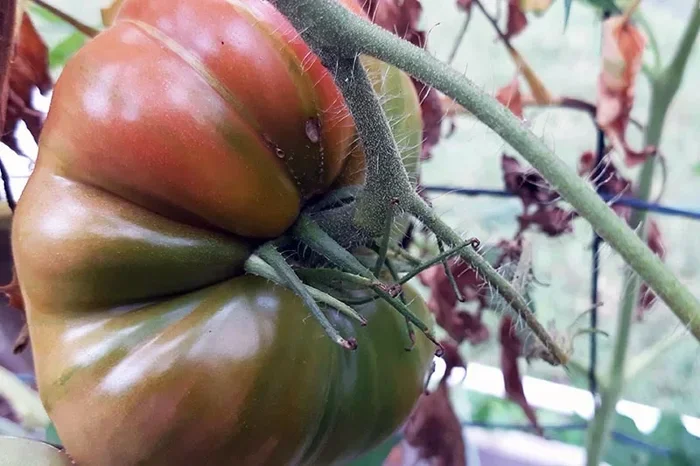
The mortgage lifter tomato is an indeterminate heirloom variety that keeps growing and producing fruit all season long. It grows tall, needs sturdy support, and rewards patient gardeners with large, flavorful slicers. Knowing its growth habit helps you plan spacing, staking, and pruning for a healthier harvest.
If you have ever stood in the seed aisle and asked yourself, is mortgage lifter tomato determinate or indeterminate, you are not alone. This classic heirloom has a big reputation, and its growth habit matters a lot for planning your garden. The short answer is that it grows as an indeterminate vine, which means it keeps extending, flowering, and setting fruit throughout the warm months. That simple fact shapes everything from staking to pruning to harvest timing.
Many gardeners love this tomato for its size, flavor, and steady production. It is the kind of plant that can turn a sunny patch of soil into a reliable source of fresh slices all summer. But it also asks for a bit more attention than compact varieties. If you understand how it grows, you can give it the right support and enjoy a much better harvest.
In this guide, we will walk through what indeterminate really means, how this tomato behaves in the field, and the simple steps that help it thrive. You will learn how to space plants, support tall vines, manage watering, and keep common problems in check. By the end, you will know exactly how to grow this variety with confidence.
Key Takeaways
- Growth habit: The mortgage lifter tomato is an indeterminate variety that grows and fruits continuously until frost.
- Support needs: Tall vines require strong stakes, cages, or trellises to keep fruit off the ground and reduce disease.
- Pruning helps: Light pruning of lower leaves and suckers improves airflow and directs energy to fruit production.
- Long season: Expect a steady harvest over several months, not a single large flush of fruit.
- Spacing matters: Give plants room to breathe, about 24 to 36 inches apart, for better light and air circulation.
- Soil and water: Consistent moisture and rich, well-draining soil support strong growth and prevent common tomato issues.
- Best use: This variety shines in slicing, sandwiches, and fresh eating when fully ripe and gently handled.
📑 Table of Contents
- What Does Determinate Versus Indeterminate Really Mean
- Is Mortgage Lifter Tomato Determinate Or Indeterminate
- Growth Habit and What to Expect in the Garden
- Support, Staking, and Pruning for Tall Vines
- Watering, Feeding, and Soil Care for Healthy Fruit
- Spacing, Sun, and Garden Layout
- Common Problems and How to Handle Them
- Harvesting and Enjoying the Fruit
- Quick Tips for Growing This Indeterminate Tomato
- Common Mistakes to Avoid
- Expert Insights for a Better Season
- Final Thoughts on Is Mortgage Lifter Tomato Determinate Or Indeterminate
What Does Determinate Versus Indeterminate Really Mean
Tomatoes generally fall into two growth styles. A determinate plant grows to a set size, sets most of its fruit at once, and then slows down. An indeterminate plant keeps growing, keeps flowering, and keeps producing fruit until weather shuts it down. This difference affects your garden layout, your support system, and how you plan your harvest.
How the Vine Keeps Growing
When a tomato is indeterminate, the main stem keeps lengthening. New flowers form along the way, and fruit ripens in waves rather than all at once. That means you can enjoy fresh tomatoes for months instead of a short burst. It also means the plant can get tall and heavy, especially when loaded with fruit.
Why the Label Matters for Garden Planning
If you want a compact plant that fits in a small cage, a determinate type may be simpler. If you want a long harvest and have room for tall stakes or trellises, an indeterminate type is a great choice. The mortgage lifter tomato leans toward the latter, so plan for height, airflow, and ongoing care.
Is Mortgage Lifter Tomato Determinate Or Indeterminate
To answer the core question directly: the mortgage lifter tomato is an indeterminate variety. It grows as a long-season vine that continues to produce new flowers and fruit as long as conditions stay favorable. This is one reason it has remained popular among gardeners who want a reliable slicer with classic flavor.
What This Means for Your Harvest
Because it grows continuously, you will usually see fruit ripen over an extended period. Early fruit may appear while the vine is still expanding, and later fruit follows as the season progresses. This steady pattern is helpful if you want fresh tomatoes for salads, sandwiches, and home cooking throughout summer and early fall.
How It Compares to Bush Types
Compact bush tomatoes tend to finish their main flush of fruit earlier. They are often easier to cage and can be a good fit for containers or tight spaces. The mortgage lifter tomato is not built that way. It prefers room to climb and benefits from a support system that can handle a taller, heavier plant.
Growth Habit and What to Expect in the Garden
This heirloom is known for vigorous growth and large fruit. The vines can become quite long, and the foliage can be dense when the plant is healthy and well fed. You will usually see strong side branches, plenty of leaves, and a canopy that can shade the soil below. That canopy helps retain moisture, but it also means airflow matters.
Vine Height and Spread
Expect a plant that can reach well above a standard short cage if you let it. Without support, long branches may droop toward the ground, which can invite disease and make fruit harder to spot. With good staking or trellising, the vine grows upward and stays more organized.
Fruiting Pattern
Fruit typically develops in clusters along the vine as the season moves forward. The tomatoes are valued as large slicers, so they can take time to fully mature. Patience pays off here, because the flavor and texture are often best when the fruit is allowed to ripen on the vine.
Support, Staking, and Pruning for Tall Vines
Since this is an indeterminate tomato, support is not optional. A strong structure keeps fruit cleaner, improves airflow, and makes harvesting easier. It also helps the plant handle wind and rain without breaking.
Choose a Sturdy Support System
A tall stake, a heavy-duty cage, or a simple trellis can all work if they are secure. The best choice depends on your space and how many plants you grow. If you use stakes, drive them in early and tie the vine loosely at intervals. If you use a cage, make sure it is tall enough and firmly anchored.
Pruning Basics for Better Airflow
Pruning does not need to be complicated. Start by removing the lowest leaves once the plant is established, especially any that touch the soil. You can also thin out a few excess side shoots if the plant becomes too dense. The goal is to let light and air move through the canopy without stripping away too much foliage.
Tying and Training the Vine
Use soft ties or garden tape to secure the main stem and major branches. Check ties regularly so they do not cut into growing tissue. As the plant gets taller, continue to guide it upward and keep fruit off the ground. A little training early saves a lot of trouble later.
Watering, Feeding, and Soil Care for Healthy Fruit
A productive indeterminate tomato needs consistent care. Water and nutrients influence everything from leaf growth to fruit quality. When the plant is steady and healthy, it can focus energy on making good tomatoes instead of just surviving stress.
Consistent Moisture Matters
Tomatoes generally prefer even moisture rather than wild swings between dry and soaked. Fluctuating water can stress the plant and contribute to problems like cracked fruit or blossom issues. Water deeply and regularly, and adjust based on heat, rainfall, and soil drainage.
Mulch Helps a Lot
A layer of mulch around the base can help keep soil moisture more stable and reduce splashing soil onto leaves. It also helps moderate soil temperature. Keep mulch a little away from the stem so the base stays dry and airy.
Feeding the Plant Well
Rich soil gives the vine a strong start. A balanced approach with plenty of organic matter usually works well. Too much nitrogen can push leaf growth at the expense of fruit, so it helps to focus on overall soil health and steady feeding rather than heavy one-time doses.
Spacing, Sun, and Garden Layout
Good spacing makes a big difference for indeterminate tomatoes. These plants need light, air, and room for their roots to develop. Crowded plants can become stressed more easily and may be harder to manage.
Give Each Plant Enough Room
A common recommendation is to space plants generously so air can move between them. Wider spacing also makes pruning and harvesting easier. If you grow several plants, think about how tall they will get and how much shade they may cast on neighboring crops.
Sunlight and Warmth
Tomatoes do best in full sun. A sunny location supports strong growth and better fruit ripening. If your garden has hot afternoons, good watering and mulch become even more important to keep the plants comfortable.
Companion Planting Ideas
Many gardeners like to pair tomatoes with herbs, leafy greens, or flowers that can help make the garden more lively and diverse. The main goal is to choose neighbors that do not compete heavily for the same space and resources. Simple, low-growing companions can work well around the edges of a tomato bed.
Common Problems and How to Handle Them
Even a reliable heirloom can run into trouble if conditions are less than ideal. The good news is that many tomato issues are easier to manage when you catch them early and keep the plant healthy.
Disease Prevention Through Airflow
Dense foliage and wet leaves can create a friendly environment for disease. That is why spacing, pruning lower leaves, and watering at the base are so helpful. A plant that dries more quickly after rain or watering is generally easier to keep healthy.
Pests to Watch For
Aphids, hornworms, and other common tomato pests can show up during the season. Check plants regularly, especially under leaves and along new growth. Early removal or treatment is usually simpler than waiting until a problem spreads.
Fruit Issues and What They Mean
Sometimes fruit develops unevenly or shows cracks, often related to water swings, heat, or nutrient imbalances. If you see problems, look first at watering consistency and overall plant stress. Steady care often reduces these issues over time.
Harvesting and Enjoying the Fruit
One of the best parts of growing an indeterminate tomato is the long harvest window. You can pick fruit as it ripens and enjoy a steady supply instead of a single big event. For the mortgage lifter tomato, many gardeners wait until the fruit is fully colored and slightly soft to the touch for the best eating experience.
When to Pick
Harvest when the tomato has reached its full color and feels firm but not hard. If you notice heavy rain coming, you may choose to pick mature fruit a little early to prevent splitting. Ripening indoors can still produce good results if needed.
How to Handle Large Slicers
Big tomatoes can be delicate when fully ripe. Handle them gently, and store them in a cool place rather than too cold. That helps preserve flavor and texture for fresh eating, sandwiches, and simple summer meals.
Quick Tips for Growing This Indeterminate Tomato
If you want a smooth season, a few simple habits make a big difference.
- Start with strong plants: Healthy seedlings or transplants give the season a better beginning.
- Support early: Put stakes or cages in place before the vine gets too large.
- Water deeply: Aim for steady soil moisture instead of frequent shallow watering.
- Keep the base dry: Remove lower leaves that touch soil and use mulch wisely.
- Watch the canopy: Thin a little when the plant gets overly dense.
- Harvest regularly: Pick ripe fruit so the plant keeps producing comfortably.
Common Mistakes to Avoid
A few recurring mistakes can make an otherwise easy tomato more frustrating. Avoiding them helps the plant stay productive and healthy.
- Letting fruit touch the ground: This raises the risk of rot and pest damage.
- Overcrowding plants: Tight spacing reduces airflow and makes care harder.
- Watering inconsistently: Big swings in moisture can stress the plant and affect fruit.
- Over-pruning: Removing too much foliage can leave fruit exposed and reduce plant vigor.
- Waiting too long to support the vine: Late staking is harder and can damage roots or stems.
Expert Insights for a Better Season
Experienced tomato growers often say the best results come from consistency, not complexity. A plant that gets steady water, enough light, and reliable support usually performs well. It also helps to observe your plants often, because small changes are easier to correct early.
Another useful idea is to match the variety to your garden style. If you have room for tall vines and enjoy a long harvest, an indeterminate tomato is a strong fit. If you need a compact plant or a more concentrated harvest, you may choose a different type. The mortgage lifter tomato is best for gardeners who want big slicers and do not mind giving the vine some structure.
Final Thoughts on Is Mortgage Lifter Tomato Determinate Or Indeterminate
So, is mortgage lifter tomato determinate or indeterminate? It is indeterminate, and that single fact explains a lot about how it grows and how you should care for it. The vine keeps going, the harvest stretches out, and the plant rewards steady support and good maintenance. With tall stakes or a strong trellis, consistent watering, and a little pruning, this heirloom can be a dependable part of your garden.
If you plan for its size and give it the space it needs, you can enjoy large, flavorful tomatoes over a long season. That makes it a satisfying choice for gardeners who like fresh slicers and a harvest that keeps on coming.
Frequently Asked Questions
Is mortgage lifter tomato determinate or indeterminate?
It is an indeterminate tomato, which means the vine keeps growing and producing fruit throughout the season. You will need sturdy support and a little ongoing care to get the best results.
How tall does this tomato variety grow?
It can grow quite tall as an indeterminate vine, especially when it is healthy and well supported. Tall stakes, cages, or trellises help keep the plant organized and the fruit off the ground.
Does indeterminate mean it produces fruit all at once?
No, indeterminate tomatoes usually produce fruit in a more continuous way rather than one large flush. That gives you a longer harvest window instead of a single big picking day.
What kind of support does this tomato need?
It benefits from a strong stake, tall cage, or trellis that can handle a heavy, growing vine. Early support is easier on the plant and helps prevent broken branches later.
How far apart should I space these plants?
Give them generous spacing so air can move and light can reach the foliage. Wider spacing also makes pruning, watering, and harvesting much easier.
When is the best time to harvest the fruit?
Pick the tomatoes when they are fully colored and slightly soft for the best flavor and texture. If heavy rain is expected, you may want to harvest mature fruit a little early to reduce splitting.
