
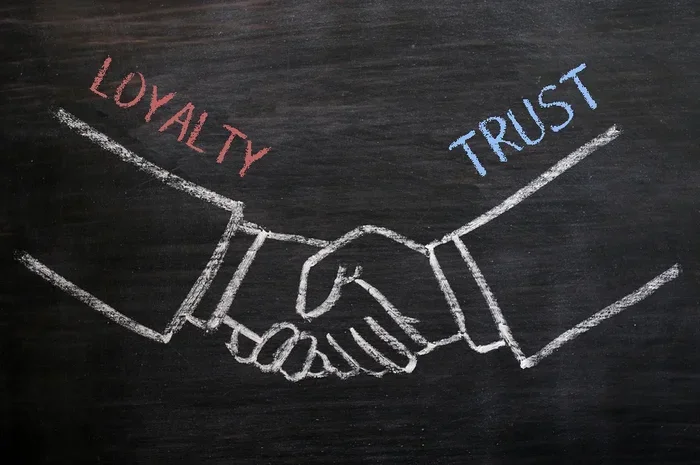
Is loyalty a sought after trait in today’s fast-paced dating world? Absolutely. People crave partners who show up, stay steady, and choose commitment even when things get messy. This guide breaks down why loyalty matters, how to recognize it early, and what happens when it goes missing.
Key Takeaways
- Loyalty builds emotional safety: When your partner stays consistent, you feel secure enough to be vulnerable.
- Trust grows through small daily choices: Loyalty is rarely one big gesture. It shows up in quiet moments.
- Red flags often hide behind charm: Overcomplimenting, mixed signals, and avoidance can mask disloyal patterns.
- Communication protects commitment: Honest talks about boundaries and expectations keep loyalty strong.
- Past experiences shape your loyalty needs: Healing from old wounds helps you spot real devotion faster.
- Loyalty is a two-way street: You must give steady support to receive it in return.
- Long-term happiness depends on reliability: Couples who choose each other daily report deeper satisfaction.
[FEATURED_IMAGE_PLACEHOLDER]
📑 Table of Contents
- Is Loyalty a Sought After Trait in Modern Relationships?
- Why Loyalty Matters More Than Ever
- Signs a Partner Truly Values Loyalty
- Why Some People Still Doubt Loyalty
- How Loyalty Protects Long-Term Love
- How to Build and Keep Loyalty Alive
- Common Mistakes That Undermine Loyalty
- When Loyalty Is Missing, What Then?
- Final Thoughts on Is Loyalty a Sought After Trait
Is Loyalty a Sought After Trait in Modern Relationships?
People ask this question all the time. Dating feels faster now. Swipe culture moves quickly. Conversations happen in short bursts. Yet something deep still pulls us toward steady love. Is loyalty a sought after trait? The answer is a clear yes. Most people want a partner who shows up. They want someone who stays kind when stress hits. They want a person who chooses the relationship even on hard days.
Loyalty gives you a sense of home. It removes the constant worry about where you stand. You do not have to guess if your partner cares. You do not have to brace for sudden distance. You can breathe. That peace matters more than flashy romance. Many people learn this lesson after messy breakups or confusing situations. They realize that charm fades fast. Consistency lasts. If you want to understand how to rebuild after a painful split, you may find helpful guidance in our piece on how to restart your life after a terrible breakdown.
Why Loyalty Matters More Than Ever
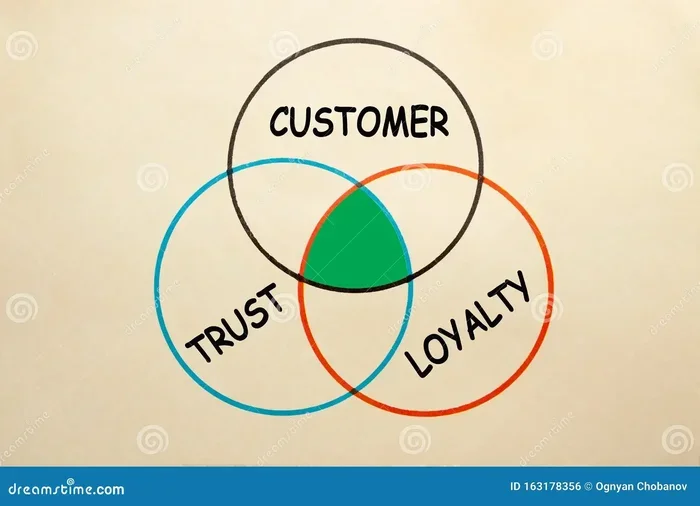
Visual guide about loyalty and trust relationship
Image source: thumbs.dreamstime.com
Modern life pulls us in many directions. Work demands grow. Social circles expand online. Distractions multiply. In this setting, loyalty becomes a rare anchor. It keeps two people centered on the same path. You can spot this value when someone follows through on small promises. They reply when they say they will. They remember what matters to you. They protect your peace.
Loyalty also reduces emotional noise. You spend less energy decoding mixed signals. You spend less time wondering if someone is playing you. That freedom lets love grow naturally. If you ever feel unsure about someone’s intentions, you can read more about signs a guy is playing you to learn what to watch for.
The Psychology Behind the Need for Loyalty
Human brains crave predictability. We feel calmer when we know what to expect. A loyal partner creates a safe rhythm. You learn their patterns. You trust their word. Over time, this trust lowers stress. It also helps you open up faster. Vulnerability feels less risky when someone proves they will not disappear.
How Loyalty Differs From Simple Devotion
Devotion can look intense for a short season. Loyalty survives longer. It stays steady through boredom, stress, and ordinary days. Devotion might shout. Loyalty whispers and keeps showing up. That quiet strength often matters most.
Signs a Partner Truly Values Loyalty
Visual guide about loyalty and trust relationship
Image source: mattmorris.com
Real loyalty leaves clear footprints. You do not need to hunt for proof. The behavior speaks for itself. Look for these patterns:
- They keep their word: They do what they promise, even with small things.
- They stay respectful during conflict: They avoid hurtful words when emotions run high.
- They protect your confidence: They do not share private details with others for drama.
- They include you in plans: They make room for you in their schedule and future thoughts.
- They check in consistently: They stay connected without needing a reason.
These habits may seem simple. Yet they build a strong foundation. If you want to understand what makes someone feel like a serious match, explore our guide on what is a girlfriend material for a broader view of healthy relationship qualities.
Consistency Over Grand Gestures
Big surprises feel exciting. They do not replace daily reliability. A partner who remembers your coffee order matters. A partner who sends a quick good-morning text matters. These small acts prove they think of you when you are not in the room.
How Loyalty Shows During Tough Moments
Hard times reveal character. When money gets tight, a loyal partner looks for solutions together. When family causes stress, they stay calm and supportive. When you feel low, they do not vanish. They sit with you. They help carry the weight. That is loyalty in action.
Why Some People Still Doubt Loyalty
Visual guide about loyalty and trust relationship
Image source: shutterstock.com
Many people carry old hurt into new relationships. A bad breakup can make someone question everyone. A family pattern can teach distrust. Someone may have watched adults break promises for years. That history can create a heavy shield. It also makes loyalty feel suspicious at first.
This reaction is normal. Healing takes time. If you are working through a major life shift, you might relate to the feelings discussed in how do you start trusting yourself after a midlife crisis. Rebuilding trust starts with small, safe experiences. You let people prove themselves in low-risk moments. You notice who stays. You notice who flakes. Slowly, your guard lowers where it should.
Past Hurt Can Cloud Judgment
Old pain can twist fresh signals. You may read neutral behavior as threatening. You may assume the worst before facts appear. That is why patience matters. Give yourself space to observe patterns over weeks, not hours.
Charm Can Mask Unreliable Behavior
Some people sound perfect early on. They praise you often. They move fast. They create a rush. But constant praise can sometimes feel off. If you want to understand when admiration crosses into pressure, check out how to know if a guy is overcomplimenting you. Real loyalty feels calm, not overwhelming.
How Loyalty Protects Long-Term Love
Loyalty acts like a buffer during rough seasons. Every relationship hits friction. Schedules clash. Misunderstandings happen. Exhaustion builds. A loyal couple does not quit at the first hard moment. They talk. They adjust. They return to each other.
This does not mean staying in unhealthy situations. Loyalty should never become silence about pain. If a relationship feels unsafe or one-sided, you deserve clarity. Some people also ask whether physical intimacy can justify staying in a bad dynamic. That is a complex question, and our article on is good sex worth staying in a bad relationship explores it with care.
Loyalty Lowers Anxiety
When you know your partner chooses you, your nervous system relaxes. You stop scanning for danger all the time. You sleep better. You argue less about basic trust. You can focus on building a life instead of defending your worth.
Loyalty Encourages Mutual Growth
A faithful partnership creates room for personal goals. You can chase work dreams. You can try new hobbies. You can heal old wounds. You do this with a steady supporter beside you. That support makes growth feel possible, not lonely.
Loyalty Helps You Weather Life Changes
People change over time. Bodies age. Careers shift. Families grow. Loyal partners adapt together. They do not treat normal change as betrayal. They treat it as shared life. That mindset keeps love alive through many seasons.
How to Build and Keep Loyalty Alive
Loyalty is not a one-time gift. It is a habit you protect. Both people must tend to it. Here are practical ways to strengthen it:
- Set clear expectations: Talk about boundaries, communication, and what commitment looks like to each of you.
- Follow through on small promises: Show reliability in everyday moments.
- Address issues early: Do not let resentment pile up. Speak kindly and directly.
- Celebrate each other: Notice effort. Say thank you. Appreciation fuels loyalty.
- Protect your connection: Make time for real conversations, not just logistics.
If you want phrases that help repair tension after a disagreement, see our list of powerful phrases that rebuild connection after a fight. Words matter. They can open a door when pride tries to shut it.
Make Trust a Daily Practice
Trust grows through repetition. You prove yourself in ordinary moments. You answer the text. You show up on time. You listen without fixing everything. Over time, these acts build a reputation of safety.
Keep Communication Honest and Kind
Loyalty weakens when people hide problems. Speak truth with care. Share worries before they become crises. Ask questions instead of guessing. Honest communication keeps loyalty from turning into assumption.
Recognize When Loyalty Needs Repair
Even strong couples drift. Life gets busy. Stress takes over. When that happens, do not panic. Reconnect. Apologize where needed. Recommit. If you are unsure whether to reach out first after tension, our guide on should i text him first after a fight offers a simple framework for taking the next step.
Common Mistakes That Undermine Loyalty
People often damage loyalty without meaning to. They assume the other person reads their mind. They withhold appreciation. They let small breaches slide until trust erodes. Here are the most common traps:
- Ignoring small letdowns: Repeated flaking teaches the other person they are not a priority.
- Using silence as punishment: Withholding contact creates fear, not respect.
- Comparing your partner to others: That habit breeds insecurity and defensiveness.
- Assuming loyalty means no boundaries: Healthy loyalty still needs honesty and limits.
- Waiting too long to address hurt: Delayed conversations turn into resentment.
Quick Tip: If you notice a pattern of distance, name it gently. Say what you feel and ask what is happening. Clarity beats guessing every time.
Common Mistake: Treating loyalty like a test. Love is not a trap. Do not try to catch someone in a flaw to prove they are unreliable. Build trust through openness instead.
Expert Insight: Relationship health improves when both people view loyalty as a shared project. One person cannot carry it alone. The effort must go both ways.
When Loyalty Is Missing, What Then?
Sometimes loyalty is not there. Someone may keep their options open too long. They may avoid defining the relationship. They may disappear when things get real. If that happens, pay attention. You do not need to force devotion that never arrives.
People sometimes wonder if a person is serious or just passing through. If you want to read about signs that someone is truly invested, our article on signs a single dad is serious about you offers a useful lens on commitment signals. The exact situation differs, but the principle stays the same. Look for consistent action over time.
Know Your Non-Negotiables
Decide what you need before you need it. Maybe you need honesty. Maybe you need regular time together. Maybe you need a partner who includes you in future plans. Write those needs down. Clear standards help you spot mismatches sooner.
Listen to Repeated Patterns
One mistake can happen. A pattern tells a different story. If someone repeatedly chooses others over you, believe the pattern. If someone repeatedly avoids labels, believe the pattern. Loyalty is shown in repetition.
Choose Yourself When Needed
Walking away from disloyal behavior is not failure. It is self-respect. You can leave with grace. You can leave with clarity. You can still hope for love while refusing to settle for less than steady care.
Final Thoughts on Is Loyalty a Sought After Trait
So, is loyalty a sought after trait? Yes, because people want safety, steadiness, and someone who stays. Loyalty turns love from a thrill into a home. It lowers fear. It builds trust. It helps couples grow through normal life, not just the highlight reel.
You can nurture loyalty by keeping your word, speaking honestly, and showing up in small ways. You can also protect yourself by watching for patterns, not just promises. Real devotion feels calm, consistent, and clear. When you find it, value it. When it is missing, honor your needs and move with wisdom. Love works best when both people choose each other again and again.
Frequently Asked Questions
What does loyalty look like in a healthy relationship?
Loyalty looks like steady actions, not just sweet words. A loyal partner keeps promises, respects boundaries, and chooses the relationship during stressful moments. They stay honest and protect the connection even when life gets busy.
Can loyalty exist without trust?
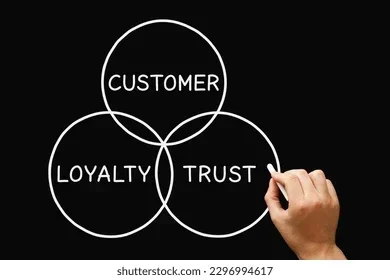
Loyalty and trust work best together. You can show loyalty through consistent behavior, but trust grows when that behavior proves reliable over time. Without trust, loyalty can feel uncertain and fragile.
How do I know if someone is truly loyal?
Watch for patterns over weeks and months. Notice if they follow through, communicate clearly, and stay respectful during disagreements. Real loyalty shows up in ordinary moments, not only during exciting ones.
Is loyalty the same as staying in a bad relationship?
No. Loyalty should never mean ignoring pain or accepting disrespect. Healthy loyalty includes honesty, mutual care, and safety. If a relationship feels harmful, leaving can be the wisest choice.
What breaks loyalty in a partnership?
Loyalty often breaks when people stop communicating, hide important truths, or repeatedly choose other priorities over the relationship. Small letdowns can also pile up until trust fades. Early honesty helps prevent this.
How can I rebuild loyalty after it has been damaged?
Rebuilding starts with clear communication and consistent behavior. Both people need to acknowledge the hurt, set expectations, and prove reliability through small daily actions. Patience matters, because trust returns slowly through repeated safe choices.
