
Brocode often sounds like a harmless set of rules among friends, but it can sometimes cross into emotional bullying. When guys use these unwritten laws to shame, control, or silence each other, the line between loyalty and harm gets blurry. This article explores whether brocode acts as a form of bullying and how it impacts mental health and friendships. You will learn to spot the warning signs and protect your self-esteem.
This is a comprehensive guide about Is Brocode A Form Of Bullying.

Visual guide about friendship loyalty conflict
Image source: laconciergepsychologist.com

Visual guide about friendship loyalty conflict
Image source: pawns.com.ng
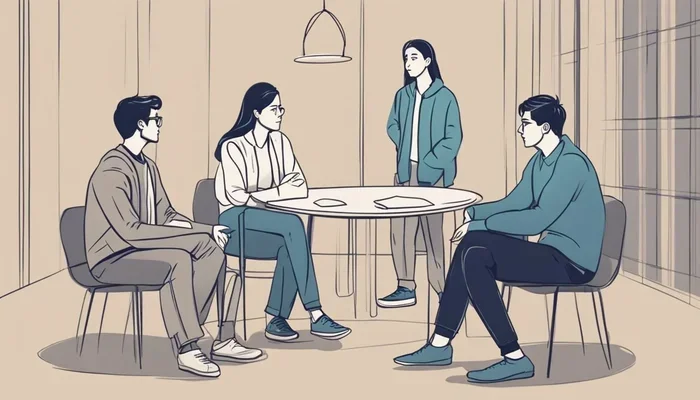
Visual guide about friendship loyalty conflict
Image source: images.squarespace-cdn.com
Key Takeaways
- Brocode can enable bullying: Unwritten rules may silence victims and protect harmful behavior within male friend groups.
- Emotional bullying is common: Shaming, exclusion, and humiliation often hide behind the guise of “just joking” or “bro code.”
- Mental health suffers: Constant pressure to conform can lead to anxiety, depression, and low self-worth.
- Loyalty vs. harm: True friendship supports growth, while toxic brocode demands silence and compliance.
- Recognize the signs: Watch for exclusion, ridicule, and pressure to ignore bad behavior from other guys.
- Set healthy boundaries: You can honor friendship without accepting abusive or bullying behavior.
- Speak up safely: Finding trusted allies and using clear communication helps break the cycle of silence.
[FEATURED_IMAGE_PLACEHOLDER]
Understanding the Brocode and Its Hidden Rules
The brocode is a set of unwritten rules that many men and boys follow in their friendships. It often talks about loyalty, sharing secrets, and standing by your friends. On the surface, it sounds like a simple way to build trust. Many people see it as a bond that keeps friends close. Yet, there is a darker side that people often miss.
Some rules in the brocode can turn toxic fast. They may tell you to never share a friend’s secret, even if that secret hurts someone. They may tell you to laugh at mean jokes or stay quiet when things go wrong. This creates a culture where emotional bullying can grow without anyone stopping it. The pressure to fit in can feel heavy. You might fear losing your spot in the group if you speak up.
It helps to look at how these rules start. Often, they begin as jokes or light teasing. Over time, they become expectations. A guy who breaks the code might get mocked, left out, or called weak. That kind of treatment can feel like bullying, even if the group calls it “just how we are.” The line between banter and harm gets thin when loyalty is used as a weapon.
Here are a few common brocode ideas that can slip into harmful territory:
- Never snitch on a friend, even when they hurt others.
- Always put the group above your own feelings.
- Laugh at the joke, even when it targets someone.
- Don’t show weakness or emotion around the guys.
These ideas can seem small at first. But they can build a space where toxic masculinity thrives. They can also make it hard to notice signs of bullying because the behavior gets wrapped in friendship. When loyalty means silence, hurtful actions stay hidden. That is why it is so important to question which rules help and which ones harm.
How Brocode Can Turn Into Emotional Bullying
Emotional bullying is about hurting someone’s feelings, status, or sense of safety. It does not always leave bruises. It often leaves shame, doubt, and fear. The brocode can feed this kind of harm when it rewards cruelty and punishes honesty. A person may be teased until they feel small. A person may be excluded for not fitting the group’s mold. A person may be pressured to act tough even when they are hurting.
This can happen in many ways. One common way is public humiliation. A guy makes a mistake, and the group turns it into a running joke. At first, it may feel light. Later, it can feel like a trap. The target may stop speaking up because they fear more ridicule. That is a classic bullying pattern. The group keeps going, and the targeted person keeps shrinking.
Another way is social exclusion. The brocode may create an inner circle that decides who belongs. If you do not act the right way, you may get frozen out. You might see photos, plans, or inside jokes that leave you out on purpose. Exclusion hurts. It can make people question their worth. It can also make them chase approval in unhealthy ways.
A third way is pressure to comply. Friends may say things like, “Don’t be soft,” or “That’s below you.” These phrases can shut down real feelings. They can also make people hide anxiety, sadness, or fear. When emotions get treated like weakness, mental health takes a hit. People may start believing they must suffer in silence to keep their place.
It is helpful to notice how these patterns feel in real life. Ask yourself a few simple questions:
- Do I feel safe being honest with this group?
- Do I get mocked when I set a boundary?
- Do I stay quiet to avoid being targeted?
- Do I feel worse about myself after hanging out?
If the answers lean toward “no,” then the brocode may be doing more harm than good. Friendship should not require self-erasure. Loyalty should not mean tolerating emotional abuse. When a group uses shame to control people, it stops being supportive and starts becoming toxic.
When Jokes Cross the Line
Jokes are a big part of male friendships. Humor can build connection and ease stress. But jokes can also be a cover for bullying. The difference is often in the impact, not just the intent. If a joke happens once and everyone laughs, it may be harmless. If the same joke keeps targeting one person, it becomes a pattern.
Pay attention to how the target reacts. A real laugh feels shared. A forced laugh feels safer than speaking up. If someone often changes the subject, goes quiet, or leaves the room, the joke may be hurting them. The brocode can make this worse if the group treats any complaint as “too sensitive.” That reaction can silence people and protect the bullying behavior.
A good rule is this: if the joke needs a victim to work, it is not a good joke. Healthy humor brings people together. Harmful humor pushes one person down to lift the group up. When you see that pattern, it is worth naming it. You do not need to start a fight. You can simply say, “That one stung,” or “Maybe lay off him.” Small interruptions can break the cycle.
The Link Between Brocode and Toxic Masculinity
Toxic masculinity is a term people use when male norms become rigid and harmful. It can show up as emotional suppression, aggression, and a refusal to show vulnerability. The brocode can feed these ideas when it treats toughness as the only acceptable way to be a man. That pressure can turn friendship into a performance.
This matters because performance is exhausting. A guy may feel he has to act confident all the time. He may feel he cannot ask for help. He may feel he cannot admit fear or sadness. When those feelings get buried, they do not disappear. They often come out as irritability, withdrawal, or risky behavior. In some cases, they come out as bullying toward others.
The brocode can also create a hierarchy. The “tough” guy gets respect. The “soft” guy gets mocked. That kind of ranking can encourage people to put others down just to stay on top. It can also make bystanders stay quiet because they fear becoming the next target. Silence is one of the biggest helpers of emotional bullying.
It is important to separate healthy masculinity from harmful versions. Healthy masculinity can include strength, yes, but also honesty, care, and accountability. A strong friend can say, “I was wrong.” A strong friend can check on someone who is struggling. A strong friend can refuse to join in when things get cruel. Those choices do not weaken the group. They make it safer.
If you want a healthier path, try these steps:
- Allow emotions without labeling them as weakness.
- Reward honesty, not just compliance.
- Call out cruelty, even when it comes from a close friend.
- Check on the person who gets teased the most.
These shifts can reduce the pressure that fuels bullying. They can also make friendships more real. People do better when they do not have to wear a mask all the time.
Signs Your Friend Group Is Bullying, Not Bonding
It can be hard to tell the difference between roughhousing and bullying. Friend groups often say, “We’re just messing with each other.” That phrase can hide a lot. The key is to look for patterns. One awkward moment is not the same as repeated harm. A pattern of hurt is a red flag.
Here are some signs of bullying to watch for in a male friend group:
- One person is the regular target of teasing.
- The group laughs at someone’s expense more than with them.
- People fear speaking up because they might get mocked.
- Boundaries get ignored after someone says “stop.”
- Exclusion is used as punishment.
- Secrets are used to control or threaten.
Another sign is the reaction when someone gets hurt. In a healthy group, people notice and adjust. In a bullying dynamic, the group may defend the behavior and blame the hurt person. That response can feel like emotional abuse because it denies the pain and shifts responsibility. It can also make the targeted person doubt their own experience.
It helps to compare healthy bonding with harmful dynamics. This can make the difference clearer.
| Healthy Bonding | Bullying Disguised as Brocode |
| Teasing is mutual and light. | Teasing targets one person repeatedly. |
| People can say “not funny” without fear. | Complaining gets mocked or dismissed. |
| Exclusion happens by chance, not punishment. | People get left out on purpose to send a message. |
| Mistakes are forgiven or joked about briefly. | Mistakes become permanent labels. |
| Friends protect each other’s dignity. | Friends protect the group’s image over the person. |
If you see more of the right column than the left, the group may be crossing into bullying territory. That does not mean every friend is bad. It does mean the culture needs a reset. A friendship should not require you to endure repeated humiliation.
How Brocode Affects Mental Health and Self-Esteem
The brocode can affect more than just the moment. It can shape how a person sees themselves. When someone is constantly teased, excluded, or pressured to stay silent, their self-esteem can drop. They may start believing they are the problem. They may think they are too sensitive, too weak, or too different. That kind of self-doubt is painful.
Over time, this can affect mental health in real ways. A person may feel anxious before seeing the group. They may dread text messages or group plans. They may feel tired from keeping up a front. Some people become irritable or shut down. Others may try to earn approval by joining in the bullying, even if it hurts their own values. That creates a hard inner conflict.
This is especially tough when the group feels like a person’s main social world. If the brocode is the only place someone feels accepted, leaving can feel scary. That fear can keep people trapped in harmful dynamics. It can also make them minimize the pain because they do not want to lose the friendship. But staying in a hurtful space can slowly wear a person down.
Some common mental and emotional effects include:
- Constant second-guessing of your worth.
- Fear of being authentic.
- Stress from monitoring what you say.
- Shame after being mocked.
- Trouble trusting other friends.
These effects can spill into other parts of life too. A person may become less confident at work, school, or in dating. They may carry the same silence into other relationships. That is why this issue matters beyond the friend group. What starts as “just brocode” can shape a person’s broader sense of safety and self-respect.
If you recognize this pattern in yourself, start small. You do not need to fix everything overnight. You can test the waters by setting one boundary. You can notice who respects it and who pushes back. That alone can tell you a lot about the group’s true character.
Setting Boundaries Without Losing Real Friends
A lot of people worry that setting a boundary will cost them their friends. That fear is understandable. The brocode often teaches that speaking up is disloyal. But real loyalty should not require self-harm. A good friend can handle a honest conversation. A toxic group may punish you for it. That reaction tells you something important.
The first step is to be clear and simple. You do not need a long speech. You can say, “I’m not cool with that joke,” or “Please stop bringing that up.” Clear words are stronger than vague discomfort. They also make it harder for the group to pretend nothing happened. If the group respects you, they will adjust. If they mock you, you have your answer.
It also helps to choose the right moment. A private conversation can feel safer than a public showdown. You can talk one-on-one with the person who leads the teasing. You can say, “I know you’re joking, but it lands hard for me.” That kind of message is direct without being aggressive. It gives the other person a chance to do better.
Here are a few boundary-setting tips that can help:
- Use short, calm statements.
- Focus on your feelings, not their character.
- Repeat the boundary if needed.
- Step back from people who ignore it.
- Spend more time with friends who feel safe.
Sometimes the hardest part is accepting that not every friendship is worth keeping. That can hurt. It can also be freeing. You may find that the people who truly care about you stay. The ones who only wanted compliance fade. That is not loss. That is clarity.
If you are worried about backlash, look for support outside the group. Talk to someone you trust. Share what is happening. Sometimes just naming it out loud reduces the power of the brocode. It reminds you that you are not trapped. You have choices.
When to Walk Away
There are times when a group is too tangled in emotional bullying to change. You may see the same behavior again and again. You may ask for respect and get ridicule instead. You may feel drained every time you leave the group chat. In those moments, walking away can be the healthiest choice.
Leaving does not have to be dramatic. You can fade out slowly or step back clearly. You can stop joining the plans that feel unsafe. You can mute the group chat. You can invest in other connections. The goal is not to make a big scene. The goal is to protect your peace.
It may help to remember that distance is not failure. It is self-respect. A friendship that only works when you stay silent is not a safe home base. You deserve people who can laugh with you, not at you. You deserve a circle where you do not have to perform to belong.
Final Thoughts on Brocode and Bullying
So, is brocode a form of bullying? It can be, when it turns loyalty into pressure and silence into control. The rules themselves are not evil. The problem comes when they protect harmful behavior and punish honesty. That is when brocode stops looking like friendship and starts looking like a tool for emotional bullying.
The good news is that you can change the culture around you. You can choose humor that includes instead of excludes. You can speak up when a joke lands wrong. You can support the person who gets targeted. You can also step back from groups that refuse to respect your boundaries. Those choices matter. They protect your self-esteem and your mental health.
Friendship should make life lighter, not heavier. It should give you room to be human. If the brocode in your group leaves no room for that, it may be time to question the rules. Real strength is not pretending nothing hurts. Real strength is facing the truth and choosing better.
Frequently Asked Questions
What is the brocode in simple terms?
The brocode is an unwritten set of rules that some men follow in friendships, often around loyalty, secrets, and group behavior. It can sound harmless, but it becomes a problem when it encourages silence or cruelty.
Can brocode be a form of emotional bullying?
Yes, it can. When the brocode pressures someone to stay quiet, laugh at mean jokes, or tolerate humiliation, it can support emotional bullying. The harm comes from repeated control, not just one joke.
How do I know if my friends are bullying me?
Look for patterns like repeated teasing aimed at you, exclusion that feels like punishment, or fear of speaking up. If you often feel smaller after hanging out, that is a strong warning sign.
What should I do if the brocode feels toxic?
Start by setting one clear boundary and noticing how your friends react. Spend more time with people who respect you, and step back from those who mock your limits.
Is it possible to keep male friendships without toxic brocode?
Absolutely. Healthy male friendships can include humor, loyalty, and honesty without cruelty. The key is allowing real feelings and respecting boundaries.
Why do some people stay silent in toxic friend groups?
People often stay silent because they fear losing their place in the group or becoming the next target. That fear can make bullying feel normal, even when it hurts.
When should I walk away from a friend group?
Consider walking away if the group repeatedly ignores your boundaries, targets you, or makes you feel unsafe being yourself. Protecting your peace is a healthy choice.
