
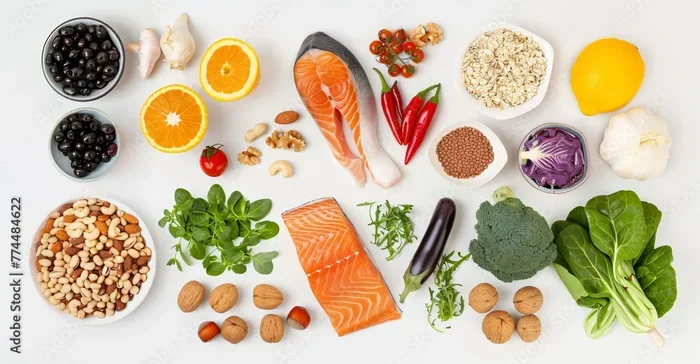
If you’re aiming for a healthier lifestyle, adding these 8 superfoods can transform your daily energy and long-term wellness. Small food choices create big results when you focus on whole, nutrient-rich options. This guide breaks down simple swaps that fit real life. You will learn how to build meals that fuel your body without stress. Start with one food and watch your habits grow naturally.
Changing your daily habits can feel heavy at first. You may think you need a complete overhaul to see real results. The truth is much simpler. Small food choices add up fast when you focus on nutrient-dense options. If you’re aiming for a healthier lifestyle, the best place to start is your plate.
Superfoods are not magic. They are simply foods packed with vitamins, minerals, fiber, and healthy compounds that support your body. When you add them regularly, you give your system the fuel it actually wants. That means better energy, smoother digestion, and a stronger sense of well-being. You do not need fancy ingredients or expensive powders. You just need a few reliable staples.
In this guide, we will walk through eight simple superfoods that fit easily into real life. You will see how to use them, why they matter, and how they support a healthier lifestyle without making you feel deprived. Let’s keep this practical, friendly, and easy to follow.
Key Takeaways
- Start small: Add one superfood at a time to build lasting habits without feeling overwhelmed.
- Focus on whole foods: Real ingredients like berries, greens, and nuts deliver the best nutrition for daily health.
- Balance matters: Pair superfoods with protein, healthy fats, and fiber for steady energy throughout the day.
- Consistency beats perfection: Regular simple choices create better results than occasional extreme diets.
- Hydration supports nutrition: Water helps your body absorb nutrients and keeps your energy stable.
- Listen to your body: Notice how different foods affect your mood, digestion, and focus.
- Make it enjoyable: Tasty meals and simple recipes help you stick with a healthier lifestyle long term.
📑 Table of Contents
- 1. Berries: Small Foods With Big Antioxidant Power
- 2. Leafy Greens: The Everyday Nutrient Base
- 3. Nuts and Seeds: Tiny Sources of Steady Energy
- 4. Fatty Fish: A Smart Choice for Heart and Brain Support
- 5. Whole Grains: The Steady Fuel Your Body Likes
- 6. Legumes: Affordable Plant Protein That Fills You Up
- 7. Yogurt and Fermented Foods: Gut-Friendly Daily Support
- 8. Water-Rich Foods: Hydration That Supports Every Habit
- How to Combine These Superfoods Without Overthinking It
- Common Mistakes That Slow Progress
- Expert Insights: What Really Helps Long Term
- Final Thoughts on Building a Healthier Lifestyle
1. Berries: Small Foods With Big Antioxidant Power
Berries are one of the easiest superfoods to add to your day. They taste sweet, look bright, and bring a strong dose of plant compounds that help protect your cells. If you’re aiming for a healthier lifestyle, berries are a simple win because they work well in breakfast, snacks, and desserts.
Why Berries Deserve a Spot on Your Plate
Berries contain natural plant nutrients that support your body’s defense systems. They also bring fiber, which helps you feel full and keeps your digestion moving. Unlike processed sweets, berries give you flavor without a heavy sugar crash. That makes them a smart choice when you want something sweet and nourishing.
Easy Ways to Eat More Berries
- Add a handful to oatmeal or yogurt
- Blend them into smoothies with banana and water
- Keep frozen berries on hand for quick snacks
- Mix them into salads for a fresh pop of flavor
- Use them as a topping for whole-grain toast with nut butter
Quick Tip: Frozen berries are just as useful as fresh ones. They are often more affordable and last longer, which makes healthy eating easier on busy days.
If you want a simple habit, try adding berries to one meal each day. That small change can make your meals feel more vibrant and satisfying. It also helps you build a positive relationship with food, which matters a lot when you’re creating a healthier lifestyle.
2. Leafy Greens: The Everyday Nutrient Base
Leafy greens are a quiet powerhouse. They bring minerals, fiber, and a wide range of vitamins that support daily body function. If you’re aiming for a healthier lifestyle, greens can become your easiest building block because they pair well with almost everything.
What Makes Greens So Helpful
Greens offer a light, fresh base for meals that might otherwise feel heavy. They help add volume to your plate, which can make you feel satisfied without overeating. They also support healthy digestion and provide nutrients that help your body stay balanced.
Simple Ways to Use Leafy Greens
- Toss spinach into scrambled eggs
- Add kale to soups near the end of cooking
- Use lettuce or arugula in wraps and sandwiches
- Blend a handful of greens into fruit smoothies
- Serve broccoli or Swiss chard as a quick side dish
Common Mistake: Many people wait until greens wilt before using them. Instead, buy a small amount more often so you always have fresh options ready.
If greens feel boring, change the preparation. A little olive oil, lemon, garlic, or herbs can make a big difference. The goal is not to force yourself to eat foods you dislike. The goal is to find versions you actually enjoy.
3. Nuts and Seeds: Tiny Sources of Steady Energy
Nuts and seeds may be small, but they bring a strong mix of healthy fats, protein, and minerals. If you’re aiming for a healthier lifestyle, they can help you stay satisfied between meals and support more stable energy throughout the day.
Why They Work So Well
These foods digest slowly, which helps prevent sudden hunger spikes. They also add texture and flavor to meals, making healthy eating feel more enjoyable. A small portion can go a long way, so they are easy to keep in your routine without overdoing it.
Practical Ways to Add Them
- Sprinkle chia or flax seeds into yogurt or oatmeal
- Keep almonds or walnuts nearby for a quick snack
- Use sunflower seeds on salads for extra crunch
- Blend tahini or nut butter into dressings and sauces
- Pair a small handful of nuts with fruit for balance
Quick Tip: Choose unsalted or lightly roasted options when possible. That keeps the focus on the natural flavor and makes it easier to control added salt.
Nuts and seeds are also great for meal prep. You can portion them into small containers so you have a ready-to-go snack when you need one. That simple step can keep you from reaching for less nourishing options when you feel rushed.
4. Fatty Fish: A Smart Choice for Heart and Brain Support
Fatty fish is a strong addition to a healthier lifestyle because it provides healthy fats that your body uses for many important functions. If you enjoy seafood, this superfood can become a regular part of your weekly meals.
What Makes Fatty Fish Valuable
Fish like salmon, sardines, and mackerel contain fats that support heart and brain health. They also offer protein, which helps with muscle repair and keeps you feeling full. When you combine fish with vegetables and whole grains, you get a balanced meal that feels satisfying without being heavy.
Easy Ways to Enjoy It
- Bake fish with lemon and herbs for a simple dinner
- Add canned fish to salads for a quick protein boost
- Use fish in wraps with crisp vegetables
- Pair it with roasted sweet potatoes for a filling plate
- Try a light fish stir-fry with garlic and greens
Common Mistake: People sometimes avoid fish because they think it is complicated to cook. In reality, simple seasoning and steady heat are often enough. Start with easy recipes before moving to more creative ones.
If you do not eat fish often, start with one meal a week. Consistency matters more than perfection. Over time, you can build a routine that feels natural and enjoyable.
5. Whole Grains: The Steady Fuel Your Body Likes
Whole grains bring lasting energy and fiber to your day. If you’re aiming for a healthier lifestyle, they can replace refined grains in many meals without making you feel like you are giving up the foods you enjoy.
Why Whole Grains Help
Whole grains keep more of their natural fiber and nutrients than highly processed grains. That means they usually digest more slowly and support more stable energy. They also add a satisfying texture to meals, which makes healthy eating feel complete.
Simple Whole Grain Swaps
- Choose oatmeal instead of sugary cereals
- Use brown rice or quinoa in bowls and stir-fries
- Try whole-grain bread for sandwiches and toast
- Add barley or farro to soups and salads
- Use whole-wheat pasta when you want a heartier meal
Quick Tip: If whole grains feel too heavy at first, mix them with the grains you already enjoy. Gradual changes are often easier to maintain.
Whole grains work especially well when you pair them with protein and vegetables. That combination helps create meals that keep you energized longer and support a more balanced daily routine.
6. Legumes: Affordable Plant Protein That Fills You Up
Legumes are one of the most practical superfoods you can add. Beans, lentils, and peas offer plant-based protein, fiber, and a steady source of energy. If you’re aiming for a healthier lifestyle, legumes can make meals more filling without adding much cost.
What Makes Legumes So Useful
They are flexible, easy to store, and simple to use in many recipes. You can add them to soups, salads, wraps, and grain bowls. They also help create meals that feel substantial, which is helpful when you want to eat well without constant snacking.
Easy Ways to Use Legumes
- Add lentils to vegetable soup
- Use chickpeas in salads or roast them for crunch
- Mix black beans into grain bowls
- Try hummus as a dip for vegetables
- Replace some meat portions with beans in tacos or stews
Common Mistake: Some people skip legumes because they worry about digestion. Starting with smaller portions and drinking enough water can make the transition easier.
Legumes are also a great option for batch cooking. Prepare a pot once or twice a week, and you will have a ready base for several meals. That saves time and makes healthy choices more convenient.
7. Yogurt and Fermented Foods: Gut-Friendly Daily Support
Yogurt and other fermented foods can support a balanced gut, which plays a role in digestion and overall comfort. If you’re aiming for a healthier lifestyle, these foods can be a gentle way to add variety to your routine.
Why They Matter
Fermented foods bring live cultures and a tangy flavor that many people enjoy. They can make meals feel more diverse and satisfying. Yogurt also offers protein and calcium, which makes it a useful base for breakfast or snacks.
Simple Ways to Include Them
- Choose plain yogurt and add your own fruit
- Use kefir in smoothies for a creamy texture
- Add sauerkraut or kimchi as a side dish
- Use fermented toppings sparingly so the flavor stays balanced
- Pair yogurt with nuts or seeds for a more filling snack
Quick Tip: Look for options with little added sugar. That makes it easier to enjoy the natural taste and keeps your meals more nourishing.
Fermented foods do not need to be the center of every meal. Even a small serving can add variety and support a more rounded diet. The key is choosing versions you actually like, so you keep coming back to them.
8. Water-Rich Foods: Hydration That Supports Every Habit
Hydration is one of the most overlooked parts of a healthier lifestyle. Water-rich foods can help you meet your fluid needs while also adding vitamins and fiber. If you’re aiming for a healthier lifestyle, this is a simple habit that supports everything else.
Why Hydration Matters
Your body uses water for digestion, circulation, temperature control, and energy. When you are even slightly dehydrated, you may feel sluggish or unfocused. Water-rich foods can make hydration feel easier because they add flavor and texture along with fluids.
Foods That Help You Stay Hydrated
- Cucumber slices as a snack or salad addition
- Watermelon for a refreshing dessert
- Citrus fruits in water or salads
- Tomatoes in sandwiches and bowls
- Leafy greens with high water content
Common Mistake: Many people wait until they feel thirsty to drink water. A better habit is to sip regularly and include water-rich foods throughout the day.
You can make hydration more enjoyable by adding fruit slices, herbs, or a splash of juice to water. The goal is to create a routine that feels easy, not forced.
How to Combine These Superfoods Without Overthinking It
The best part of these eight superfoods is that they work well together. You do not need a perfect meal plan. You just need a few reliable combinations that fit your taste and schedule. If you’re aiming for a healthier lifestyle, simplicity is your friend.
Build Balanced Plates With Ease
A balanced plate usually includes a base, a protein source, some vegetables, and a touch of healthy fat. Superfoods can fit into each part of that structure. For example, you might combine leafy greens, beans, brown rice, and a few seeds for a satisfying meal. Or you could pair berries, yogurt, and nuts for breakfast.
A Simple Daily Approach
- Add one superfood to breakfast
- Include a vegetable or fruit at lunch
- Choose a filling protein and grain at dinner
- Keep a snack ready with nuts, fruit, or yogurt
- Drink water consistently throughout the day
Quick Tip: Do not try to change everything at once. Pick one meal to improve this week, then build from there. Small wins create momentum.
Common Mistakes That Slow Progress
Even with good intentions, it is easy to fall into habits that make healthy eating feel harder than it should be. If you’re aiming for a healthier lifestyle, avoiding these traps can help you stay on track.
Mistake 1: Trying to Be Perfect
Perfect eating is not realistic for most people. A better goal is steady progress. If you miss a meal goal or choose convenience food sometimes, that does not erase your effort. Keep going.
Mistake 2: Relying on Expensive Products
You do not need pricey powders or specialty items to eat well. Basic whole foods can do most of the work. Focus on what is affordable, accessible, and enjoyable for you.
Mistake 3: Ignoring Taste
If your meals do not taste good, you will not stick with them. Use herbs, spices, healthy fats, and simple cooking methods to make food satisfying. Enjoyment matters.
Mistake 4: Forgetting Consistency
One great meal will not transform your health. Repeated simple choices will. Think in terms of weekly habits, not single days.
Expert Insights: What Really Helps Long Term
The most effective healthy eating plans are the ones you can maintain. That means they should fit your budget, your schedule, and your preferences. If you’re aiming for a healthier lifestyle, the goal is not to follow a strict formula. The goal is to create a routine that supports your life.
It also helps to pay attention to how foods make you feel. Some people feel better with more protein. Others feel better with more fiber or more frequent meals. There is no single perfect pattern for everyone. Your body gives you feedback every day, and that feedback is worth listening to.
Another helpful insight is that environment matters. If healthy foods are easy to see and easy to grab, you are more likely to choose them. That is why simple prep, clear storage, and realistic planning make such a big difference.
Final Thoughts on Building a Healthier Lifestyle
If you’re aiming for a healthier lifestyle, these 8 superfoods can give you a strong starting point. Berries, leafy greens, nuts, seeds, fatty fish, whole grains, legumes, yogurt, fermented foods, and water-rich foods all bring something useful to your day. You do not need to use them all at once. Start with one or two that feel easy, then build from there.
Healthy living is not about strict rules. It is about making choices that help you feel better more often. When you focus on simple, nourishing foods, you create a routine that supports energy, balance, and long-term well-being. Keep it gentle, keep it practical, and let your habits grow one meal at a time.
Frequently Asked Questions
What are the easiest superfoods to add to a busy day?
Berries, nuts, yogurt, and leafy greens are some of the easiest superfoods to use because they need very little prep. You can add them to breakfast, snacks, or quick meals without much effort.
Can I eat superfoods if I am trying to save money?
Yes. Beans, lentils, oats, frozen berries, and seasonal vegetables are affordable options that still offer strong nutrition. Buying in bulk and using frozen foods can also help you stretch your budget.
Do I need to eat all 8 superfoods every day?
No. You do not need to use every superfood daily. The goal is to include a variety over time so your meals stay balanced and enjoyable. Consistency matters more than perfection.
What is the best way to start a healthier lifestyle without feeling overwhelmed?
Start with one small change, like adding berries to breakfast or swapping in whole grains at lunch. Small steps are easier to maintain and often lead to bigger habits over time.
Are superfoods enough to improve my health on their own?
Superfoods can support better health, but they work best as part of an overall routine that includes balanced meals, hydration, sleep, and regular movement. No single food can do everything.
How do I know which superfoods work best for my body?
Pay attention to how different foods affect your energy, digestion, and satisfaction after meals. The best choices are the ones that help you feel good and fit naturally into your routine.
