
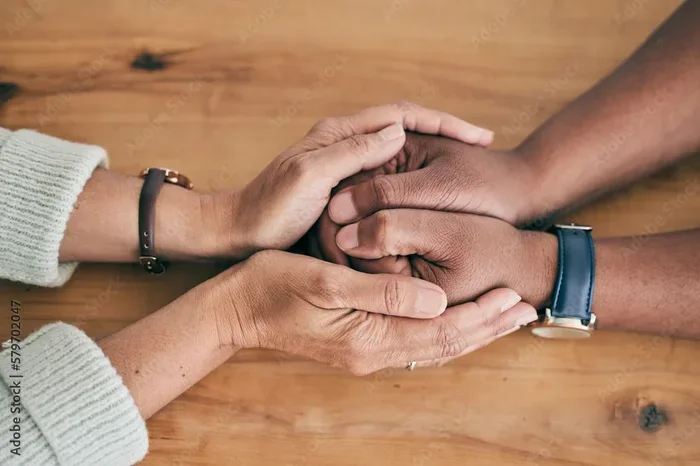
Do you feel like your partner constantly needs reassurance or worries you will leave? These could be clear signs of an anxious attachment style in relationships. Understanding these patterns helps you respond with empathy instead of frustration. You can learn to support their emotional needs while protecting your own boundaries.
Relationships bring joy, comfort, and growth. They also bring challenges. Sometimes those challenges come from how we attach to each other. If your partner displays certain patterns, they may be showing signs of an anxious attachment style. Recognizing these signs early helps you understand their behavior. It also helps you respond in ways that strengthen your bond.
Attachment styles shape how we connect, trust, and handle closeness. People with an anxious attachment style often crave intimacy. They also fear rejection. This mix creates unique relationship dynamics. You might notice your partner asking for extra reassurance. You might feel confused by their strong reactions to small things. These behaviors are not about control. They are about safety. When you understand the root of these actions, you can navigate them with more patience and clarity.
Key Takeaways
- Constant Reassurance Seeking: Anxious partners often need frequent validation to feel safe in the relationship.
- Fear of Abandonment: They may interpret small changes in your behavior as signs you are pulling away.
- Hyper-Vigilance to Cues: They closely monitor texts, tone, and actions for hidden meanings.
- Emotional Overreaction: Stress or conflict can trigger intense emotional responses due to attachment wounds.
- Clinginess vs. Connection: What looks like clinginess is often a deep desire for secure emotional connection.
- Communication Is Key: Open, consistent communication helps reduce anxiety and build trust over time.
- Professional Support Helps: Therapy and attachment-focused resources can guide both partners toward secure bonding.
📑 Table of Contents
- Understanding Anxious Attachment Style Signs in Relationships
- Constant Reassurance Seeking and Validation Needs
- Fear of Abandonment and Emotional Sensitivity
- Clinginess, Space, and the Push-Pull Dynamic
- Communication Patterns That Reveal Attachment Anxiety
- Practical Ways to Support a Partner With Anxious Attachment
- When to Seek Extra Support and Build Long-Term Security
Understanding Anxious Attachment Style Signs in Relationships
Attachment theory explains how early experiences shape our adult relationships. People with an anxious attachment style often grew up with inconsistent caregiving. They learned to watch for signs of love or distance. As adults, they bring that same vigilance into romantic partnerships. This does not mean they are broken. It means they developed a survival strategy that once helped them cope.
In adult relationships, this style shows up in predictable ways. You may notice your partner worries about where you stand. They may need frequent check-ins. They may read deeply into your words or actions. These anxious attachment style signs are common. They reflect a nervous system that stays alert for threat. When you see the pattern, you can separate the behavior from the person. That shift changes everything.
What Triggers Anxious Attachment Behaviors?
Triggers vary from person to person. Common triggers include delayed replies, changes in routine, or emotional distance. A partner who is quiet after work may feel like rejection to someone with attachment anxiety. A canceled plan can feel like proof that they are not a priority. These reactions feel intense because the brain interprets uncertainty as danger.
Understanding triggers helps you respond wisely. You do not need to walk on eggshells. You do need to recognize that certain moments activate their attachment system. When you name the trigger, you reduce its power. You also create space for calm communication.
How Anxious Attachment Differs From Other Styles
Attachment styles exist on a spectrum. An anxious attachment style focuses on closeness and fear of loss. An avoidant style focuses on independence and discomfort with too much intimacy. A secure style balances connection and autonomy. Some people show mixed traits, especially under stress. Knowing the difference helps you avoid misreading your partner.
For example, an avoidant partner may pull back when things get close. An anxious partner may move closer when things feel uncertain. Both reactions make sense in their own context. Neither reaction is a character flaw. Both are attempts to regulate emotion. When you understand this, you stop taking behaviors personally.
Constant Reassurance Seeking and Validation Needs
One of the most noticeable anxious attachment style signs is a strong need for reassurance. Your partner may ask if you still care. They may want to know where they stand. They may seek validation after social events or difficult conversations. This behavior can feel repetitive. It often comes from a deep fear of being forgotten or replaced.
Reassurance seeking is not manipulation. It is a request for emotional safety. People with attachment anxiety often doubt their own worth in relationships. They look outside themselves to calm that doubt. When you understand this, you can respond in ways that soothe rather than escalate.
Healthy Ways to Offer Reassurance
You can offer reassurance without losing your boundaries. Consistency matters more than grand gestures. Small, steady signals build trust over time. Try these approaches:
- Use clear, direct language. Say what you mean instead of hinting.
- Keep your words and actions aligned. Mixed signals increase anxiety.
- Check in regularly. A simple text or quick conversation can reduce uncertainty.
- Validate feelings without fixing everything. Let them know their emotions make sense.
- Set predictable routines. Predictability lowers the fear of sudden loss.
These habits help create a secure relationship environment. They also teach your partner that safety does not require constant proof. Over time, consistent care can reduce the intensity of reassurance seeking.
When Reassurance Becomes a Loop
Sometimes reassurance does not calm anxiety for long. Your partner may feel better for a moment, then worry returns. This cycle can exhaust both people. It often happens when the underlying fear has not been addressed. The goal is not to answer the same question forever. The goal is to build internal security alongside external support.
If you notice this loop, pause and look deeper. Ask what feeling sits beneath the question. Is it fear of abandonment? Fear of being too much? Fear of being not enough? Naming the feeling opens the door to real healing. You can also explore attachment-focused communication that addresses the root instead of the symptom.
Fear of Abandonment and Emotional Sensitivity
Fear of abandonment sits at the center of anxious attachment style signs. This fear can show up in many forms. Your partner may worry you will leave without warning. They may overthink quiet moments. They may react strongly to conflict. These responses are intense because the stakes feel life-or-death to their nervous system.
This does not mean your partner is dramatic. It means their attachment system activates quickly. When they sense distance, their body prepares for loss. That preparation can look like pleading, withdrawing, or protesting. Understanding this helps you see the behavior as protection, not punishment.
Reading Emotional Cues Correctly
People with attachment anxiety often become highly attuned to cues. They may notice tone changes, body language, or delays in communication. They may assign meaning to small events. Sometimes they are right. Sometimes they are filling in gaps with fear. Either way, the experience feels real to them.
You can help by making your intentions clearer. If you need space, say why. If you are quiet because you are tired, say that. If you are upset, explain what is happening. Clear communication reduces the chance that your partner will interpret silence as rejection. It also models healthy emotional regulation in the relationship.
Supporting Them Through Emotional Waves
When fear rises, logic alone rarely helps. The nervous system needs safety first. You can support your partner by staying present and calm. Try these steps:
- Acknowledge the emotion. Say you see their distress.
- Stay regulated yourself. Your calm can help lower their alarm.
- Avoid dismissing the fear. Minimization often increases anxiety.
- Offer connection without overpromising. Be honest and kind.
- Return to the topic later. Discuss patterns when both of you feel steady.
These moments are opportunities to build trust. Each time you respond with care, you reinforce that the relationship can hold hard emotions. That experience slowly rewires the fear response.
Clinginess, Space, and the Push-Pull Dynamic
Many people mistake anxious attachment for clinginess. The behavior can look similar on the surface. A partner may want more time together. They may feel uneasy when you are apart. They may seek constant contact. Underneath that behavior is usually a fear of losing connection, not a desire to control you.
This creates a tricky dynamic. You may want healthy space. Your partner may experience that space as threat. If you pull away without explanation, their anxiety can spike. If you crowd them to keep the peace, you may feel drained. The balance lies in honest needs and predictable connection.
Why Space Can Feel Dangerous
For someone with attachment anxiety, distance can trigger memories of inconsistency. If love felt unpredictable in the past, space may feel like abandonment. The brain tries to solve the problem by seeking closeness fast. That is why separation can feel so charged. It is not just about the present moment. It is about old wounds being reactivated.
You can make space feel safer by framing it clearly. Say when you will be available. Say what you need and why. Reassure them that space is about restoration, not rejection. Over time, this teaches the nervous system that distance does not always mean loss.
Finding a Balance That Works for Both of You
A healthy relationship needs both connection and autonomy. You can honor your need for independence while respecting your partner’s need for security. The key is negotiation, not sacrifice. Consider these practices:
- Agree on check-in rhythms. Choose a pace that feels workable.
- Define what space means. Clarify that it is temporary and purposeful.
- Share your needs without blame. Use “I” language.
- Plan reconnection moments. A simple return to connection reduces panic.
- Review what works. Adjust as your relationship grows.
Balance is not a fixed point. It is an ongoing conversation. When both partners feel heard, the push-pull dynamic softens.
Communication Patterns That Reveal Attachment Anxiety
Words matter, but patterns matter more. People with an anxious attachment style often communicate in ways that reflect their fear of disconnection. They may ask repeated questions. They may apologize quickly to restore harmony. They may express worry through urgency or emotion. These patterns reveal a desire to stay connected at all costs.
You may also notice protest behaviors. These are actions meant to regain attention or certainty. They can include heightened emotion, repeated messaging, or testing your responsiveness. Protest behaviors usually say, “I am scared.” They do not always say, “I am angry.” Reading them this way changes how you respond.
Turning Protest Into Clear Requests
Protest behaviors are messy, but they are informative. They show where the relationship feels uncertain. You can help by inviting clearer communication. Ask what they need in the moment. Encourage direct requests instead of indirect signals. Over time, this reduces confusion and emotional escalation.
You can also share your own communication preferences. Let your partner know how you express care. Explain how you handle stress. When both people understand each other’s language, attachment anxiety has less room to spiral.
Building Predictable Emotional Safety
Predictability is a powerful antidote to anxiety. You do not need perfect harmony. You need reliable patterns. Try building small rituals that signal safety:
- Daily check-ins. A brief moment to connect.
- Consistent follow-through. Do what you say you will do.
- Calm conflict repair. Return to the conversation after tension.
- Affirmation of commitment. Remind each other why you choose this bond.
- Shared meaning. Talk about values, goals, and what the relationship represents.
These habits create a foundation of trust. They also support emotional security for both partners. When safety is built into daily life, anxiety has less fuel.
Practical Ways to Support a Partner With Anxious Attachment
Supporting a partner with anxious attachment style signs does not mean fixing them. It means creating conditions where they can feel safe enough to grow. You can do this while still honoring your own needs. Healthy support is mutual. It includes empathy, clarity, and boundaries.
Start by noticing what calms them. Some people need words. Others need presence. Some need reassurance that you are returning later. Learn their comfort signals. Then share your own. This exchange builds a shared map of the relationship.
What Helps Most
The most helpful responses are usually simple and steady. They include:
- Consistency over intensity. Small reliable actions matter more than dramatic gestures.
- Clear boundaries. Kind limits reduce confusion and resentment.
- Emotional validation. Let feelings be felt without rushing to erase them.
- Patience with progress. Attachment patterns change slowly.
- Team mindset. Frame challenges as something you face together.
These approaches help your partner feel seen. They also protect the relationship from burnout. Support should not mean self-abandonment. You can care deeply and still maintain your own center.
Common Mistakes to Avoid
Even well-meaning support can go sideways. Watch for these traps:
- Dismissing the fear. Saying “you are overreacting” usually increases distress.
- Overcompensating. Constant appeasement can reinforce anxiety instead of reducing it.
- Ignoring your own needs. Resentment grows when one person carries everything.
- Assuming love should be effortless. Attachment work takes time and intention.
- Waiting for them to change first. Both partners shape the dynamic.
Avoiding these mistakes keeps the relationship healthy. It also models the security you want to see.
When to Seek Extra Support and Build Long-Term Security
Sometimes attachment patterns run deep. If anxiety repeatedly disrupts the relationship, outside support can help. Couples counseling, individual therapy, or attachment-informed coaching can provide tools you cannot build alone. Seeking help is not a failure. It is a wise step toward lasting stability.
Long-term security grows through repetition. Every calm repair, every honest conversation, and every consistent action adds up. Over time, your partner may begin to internalize safety. Their nervous system may learn that love can be steady. Yours may learn that space and closeness can coexist. That is the heart of secure attachment in action.
A Note on Mutual Growth
You do not need to diagnose your partner to be compassionate. You only need to notice patterns and respond with care. If you recognize anxious attachment style signs, use that awareness to build a better dynamic. Ask what helps. Share what you need. Keep showing up with honesty. Relationships thrive when both people feel safe enough to be real.
If you want to understand more about how attachment shows up in daily life, you may find it helpful to read about how to meet the needs of an avoidant attachment style and signs an avoidant ex misses you even if they wont say it. These perspectives can broaden your understanding of attachment patterns across different relationship situations.
Final Thoughts
Love is not only about affection. It is also about safety, rhythm, and trust. When you can spot anxious attachment style signs, you gain clarity. You stop chasing mystery and start building understanding. That shift can transform tension into connection. It can also help you create a relationship where both people feel valued, seen, and calm.
Frequently Asked Questions
What are the most common anxious attachment style signs?
The most common signs include frequent reassurance seeking, fear of abandonment, and strong reactions to perceived distance. You may also notice hyper-awareness of your tone, texts, or availability. These behaviors usually reflect a need for emotional safety rather than control.
Is anxious attachment the same as being clingy?
Not exactly. Clinginess describes a behavior, while anxious attachment describes an underlying pattern of relating. A person with an anxious attachment style may seem clingy because they fear losing connection. The behavior often comes from insecurity and a heightened alert system, not from a desire to trap you.
Can anxious attachment change over time?
Yes, attachment patterns can shift with awareness, consistency, and supportive relationships. Repeated experiences of reliability and calm repair can help the nervous system feel safer. Many people also benefit from therapy or intentional relationship work that builds secure habits.
How should I respond when my partner feels abandoned?
Start by staying calm and acknowledging their feelings without dismissing them. Offer clear information about your availability and intentions. If you need space, explain why and when you will return. Predictability and respectful reassurance usually help more than logic alone.
What if my partner’s anxiety feels overwhelming?
Set kind boundaries while remaining compassionate. You can support their feelings without absorbing all the emotional weight. If the pattern keeps disrupting the relationship, consider counseling or individual support. Healthy relationships need both empathy and balance.
Does anxious attachment mean my partner is insecure?
It often points to insecurity around connection, but that does not define their worth. Anxious attachment usually develops from past experiences that made love feel unpredictable. With patience and steady support, many people learn to feel more secure in themselves and in the relationship.
