
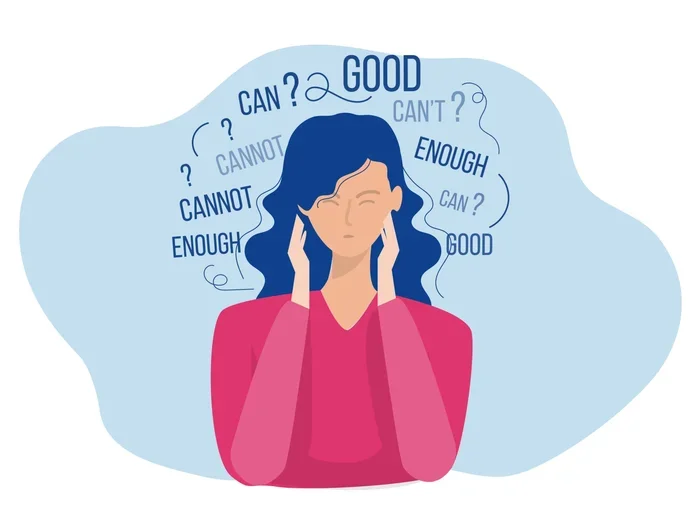
Many people struggle silently with negative internal dialogue that erodes their self worth every single day. When you repeat certain destructive thoughts, you actively weaken your belief in your own abilities and potential. The good news is that recognizing these patterns is the first step toward healing and building a stronger mindset.
We all have an inner voice. Sometimes it feels like a supportive friend. Other times it feels like a harsh critic. This inner dialogue shapes how we see ourselves. When that voice turns negative, it can hurt your self confidence significantly. You might not even notice it happening. It becomes a background noise that feels normal. But normal does not mean healthy.
Many people walk around carrying heavy mental burdens. They believe these thoughts are just facts. They are not facts. They are interpretations. Recognizing the difference is crucial for your mental health. This article explores the specific thoughts that damage your self worth. We will also look at how to change them. You deserve to feel good about who you are.
Key Takeaways
- Negative self talk is a habit: You can learn to identify and stop these thoughts before they take root.
- Comparison steals joy: Measuring your life against others creates unfair standards that lower your confidence.
- Perfectionism is a trap: Waiting for perfect conditions prevents you from taking action and growing.
- Past failures do not define you: Your history is not a prediction of your future success.
- Self compassion matters: Treating yourself kindly builds resilience instead of tearing yourself down.
- Small wins build momentum: Celebrating tiny victories helps rewire your brain for confidence.
- Professional help is valid: Therapy can provide tools to manage deep seated negative beliefs effectively.
📑 Table of Contents
- Understanding the Link Between Thoughts and Self Confidence
- Common Negative Thoughts That Damage Self Worth
- How Perfectionism Undermines Your Progress
- The Power of Self Compassion in Building Confidence
- Why Your Past Does Not Define Your Future
- Actionable Steps to Rebuild Your Self Confidence
- Conclusion
Understanding the Link Between Thoughts and Self Confidence
Your brain believes what you tell it. This is a fundamental concept in psychology. If you constantly tell yourself you are not good enough, your brain starts to accept that as truth. This process happens slowly over time. You might not notice the shift day to day. Eventually, you feel less capable. You might avoid new opportunities. You might stay in situations that do not serve you.
Self confidence is not just about feeling good. It is about trusting your ability to handle life. When you undermine that trust, you limit your potential. You stop trying new things. You fear failure more than you desire success. This cycle keeps you stuck. Breaking the cycle starts with awareness. You must catch the thoughts before they become beliefs.
Think about a time you made a mistake. Did you tell yourself you are stupid? Or did you tell yourself you are human? The first option hurts your self confidence. The second option builds resilience. The difference lies in your internal narrative. Changing this narrative takes practice. It is not always easy. But it is worth the effort.
The Role of Cognitive Distortions
Psychologists call these negative patterns cognitive distortions. These are irrational thought patterns. They twist reality to fit a negative view. Common distortions include all or nothing thinking. You see things as either perfect or a total failure. There is no middle ground. This sets you up for disappointment. Another common distortion is mental filtering. You focus only on the negative details. You ignore the positive aspects of your day.
These distortions fuel the thoughts that undermine your self confidence. They make problems seem bigger than they are. They make your achievements seem smaller. Recognizing these patterns helps you separate fact from feeling. You can learn to challenge these thoughts. You do not have to accept them as truth. You have the power to rewrite the script.
Common Negative Thoughts That Damage Self Worth
There are specific phrases that many people repeat. These phrases act like poison to your self esteem. You might say them without thinking. They become automatic. Here are some of the most common ones.
- I am not good enough. This is the core belief behind low self confidence. It dismisses your value entirely.
- I always mess everything up. This uses absolute language like always. It ignores your successes.
- Everyone else is better than me. This fuels unhealthy comparison. It makes you feel inferior.
- I do not deserve happiness. This creates guilt around success. It keeps you in misery.
- My past defines my future. This ignores your ability to grow and change.
These thoughts often surface during stress. They might come up when you face a challenge. They can also appear when you are resting. Sometimes you feel safe enough to hear them. That is when they are most dangerous. They whisper that you are inadequate. You need to recognize these voices. Once you name them, they lose power.
The Impact of Comparison on Your Mindset
Social media makes comparison worse. You see highlight reels of other people’s lives. You compare your behind the scenes to their best moments. This is an unfair fight. You will always lose if you play this game. Comparison steals your joy. It makes you feel like you are falling behind. In reality, everyone moves at their own pace.
When you compare yourself, you undermine your own self confidence. You focus on what you lack. You ignore what you have. This creates a sense of scarcity. You feel poor in spirit even if you are rich in achievements. Stop looking at others to measure your worth. Look inward instead. Focus on your own growth. Your journey is unique to you.
If you find yourself constantly comparing, it might help to limit your social media use. Take breaks. Focus on real life connections. Real people have flaws. They struggle too. Seeing this reality helps ground you. It reminds you that you are not alone in your struggles.
How Perfectionism Undermines Your Progress
Perfectionism looks like a strength. It seems like you care about quality. In truth, it is often fear in disguise. You fear making mistakes. You fear being judged. So you wait until everything is perfect. But nothing is ever perfect. This waiting game stops you from starting. It stops you from finishing.
When you aim for perfection, you set yourself up for failure. You miss the learning process. Mistakes are how we learn. If you avoid mistakes, you avoid growth. This hurts your self confidence. You feel like you cannot do anything right. You feel paralyzed. Perfectionism keeps you small. It keeps you safe but stagnant.
Shifting from Perfection to Progress
You can change this mindset. Aim for progress instead of perfection. Celebrate small steps. Did you send that email? That is a win. Did you try a new hobby? That is a win. Progress builds momentum. Momentum builds confidence. You start to trust yourself again. You see that you can take action.
Give yourself permission to be imperfect. Your worth is not tied to your output. You are valuable just because you exist. This is a hard concept to accept. It takes time. Start small. Speak kindly to yourself when you make a mistake. Treat yourself like you would treat a friend. You would not yell at a friend for messing up. Do not do it to yourself.
The Power of Self Compassion in Building Confidence
Self compassion is the antidote to self criticism. It means treating yourself with kindness. It means acknowledging your pain without judgment. Many people think self compassion is selfish. It is not. It is necessary for mental health. You cannot pour from an empty cup. If you are harsh with yourself, you will burn out.
When you practice self compassion, you build resilience. You bounce back faster from setbacks. You do not spiral into shame. You acknowledge the mistake and move on. This protects your self confidence. It allows you to try again. It creates a safe internal environment. You feel safe to take risks.
Practical Ways to Practice Self Kindness
Start by noticing your self talk. When you hear a critical voice, pause. Ask yourself if you would say that to a friend. If the answer is no, do not say it to yourself. Replace the criticism with kindness. Say something supportive instead. It might feel fake at first. Keep doing it. Your brain will adapt over time.
You can also write down three good things about yourself daily. They do not have to be big achievements. Maybe you were kind to a stranger. Maybe you cooked a good meal. Write it down. This trains your brain to look for the positive. It counters the negative bias. It builds a foundation of self worth.
Why Your Past Does Not Define Your Future
Many people carry old wounds. They let past failures dictate their present actions. They think because they failed once, they will fail again. This is not true. You are not the same person you were yesterday. You have learned new things. You have grown. Your past is data, not a destiny.
Holding onto past mistakes undermines your self confidence. It keeps you looking backward. You cannot move forward if you are staring at the rear view mirror. You need to forgive yourself. Forgiveness does not mean forgetting. It means letting go of the shame. It means accepting that you did the best you could with what you knew.
Reframing Your Personal Narrative
You are the author of your story. You can edit the chapters. If a past event feels heavy, look for the lesson. What did you learn? How did you grow? Find the value in the experience. This shifts the focus from failure to growth. It empowers you. It reminds you that you are capable of overcoming obstacles.
Do not let a bad day define your life. Do not let a bad year define your future. You have the power to change direction. You can start fresh today. Every moment is a new beginning. Trust in your ability to navigate the unknown. You have survived hard times before. You will survive this too.
Actionable Steps to Rebuild Your Self Confidence
Knowing the thoughts is the first step. Changing them is the second step. You need concrete actions to reinforce your new mindset. Confidence comes from competence. It comes from doing things. You cannot think your way into confidence. You must act your way there.
- Set small goals. Achieve them consistently. This builds proof of your capability.
- Practice saying no. Boundaries protect your energy. They show you value yourself.
- Surround yourself with support. Spend time with people who lift you up. Avoid those who tear you down.
- Take care of your body. Physical health impacts mental health. Move your body and eat well.
- Seek professional help. Therapy can provide deep insights. It helps unpack deep rooted beliefs.
These steps take time. Do not rush yourself. Be patient. You are building a new habit. It is like building a muscle. You need consistent exercise. Celebrate your effort, not just the result. The effort is where the growth happens.
When to Seek Additional Support
Sometimes the negative thoughts are too loud. They might stem from trauma or deep depression. In these cases, self help might not be enough. There is no shame in asking for help. Therapists are trained to help you navigate these thoughts. They can offer tools specific to your situation. If you feel overwhelmed, reach out. You do not have to do this alone.
Remember that healing is not linear. Some days will be harder than others. That is okay. Progress is not a straight line. Keep going. Your self confidence is worth fighting for. You deserve to live a life full of belief and hope.
Conclusion
Your thoughts shape your reality. If you think these thoughts often youre undermining your own self confidence. But you have the power to change the script. You can choose kindness over criticism. You can choose progress over perfection. You can choose to believe in your own worth.
Start today. Notice the negative voice. Challenge it. Replace it with something true and supportive. Your self confidence is waiting to be rebuilt. It is inside you. You just need to clear away the doubt. Take the first step. You are capable of amazing things.
Frequently Asked Questions
What are the most common signs of low self confidence?
Common signs include avoiding new challenges and constant self criticism. You might also find yourself apologizing excessively or feeling unworthy of praise. These behaviors often stem from deep seated negative beliefs about your abilities.
Can negative self talk really affect my mental health?
Yes, constant negative self talk increases stress and anxiety levels. It can lead to feelings of hopelessness and depression over time. Changing this internal dialogue is crucial for maintaining good mental health and emotional balance.
How long does it take to build self confidence?
Building self confidence is a gradual process that varies for everyone. Some people notice changes in a few weeks while others take months of consistent practice. The key is to keep practicing self compassion and taking small actions daily.
Is perfectionism always bad for self confidence?
Perfectionism becomes harmful when it prevents you from taking action or causes extreme stress. Healthy striving for improvement is good but demanding flawlessness undermines your self worth. Learning to accept imperfections is vital for growth.
What role does comparison play in undermining self confidence?
Comparison creates unfair standards by measuring your life against others highlight reels. This makes you feel inadequate even when you are doing well. Focusing on your own unique journey helps protect your self confidence from external pressures.
When should I consider seeing a therapist for self confidence issues?
Consider therapy if negative thoughts feel overwhelming or interfere with your daily life. A professional can help you uncover root causes and provide tailored strategies for healing. Seeking help is a strong and proactive step toward better mental health.
