
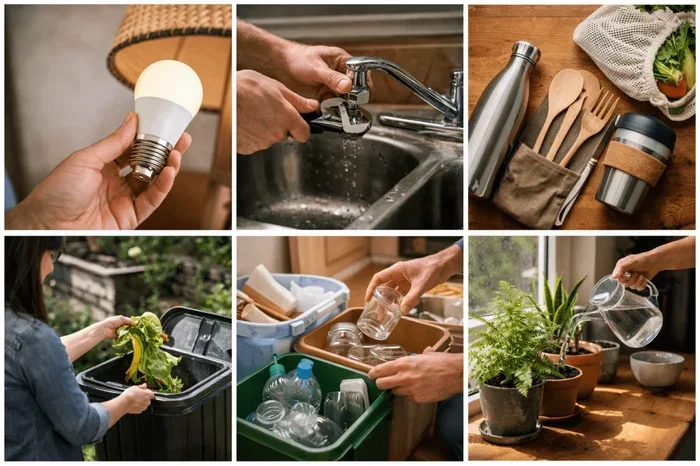
If you struggle to go green, you are not alone. Many people feel overwhelmed by big changes. These 8 simple strategies break down eco-friendly habits into small steps. You can start today without spending too much money. Small actions add up to a big impact on our planet.
Many people want to help the Earth. But big changes feel hard. You might look at zero-waste stores and feel lost. You might think you need to buy expensive things. That is not true. If you struggle to go green, you can start with tiny steps. This article shares 8 simple strategies to help you begin.
Being eco-friendly does not mean being perfect. It means trying your best. We will look at easy ways to change your daily life. You will learn how to save money while helping the planet. Let us make sustainability simple for you.
Key Takeaways
- Start Small: Pick one habit to change instead of trying to do everything at once.
- Reduce Waste: Focus on cutting down single-use plastics like bottles and bags.
- Save Energy: Turn off lights and unplug devices to lower your carbon footprint.
- Eat Green: Try adding more plant-based meals to your weekly routine.
- Shop Smart: Buy secondhand items or choose products with less packaging.
- Stay Consistent: Build habits slowly so they stick for the long term.
- Feel Good: Eco-friendly living can save money and improve your health.
📑 Table of Contents
- 1. Start With One Small Habit
- 2. Reduce Single-Use Plastics
- 3. Save Energy at Home
- 4. Eat More Plant-Based Meals
- 5. Shop Secondhand and Local
- 6. Conserve Water Daily
- 7. Choose Green Transportation
- 8. Build Consistency Over Time
- Common Mistakes to Avoid
- Expert Insights on Sustainable Living
- Key Takeaways for Your Journey
1. Start With One Small Habit
Changing everything at once is too much. You might feel tired and quit. Instead, pick one thing to change. Maybe you start using a reusable water bottle. Maybe you turn off the lights when you leave a room.
Why Small Steps Work
Small steps build confidence. When you succeed at one thing, you feel ready for more. This is how habits form. You do not need to be perfect. You just need to start. If you struggle to go green, remember that progress is better than perfection.
Ideas for Your First Step
- Bring a cloth bag to the grocery store.
- Use a refillable coffee cup.
- Take shorter showers to save water.
- Walk instead of driving for short trips.
Choose one idea from this list. Try it for a week. See how it feels. Then you can add another habit. This makes the journey fun instead of stressful.
2. Reduce Single-Use Plastics
Plastic waste is a big problem for our planet. It hurts animals and fills up landfills. You can help by using less plastic. This is one of the 8 simple strategies that makes a huge difference.
Easy Swaps for Plastic
You do not need to throw away all your plastic today. Use what you have first. Then buy eco-friendly options when you run out. Here are some easy swaps to try.
- Use glass jars instead of plastic containers.
- Choose bar soap instead of liquid soap in bottles.
- Buy loose fruits and vegetables instead of packaged ones.
- Use cloth napkins instead of paper towels.
The Benefit of Less Plastic
Using less plastic saves money too. Reusable items last longer. You buy them once and use them many times. This helps your wallet and the Earth. It is a win-win situation for everyone.
3. Save Energy at Home
Energy use creates carbon emissions. These emissions heat up our planet. You can lower your impact by using less energy. This is a key part of sustainable living.
Simple Ways to Cut Energy
You do not need new gadgets to save energy. Small changes in your behavior work well. Turn off lights when you leave a room. Unplug chargers when they are not in use.
Here are more tips to try:
- Wash clothes in cold water.
- Air dry your clothes instead of using a dryer.
- Use natural light during the day.
- Close curtains to keep heat in during winter.
Long-Term Energy Savings
Over time, these habits lower your bills. You also reduce your carbon footprint. This helps fight climate change. Every bit of energy saved counts. If you struggle to go green, start with your home energy use.
4. Eat More Plant-Based Meals
Food choices impact the environment. Raising animals for meat uses a lot of water and land. Eating more plants is kinder to the Earth. You do not need to become vegetarian overnight.
Try Meatless Mondays
Start by skipping meat one day a week. This is called Meatless Monday. It is a fun challenge for you and your family. You can find many tasty recipes online.
Plant-based foods are often cheaper too. Beans, rice, and vegetables cost less than meat. This helps you save money on groceries. It is another way eco-friendly habits support your budget.
Easy Plant-Based Swaps
- Use lentils instead of ground beef in tacos.
- Try almond milk instead of dairy milk.
- Add more vegetables to your pasta dishes.
- Snack on nuts instead of chips.
Focus on adding good food, not removing things you love. This makes the change feel positive. You will enjoy new flavors and textures.
5. Shop Secondhand and Local
Buying new things creates waste. Making products uses resources and energy. Shopping secondhand reduces this demand. It is a smart way to live green lifestyle.
Thrift Stores and Online Markets
You can find clothes, furniture, and books secondhand. Thrift stores are great for unique finds. Online markets let you buy from people nearby. This keeps items out of landfills.
Buying local is good too. Local food travels less distance. This means less fuel is used for transport. You also support your neighbors and community.
Quality Over Quantity
Try to buy fewer things overall. Choose items that last a long time. Fix things when they break instead of tossing them. This mindset helps you spend less and waste less. If you struggle to go green, changing how you shop is a powerful step.
6. Conserve Water Daily
Water is a precious resource. Many places face water shortages. You can help by using less water at home. This is one of the simple strategies anyone can do.
Quick Water-Saving Tips
Turn off the tap while you brush your teeth. Fix leaky faucets quickly. A small drip wastes a lot of water over time. Take shorter showers to save even more.
- Run the dishwasher only when it is full.
- Water plants in the early morning or evening.
- Use a broom instead of a hose to clean driveways.
- Collect rainwater for your garden.
Why Water Matters
Saving water saves energy too. It takes energy to clean and move water. So using less water helps the climate. It also lowers your utility bills. This makes it a practical choice for your home.
7. Choose Green Transportation
Cars create a lot of pollution. Driving less helps clear the air. You can try other ways to get around. This fits well with sustainable living goals.
Walk, Bike, or Bus
For short trips, try walking. It is good for your health and the planet. Biking is fast and fun too. Public transport reduces the number of cars on the road.
If you must drive, try to combine errands. This saves fuel and time. Carpooling with friends is another great idea. You share the ride and the cost.
Thinking About the Future
Electric cars are becoming more common. They produce less pollution than gas cars. If you are buying a new car, consider this option. But remember, driving less is still the best choice.
8. Build Consistency Over Time
The hardest part is keeping going. Life gets busy. You might forget your reusable bag sometimes. That is okay. If you struggle to go green, be kind to yourself.
Make It a Routine
Link new habits to old ones. For example, put your reusable bag by the door. You will see it before you leave. This reminds you to grab it.
Track your progress if it helps you. Use a calendar to mark your Meatless Mondays. Seeing your success motivates you to continue. Celebrate your small wins along the way.
Join a Community
You do not have to do this alone. Find friends who care about the environment. Share tips and encourage each other. Online groups can offer support too. Together, you can make bigger changes.
Common Mistakes to Avoid
When starting out, people often make mistakes. Knowing these helps you skip them. Here are some common traps to watch for.
- Trying to do too much: Do not change everything in one day. Pick one or two things first.
- Buying too many eco-products: Use what you have first. Do not buy new things just to be green.
- Being too hard on yourself: Mistakes happen. Just try again tomorrow.
- Ignoring big impacts: Focus on high-impact changes like energy and food first.
Expert Insights on Sustainable Living
Experts say consistency is key. Small actions done daily matter more than big actions done once. They suggest focusing on systems, not willpower. Make the green choice the easy choice.
For example, keep a water bottle on your desk. You will drink more water and use less plastic. This is a simple system that works. Emotional needs you should never ignore in a relationship with yourself are also important. Be patient as you learn.
Key Takeaways for Your Journey
Remember these points as you start. If you struggle to go green, keep it simple. Focus on progress, not perfection.
- Start with one small habit.
- Reduce plastic and waste where you can.
- Save energy and water at home.
- Eat more plants and shop secondhand.
- Be consistent and kind to yourself.
These 8 simple strategies are just the beginning. You will find more ways to help as you go. Every step counts. Together, we can make a better future.
Frequently Asked Questions
What if I cannot afford eco-friendly products?
You do not need to buy special products to be green. Use what you already have first. Simple habits like turning off lights cost nothing. Saving money is often a result of using less.
How do I start if I feel overwhelmed?
Pick just one thing to change this week. Maybe it is bringing a bag to the store. Once that feels easy, add another habit. Small steps prevent burnout and build confidence.
Does one person really make a difference?
Yes, every action adds up. When you make green choices, others see them. This inspires friends and family to do the same. Your choices create a ripple effect in your community.
Is it okay to use plastic sometimes?
Yes, perfection is not the goal. Sometimes plastic is necessary or unavoidable. Just try to reduce it where you can. Do not stress about occasional use.
How can I involve my family in going green?
Make it fun for everyone. Let kids pick out reusable water bottles. Cook plant-based meals together. Explain why you are making changes in simple words they understand.
What is the easiest habit to start with?
Turning off lights is very easy. Bringing a reusable bag is also simple. Pick the habit that fits your life best. The best habit is the one you will actually do.
=== CONCLUSION ===
If you struggle to go green, remember that you are not alone. Many people feel the same way. The key is to start small and keep going. These 8 simple strategies give you a clear path to follow.
You do not need to change your whole life overnight. Pick one tip from this list. Try it for a week. See how it feels. Then add another. Over time, these small steps become a natural part of your life.
Helping the planet also helps you. You save money and feel good about your choices. Sustainable living is a journey, not a race. Be patient with yourself. Celebrate every win, no matter how small.
Start today. Choose one strategy. Make a difference. Together, we can build a healthier world for everyone.
