
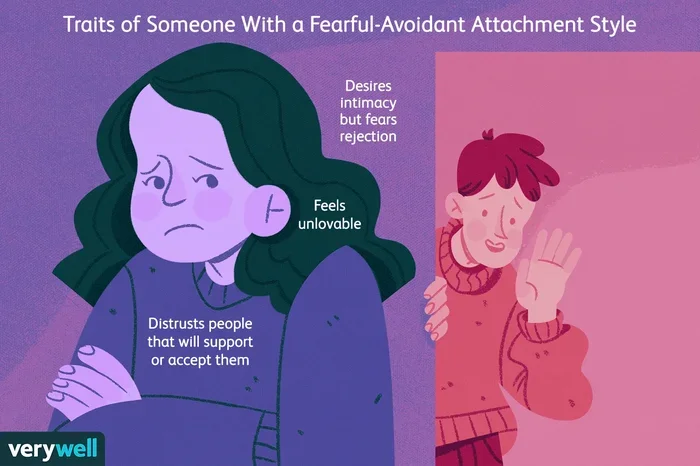
Fearful avoidant attachment style creates a confusing push-pull dynamic in relationships. People with these traits crave intimacy but panic when it gets too close. Recognizing these patterns is the first step toward healing and building secure bonds.
Relationships can feel like a maze sometimes. You meet someone who seems perfect. They show interest. Then suddenly they vanish. Or they get close and then scare you off. This confusing dance often points to a specific attachment style. Understanding fearful avoidant attachment style helps explain these behaviors.
Many people struggle with connection issues. They do not know why things go wrong. They blame themselves or their partners. The truth lies deeper. Early experiences shape how we love. When those experiences involve trauma or inconsistency, attachment styles shift. This article breaks down the traits clearly.
You will learn what to look for. You will also find ways to cope. Whether you see these traits in yourself or a partner, knowledge brings power. Let us dive into the signs and solutions.
Key Takeaways
- Conflicting desires: Fearful avoidants want love but fear getting hurt deeply.
- Past trauma link: Childhood instability often shapes this attachment pattern.
- Hot and cold behavior: They may draw you in then suddenly pull away.
- Trust issues: Building trust takes significant time and consistency.
- Emotional volatility: Moods can shift quickly based on perceived rejection.
- Healing is possible: Therapy and self-awareness can improve relationship outcomes.
- Partner support matters: Patience and clear communication help navigate challenges.
📑 Table of Contents
Understanding Fearful Avoidant Attachment Style
Attachment theory explains how we bond. Psychologists identify four main styles. Secure attachment is the goal. Anxious attachment involves craving closeness. Avoidant attachment involves valuing independence too much. Fearful avoidant attachment style sits in the middle. It is also called disorganized attachment.
People with this style feel torn. They want intimacy. They also fear it. This creates internal conflict. One part of them says come closer. The other part says run away. This struggle affects every relationship stage. It impacts dating, friendship, and family bonds.
This style often stems from childhood. Caregivers may have been a source of fear. Or they were inconsistent. A child never knows what to expect. Sometimes the parent is warm. Other times they are harsh or absent. The child learns love is unsafe. They grow up wanting connection but expecting pain.
Recognizing this pattern is crucial. It stops the blame game. You realize behaviors are coping mechanisms. They are not personal attacks. This shift changes everything. It opens the door to healing and growth.
The Core Conflict Inside
Imagine wanting water but fearing drowning. That is the daily reality for someone with this style. They seek comfort. They also scan for threats. This hypervigilance drains energy. It makes relaxation hard.
When a partner shows love, alarm bells ring. They wonder what the catch is. They wait for the other shoe to drop. If nothing bad happens, they feel uneasy. Familiarity feels suspicious. Chaos feels normal. Peace feels wrong.
Key Traits of Fearful Avoidant Attachment Style
Spotting these traits takes observation. No single sign confirms the style. Look for patterns over time. Here are the most common markers.
Pushing People Away After Closeness
This is the classic push-pull. Someone gets close. The fearful avoidant feels trapped. They pull back to regain safety. They might cancel plans suddenly. They could become cold or distant. This confuses their partner deeply.
The behavior is not malicious. It is self-protection. Intimacy triggers fear. The brain perceives danger where there is none. The reaction is automatic. Understanding this helps reduce hurt feelings.
Hypervigilance to Rejection
Small cues feel like major threats. A delayed text message sparks panic. A change in tone signals abandonment. They read into everything. This constant scanning is exhausting. It strains the relationship significantly.
They might accuse partners of hiding things. They look for proof of betrayal. Even innocent actions get questioned. This stems from past unpredictability. The brain tries to stay ahead of pain.
Difficulty Regulating Emotions
Emotions can feel overwhelming. Joy turns to anxiety quickly. Sadness turns to despair. They struggle to calm down alone. They need co-regulation but fear relying on others. This creates a difficult cycle.
Outbursts may happen. Or they shut down completely. Both responses push people away. Neither helps solve the problem. Learning emotional regulation is a key healing step.
Negative Self-View and View of Others
Self-esteem often suffers. They feel unworthy of love. They believe they will be abandoned eventually. They also view others as unreliable. Trust feels dangerous. This double negative belief system blocks intimacy.
They might sabotage good relationships. They look for flaws to justify leaving. Or they provoke conflict to test loyalty. These tests usually fail. They confirm the negative beliefs instead.
How This Style Affects Relationships
Relationships require trust and safety. Fearful avoidant attachment style undermines both. Partners often feel walking on eggshells. They never know which version they will get. The warm version or the distant one.
Communication breaks down. Honest talks feel risky. Vulnerabilities get hidden. Needs go unexpressed. Resentment builds over time. The connection starves without open dialogue.
Conflict becomes especially hard. Disagreements trigger fear of loss. They might flee the situation entirely. Or they might lash out defensively. Resolution feels impossible in these moments. Both parties end up hurt.
The Impact on Romantic Partners
Partners often feel confused and rejected. They try harder to win trust. This effort sometimes backfires. It feels like pressure to the avoidant person. They need space to feel safe.
Some partners develop anxiety themselves. They start chasing and demanding reassurance. This dynamic creates a toxic loop. The anxious partner pursues. The avoidant partner withdraws. Both needs go unmet.
Challenges in Friendships and Family
This style affects more than romance. Friendships can feel unstable too. Plans get canceled last minute. Deep conversations feel too exposing. Friends may drift away over time.
Family relationships carry old wounds. Holidays or gatherings trigger stress. Boundaries might be too rigid or too loose. Navigating family dynamics requires extra care. It often brings up childhood patterns.
Healing and Moving Toward Security
Change is possible. Attachment styles are not permanent sentences. Neuroplasticity allows new pathways. With effort, people can earn security. It takes time and patience.
Self-awareness is the first step. Recognizing the triggers helps. Knowing when the fear spikes allows choice. Instead of reacting automatically, they can pause. This pause creates space for different actions.
Therapy and Professional Support
Therapy offers a safe space to explore. Trauma-informed care works well here. Modalities like EMDR or somatic therapy help. They process stored trauma in the body. Talk therapy also provides insight.
A therapist models secure attachment. They offer consistency and boundaries. This experience rewires expectations. It shows that relationships can be safe. Finding the right fit matters greatly.
Practical Steps for Partners
If your partner has this style, support them. But protect your own boundaries too. Consistency is key. Show up reliably. Follow through on promises. This builds evidence of safety over time.
Communicate clearly and calmly. Avoid ultimatums or threats. Give space when needed without punishing. Reassure them when they panic. Validate their feelings without fixing everything.
Encourage professional help gently. Do not force it. Share resources when appropriate. Respect their pace. Healing cannot be rushed.
Common Mistakes to Avoid
Navigating this style is tricky. Well-meaning people make errors. Avoid these pitfalls to help the process.
- Pushing too hard: Forcing intimacy increases fear.
- Taking it personally: Withdrawal is about fear, not you.
- Ignoring boundaries: You cannot fix someone else.
- Expecting quick fixes: Healing takes months or years.
- Enabling unhealthy behavior: Support does not mean accepting abuse.
When to Seek Additional Help
Sometimes the patterns feel too heavy. Trauma may be deep-rooted. Professional guidance becomes essential. If relationships constantly fail, seek insight. If emotional regulation feels impossible, get support.
There are resources for specific situations. If you wonder about mental health support, you might read how to get someone mental help when they refuse. Understanding attachment helps in many contexts. It also relates to emotional needs. Check out emotional needs you should never ignore in a relationship for more context.
If past relationships haunt you, explore how does not letting go of a relationship affect yourself. Letting go is part of healing. Sometimes we need to restart. Learn how to restart your life after a terrible breakdown if things feel overwhelming.
Key Takeaways for Moving Forward
Understanding fearful avoidant attachment style changes perspectives. It reduces shame and confusion. Here is what to remember.
- It is a survival strategy: These traits protected you once.
- Safety is the goal: Build environments where vulnerability is safe.
- Communication heals: Talk about triggers openly.
- Patience pays off: Trust builds slowly over time.
- Professional help works: Therapy accelerates the healing process.
Relationships are work for everyone. Some work is heavier than others. Recognizing the weight helps share the load. With compassion and effort, secure bonds grow. You are not stuck forever. Growth is always possible.
Start small today. Notice one trigger. Pause before reacting. Choose a different response. These small steps add up. They create new neural pathways. They build a new story for your love life.
Frequently Asked Questions
What causes fearful avoidant attachment style?
This style usually stems from childhood trauma or inconsistent caregiving. When caregivers are both a source of comfort and fear, children develop disorganized strategies. These early experiences shape adult relationship patterns significantly.
Can fearful avoidant attachment be cured?
Attachment styles can change over time with awareness and effort. Therapy helps process underlying trauma and build secure habits. While not a quick fix, many people move toward earned security successfully.
How do I know if my partner is fearful avoidant?
Look for a pattern of wanting closeness then pulling away suddenly. They may show hypervigilance to rejection and struggle with emotional regulation. Consistent push-pull behavior is a strong indicator over time.
What should I do if I have this attachment style?
Start by learning about your triggers and patterns. Practice pausing before reacting when fear spikes. Consider therapy to process past trauma and build healthier coping mechanisms for relationships.
Do fearful avoidants feel love deeply?
Yes, they often feel emotions very intensely. Their fear of hurt makes them protect their heart vigorously. They crave connection but struggle to trust it will last safely.
Is this attachment style common?
It is less common than secure or anxious styles. Estimates vary, but it affects a significant minority of the population. Many cases go unrecognized because the behavior looks complex or contradictory.
