I Dont Like Going Out Well I Do
“I Dont Like Going Out Well I Do” isn’t a flaw—it’s a signal. Understanding this feeling helps you communicate needs, keep intimacy alive, and enjoy the best of both worlds. Follow these friendly tips to turn introverted preferences into relationship gold.
Key Takeaways
- Know your why: Recognize the deeper reasons behind “I Dont Like Going Out Well I Do.”
- Communicate early: Share your comfort zones with your partner before tension builds.
- Find balance: Blend solo time, low‑key outings, and occasional big events.
- Use small steps: Gradual exposure reduces anxiety and builds confidence.
- Leverage strengths: Your listening and caring nature can deepen connection.
- Set realistic expectations: Agree on a “social budget” that respects both partners.
- Seek support: When needed, professional help can turn “I Dont Like Going Out Well I Do” into growth.
📑 Table of Contents
- Introduction: Embracing the “I Dont Like Going Out Well I Do” Feeling
- 1. Why Do We Say “I Dont Like Going Out Well I Do”?
- 2. Communicating Your Needs Without Creating Conflict
- 3. Turning “I Dont Like Going Out Well I Do” Into Relationship Strengths
- 4. Practical Steps to Ease Into Social Settings
- 5. When “I Dont Like Going Out Well I Do” Becomes a Relationship Issue
- 6. Balancing Personal Growth and Relationship Harmony
- Conclusion: Turning “I Dont Like Going Out Well I Do” Into a Love‑Boosting Asset
Introduction: Embracing the “I Dont Like Going Out Well I Do” Feeling
Ever caught yourself saying, “I Dont Like Going Out Well I Do,” only to push yourself into a party or a dinner date? You’re not alone. Many people feel a tug‑of‑war between the comfort of home and the desire to please a partner or avoid conflict. This inner debate often shows up in relationships, where one partner may crave adventure while the other craves quiet.
Understanding the “I Dont Like Going Out Well I Do” mindset is the first step toward a healthier, more balanced love life. It’s not about forcing yourself into endless social events or labeling yourself as a recluse. It’s about recognizing why you feel that way, communicating it kindly, and finding a middle ground that satisfies both you and your partner.
1. Why Do We Say “I Dont Like Going Out Well I Do”?
Fear of Missing Out (FOMO) vs. Fear of Being Seen
Often the phrase stems from a hidden fear—either FOMO (fear of missing out) or the anxiety of being judged. You might think, “If I stay home, I’ll disappoint my partner,” or “If I go out, I’ll feel out of place.” Both fears push you to act against your natural preference.
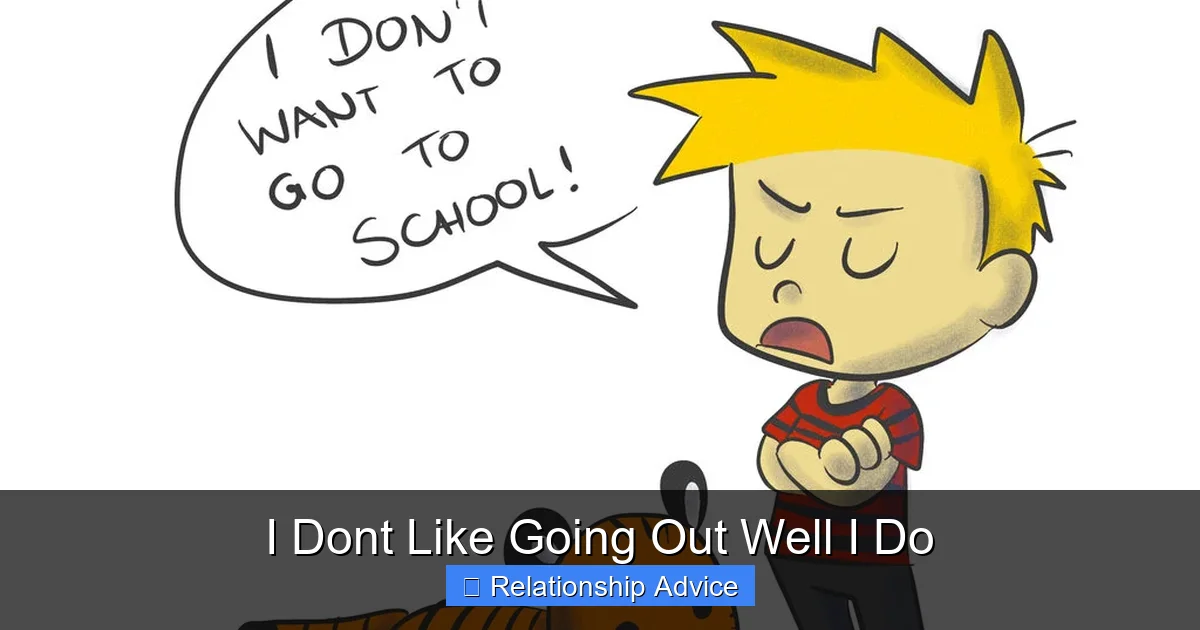
Visual guide about I Dont Like Going Out Well I Do
Image source: clipart-library.com
Relationship Conditioning
From early dating, many couples set unspoken expectations: “We should go out together every weekend.” Over time, you may internalize this as a rule, even when your energy is low. This conditioning can make “I Dont Like Going Out Well I Do” feel like a duty rather than a choice.
Personal Identity
Some people identify as introverts or “homebodies.” When a partner constantly suggests nightlife, it can feel like an attack on that identity. The phrase becomes a protective chant: “I’m still me, even if I step out.”
2. Communicating Your Needs Without Creating Conflict
Start with “I Feel” Statements
Instead of “You always want to go out,” try “I feel drained when we go out every night.” This simple shift reduces blame and opens space for dialogue.
Use the “Social Budget” Concept
Agree on a weekly “social budget”—for example, two outings and three nights at home. This creates a clear expectation and respects both partners’ needs.
Reference Helpful Resources
Reading articles like Do Guys Like Shy Girls can give you insight into how others navigate similar comfort zones. Sharing such resources with your partner shows you’re proactive, not just resistant.
3. Turning “I Dont Like Going Out Well I Do” Into Relationship Strengths
Deep Listening and Empathy
People who prefer staying in often become great listeners. Use that skill to ask your partner about their day, their hopes, and their fears. This builds intimacy without the need for a crowded bar.
Creative At‑Home Dates
Plan a “stay‑in adventure”: cook a new cuisine together, set up a fort with fairy lights, or have a movie marathon with themed snacks. These experiences satisfy the desire for novelty while honoring your comfort.
Leverage Your Planning Skills
Introverts often excel at organization. Take charge of planning trips, birthday surprises, or holiday itineraries. Your partner will appreciate the effort, and you’ll feel valued for your strengths.
4. Practical Steps to Ease Into Social Settings
Start Small
Choose low‑pressure events—coffee with a friend, a short walk in the park, or a casual brunch. The goal is exposure, not endurance.
Set a Time Limit
Tell yourself you’ll stay for one hour. Knowing there’s an exit point reduces anxiety and makes the outing feel manageable.
Bring a Comfort Item
Carry a favorite book, a calming scent, or a playlist you love. Small familiar items can anchor you in a new environment.
Practice Self‑Compassion
If you feel exhausted afterward, give yourself permission to rest. Self‑criticism only deepens the “I Dont Like Going Out Well I Do” conflict.
5. When “I Dont Like Going Out Well I Do” Becomes a Relationship Issue
Signs It’s Turning Toxic
- Frequent arguments about social plans.
- One partner feeling judged or controlled.
- Resentment building on both sides.
Addressing the Problem Together
Schedule a calm, distraction‑free conversation. Review each other’s “social budget” and adjust as needed. If the pattern persists, consider reading How Do I Stop Gaslighting My Partner to ensure communication stays respectful.
When to Seek Professional Help
If anxiety spikes, or if the disagreement escalates into blame or withdrawal, a couples therapist can provide tools to navigate the “I Dont Like Going Out Well I Do” dynamic healthily.
6. Balancing Personal Growth and Relationship Harmony
Celebrate Small Wins
Did you attend a dinner and leave after an hour feeling okay? Celebrate that! Acknowledging progress reinforces positive behavior.
Encourage Each Other’s Interests
If your partner loves concerts, maybe you can help pick the playlist or plan a post‑show dinner. Mutual support turns differences into shared experiences.
Revisit Your Social Budget Regularly
Life changes—new jobs, kids, health issues. Review your agreement every few months to keep it relevant.
Conclusion: Turning “I Dont Like Going Out Well I Do” Into a Love‑Boosting Asset
The phrase “I Dont Like Going Out Well I Do” isn’t a flaw; it’s a signal that you value both personal comfort and relational connection. By understanding the root causes, communicating with kindness, and creating a balanced “social budget,” you can honor your introverted side while still nurturing a vibrant partnership. Remember, love thrives on authenticity, not on pretending you love endless nights out. Embrace your preferences, share them openly, and watch your relationship grow stronger—one cozy night in or occasional adventure at a time.
Frequently Asked Questions
Why do I feel guilty when I stay home instead of going out?
Guilt often comes from perceived expectations in a relationship. Recognizing that both partners have different energy levels helps you reframe staying home as a personal need, not a selfish act.
How can I suggest a low‑key date without sounding uninterested?
Frame it as an exciting idea: “How about we try a cooking night at home? I found a new recipe I’d love to make together.” Emphasize the fun aspect rather than the avoidance of social events.
What if my partner insists on frequent outings?
Discuss a compromise. Use a “social budget” to allocate specific nights for outings and specific nights for home. If disagreements persist, a therapist can help mediate.
Can “I Dont Like Going Out Well I Do” affect long‑term compatibility?
Compatibility thrives on mutual respect. When both partners understand and accommodate each other’s comfort zones, the difference becomes a strength rather than a deal‑breaker.
Is it normal to feel anxious before a social event?
Yes, many people experience pre‑event nerves. Preparing in advance—setting a time limit, bringing a comfort item, and planning post‑event downtime—can reduce anxiety.
How do I know if I need professional help?
If social anxiety interferes with daily life, causes panic attacks, or leads to constant conflict with your partner, seeking a therapist who specializes in anxiety or couples counseling is a wise step.