
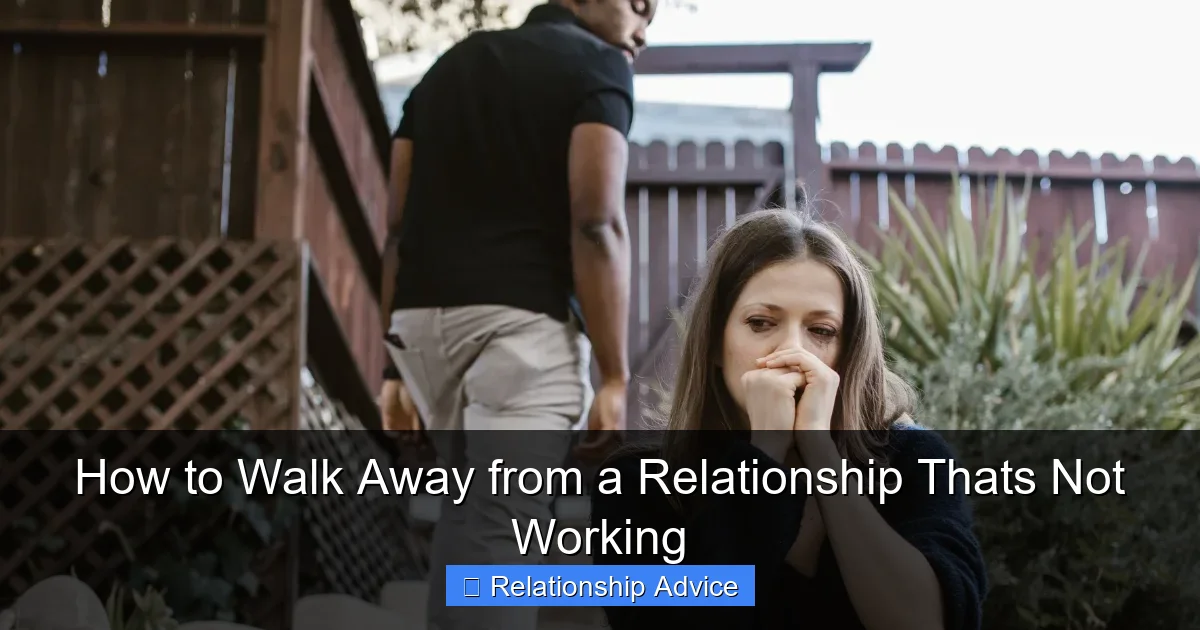
Leaving a relationship that no longer serves you is one of the hardest yet most courageous decisions you can make. It takes strength to recognize when love has turned into pain, but doing so opens the door to healing, growth, and a healthier future. Whether you’re in a romantic partnership, friendship, or even a family dynamic, knowing how to walk away means honoring your worth and choosing peace over fear.
Walking away from a relationship that isn’t working is never easy—but it’s often necessary. Whether you’re ending a romantic partnership, a toxic friendship, or even a long-term family dynamic, the decision to leave requires courage, clarity, and compassion—for both yourself and the other person involved. Many people stay in relationships out of fear: fear of being alone, fear of confrontation, fear of disappointing others, or even fear of God’s judgment if they choose freedom. But true faith and wisdom teach us that staying in pain for the sake of “what was” rarely leads to lasting peace.
This guide will walk you through every step of how to walk away from a relationship that’s not working. From recognizing the signs to creating emotional space and moving forward with grace, we’ll cover practical strategies backed by psychology, biblical principles, and real-life experience. Remember: walking away isn’t giving up—it’s choosing yourself.
Key Takeaways
- Acknowledge the truth: Accepting that a relationship isn’t working is the first step toward freedom. Denial only prolongs suffering.
- Prioritize self-respect: You deserve love that uplifts, not one that constantly leaves you feeling empty or unvalued.
- Plan your exit carefully: Walking away doesn’t mean acting on impulse—thoughtful timing reduces unnecessary pain for both parties.
- Seek support systems: Lean on trusted friends, counselors, or spiritual guides during this transition.
- Focus on personal growth: Use this time to rebuild your identity outside the relationship and rediscover joy in solitude.
- Communicate clearly and kindly: Honest conversations prevent misunderstandings and give closure where possible.
- Forgive yourself: You made choices based on what you knew at the time. Growth comes from learning, not guilt.
📑 Table of Contents
Recognizing When It’s Time to Leave
Before you can decide to walk away, you must first admit that something is wrong. Sometimes this realization comes gradually, like noticing cracks forming underfoot. Other times, it hits all at once—like a door slamming shut in your heart.
Signs that a relationship may no longer be healthy include consistent feelings of anxiety, sadness, or exhaustion after spending time together. If communication has become one-sided, manipulative, or emotionally draining, those are red flags. Also consider whether your values align with your partner’s. A mismatch in core beliefs—especially around honesty, respect, or spiritual integrity—can create deep fractures over time.
It’s also important to ask yourself: Does this relationship bring out the best version of me? Or does it pull me down? When your inner voice starts whispering that you’re losing who you used to be, it might be time to listen closely.
If you’ve noticed patterns of control, jealousy, or constant criticism, these are warning signs too. Healthy relationships encourage growth; unhealthy ones stifle it. And while no relationship is perfect, ongoing resentment, lack of trust, or repeated broken promises often signal deeper issues that aren’t likely to resolve without significant change—and sometimes, change isn’t possible.
Emotional vs. Practical Indicators
Some people know immediately when it’s time to go—they feel relief just thinking about ending things. Others need evidence: a list of specific incidents where their needs were ignored, gaslighting occurred, or boundaries were violated. Both perspectives are valid.
Emotionally, pay attention to how safe you feel. Are you constantly walking on eggshells? Do you dread certain topics or days of the week because of how your partner behaves? These aren’t trivial concerns—they reflect your mental health.
Practically, look at actions, not just words. Has your partner followed through on promises before? Can you count on them during tough times? If not, that’s a sign of unreliability. Trust is built through consistency, and if it’s been eroded, rebuilding it takes immense effort—effort that may not be worth investing if the foundation is already cracked beyond repair.
Ultimately, knowing when to leave comes down to self-awareness. Ask honest questions: Am I staying because I believe in us—or because I’m afraid of being single? Am I changing myself to please someone else? True love respects your authentic self.
The Courage to Choose Yourself
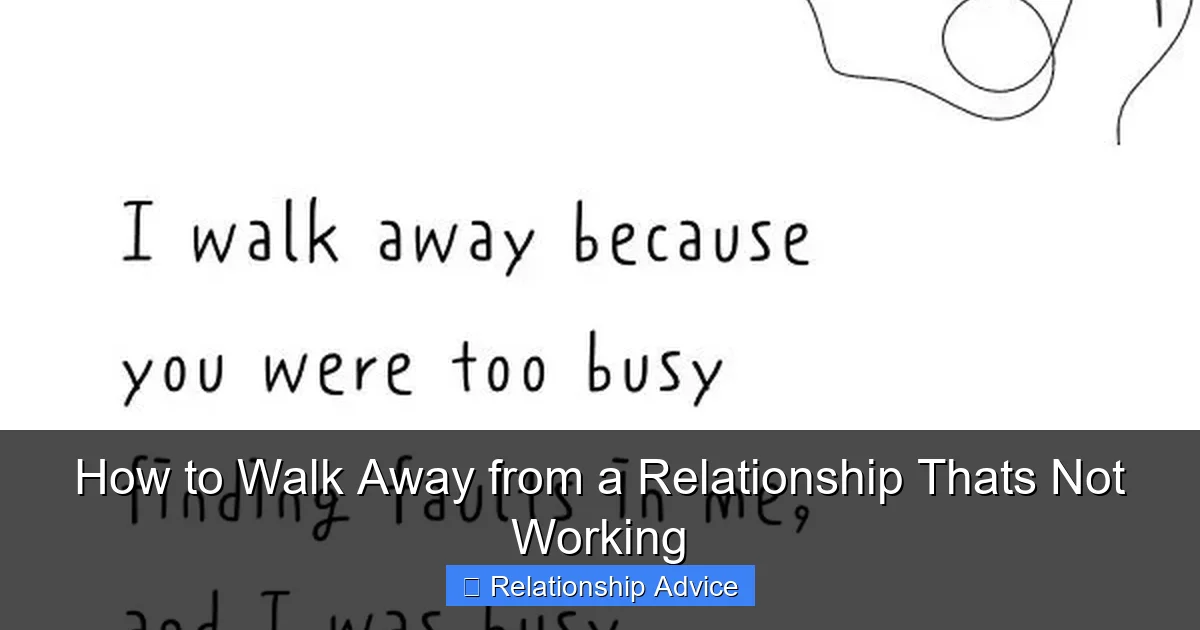
Visual guide about How to Walk Away from a Relationship Thats Not Working
Image source: ourmindfullife.com
Choosing yourself isn’t selfish—it’s essential. Every human being deserves to be loved without conditions, respected without compromise, and valued without constant validation. Yet many of us stay in relationships because we confuse sacrifice with devotion.
Remember: Jesus didn’t say, “Love your neighbor until it hurts you.” He said, “Love your neighbor as yourself.” That includes loving yourself enough to walk away when love becomes harmful. In fact, scripture repeatedly emphasizes guarding your heart (Proverbs 4:23) and leaving destructive environments (1 Corinthians 6:18).
Walking away doesn’t mean you failed. It means you recognized your worth. It means you refused to settle for less than you deserve. And it means you’re ready to create space for healthier connections in the future.
Many Christians struggle with this idea because they equate leaving with disobedience or ingratitude. But biblical wisdom teaches discernment. Just as Israelites were warned against intermarrying with idolaters (Deuteronomy 7:3), believers are called to avoid relationships that lead them astray spiritually or emotionally.
So if your current relationship causes you to question your faith, doubt your morals, or distance yourself from prayer—those are strong indicators that it’s time to reevaluate. Your relationship with God should always come first, and any partnership that contradicts that priority needs serious reconsideration.
Overcoming Guilt and Fear
Fear and guilt often stand between us and our freedom. We worry about hurting someone, about social judgment, about what our church will think, or about God’s disapproval. But here’s the truth: God understands your pain. Psalm 34:18 says, “The Lord is close to the brokenhearted and saves those who are crushed in spirit.”
If you’re staying in a bad relationship because you’re afraid of being alone, remember: loneliness is temporary; unhappiness is chronic. And if you’re staying because you don’t want to disappoint others—your parents, your pastor, your friends—then whose happiness are you really serving?
Jesus modeled healthy boundaries too. He withdrew from crowds when overwhelmed (Mark 1:35). He spoke plainly to disciples when needed (John 6:66–67). And He told Peter, “Get behind me, Satan!” when Peter tried to stop His mission (Matthew 16:23). Boundaries aren’t sin—they’re sanctity.
Also, consider this: staying in a toxic situation often causes more harm than leaving. Children raised in homes filled with conflict suffer long-term effects. Partners trapped in cycles of abuse endure trauma. Friendships built on lies erode self-esteem. So ask: Is staying truly helping anyone—including the other person?
Planning Your Exit Strategy
Once you’ve decided it’s time to walk away, don’t rush into action. Impulsive decisions can escalate drama, cause financial complications, or lead to regrets. Instead, plan carefully.
Start by identifying your goals. What do you hope to achieve by leaving? Emotional peace? Financial independence? Protection from further harm? Write these down. Then assess your resources: Do you have savings? A place to stay? Supportive friends or family? If not, start building those now.
Next, choose the right moment. Avoid breaking up during crises—during illness, job loss, or holidays—unless absolutely necessary. Pick a neutral time when emotions might still be high but practical matters can be handled calmly. Weekends or quiet evenings often work better than busy weekdays.
Consider how you’ll communicate the news. Face-to-face is ideal for romantic partners, but written letters may be safer in abusive situations. For friendships or family dynamics, phone calls or video chats can offer intimacy without physical risk.
Whatever method you choose, keep your message clear and compassionate. Say what you need to say without blaming or attacking. Use “I” statements: “I feel…” “I need…” instead of “You always…” “You never…” Blame fuels defensiveness; facts invite understanding.
Finally, prepare for reactions. The other person might get angry, deny fault, beg for another chance, or blame you. Stay firm. Their response says more about them than it does about you. You’re not responsible for their emotions—only for your actions and boundaries.
Legal and Financial Considerations
In serious relationships—especially marriages or cohabiting partnerships—legal and financial matters require attention. If you share finances, decide how assets, debts, and bills will be divided. Consult a lawyer if possible, especially if children are involved.
Even in casual relationships, keep records of shared expenses. This prevents misunderstandings later. And if there’s risk of retaliation—emotional, financial, or physical—document everything and inform someone you trust.
Spiritually, pray for wisdom and protection. Ask God to guide your steps and shield you from harm. Many people forget that prayer isn’t just emotional comfort—it’s divine intervention.
Having the Conversation
The actual conversation is often the hardest part. Your heart races, palms sweat, and every word feels heavy. But remember: you’re not attacking someone—you’re setting boundaries.
Begin by expressing care. “I care about you, which is why I need to talk about something important.” Then state the truth calmly: “I’ve realized this relationship isn’t working for me anymore.” Avoid vague language like “We need space”—be direct but kind.
Explain your reasons briefly. Not to justify yourself endlessly, but to give context. “I feel disrespected when you dismiss my opinions.” “I’m not happy in this relationship anymore.” Keep it factual.
Listen if they respond. They may cry, argue, or promise change. Decide in advance whether you’ll entertain reconciliation offers. If yes, set conditions: therapy, accountability, concrete changes. If no, gently restate your decision. “I appreciate you sharing your feelings, but I’ve made my choice.”
Stay focused on your goal: walking away respectfully. Don’t get pulled into debates about fairness or history. Once the main point is made, end politely. “Thank you for listening. I hope we can both find peace.”
Afterward, limit contact unless absolutely necessary. Ghosting isn’t always possible—especially in close circles—but minimize interaction to allow healing.
Handling Difficult Reactions
Not everyone will respond well. Some people become hostile, others manipulative, and some collapse emotionally. Here’s how to handle common scenarios:
– **They accuse you of being unfair:** Thank them, then reaffirm your decision. “I hear you. My experience is different, and I have to follow my heart.”
– **They beg or guilt-trip you:** Stay calm. “I understand this is painful, but I can’t stay if I’m unhappy.”
– **They threaten self-harm:** Take it seriously. Call emergency services or a crisis hotline if needed. Your safety comes first.
– **They spread rumors:** Don’t engage. Block them on social media and surround yourself with supporters who validate your experience.
Above all, don’t internalize their anger. Their reaction reflects their issues, not yours. You’re doing the right thing by prioritizing your well-being.
Healing After the Breakup
Leaving a relationship—even a bad one—brings grief. You mourn the future you imagined, the time invested, the person you thought they’d be. Allow yourself to feel sad, angry, or confused. Suppressing emotions delays healing.
Create rituals to mark the transition. Burn a letter, plant a tree, or write a journal entry expressing gratitude for lessons learned. These acts symbolize release.
Reconnect with hobbies, friends, and passions you neglected. Join a class, volunteer, or start a new project. Purposeful activity rebuilds identity outside the relationship.
Spiritually, return to prayer and scripture. Ask God to heal your wounds and restore your joy. Many find solace in Psalms, Proverbs, or Jesus’ parables about leaving old ways behind.
Therapy can also help process complex emotions—especially in long-term or traumatic relationships. A counselor provides unbiased support and tools for moving forward.
Most importantly, be patient. Healing isn’t linear. One day you’ll feel strong; the next, you’ll miss them. That’s normal. Gently guide yourself back to the present.
Rebuilding Self-Worth
When you leave a relationship, your sense of self can shrink. You may wonder, “Who am I without them?” This is natural. Use this time to rediscover yourself.
Make a list of your strengths, values, and dreams. Remind yourself daily: “I am worthy. I am capable. I am loved.” Affirmations work—especially when repeated consistently.
Set small goals: exercise three times a week, read a book, call an old friend. Achieving them builds confidence.
Avoid rebound relationships too soon. Rushing into dating numbs pain but prevents real healing. Give yourself at least 3–6 months of solo time, depending on the relationship’s intensity.
And if faith matters to you, lean into community. Attend church, join a small group, or serve others. Connection combats isolation and reminds you that you’re part of something greater.
Knowing When to Try Again (or Not)
Sometimes, walking away isn’t the final chapter—it’s a pause. Couples counseling, individual therapy, or extended breaks can revive relationships if both partners commit to change.
But not all relationships are salvageable. If your partner refuses accountability, repeats harmful behaviors, or blames you for everything, reconciliation is unlikely. Staying hoping for change sets you up for repeated disappointment.
Ask: Has anything changed since I left? If not, returning may reignite old wounds. Better to stay single and whole than partnered and hurt.
On the flip side, if both of you have grown, communicated honestly, and addressed root issues, rekindling can be beautiful. Just ensure boundaries are clearer this time and both partners enter with realistic expectations.
Whether you reconnect or remain apart, focus on mutual growth. Relationships should elevate each other, not exhaust.
Learning from the Experience
Every relationship—good or bad—teaches us something. Maybe you learned to set firmer boundaries. Maybe you discovered hidden strengths. Maybe you recognized red flags you previously ignored.
Keep a journal reflecting on what went wrong and right. What would you do differently next time? How have you changed?
These insights prevent repeating mistakes. They also build resilience. The next time you meet someone, you’ll know exactly what to look for—and what to avoid.
And remember: failure isn’t fatal. Many successful people have dated poorly before finding their match. Your past doesn’t define your future.
Final Thoughts: Freedom Through Release
Walking away from a relationship that’s not working isn’t surrender—it’s sovereignty. It’s saying, “I choose peace over chaos, joy over sorrow, and my life over stagnation.” It takes bravery to face uncertainty, but freedom awaits on the other side.
You don’t have to have all the answers today. Just take the next right step. Pray. Talk to someone. Journal. Move forward slowly but surely.
And when you finally feel lightness in your chest, laughter without obligation, and hope without fear—you’ll know you did the right thing.
Because sometimes, the bravest thing you can do is let go.
Frequently Asked Questions
How do I know if a relationship is truly not working?
If you consistently feel drained, disrespected, or unsafe, it’s likely time to reassess. Key signs include lack of trust, poor communication, value mismatches, and emotional manipulation. Reflect honestly: does this relationship honor your growth or hinder it?
Is it wrong to walk away from a relationship for my own mental health?
Absolutely not. Your mental and emotional well-being is sacred. Scripture supports guarding your heart (Proverbs 4:23), and Jesus modeled healthy boundaries. Choosing yourself isn’t selfish—it’s necessary for living authentically.
What if my partner promises to change after I leave?
Evaluate their track record. Have they shown willingness to improve before? If not, their promises may be manipulative. Consider couples counseling only if both agree to genuine accountability and change.
How do I handle family pressure to stay in the relationship?
Politely explain your perspective. Say, “I love you, but I need to prioritize my happiness.” Set boundaries with family members who disrespect your decision. Surround yourself with supporters who validate your choice.
Should I wait until children are older before leaving a difficult marriage?
If children are involved, stability matters—but prolonged exposure to conflict can harm them more than separation. Consult a counselor or pastor to weigh risks carefully. Sometimes, modeling courage helps kids too.
Can I maintain friendship after ending a romantic relationship?
Only if both parties agree and space allows healing. If emotions linger or boundaries blur easily, distance is wiser. Focus on rebuilding yourselves first before considering closeness again.
