

A new Zafu can completely change your meditation or rest routine when you learn how to use it the right way. This guide walks you through simple sitting setups, comfort adjustments, and care steps so you feel supported from day one. You will also find easy tips for posture, breathing, and long-term use that keep your practice calm and steady. Whether you sit for five minutes or an hour, your cushion can become a trusted spot for quiet focus.
Key Takeaways
- Start with the right height: Choose a Zafu that keeps your hips slightly higher than your knees for natural spine alignment.
- Sit in a stable position: Use a cross-legged, kneeling, or chair-supported pose that feels relaxed and sustainable.
- Adjust the fill for comfort: Add or remove buckwheat or kapok so the cushion matches your body and preference.
- Support your posture: Keep your shoulders soft, your chest open, and your spine tall without forcing tension.
- Build a simple routine: Use your Zafu at the same time each day to create a calming habit.
- Care for the cushion: Fluff it regularly, spot clean when needed, and store it in a dry place.
- Listen to your body: Comfort matters more than perfection, so make small changes whenever you need them.
📑 Table of Contents
- How to Use Your New Zafu for Comfortable Meditation
- Choosing the Right Setup for Your Body
- Simple Sitting Positions to Try
- Posture Basics That Make Sitting Easier
- Building a Daily Routine With Your Zafu
- Caring for Your Zafu So It Lasts
- Troubleshooting Common Comfort Issues
- Making the Zafu Part of a Broader Self-Care Practice
- Final Thoughts on How to Use Your New Zafu
How to Use Your New Zafu for Comfortable Meditation
A Zafu is a round meditation cushion designed to lift your hips and support a steady sitting posture. If you just brought one home, you may be wondering how to use your new Zafu in a way that feels natural instead of awkward. The good news is that it does not take much effort to get started. A few small adjustments can make a big difference in comfort, focus, and consistency.
Many people expect meditation to feel instantly easy, but the body usually needs a little time to adapt. That is normal. Your cushion should help you relax into the practice, not fight against it. When you understand how to position yourself, how to adjust the fill, and how to build a simple routine, your Zafu becomes a useful tool rather than just another piece of gear.
In this guide, you will learn practical ways to sit, settle in, and stay comfortable. You will also find tips for care, posture, and everyday use so your cushion supports your practice for the long run.
Choosing the Right Setup for Your Body
Before you sit down, it helps to think about your body and the space around you. A Zafu works best when it matches your height, flexibility, and preferred sitting style. If the cushion is too low, your hips may sink and your back may round. If it is too high, you may feel pushed forward or tense.

Visual guide about serene meditation cushion setup
Image source: thumbs.dreamstime.com
Finding a Comfortable Seat Height
Start by sitting on the cushion and noticing how your legs feel. Your hips should sit a little higher than your knees if you are cross-legged. That small lift helps your pelvis tilt forward naturally, which makes it easier to keep your spine upright. If you feel strain in your lower back, the cushion may be too flat. If your knees feel pushed upward, it may be too tall.
Adjusting the Fill for Support
Many Zafus use buckwheat hulls or kapok because they mold to your shape. Buckwheat tends to feel firmer and more stable, while kapok often feels softer and fluffier. If your cushion feels too hard, you can shift the filling around or remove a small amount if the design allows it. If it feels too soft, you can redistribute the fill to create more support under your sitting bones.
A quick test can help you decide whether the setup works:
- Sit quietly for a minute or two.
- Notice any pressure points under your thighs, knees, or tailbone.
- Check whether your spine feels easy to hold without stiffening.
- Make one small adjustment, then test it again.
Small changes often solve the problem. You do not need a perfect setup on the first try.
Simple Sitting Positions to Try
One of the best parts of learning how to use your new Zafu is discovering that you do not have to sit one exact way. Different positions work for different bodies. The goal is a steady, relaxed seat that lets you breathe freely.
Visual guide about serene meditation cushion setup
Image source: foyr.com
Cross-Legged Sitting
This is the most common option. Rest your legs on the floor and let your knees fall outward as much as feels comfortable. You do not need to force your legs into a perfect lotus position. A simple cross-legged pose can be enough. If your hips feel tight, place a folded blanket under your knees or behind your thighs for extra support.
Seiza or Kneeling Style
If sitting with your legs crossed feels uncomfortable, you can kneel and place the Zafu between your legs. This position can reduce strain in the hips and give your spine a clear upward line. Some people prefer this style because it feels grounded and stable. You can also sit on the edge of the cushion if that feels better for your ankles.
Sitting With One Leg Bent
Another option is to keep one leg bent and the other relaxed in front of you. This can be helpful if one hip is tighter than the other. It may also feel easier during longer sessions. Try switching sides on different days so your body stays balanced over time.
Using the Cushion as a Back Support
Sometimes a Zafu can be used in a more relaxed way, especially if you want a gentle rest between focused sessions. You can lean against a wall and place the cushion behind your lower back for extra comfort. This is not the same as formal meditation posture, but it can still be useful for quiet breathing or short breaks.
Posture Basics That Make Sitting Easier
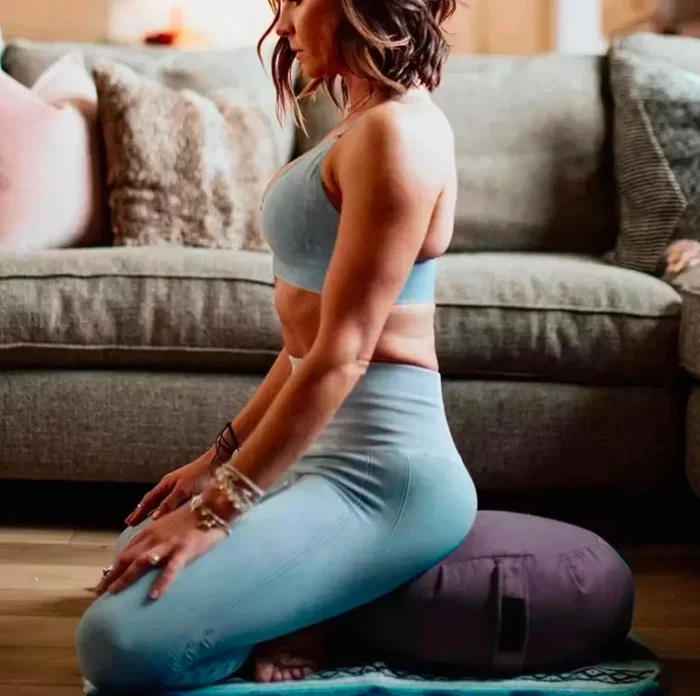
Good posture does not mean rigid posture. In fact, trying too hard to sit perfectly can create more tension than comfort. The best approach is to find a tall, easy alignment that you can maintain without strain.
Visual guide about serene meditation cushion setup
Image source: vitalityessences.com
Stacking the Spine Naturally
Think of your spine as a gentle stack of blocks. Your head should feel balanced over your torso, and your torso should feel balanced over your pelvis. If you lean too far forward, your back muscles work harder. If you lean too far back, your chest may collapse. Aim for a neutral line that feels open and calm.
Softening the Shoulders and Jaw
Many people hold tension in their shoulders without noticing it. Before you begin, take a moment to drop your shoulders away from your ears. Unclench your jaw. Let your hands rest comfortably on your lap or knees. These small releases can make your seat feel much lighter.
Keeping the Breath Free
Your breathing should feel smooth and unforced. If your posture makes it hard to inhale deeply, adjust your position. A slight forward tilt of the pelvis can help your diaphragm move more easily. When your breath flows naturally, it becomes easier to stay present.
Here is a simple posture checklist you can use every time:
- Sit with your hips slightly above your knees.
- Lengthen your spine without stiffening.
- Relax your shoulders and face.
- Rest your hands in a way that feels neutral.
- Check your breath and adjust if needed.
Building a Daily Routine With Your Zafu
A cushion works best when it becomes part of a habit. You do not need a long session to benefit from regular practice. Even a few quiet minutes each day can help you feel more centered. The key is consistency, not intensity.
Starting With Short Sessions
If you are new to sitting, begin with short periods. Five to ten minutes is enough to build familiarity. Short sessions also reduce the chance of discomfort, which makes it easier to return tomorrow. As your body adapts, you can slowly extend the time if you want to.
Creating a Calm Space
Your environment matters more than people expect. A quiet corner, a clean floor, and a little space around you can make sitting feel inviting. You might add a blanket, a soft lamp, or a simple timer. Keep the setup simple so you can begin without extra effort.
Using the Cushion at the Same Time Each Day
Try sitting at a regular time, such as after waking, before work, or in the evening before bed. A steady rhythm helps your mind recognize the practice as part of your day. Over time, this can make it easier to settle in quickly.
If you want a simple routine, try this:
- Place your Zafu in the same spot each day.
- Sit down and make one small comfort adjustment.
- Take three slow breaths.
- Notice your posture and relax any tight areas.
- Stay for a short, manageable session.
Caring for Your Zafu So It Lasts
A good cushion can serve you for a long time if you treat it well. Care does not have to be complicated. A few simple habits can keep your Zafu comfortable and fresh.
Fluffing and Resetting the Fill
Over time, the filling may shift or settle. Give the cushion a gentle shake or fluff it by hand now and then. This helps it keep its shape and support. If your Zafu has a zipper or adjustable fill, you can open it and redistribute the material for a more even feel.
Cleaning and Freshness Tips
Always check the care instructions for your specific cushion cover. In many cases, the cover can be removed and washed according to the label. If you cannot wash the whole cushion, spot cleaning may be enough for small spills or marks. Let the fabric dry fully before using it again.
To keep things fresh, you can also:
- Air out the cushion in a dry, shaded spot.
- Avoid placing it in damp or dusty areas.
- Use a clean mat or towel underneath if needed.
- Replace the cover if it becomes worn or stained beyond repair.
Storing It Properly
When you are not using your Zafu, store it in a dry place where it will not get crushed. If you have limited space, keep it near your practice area so it is easy to reach. A cushion that is easy to access is more likely to become part of your routine.
Troubleshooting Common Comfort Issues
Even with a good setup, you may sometimes feel restless, sore, or distracted. That does not mean you are doing it wrong. It usually means your body needs a small adjustment.
When Your Hips Feel Tight
Tight hips are common, especially if you sit in a chair all day. If your hips feel restricted, raise the cushion a little or place support under your knees. You can also try a kneeling position instead of a cross-legged one. Comfort should come first.
When Your Back Feels Stressed
Lower back discomfort often comes from slumping or from sitting too low. Try lifting your hips slightly and lengthening your spine. If needed, sit closer to the edge of the cushion so your pelvis has more room to tilt forward.
When Your Legs Fall Asleep
If your legs feel numb or tingly, the pressure may be too high. Shift your position, loosen your leg placement, or take a short break. Meditation should not create pain. A brief pause is better than pushing through discomfort.
When You Feel Fidgety
Restlessness is normal, especially at first. Instead of fighting it, notice it. You can also shorten your sessions or add a gentle stretch before sitting. Sometimes the body simply needs more movement before it can settle.
Making the Zafu Part of a Broader Self-Care Practice
Your Zafu can support more than seated meditation. It can become a small anchor in your day for breathing, reflection, or quiet rest. When you use it with intention, it can help you slow down and return to yourself.
Using It for Breathing Breaks
If your day feels busy, sit on your Zafu for a short breathing break. You do not need a full session. A few slow breaths can help reset your pace. This is especially helpful when you feel scattered or overwhelmed.
Pairing It With Gentle Stretching
Before sitting, you might stretch your hips, hamstrings, or back. After sitting, you can stand, walk, or roll your shoulders. This makes your practice feel more balanced and reduces stiffness.
Letting It Become a Familiar Place
Over time, your cushion can become a place your mind associates with calm. That is one reason regular use matters. The more often you sit there with a relaxed intention, the easier it becomes to settle when you arrive.
Final Thoughts on How to Use Your New Zafu
Learning how to use your new Zafu is really about finding what feels steady, comfortable, and sustainable for you. There is no single perfect posture and no magic setup that works for everyone. The best approach is to start simply, make small adjustments, and listen to your body.
As you practice, you may notice that comfort improves not because the cushion changed, but because your relationship with sitting became easier. That is a meaningful shift. A Zafu is not just a cushion. It is a practical support for quiet moments, clearer breathing, and a more grounded routine.
Give yourself time to explore. Try different positions. Adjust the fill. Keep your sessions manageable. Care for the cushion so it stays ready when you are. With a little patience, your Zafu can become one of the simplest and most helpful parts of your day.
Frequently Asked Questions
How do I know if my Zafu is the right height?
Your hips should feel slightly higher than your knees while you sit, with your spine easy to hold. If your back rounds or your knees feel pushed up, the height may need a small adjustment.
Can I use a Zafu if I am not flexible?
Yes. A Zafu can actually help if your hips are tight because it lifts your pelvis and reduces strain. You can also use a cross-legged, kneeling, or supported position that feels more comfortable.
What should I do if the cushion feels too firm?
Try redistributing the filling or removing a small amount if the design allows it. You can also shift your sitting bones to find a spot that feels more even and supportive.
How long should I sit on my Zafu at first?
Start with short sessions, such as five to ten minutes, so your body can adapt without discomfort. You can gradually increase the time later if you want to.
How do I keep my Zafu clean and fresh?
Check the cover instructions first, then wash or spot clean as needed. Air out the cushion in a dry place, fluff it regularly, and store it where it stays clean and dry.
Can I use a Zafu for anything besides meditation?
Yes. Many people also use it for breathing breaks, quiet reflection, or gentle rest. It can be a helpful part of a simple self-care routine whenever you want a calm place to sit.
