
Finding your mortgage credit score is the first step toward homeownership. You can check it for free through many banks and credit sites. Knowing your number helps you plan better. This guide shows you exactly where to look.
This is a comprehensive guide about How To Find My Mortgage Credit Score.
Key Takeaways
- Free access: Many banks offer free credit score checks.
- FICO importance: Mortgage lenders use specific FICO models.
- Report errors: Check your credit report for mistakes.
- Improve score: Pay bills on time to raise your rating.
- Shop around: Different lenders may see different scores.
- Soft checks: Checking your own score does not hurt it.
- Plan ahead: Check your score months before applying.
[FEATURED_IMAGE_PLACEHOLDER]
Buying a home is a big dream. You want to know where you stand. How to find my mortgage credit score is a common question. Many people feel lost. They do not know where to start. You are not alone. This process is simpler than you think.
Your credit score tells lenders about your money habits. It shows if you pay bills on time. It shows if you owe too much. Lenders use this number to decide on loans. A good score means better interest rates. A bad score means higher costs. You want the best deal possible.
We will walk you through every step. You will learn where to look. You will learn what numbers matter. You will learn how to fix issues. Let us get started on this journey. You can do this with ease.
Where to Check Your Credit Score
You have many options to check your score. You do not need to pay for it. Many services offer free access. You should start with your current bank. Most banks give free scores to customers. This is the easiest first step.
Using Online Banking Apps
Open your banking app on your phone. Look for a section called credit or wealth. Many apps show your score right on the home screen. This is very convenient. You can check it anytime. You do not need to leave your house.
Some banks use specific models. They might show you a VantageScore. This is similar to a FICO score. It is still a good indicator. It helps you see your general standing. You can track changes over time.
Free Credit Monitoring Services
There are many websites that help you. Some popular sites offer free reports. You sign up with an email. They show your score and report. This is a great way to stay informed. You can also get alerts. They tell you if something changes.
These services often explain your score. They tell you what is good. They tell you what is bad. This helps you learn. You understand what affects your number. Knowledge is power in finance.
Understanding FICO Scores for Mortgages
Not all credit scores are the same. Lenders look at specific models. They often use FICO scores. There are different versions of FICO. Mortgage lenders usually use older versions. This is important to know.
Your score might look different elsewhere. A credit card company might show a newer model. The mortgage lender might see an older one. The numbers could vary by a few points. Do not panic if they differ. The general range is what matters.
Key Factors That Influence Your Score
Several things change your score. Payment history is the biggest one. Late payments hurt your score a lot. Amounts owed is another big factor. High balances lower your score. Length of credit history matters too. Older accounts help you.
New credit inquiries can lower it. Opening many cards at once is risky. Credit mix also plays a role. Having different types of credit helps. You want a healthy mix. Manage these factors wisely.
Reviewing Your Credit Report for Errors
Your score comes from your report. The report holds the data. Sometimes the data is wrong. Mistakes happen often. You must check your report carefully. You can get free reports annually.
Look for accounts you do not recognize. Look for late payments that were on time. These errors drag your score down. Fixing them can boost your score. You have the right to dispute errors. The bureaus must investigate.
How to Dispute Mistakes
Write a letter to the credit bureau. Explain the error clearly. Include proof if you have it. Send copies, not originals. Keep records of everything. The bureau has thirty days to respond. They must remove inaccurate info.
You can also contact the lender. Tell them about the mistake. They might fix it on their end. This updates the bureau too. Be persistent if needed. Your financial health is worth the effort.
Improving Your Score Before Applying
You might want to raise your score. Higher scores get better rates. You can take steps to improve it. Start this process early. Do not wait until the last minute. Changes take time to show up.
Pay down your credit card balances. Keep utilization below thirty percent. Ideally, keep it below ten percent. Pay all bills on time. Set up automatic payments. This prevents accidental late fees.
Quick Tips for Boosting Your Rating
Here are some fast actions you can take.
- Pay down debt: Lower your credit card balances.
- Stop applying: Do not open new credit lines.
- Become an authorized user: Ask a family member to add you.
- Check limits: Ask for a credit limit increase.
- Keep old accounts: Do not close old credit cards.
These steps help your profile. They show lenders you are responsible. You look like a safe bet. This leads to loan approval. It also leads to savings.
Talking to Lenders About Your Score
Once you know your score, talk to lenders. They can tell you what you qualify for. Be honest about your situation. They see the same report eventually. Hiding info does not help. Transparency builds trust.
Ask about different loan programs. Some programs accept lower scores. FHA loans are one example. They help people with less perfect credit. Conventional loans usually need higher scores. Know your options before you apply.
Getting Pre-Approved
Pre-approval is a strong step. It shows sellers you are serious. The lender checks your credit deeply. This is a hard inquiry. It might drop your score slightly. One drop is normal. Many drops look bad.
Try to do all inquiries within a short window. Scoring models often count them as one. This happens for mortgage shopping. Do your rate shopping quickly. This protects your score. You can compare offers safely.
Common Mistakes to Avoid
People make errors when checking credit. They panic over small changes. They ignore big problems. They pay for things they do not need. Avoid these traps to stay on track.
Do not close old credit cards. This shortens your history. It can lower your score. Do not max out your cards. High utilization looks risky. Do not ignore collection accounts. Address them as soon as possible.
Expert Insights on Credit Health
Experts say consistency is key. One late payment matters less than many. Build a long history of good behavior. This outweighs past mistakes. Time heals credit wounds. Be patient with the process.
Focus on what you control. You cannot change the past instantly. You can change today. Pay bills now. Save money now. These actions build future stability. Your score will reflect this effort.
Key Takeaways for Homebuyers
You now know how to find your score. You know where to look. You know how to improve it. Use this knowledge wisely. Your home buying journey starts here. Make smart choices for your future.
- Check regularly: Monitor your score often.
- Fix errors: Dispute wrong information quickly.
- Save money: Lower your debt balances.
- Shop smart: Compare lenders within a short time.
- Stay patient: Improvement takes time and effort.
Frequently Asked Questions
Does checking my own credit score hurt it?
No, checking your own score is a soft inquiry. It does not lower your credit rating. You can check it as often as you like. Hard inquiries happen when lenders check for loans.
What credit score do I need for a mortgage?
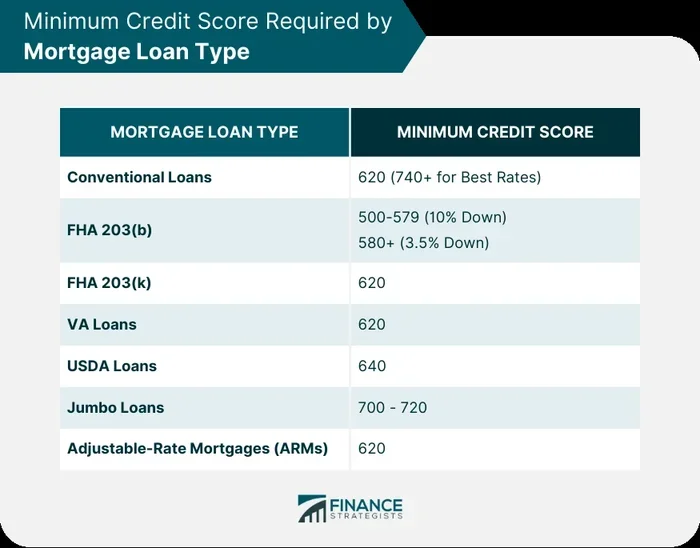
It depends on the loan type. Conventional loans often need higher scores. FHA loans may accept lower scores. Generally, a score above 620 is good. Higher scores get better interest rates.
How often is my credit score updated?
Creditors usually report once a month. Your score updates when they send data. You might see changes every thirty days. Monitoring services show these updates quickly.
Can I get a mortgage with bad credit?
Yes, it is possible but harder. You may need a larger down payment. Interest rates will be higher. Some government programs help buyers with poor credit. Work on improving your score first if possible.
Where can I find my free credit report?
You can get free reports from annual credit report websites. Many banks also provide them. Some apps offer free access too. Reviewing your report helps you spot errors.
Why is my mortgage credit score different?
Lenders use specific FICO models for mortgages. You might see a different version elsewhere. The scores can vary by a few points. The overall range is usually similar. Focus on the general trend.
Conclusion
Finding your credit score is the first step. You have many free tools available. Use your bank or online services. Understand what lenders look for. They want to see stability and responsibility.
Take action to improve your number. Pay bills on time. Reduce your debt. Check your report for errors. These steps build a strong foundation. You will feel more confident applying.
Homeownership is within reach. You just need to prepare. Know your numbers before you start. This saves you money and stress. You can find your mortgage credit score easily. Start today and move closer to your dream home.
Frequently Asked Questions
What is How To Find My Mortgage Credit Score?
How To Find My Mortgage Credit Score is an important topic with many practical applications.
