
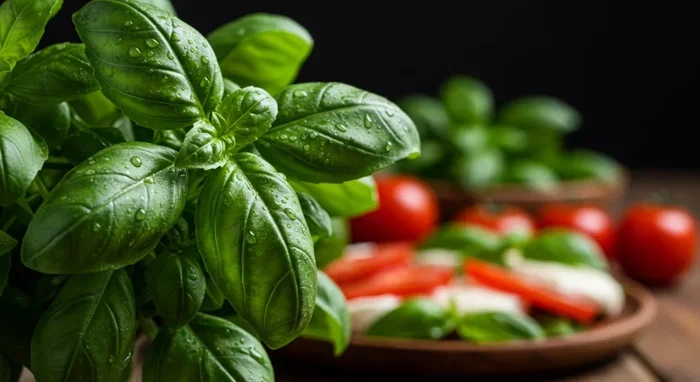
Cooking with fresh basil transforms ordinary dishes into vibrant, aromatic meals. This fragrant herb adds a sweet, peppery touch that works beautifully in sauces, salads, and even desserts. When you learn to handle it right, you will keep it fresh longer and get the most flavor from every leaf. Whether you are whipping up pasta or garnishing soup, fresh basil brings a bright finish to your cooking.
Cooking with fresh basil is one of the easiest ways to make simple food taste special. This bright green herb has a sweet, slightly peppery flavor that can wake up pasta, soups, salads, and even fruit dishes. If you have ever bought a bunch of basil and watched it wilt in the fridge, you are not alone. Many people struggle to keep it fresh and use it before it turns soft. The good news is that a few simple habits can help you store it better and cook with it more confidently.
In this guide, you will learn how to choose the best basil, store it so it lasts longer, and use it in everyday meals. We will also cover the best flavor pairings, easy recipes, and smart ways to handle extra basil. If you enjoy cooking at home, this herb can become one of your favorite kitchen tools. It is simple, fragrant, and wonderfully versatile.
Key Takeaways
- Pick basil at peak freshness: Look for bright green leaves, strong aroma, and no wilting or dark spots.
- Store it the right way: Treat basil like flowers by trimming stems and placing them in water, or wrap loosely in a damp paper towel.
- Add it late in cooking: Heat fades basil flavor, so stir it in near the end or use it raw as a garnish.
- Match basil with simple ingredients: Tomatoes, garlic, mozzarella, lemon, olive oil, and nuts bring out its best qualities.
- Try different varieties: Sweet basil, Thai basil, and lemon basil each bring unique flavor notes to your meals.
- Make easy recipes at home: Pesto, caprese salad, and basil butter are quick ways to use a generous amount.
- Freeze extras for later: Freeze basil in oil or as pesto so you can enjoy summer flavor all year long.
📑 Table of Contents
- Why Fresh Basil Deserves a Spot in Your Kitchen
- How to Choose the Best Fresh Basil
- How to Store Fresh Basil So It Lasts Longer
- Best Ways to Cook with Fresh Basil
- Easy Recipes That Use Fresh Basil
- How to Keep Basil Flavor Strong in Your Dishes
- What to Do with Extra Fresh Basil
- Final Thoughts on Cooking with Fresh Basil
Why Fresh Basil Deserves a Spot in Your Kitchen
Fresh basil is more than just a pretty garnish. It adds aroma, color, and a clean herbal flavor that can balance rich foods. When you chop or tear basil, the leaves release oils that give your dish a fresh finish. That is why many cooks save it for the end of the cooking process. If you cook it too long, the flavor softens and the leaves lose their bright color.
Another reason basil is so useful is that it works with many types of food. It fits right in with Italian classics, but it also works in fresh salads, sandwiches, roasted vegetables, and even some sweet recipes. If you want a herb that feels both comforting and lively, basil is a great choice. It can make a weeknight dinner feel a little more thoughtful without requiring extra effort.
What Makes Basil So Flavorful
Basil gets its flavor from natural oils found in the leaves. These oils give it that familiar mix of sweetness, pepper, and a hint of mint or anise, depending on the variety. The flavor is strongest when the herb is fresh and handled gently. That is why tearing or chopping it just before serving often works better than preparing it too early.
The variety you choose also matters. Sweet basil is the most common type and works well in tomato-based dishes. Thai basil has a sturdier leaf and a slightly spicier flavor, which makes it a good match for stir-fries and soups. Lemon basil brings a lighter citrus note, while purple basil adds visual appeal and a milder taste. Each type can bring a different mood to your cooking.
How to Choose the Best Fresh Basil
The quality of your dish starts with the quality of your basil. If you are shopping at a market or grocery store, look for bunches that feel lively and fragrant. The leaves should look crisp, not droopy. Avoid packages with slimy spots, yellowing leaves, or a weak scent. If the basil already smells faint in the store, it may not bring much flavor to your food.
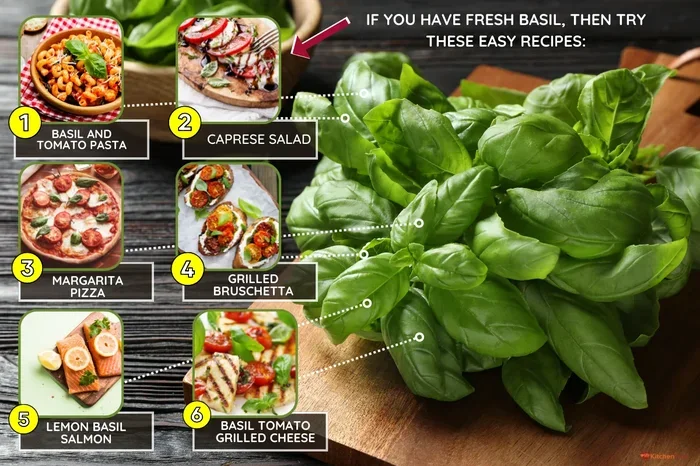
Visual guide about fresh basil cooking ingredients
Image source: kitchenseer.com
If you grow basil at home, picking it the right way can help the plant keep producing. Harvest the top leaves first and trim just above a leaf pair. This encourages the plant to grow fuller instead of taller and leggy. Regular harvesting also keeps the leaves tender, which means better flavor in your kitchen.
Signs of Fresh, Healthy Basil
Here are a few quick signs that basil is ready to use:
- Bright color: The leaves should look deep green or purple, depending on the variety.
- Strong scent: Rub a leaf gently and you should smell a clear herbal aroma.
- Firm texture: Leaves should feel soft but not wet, limp, or sticky.
- No damage: Avoid leaves with brown edges, dark spots, or holes.
- Fresh stems: Stems should look hydrated, not dried out or cracked.
How to Store Fresh Basil So It Lasts Longer
If you want your basil to stay fresh, treat it with care from the moment you bring it home. Basil does not like cold, damp conditions the way some other herbs do. In many cases, the fridge can actually make it blacken and wilt faster. That is why many cooks store basil at room temperature, especially if they plan to use it within a few days.
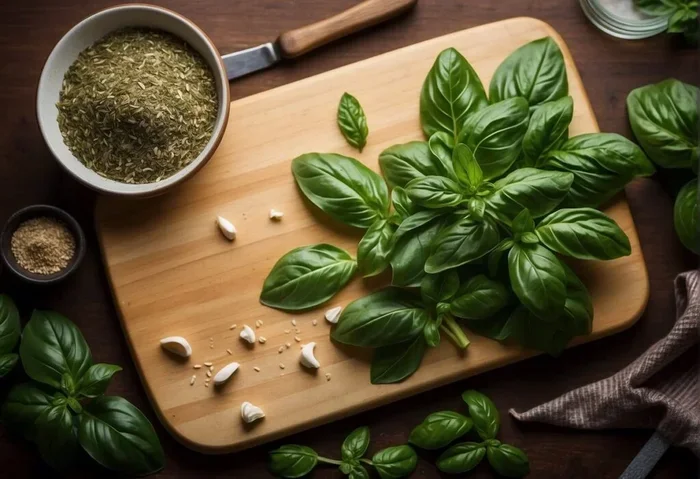
Visual guide about fresh basil cooking ingredients
Image source: thekitchencommunity.org
One simple method is to trim the stems and place the bunch in a glass of water, like a small bouquet. Keep it out of direct sunlight and change the water daily. Loosely covering the leaves with a plastic bag can help maintain humidity without trapping too much moisture. This method works well when you want basil to stay crisp for quick cooking.
Fridge Storage Tips
If you need to keep basil longer, you can refrigerate it, but you should do it carefully. Wrap the leaves gently in a dry paper towel and place them in a sealed container or bag. The goal is to reduce moisture without drying the herb out completely. Even with this method, basil usually lasts best when used soon after buying it.
Another option is to prep the basil ahead of time. You can chop it and freeze it in olive oil, or blend it into pesto and store that in the fridge or freezer. This is a smart move when you have more basil than you can use right away. It also saves time on busy nights when you want flavor fast.
Quick Storage Mistakes to Avoid
- Leaving basil unwrapped in the fridge: Cold air and excess moisture can damage the leaves.
- Washing it too early: Extra water can speed up spoilage, so wash basil only when you are ready to use it.
- Ignoring yellow leaves: Remove damaged leaves so they do not affect the rest of the bunch.
- Crumpling the leaves: Handle basil gently to keep the texture and aroma intact.
Best Ways to Cook with Fresh Basil
The best way to cook with fresh basil depends on the dish you are making. In many recipes, basil works best when it is added near the end. That keeps the flavor bright and the color lively. For example, stirring chopped basil into warm pasta, soup, or sautéed vegetables just before serving gives you a fresh finish without losing the herb’s personality.
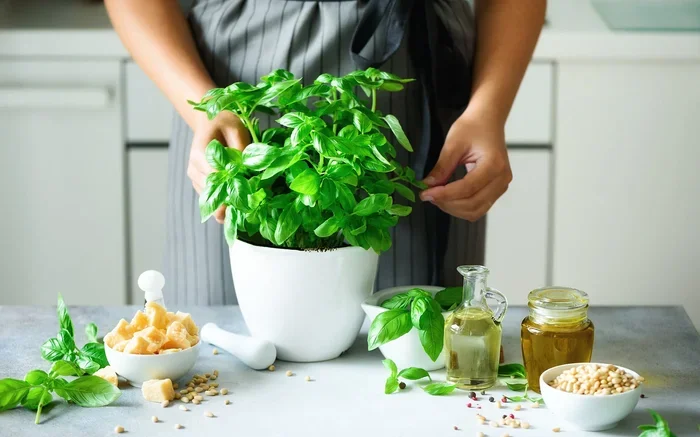
Visual guide about fresh basil cooking ingredients
Image source: cleaneatingmag.com
Basil also shines when it is used raw. A few torn leaves over a tomato salad, sandwich, or pizza can make the whole dish feel lighter and more aromatic. Because basil has such a distinct flavor, you do not need a lot of it to make an impact. Start with a small amount, taste, and add more if you want a stronger herbal note.
Cooking Methods That Work Well
Here are some of the easiest ways to use basil in everyday cooking:
- Stirred into sauces: Add basil at the end of a tomato sauce or cream sauce for a fresh lift.
- Torn into salads: Pair it with tomatoes, cucumbers, mozzarella, or fruit for a bright combination.
- Used on top of pizza or pasta: A few leaves after baking or tossing make the dish feel finished.
- Blended into pesto or herb spreads: This is a great way to use a larger amount at once.
- Mixed into butter or oil: Basil butter and infused oil are simple ways to add flavor to bread, fish, or vegetables.
Flavor Pairings That Make Basil Shine
Basil plays well with many ingredients. Some combinations are classic because they work so well together. Tomatoes and basil are a famous pair for a reason. The sweetness of the tomato and the herbal notes of basil balance each other nicely. Garlic, olive oil, lemon, mozzarella, pine nuts, walnuts, and mild cheeses also complement basil very well.
If you want to experiment, try basil with:
- Summer vegetables: Zucchini, bell peppers, eggplant, and tomatoes.
- Fresh fruit: Strawberries, watermelon, and peaches can surprise you in salads or drinks.
- Proteins: Chicken, shrimp, white fish, and eggs often benefit from a basil finish.
- Grains and pasta: Basil adds freshness to rice, couscous, noodles, and baked pasta.
- Bread and spreads: It works nicely in compound butter, bruschetta, and sandwich fillings.
Easy Recipes That Use Fresh Basil
If you are looking for simple ways to start, a few favorite recipes can help you use basil without much effort. These ideas are flexible, so you can adjust them based on what you have in the kitchen.
Quick Basil Pesto
Pesto is one of the best ways to turn a large bunch of basil into something delicious. You can blend fresh basil leaves with garlic, nuts, Parmesan, olive oil, and a little salt. Use it on pasta, spread it on sandwiches, or dollop it onto roasted vegetables. If you want a lighter version, you can reduce the oil or swap in different nuts.
Caprese-Style Salad
A caprese salad is a simple way to let basil stand out. Slice tomatoes and mozzarella, then layer them with fresh basil leaves. Add a little olive oil, salt, and pepper, and you have a fresh salad that feels elegant without being complicated. If you like a little extra brightness, a touch of balsamic or lemon juice can round it out.
Basil Butter for Bread or Vegetables
Basil butter is easy to make and very useful. Mix softened butter with finely chopped basil and a pinch of salt. You can spread it on warm bread, melt it over corn, or use it to finish cooked vegetables. It is a small step that adds a lot of flavor.
Simple Basil Lemon Pasta
For a fast dinner, toss warm pasta with olive oil, lemon juice, garlic, and chopped basil. Add a little Parmesan if you like, and you have a light dish that still feels satisfying. This kind of recipe shows how a few fresh ingredients can come together quickly when you know how to cook with fresh basil.
How to Keep Basil Flavor Strong in Your Dishes
If your basil flavor seems weak, the issue is often timing or storage. Basil loses strength when it sits too long in heat, water, or poor storage conditions. To keep the flavor strong, handle the leaves gently and add them when the dish is nearly ready. If you are cooking a sauce, stir basil in after you turn off the heat instead of boiling it for a long time.
It also helps to prepare basil right before serving. Once the leaves are cut, their flavor begins to change. That does not mean you must chop every leaf by hand at the last second, but it does mean you should avoid prepping basil hours ahead if you want the freshest taste. For the best results, keep the leaves whole until you are ready to use them.
Tips for Stronger Basil Flavor
- Use it fresh: Add basil at the end of cooking whenever possible.
- Taste as you go: Start small and build the flavor gradually.
- Pair it well: Strong ingredients like garlic and tomato can help basil stand out.
- Choose the right variety: Sweet basil, Thai basil, and lemon basil each bring different notes.
- Keep leaves dry before cooking: Excess water can dilute flavor and affect texture.
Common Mistakes When Cooking with Basil
Even a simple herb can be mishandled. Here are a few mistakes that can reduce the quality of your dish:
- Cooking basil too long: Long heat exposure can dull the flavor and darken the leaves.
- Using wilted basil: Old basil may look acceptable but will not taste as lively.
- Overpowering the dish: Too much basil can make a meal taste sharp or bitter.
- Chopping too early: Pre-chopped basil loses freshness faster than whole leaves.
- Ignoring variety differences: Not every basil type works the same way in every recipe.
What to Do with Extra Fresh Basil
If you bought too much basil or harvested a full basket from the garden, do not let it go to waste. Extra basil can be turned into several useful things. You can make pesto and freeze it in small portions. You can blend basil with oil and freeze the mixture in ice cube trays. You can also dry basil, though dried basil tastes different from fresh and works best in slow-cooked dishes rather than fresh garnishes.
Another helpful option is to share the abundance. Fresh basil makes a thoughtful gift for neighbors, friends, or anyone who enjoys cooking. You can also use it in batch cooking. For example, prepare a large jar of herb butter, a batch of sauce, or a few servings of frozen pesto so you have ready-to-use flavor later.
Freezing Basil for Later
Freezing is a practical way to keep basil usable beyond the fresh window. One simple approach is to chop the leaves and mix them with a little olive oil before freezing. Another option is to puree basil into pesto and store it in containers or freezer bags. Both methods help preserve flavor better than letting basil sit in the fridge for too long.
When you freeze basil, label it clearly and use it within a reasonable time. Frozen basil is best treated as a convenient flavor booster rather than a perfect replacement for fresh leaves. It works especially well in cooked dishes, soups, sauces, and spreads.
Final Thoughts on Cooking with Fresh Basil
Learning how to cook with fresh basil is really about learning how to let a simple ingredient do its best work. Keep it fresh, handle it gently, and add it at the right moment. Pair it with foods that complement its sweet, herbal flavor, and you will get better results every time. Whether you are making a quick pasta, a fresh salad, or a homemade sauce, basil can give your cooking a bright and memorable finish.
The best part is that you do not need fancy techniques to enjoy it. A little care goes a long way. Start with a small recipe, experiment with pairings, and notice how the flavor changes when you use basil in different ways. Once you get comfortable with it, fresh basil can become one of the easiest and most rewarding ingredients in your kitchen.
Frequently Asked Questions
Can I cook fresh basil instead of adding it at the end?
You can cook basil, but it usually tastes best when added near the end of cooking. Long heat can dull the flavor and darken the leaves, so many cooks stir it in just before serving.
How long does fresh basil last in the fridge?
Fresh basil usually lasts a few days in the fridge if stored carefully, but it often does better at room temperature for short-term use. Wrap it gently and keep it dry to help it stay fresh longer.
What foods pair best with fresh basil?
Basil pairs well with tomatoes, garlic, olive oil, lemon, mozzarella, nuts, pasta, and many summer vegetables. It also works nicely in sandwiches, salads, and some fruit dishes.
Can I freeze fresh basil for later use?
Yes, you can freeze basil by chopping it with a little olive oil or by blending it into pesto. Frozen basil works especially well in cooked dishes, sauces, and soups.
Is Thai basil the same as sweet basil?
No, they are different. Sweet basil is softer and often used in Italian-style dishes, while Thai basil has a sturdier leaf and a slightly spicier flavor that works well in stir-fries and soups.
How do I keep basil from turning black too quickly?
Handle it gently, avoid washing it too early, and store it with minimal moisture. Adding it late in the cooking process also helps preserve its color and flavor.
