

Breaking free from surgery fear is possible with the right mindset and support. This guide shows you how to break the knee surgery mental block using proven psychological tools and practical steps. You will learn to manage anxiety, build confidence, and focus on a smooth recovery journey.
Facing knee surgery can feel like standing at the edge of a cliff. Your mind races with worries about pain, recovery time, and whether you will ever move the same way again. These thoughts are completely normal. Surgery is a big step, and your brain naturally tries to protect you from the unknown. But when fear starts to freeze you, it becomes a mental block that slows down your healing before you even begin.
The good news is that you can move past this fear. How to break the knee surgery mental block is not about pretending you are not scared. It is about understanding your fear, building practical coping tools, and creating a clear path forward. When you tackle the emotional side of surgery, your body responds better, your recovery feels smoother, and you regain control over your journey. Let us walk through exactly how to do that.
Key Takeaways
- Understand the root cause: Identify specific fears like pain, loss of mobility, or past trauma to address them directly.
- Use visualization techniques: Mentally rehearse a successful surgery and recovery to rewire your brain for confidence.
- Talk to your medical team: Open communication with surgeons and therapists reduces uncertainty and builds trust.
- Lean on your support system: Friends, family, and support groups provide emotional strength during tough moments.
- Prepare your environment: Setting up your home and routine beforehand reduces stress and boosts control.
- Practice relaxation daily: Breathing exercises, meditation, and gentle movement calm your nervous system.
- Focus on small wins: Celebrate every step of recovery to build momentum and positive momentum.
📑 Table of Contents
- Understanding the Knee Surgery Mental Block
- Practical Steps to Break the Mental Block
- Mindset Shifts That Reduce Surgery Anxiety
- Using Support Systems and Professional Help
- Daily Habits That Build Confidence Before Surgery
- Staying Motivated Through Recovery
- Common Mistakes to Avoid
- Expert Insights and Key Takeaways
Understanding the Knee Surgery Mental Block
A mental block happens when fear, anxiety, or past experiences create a wall between you and a necessary medical step. With knee surgery, this block often shows up as avoidance, sleepless nights, constant second-guessing, or even physical symptoms like a racing heart when you think about the procedure. Your brain is trying to keep you safe, but it is overreacting to a situation that is actually very manageable with the right support.
Common Triggers Behind the Fear
Most people face a few core worries before knee surgery. Recognizing them helps you take the first step toward how to break the knee surgery mental block. Here are the most common triggers:
- Fear of pain: Worrying that the procedure or recovery will hurt more than expected.
- Loss of independence: Feeling anxious about needing help with daily tasks or missing work.
- Past negative experiences: Previous surgeries, injuries, or medical trauma can resurface as fresh fear.
- Uncertainty about results: Questioning whether the surgery will actually fix the problem or improve mobility.
- Financial and time stress: Worrying about costs, insurance, or how long recovery will take.
How Anxiety Fuels the Block
Anxiety works like a feedback loop. You worry, your body tenses, your thoughts spiral, and then the fear grows stronger. This loop can make you delay surgery, skip pre-op instructions, or mentally shut down. The longer you stay in that loop, the harder it feels to move forward. Breaking the cycle starts with naming the fear and choosing a small, concrete action to interrupt it.
Practical Steps to Break the Mental Block
You do not need to eliminate fear completely. You only need to reduce it enough so you can take the next step. Here are practical, everyday strategies that help you learn how to break the knee surgery mental block without overwhelming yourself.

Visual guide about knee surgery mental recovery
Image source: thuasne-store.co.uk
1. Write Down Your Exact Fears
Grab a notebook and list every worry that pops into your head. Be specific. Instead of writing “I am scared,” write “I am scared I will not walk normally for three months.” Specific fears are easier to address than vague ones. Once they are on paper, they lose some of their power. You can also separate realistic concerns from exaggerated ones.
2. Talk to Your Surgical Team Early
Doctors, nurses, and physical therapists hear these fears every day. Ask direct questions about pain management, recovery timelines, and what support you will have at home. When you understand the plan, the unknown shrinks. You can also ask about pre-hab exercises that prepare your knee before surgery. Feeling prepared builds confidence fast.
3. Use Guided Visualization
Visualization is a simple mental rehearsal technique. Close your eyes and picture the entire process in a calm, positive way. Imagine checking in, meeting the care team, waking up comfortably, and doing your first physical therapy session with steady progress. Your brain responds to repeated mental images. Over time, this practice trains your nervous system to associate surgery with safety instead of danger.
4. Build a Support Circle Before Surgery
You do not have to carry this alone. Tell a trusted friend or family member what you are feeling. Ask them to help with rides, meal prep, or check-ins during recovery. If you know someone who has had knee surgery, their real-world experience can be incredibly reassuring. Support reduces isolation, and isolation often feeds fear.
5. Prepare Your Home and Routine
A smooth recovery starts before you enter the operating room. Set up a comfortable resting area, move frequently used items to easy reach, and clear walkways to prevent trips. Plan your meals, organize medications, and arrange help for the first few days. When your environment feels ready, your mind feels more in control. Control is a powerful antidote to anxiety.
Mindset Shifts That Reduce Surgery Anxiety
Changing how you think about surgery does not mean forcing positivity. It means replacing catastrophic thoughts with balanced, realistic ones. This shift is a major part of how to break the knee surgery mental block because it changes the story your brain tells itself.

Visual guide about knee surgery mental recovery
Image source: healthjade.com
Replace Catastrophizing With Realistic Expectations
Catastrophizing sounds like “I will never be the same” or “This will ruin my life.” Realistic thinking sounds more like “Recovery takes time, but I have a plan and support.” The second version is not fake optimism. It is accurate, grounded, and much easier for your brain to work with. Try catching extreme thoughts and rewriting them into measured statements.
Focus on Function, Not Perfection
Many people fear they will lose their identity or capabilities. Instead of aiming for a perfect outcome, focus on functional goals. Can you walk to the mailbox? Can you climb one flight of stairs? Can you play with your kids again? Small functional wins matter more than an idealized version of recovery. They also give your brain proof that progress is happening.
Accept That Discomfort Is Temporary
Recovery is not always comfortable, but discomfort is not the same as failure. Swelling, stiffness, and soreness are normal parts of healing. When you expect these sensations ahead of time, they feel less threatening. You can also work with your care team to create a comfort plan that includes medication, ice, elevation, and rest. Knowing what to expect makes the hard days easier to endure.
Using Support Systems and Professional Help
Sometimes the best way to move past fear is to bring in extra help. Professional guidance and strong personal support can make a huge difference when you are figuring out how to break the knee surgery mental block.
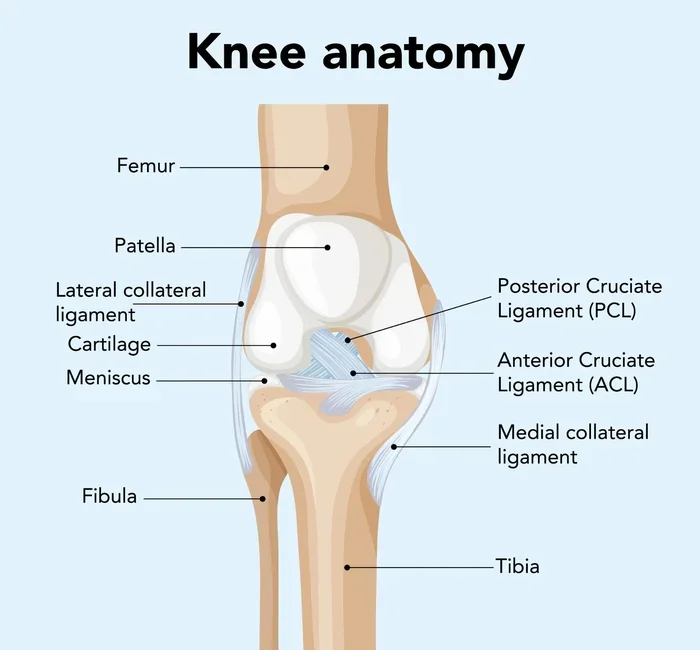
Visual guide about knee surgery mental recovery
Image source: arthritiskneepain.com
When to Consider a Therapist or Counselor
If your fear is intense, persistent, or tied to past trauma, a mental health professional can help you unpack it. Therapy gives you tools to manage panic, challenge unhelpful thoughts, and build coping skills before surgery. You do not need to be in crisis to benefit. Even a few sessions can help you feel steadier and more prepared.
Lean on Family, Friends, and Peer Support
Emotional support matters just as much as practical help. Let people know what you need, whether that is a listening ear, a ride to appointments, or someone to remind you to do your exercises. Peer support can also help. Talking with someone who has already gone through knee surgery can normalize your experience and give you a realistic picture of recovery.
Communicate Clearly With Your Care Team
Your surgeons and therapists are partners in your recovery. Share your fears openly. Ask for written instructions, recovery timelines, and warning signs to watch for. The more aligned you are with your team, the less room there is for fear to grow in the gaps. Clear communication also helps you feel respected and heard, which lowers stress.
Daily Habits That Build Confidence Before Surgery
Confidence is built through small, repeated actions. When you practice helpful habits consistently, your brain starts to trust that you can handle what comes next. These habits are simple, but they play a real role in how to break the knee surgery mental block.
Keep a Recovery Journal
Write a few lines each day about your thoughts, progress, and worries. Journaling helps you spot patterns, track mood changes, and notice when fear is spiking. It also gives you a place to record wins, even tiny ones. Over time, your journal becomes proof that you are moving forward.
Practice Relaxation Techniques
Deep breathing, progressive muscle relaxation, and short meditation sessions can calm your nervous system. Try a simple breathing pattern: inhale for four counts, hold for four, exhale for six. Repeat it for a few minutes when anxiety rises. These tools do not erase fear, but they lower its intensity so you can think more clearly.
Stay Gentle With Movement
If your doctor approves, keep moving in safe, comfortable ways before surgery. Gentle walking, stretching, or prescribed pre-hab exercises can improve strength and reduce stiffness. Movement also reminds your body that it is still capable. That reminder matters when fear tries to tell you otherwise.
Protect Your Sleep and Nutrition
Fatigue and poor nutrition make anxiety feel louder. Aim for consistent sleep, balanced meals, and enough water. You do not need a perfect routine. You just need a steady foundation. When your body is supported, your mind has an easier time staying grounded.
Staying Motivated Through Recovery
The mental block does not always disappear the moment surgery ends. Recovery brings its own emotional ups and downs. Staying motivated is how you keep momentum going after the procedure.
Set Small, Clear Goals
Break recovery into manageable steps. Maybe your first goal is to stand for a few minutes, then walk to the bathroom, then walk down the hall. Small goals are easier to measure and easier to celebrate. They also keep you focused on the next step instead of the whole mountain.
Track Progress, Not Just Pain
It is easy to fixate on what still hurts. Try balancing that focus by noting what is improving. Maybe your swelling is lower today, or your range of motion is slightly better, or you needed less help than yesterday. Progress is often gradual, and tracking it helps you see change that your fear might otherwise hide.
Be Patient With Setbacks
Recovery is rarely a straight line. Some days will feel easier, and some will feel frustrating. A setback does not mean you are failing. It usually means your body is adjusting. When you expect bumps in the road, they feel less alarming. Give yourself grace, follow your care plan, and keep moving at a steady pace.
Common Mistakes to Avoid
A few habits can make the mental block stronger instead of weaker. Avoiding these traps helps you stay on track.
- Ignoring your fear: Pretending everything is fine does not make anxiety disappear. It usually pushes it underground, where it grows louder.
- Googling every worst-case scenario: Endless searching often fuels panic more than it informs you. Stick to trusted sources and your medical team.
- Comparing your recovery to others: Everyone heals differently. Comparison can distort your expectations and increase stress.
- Skipping support: Trying to tough it out alone makes the process harder. Let people help you.
- Pushing too hard, too fast: Overexertion can increase pain and frustration. Follow your therapist’s guidance and respect your limits.
Expert Insights and Key Takeaways
Experts in surgery recovery and stress management often emphasize the same idea: preparation reduces fear. When you know what to expect, who to call, and how to care for yourself, your brain has less room to spiral. They also stress that emotional readiness is part of physical readiness. A calm mind supports better rest, better participation in therapy, and a more steady recovery.
Here is a quick comparison of approaches that help versus habits that hinder:
- Helpful: Asking questions early, writing down fears, using relaxation tools, and building a support plan.
- Helpful: Focusing on small functional goals and tracking gradual progress.
- Hindering: Avoiding the topic, spiraling through online searches, and isolating yourself.
- Hindering: Expecting instant results or judging every bad day as failure.
If you take nothing else from this guide, remember these core points:
- Name your fear clearly so you can work with it instead of against it.
- Build a plan with your medical team and your home environment.
- Use mental tools like visualization, journaling, and breathing to lower anxiety.
- Lean on people who can support you practically and emotionally.
- Keep your goals small and realistic so progress stays visible.
Learning how to break the knee surgery mental block is really about reclaiming your sense of control. Surgery is a medical event, but fear is an emotional one. When you address both, you give yourself a much better chance at a smoother experience and a stronger recovery. You do not have to feel fearless. You only have to keep moving, one prepared step at a time.
Frequently Asked Questions
What is the knee surgery mental block?
The knee surgery mental block is a state of fear, anxiety, or avoidance that makes it hard to move forward with surgery or recovery. It often comes from worries about pain, mobility, or the unknown, and it can slow down your confidence if left unaddressed.
How can I calm my fear before knee surgery?
Start by naming your specific fears, then talk openly with your surgical team about pain control and recovery expectations. Relaxation practices like slow breathing, visualization, and journaling can also lower anxiety and help you feel more prepared.
Does visualization really help with surgery anxiety?
Yes, visualization can help because your brain responds to repeated mental rehearsal. Imagining a calm procedure and steady recovery trains your mind to associate the experience with safety instead of threat, which can reduce fear over time.
Should I see a therapist before knee surgery?
If your fear feels intense, persistent, or tied to past medical trauma, a therapist can give you practical tools to manage anxiety. Even a few sessions can help you build coping skills, challenge unhelpful thoughts, and feel steadier before the procedure.
What if I feel overwhelmed during recovery?
Feeling overwhelmed is common, especially when pain, fatigue, or limited mobility show up. Focus on the next small goal, use your support system, and remind yourself that recovery is a process with ups and downs rather than a straight line.
How do I avoid falling back into fear after surgery?
Keep tracking small wins, follow your rehab plan, and stay connected to people who support you. When setbacks happen, treat them as normal parts of healing instead of proof that something is wrong, and contact your care team if you need guidance.
