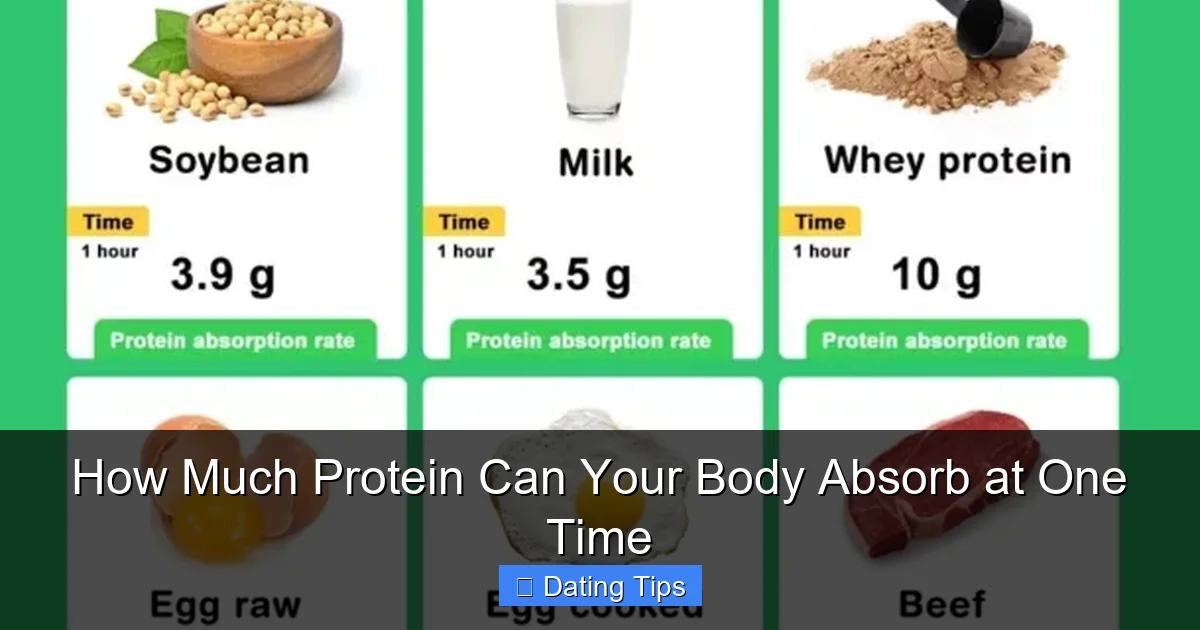
How Much Protein Can Your Body Absorb at One Time
Your body has a limit on how much protein it can use in one sitting. Research shows most people absorb about 20–40 grams per meal, regardless of total intake. Spreading protein evenly across meals is more effective than loading up at once. This simple strategy boosts muscle synthesis and supports long-term health goals.
Have you ever wondered if chugging a giant protein shake after the gym actually helps build muscle? Or why some people seem to eat tons of protein without gaining weight—while others struggle despite high intake? The truth lies in something called protein absorption capacity. Your body can only use so much protein at once, no matter how much you consume.
Understanding how much protein your body can absorb at one time isn’t just a fitness myth—it’s grounded in real science. And knowing this limit can help you train smarter, recover faster, and fuel your body more efficiently. Whether you’re lifting weights, running marathons, or simply trying to stay healthy, optimizing your protein intake makes a big difference.
In this article, we’ll break down exactly how much protein your system can handle at once, why timing matters, and practical tips to get the most out of every gram. Let’s dive into what science actually says—and how you can apply it to your lifestyle.
Key Takeaways
- Optimal Protein Absorption Range: Most adults absorb 20–40 grams of protein per meal for maximum muscle protein synthesis.
- Timing Matters More Than Quantity: Distributing protein intake across 3–4 meals maximizes utilization throughout the day.
- Individual Factors Influence Limits: Age, activity level, metabolism, and muscle mass affect how efficiently you process protein.
- Excess Protein Isn’t Stored: Undigested protein beyond absorption thresholds may be converted to energy or stored as fat.
- Quality Over Quantity: Complete proteins with all essential amino acids support better absorption and muscle repair.
- Hydration Enhances Digestion: Drinking water with protein helps enzymes break down amino acids more effectively.
- Post-Workout Windows Are Flexible: While popular, the “anabolic window” isn’t rigid—total daily protein matters most.
📑 Table of Contents
- What Is Protein Absorption?
- How Much Protein Can You Actually Absorb Per Meal?
- Why Does This Limit Exist?
- Who Might Need More Than 40 Grams Per Meal?
- Practical Tips to Maximize Protein Utilization
- Common Myths About Protein Absorption
- Signs You’re Eating Too Much Protein at Once
- Final Thoughts: Optimize, Don’t Maximize
What Is Protein Absorption?
Protein absorption refers to the process by which your digestive system breaks down dietary protein into individual amino acids—the building blocks of muscle, enzymes, hormones, and tissues. Once absorbed, these amino acids enter your bloodstream and are transported to cells where they’re used for repair, growth, or energy.
Your gut doesn’t absorb whole protein molecules; instead, specialized enzymes in your stomach and small intestine split proteins like steak or whey into peptides and then single amino acids. From there, they cross the intestinal wall and circulate through your body. But here’s the key: your body can’t store excess amino acids long-term. Any unused ones get repurposed—either burned for fuel or converted into fat.
So even if you eat 100 grams of chicken breast in one meal, your body won’t magically grow bigger muscles. Only the amino acids it can absorb and utilize in that moment count toward muscle synthesis. That’s why understanding your personal absorption threshold is so important.
How Much Protein Can You Actually Absorb Per Meal?

Visual guide about How Much Protein Can Your Body Absorb at One Time
Image source: macrosinc.net
Research consistently shows that **most adults absorb between 20 and 40 grams of protein per meal** for optimal muscle protein synthesis (MPS). This means eating 60 grams of protein in one sitting likely yields diminishing returns—because your body simply can’t process it all at once.
A landmark study published in *The American Journal of Clinical Nutrition* found that consuming 40 grams of high-quality protein (like whey) led to peak MPS rates. Going above that didn’t increase muscle-building signals significantly. Other studies confirm similar thresholds across different protein sources—whether you’re eating eggs, lentils, or protein powder.
Interestingly, this limit applies whether you’re sedentary or highly active. Even elite athletes top out around 40 grams per meal. Their bodies don’t suddenly gain superhuman absorption abilities—they just train their systems to use available amino acids more efficiently over time.
Of course, individual variation exists. Teenagers rebuilding bone density, older adults fighting sarcopenia (muscle loss), or bodybuilders in peak training may benefit from slightly higher intakes—but even they rarely exceed 40 grams per sitting without splitting it into smaller doses.
Why Does This Limit Exist?

Visual guide about How Much Protein Can Your Body Absorb at One Time
Image source: calculatorprotein.com
Your body’s protein absorption ceiling isn’t arbitrary—it’s tied to how your digestive and metabolic systems work together. Several biological factors explain why there’s a cap:
1. Enzyme Capacity
Your stomach produces proteolytic enzymes (like pepsin) to start breaking down proteins. But there’s a finite amount of these enzymes. Once they’re maxed out, undigested protein sits in your gut longer—or worse, ferments and causes bloating, gas, or discomfort.
2. Intestinal Surface Area
The lining of your small intestine has tiny finger-like projections called villi that absorb nutrients. They have limited surface area and can only transport so many amino acids per hour. Exceeding that rate leaves excess protein unabsorbed.
3. Liver Processing Limits
Once amino acids enter your bloodstream, your liver filters them before sending them to muscles or other tissues. If too many arrive at once, the liver prioritizes detoxification over distribution—meaning fewer reach your muscles.
4. Muscle Saturation Point
Muscles have receptors that signal when enough amino acids are present for repair and growth. After about 20–40 grams, these receptors become saturated. Extra protein doesn’t trigger additional growth pathways.
These physiological constraints mean your body isn’t designed to hoard protein like a camel hoards water. It processes what it needs now and lets the rest go.
Who Might Need More Than 40 Grams Per Meal?

Visual guide about How Much Protein Can Your Body Absorb at One Time
Image source: fastholic.com
While 20–40 grams covers most people, certain groups may benefit from higher per-meal amounts:
- Very Active Individuals: Endurance athletes or those doing intense resistance training may tolerate up to 50 grams if spaced properly across meals.
- Older Adults: Those over 65 often need larger protein portions (up to 40 grams) due to reduced anabolic sensitivity—a condition called anabolic resistance.
- Bodybuilders in Cutting Phases: When maintaining muscle while losing fat, spreading protein into 5–6 small meals (each with ~25 grams) helps preserve lean mass.
- Pregnant Women: Increased demands during pregnancy may justify higher intakes, though total daily protein remains the priority.
Even for these groups, experts recommend distributing protein rather than cramming it all into one meal. For example, eating 40 grams at breakfast, lunch, and dinner spreads absorption peaks throughout the day—keeping muscles fueled steadily.
Practical Tips to Maximize Protein Utilization
Now that you know your body’s limits, here’s how to make every gram count:
Distribute Protein Across Meals
Instead of loading up on 80 grams of chicken at dinner, try 25 grams at breakfast (e.g., Greek yogurt + berries), 30 grams at lunch (grilled salmon + quinoa), and 35 grams at dinner (tofu stir-fry). This keeps your muscles in a positive nitrogen balance all day.
Pair Protein With Carbs and Fats
Combining protein with carbohydrates (like oatmeal with peanut butter) stimulates insulin release, which helps shuttle amino acids into muscle cells. Healthy fats also slow digestion slightly, promoting sustained amino acid availability.
Time Around Exercise Wisely
While the “post-workout window” hype has faded, consuming 20–40 grams within 2 hours of training still supports recovery. Pair it with carbs to replenish glycogen stores.
Stay Hydrated
Water aids enzyme function and nutrient transport. Aim for half your body weight in ounces daily—especially when increasing protein.
Prioritize Complete Proteins
Animal-based sources (eggs, dairy, meat) and soy provide all nine essential amino acids. Incomplete plant proteins (like rice or beans alone) require combining to match completeness.
Avoid Excessive Fiber Before Bed
High-fiber foods can slow gastric emptying. If you’re eating protein late, choose low-fiber options like cottage cheese or casein protein shake.
By aligning your intake with your body’s natural rhythms—not against them—you’ll see better results with less waste.
Common Myths About Protein Absorption
Let’s clear up some misconceptions:
Myth #1: “More protein = bigger muscles.”
False. Beyond ~40 grams/meal, extra protein doesn’t boost muscle growth. It either gets excreted or stored as fat.
Myth #2: “You must drink protein immediately after workouts.”
Overstated. Total daily protein matters more than timing, though spreading it helps maintain steady MPS.
Myth #3: “Plant proteins aren’t worth it.”
Not true. With smart combinations (beans + rice), plants offer complete nutrition and fiber benefits.
Myth #4: “All protein shakes are equal.”
Digestibility varies. Whey isolate absorbs fastest; casein digests slowly (good for nighttime snacking).
Being aware of these myths prevents wasted effort and money on supplements that offer minimal returns.
Signs You’re Eating Too Much Protein at Once
If you consistently consume large protein servings without seeing gains—or feel sluggish afterward—you might be exceeding your absorption capacity. Watch for:
- Bloating or gas after meals
- Loose stools or diarrhea
- Bad breath (from ammonia buildup)
- Fatigue or brain fog post-meal
- No improvement in strength/muscle mass despite high intake
Switching to smaller, frequent meals often resolves these symptoms while improving nutrient uptake.
Final Thoughts: Optimize, Don’t Maximize
Understanding how much protein your body can absorb at one time shifts the focus from “how much” to “how well.” Rather than obsessing over mega-shakes, aim for balanced meals that include quality protein sources distributed throughout the day.
Remember: consistency trumps perfection. Eating 25 grams of protein three times daily is far more effective than 75 grams once—even if both add up to the same total.
And while protein fuels physical health, don’t forget emotional wellness. Just like your body needs proper fuel, relationships thrive on mutual respect, communication, and care. If you’re wondering whether love can truly be one-sided, or how to heal after conflicts, those conversations matter almost as much as your next protein-rich snack.
Ultimately, listening to your body—both physically and emotionally—is the key to sustainable success. Eat wisely, live fully, and let science guide your choices.
Frequently Asked Questions
Can children absorb more protein than adults?
Yes, growing children and adolescents often have higher protein needs per pound of body weight. Their developing bodies require more amino acids for tissue growth, but even they rarely exceed 40 grams of usable protein per meal.
Does cooking destroy protein absorption?
No. Cooking denatures proteins, making them easier to digest. Raw foods may contain anti-nutrients (like lectins) that slightly inhibit absorption, but cooked protein is typically more bioavailable.
Is it better to drink or eat protein?
Both work, but food provides fiber, vitamins, and satiety. Shakes are convenient for post-workout or travel. Aim for whole foods first, supplement as needed.
How does age affect protein absorption?
Aging reduces muscle responsiveness to protein (anabolic resistance). Older adults often need larger portions (up to 40 grams) and more frequent meals to achieve the same muscle-building response as younger individuals.
Can vegetarians meet protein needs without animal products?
Absolutely. Combining complementary plant proteins (e.g., beans + rice, hummus + whole wheat pita) ensures complete amino acid profiles. Soy, quinoa, and pea protein powders also offer high-quality options.
Should I take protein before bed?
Casein protein (found in cottage cheese or casein powder) digests slowly, providing a steady amino acid release overnight—ideal for muscle recovery during sleep. A 20–30 gram serving before bed supports this benefit.