
Buying a home with a 350k mortgage is a major step, and knowing how much income for a 350k mortgage you need can save you from stress. Most lenders want your monthly payment to stay under 28 percent of your gross pay, while your total debts should not pass 36 percent. Your credit score, down payment, and interest rate all shift the final number. This guide breaks down the math, shows real examples, and gives you clear steps to prepare.
Many people dream of owning a home, but the numbers can feel confusing. You might ask yourself how much income for a 350k mortgage you really need. The answer depends on a few simple math rules that lenders use every day. Once you understand those rules, the whole process feels much clearer.
This guide walks you through the real numbers, the hidden costs, and the smart steps that help you qualify. You will see how your salary, debts, down payment, and interest rate work together. By the end, you will know what to expect and how to prepare with confidence.
Key Takeaways
- Income Target: You typically need a gross annual salary between 75,000 and 90,000 dollars to comfortably afford a 350k mortgage, depending on your debts and rate.
- Debt to Income Ratio: Lenders use the 28/36 rule to check your budget, so keeping your monthly debts low boosts your approval odds.
- Down Payment Matters: A larger down payment lowers your loan amount, reduces monthly costs, and can help you qualify with a smaller income.
- Interest Rate Impact: Even a one percent rate change can shift your monthly payment by hundreds of dollars, so timing matters.
- Credit Score Role: Better credit scores unlock lower rates, which means you need less income for the same 350k mortgage.
- Budget Beyond the Payment: Property taxes, insurance, and maintenance add to your real cost, so plan for the full monthly picture.
- Pre Approval Helps: Getting pre approved shows your true budget, strengthens your offer, and helps you shop with confidence.
📑 Table of Contents
How Much Income For A 350k Mortgage Do You Need
The short answer is that most buyers need a gross annual income between 75,000 and 90,000 dollars to handle a 350k mortgage comfortably. That range assumes a standard down payment, a decent credit score, and average interest rates. Your exact number will shift based on your monthly debts, your location, and the loan type you choose.
Lenders look at your gross income before taxes. They want to see that your housing payment stays manageable alongside your other obligations. If you earn less, you may still qualify by lowering your debts, increasing your down payment, or improving your credit score. If you earn more, you gain breathing room for taxes, insurance, and maintenance.
The Basic Math Behind the Payment
A 350k mortgage does not mean you borrow the full home price. Your actual loan depends on your down payment. If you put 20 percent down, your loan drops to 280k. If you put 10 percent down, your loan stays near 315k after closing costs. That difference changes your monthly payment quite a bit.
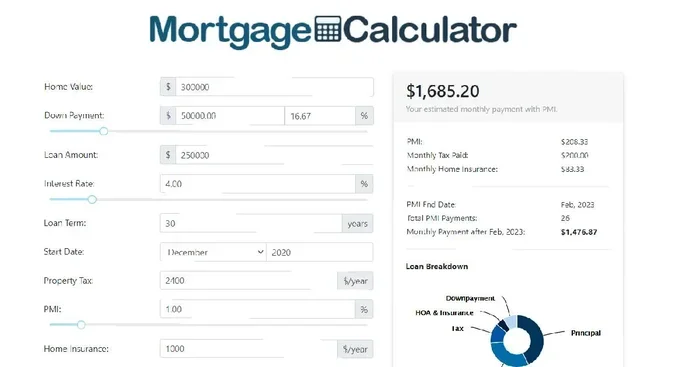
Your monthly payment also includes more than principal and interest. Property taxes, homeowners insurance, and possibly mortgage insurance all add to the total. A good rule is to estimate the full monthly cost, then compare it to your income. This gives you a realistic picture instead of a narrow loan number.
Quick Example With Real Numbers
Imagine you put 10 percent down on a 350k home. Your loan is about 315k. At a 6.5 percent rate, your principal and interest run near 1,995 dollars per month. Add taxes and insurance, and your total may reach 2,300 to 2,500 dollars. To keep that payment under 28 percent of your gross income, you would need roughly 85,000 to 95,000 dollars per year.
Now imagine you put 20 percent down. Your loan falls to 280k. At the same rate, principal and interest drop to about 1,795 dollars. With taxes and insurance, your total may sit near 2,100 to 2,300 dollars. That lower payment can make qualification easier, especially if you have other debts.
Understanding The 28/36 Rule and Debt to Income Ratio
Lenders often use the 28/36 rule to judge your budget. The first number means your housing costs should stay below 28 percent of your gross monthly income. The second number means your total monthly debts should stay below 36 percent. These debts include car payments, student loans, credit card minimums, and other loans.
This rule matters because it shows whether you can handle a new mortgage without strain. If your debts are already high, you may need a larger income to offset them. If your debts are low, you may qualify with a smaller salary. The ratio gives lenders a clear snapshot of your financial balance.
How Your Existing Debts Change the Picture
Monthly debts can quietly shrink your buying power. A 400 dollar car payment or a 200 dollar student loan payment reduces the income available for housing. Lenders add those numbers to your projected mortgage payment, then compare the total to your income. That is why two people with the same salary can qualify for very different loan amounts.
If you want to improve your chances, pay down small balances first. Even lowering a few monthly payments can free up room in your ratio. This strategy often helps buyers who earn a moderate income but carry several debts.
Quick Tips to Improve Your Ratio
- Pay down credit cards: Lowering balances reduces your monthly minimums and can improve your score.
- Avoid new loans: A new car or personal loan before applying can hurt your ratio.
- Keep steady income: Lenders like consistent employment and predictable pay.
- Check your credit report: Fix errors early so your profile looks clean.
How Down Payment and Interest Rate Affect Your Income Needs
Your down payment and interest rate work together to shape your monthly cost. A larger down payment reduces the loan balance, which lowers your payment. A lower interest rate also reduces your payment, sometimes by a lot. Both factors can change how much income for a 350k mortgage you need.
If you can put more money down, you may not need as high of a salary. That is because the lender sees a smaller loan and a smaller monthly obligation. If rates drop, your payment shrinks too, which can help you qualify more easily. On the other hand, a small down payment and a higher rate can push your income requirement upward.
Comparison Table: Down Payment and Rate Effects
The table below shows how different combinations can change your estimated monthly payment and the income needed to keep housing costs near 28 percent. These numbers are simple estimates for illustration.
| Down Payment | Loan Amount | Rate | Est. Monthly Payment | Income Needed (Approx.) |
|---|---|---|---|---|
| 10 percent | 315k | 6.5 percent | 2,350 dollars | 87,000 dollars |
| 15 percent | 297.5k | 6.5 percent | 2,200 dollars | 82,000 dollars |
| 20 percent | 280k | 6.5 percent | 2,050 dollars | 77,000 dollars |
| 20 percent | 280k | 5.75 percent | 1,850 dollars | 70,000 dollars |
This table shows how a bigger down payment or a lower rate can reduce the income you need. It also shows why shopping for a good rate matters. Even a small rate improvement can make a real difference in your monthly budget.
Common Mistakes to Avoid
- Focusing only on the loan amount: The full payment includes taxes, insurance, and sometimes mortgage insurance.
- Ignoring rate changes: A higher rate can add hundreds of dollars to your payment.
- Underestimating closing costs: These costs can reduce the cash you have for your down payment.
- Stretching your budget too far: A payment that fits on paper may still feel tight after everyday expenses.
Credit Score, Loan Type, and Hidden Costs
Your credit score plays a big role in the rate you receive. Better scores usually unlock better rates, which means you need less income for the same 350k mortgage. Lower scores can lead to higher rates and sometimes extra fees. That is why checking your credit early is such a smart move.
Loan type also matters. Some loans allow smaller down payments, while others require more. Some loans include mortgage insurance, which adds to your monthly cost. If you choose a loan with insurance, your payment rises, and your income requirement may rise too. Understanding these details helps you compare options with a clear head.
Hidden Costs That Affect Your Real Budget
Homeownership brings more than the mortgage payment. Property taxes can change year to year. Insurance can rise after storms or inflation. Maintenance costs appear when appliances age or roofs need repair. A smart buyer sets aside money each month for these future expenses.
It helps to think in terms of total monthly cost, not just the loan. If your payment is 2,200 dollars, but taxes and insurance add 300 dollars, your real cost is higher. If you also plan to save for repairs, your budget needs extra room. Planning for the full picture keeps you comfortable after move-in day.
Expert Insights on Planning Ahead
Many advisers suggest leaving breathing room in your budget. A payment that uses every spare dollar can become stressful if your income changes or a repair pops up. A little cushion makes homeownership feel stable instead of tense. That cushion often matters more than squeezing into the maximum loan you qualify for.
Another helpful insight is to compare the full cost of different loan offers. A slightly lower rate may save you money over time, even if the monthly difference looks small. Also, ask about lender fees, points, and lock periods. These details can affect both your upfront cash and your long-term cost.
Steps To Prepare and Get Pre Approved
Preparation makes the whole process smoother. Start by gathering your income records, tax forms, and bank statements. Check your credit score and look for errors. Then estimate your budget using the 28/36 rule and your real monthly debts. This gives you a realistic starting point before you talk to a lender.
Next, speak with a loan officer about your goals. Ask what income level, down payment, and credit score you need for a 350k mortgage. Get pre approved so you know your actual range. Pre approval also shows sellers that you are serious and ready to move.
Practical Checklist Before You Apply
- Reduce high interest debt: Lowering balances can improve both your ratio and your score.
- Save for down payment and closing costs: Keep cash ready so you do not rush at the last minute.
- Keep employment steady: Lenders prefer consistent income history.
- Avoid big purchases: New debt or large charges can affect your approval.
- Compare at least three lenders: Different lenders may offer different rates and fees.
Key Takeaways for Your Home Search
As you move forward, remember that the income number is only one part of the story. Your debts, down payment, rate, and credit score all shape the result. A 350k mortgage can fit a wide range of buyers, but the most comfortable fit comes from honest budgeting. When you plan for the full cost, you set yourself up for a happier homeownership experience.
If you want a smoother path, focus on the basics first. Strengthen your credit, trim unnecessary debts, and save where you can. Then let a lender show you the exact numbers for your situation. That way, you will know how much income for a 350k mortgage you need and whether you are ready to make an offer.
Final Thoughts on Your Mortgage Budget
Figuring out how much income for a 350k mortgage you need is really about understanding your full financial picture. The right income level depends on your debts, your down payment, your rate, and your comfort with the total monthly cost. When you look at all of these pieces together, the choice becomes much clearer.
Take your time, compare options, and plan for the real expenses of owning a home. A careful budget today can lead to a more peaceful tomorrow. With the right preparation, you can move toward your new home with confidence and a plan that fits your life.
Frequently Asked Questions
How much income for a 350k mortgage do I need to qualify?
Most buyers need a gross annual income between 75,000 and 90,000 dollars, depending on their debts, down payment, and interest rate. Your exact number will vary based on your full financial picture.
Does a larger down payment lower the income I need?
Yes, a larger down payment reduces your loan amount and your monthly payment. That can help you qualify with a smaller income because your housing costs stay lower.
How does my credit score affect how much income for a 350k mortgage I need?
A better credit score usually gets you a lower interest rate, which lowers your monthly payment. A lower payment means you may need less income to qualify comfortably.
What monthly debts do lenders count in my debt to income ratio?
Lenders usually count car payments, student loans, credit card minimums, and other recurring loan payments. They add these to your estimated mortgage payment to check your total debt load.
Should I buy the maximum loan I qualify for?
Not always. Buying the maximum can leave little room for taxes, insurance, repairs, and life changes. A comfortable payment often feels better than the largest loan possible.
How can I improve my chances of approval before applying?
Pay down small debts, avoid new loans, check your credit report for errors, and keep your income steady. Getting pre approved early also helps you understand your real budget.
