
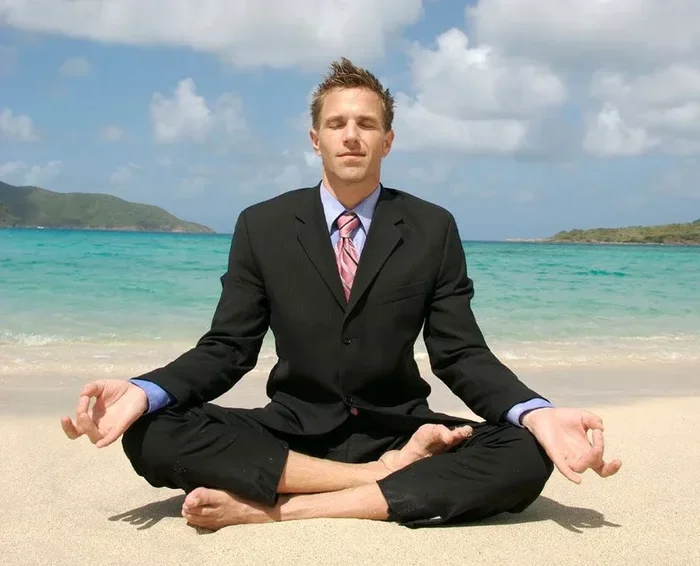
Mindfulness and meditation are powerful tools that help you slow down your reactions and respond with calm clarity. When you practice these skills regularly, you train your brain to pause before reacting, which naturally builds emotional patience. Over time, this leads to better relationships, less stress, and a more peaceful mindset. If you have ever felt overwhelmed by quick irritation or constant rushing, these simple techniques can truly change how you handle tough moments.
We all know those moments that test our temper. A slow driver in front of you. A partner who forgets to reply to a message. A long line at the store when you are already late. In those seconds, patience can feel impossible. That is exactly why so many people are asking the same question: how does mindfulness and meditation help with patience in real life? The answer is simple and powerful. These practices teach your mind to pause, notice what is happening, and choose a better response instead of exploding or shutting down.
Patience is not about pretending everything is fine. It is about staying steady when things are annoying, uncertain, or out of your control. Mindfulness helps you see the present moment clearly. Meditation gives you a regular habit to train that skill. Together, they create a stronger inner calm that can change how you handle stress, conflict, and everyday frustration. If you want to feel less reactive and more grounded, this is a path worth exploring.
Key Takeaways
- Mindfulness builds awareness: It helps you notice frustration early so you can choose a calmer response instead of reacting instantly.
- Meditation trains the brain: Regular sessions strengthen the parts of your mind that control impulses and emotional regulation.
- Breathing creates space: Simple breath work gives you a few seconds to pause, which is often enough to stop a rash reaction.
- Patience grows with practice: Like any skill, staying patient gets easier when you practice consistently in small daily moments.
- Relationships improve: When you respond with patience, conflicts decrease and trust increases with partners, friends, and family.
- Stress levels drop: Mindful habits lower overall tension, making it easier to handle delays, mistakes, and uncomfortable situations.
- Small steps matter most: You do not need hours of practice; even a few minutes a day can create real changes over time.
📑 Table of Contents
- How Does Mindfulness And Meditation Help With Patience In Daily Life
- The Connection Between Mindfulness, Meditation, And Emotional Regulation
- Practical Ways Mindfulness Builds Patience In Real Situations
- Meditation Techniques That Strengthen Patience
- Common Mistakes That Block Patience Progress
- How To Make Mindfulness And Meditation A Sustainable Habit
- Why Patience Matters For Relationships And Well-Being
- Quick Tips For Building Patience With Mindfulness
- Final Thoughts On Mindfulness, Meditation, And Patience
How Does Mindfulness And Meditation Help With Patience In Daily Life
The fastest way to understand this is to look at what happens in a frustrating moment. Your brain notices a trigger. Your body tenses. Your thoughts start racing. Then you react. Mindfulness interrupts that chain. It helps you notice the spark before it becomes a fire. Meditation strengthens that ability over time, so the pause becomes easier and more natural.
This matters because patience is not just about big life challenges. It shows up in tiny moments all day long. Waiting for a reply. Dealing with a messy room. Listening to someone repeat the same point. These small moments shape your mood and your relationships. When you learn how does mindfulness and meditation help with patience, you start seeing that patience is really a form of self-control, emotional balance, and kindness to yourself and others.
What Mindfulness Really Means
Mindfulness is simply paying attention on purpose. It means noticing what is happening right now without jumping to conclusions or trying to fix everything immediately. You observe your thoughts, feelings, and bodily sensations with a little more space around them. That space is where patience begins.
For example, imagine you are stuck in traffic. A non-mindful reaction might be instant anger, cursing, and tight shoulders. A mindful reaction starts with noticing the frustration without letting it take over. You may still feel annoyed, but you are less likely to spiral. That is one of the clearest ways how does mindfulness and meditation help with patience becomes practical instead of theoretical.
How Meditation Trains The Patient Mind
Meditation is the workout for your attention. When you sit quietly and focus on your breath, a word, or a sensation, your mind will wander. That is normal. The practice is not about never getting distracted. The practice is about noticing the distraction and gently returning to the present. That return is the exact mental muscle that supports patience.
Every time you notice irritation during meditation and choose not to follow it, you are rehearsing patience. Every time you sit with discomfort for a few more breaths, you are teaching your brain that uncomfortable moments are survivable. Over time, this makes real-life waiting, delays, and disagreements feel less threatening.
The Connection Between Mindfulness, Meditation, And Emotional Regulation
Patience and emotional regulation are closely linked. If your emotions spike quickly, patience disappears fast. Mindfulness helps you recognize rising anger, anxiety, or impatience earlier. Meditation helps you stay steady while those feelings pass through you. This combination is one of the main reasons how does mindfulness and meditation help with patience is such an important topic for mental well-being.

Visual guide about calm meditation patience
Image source: wallpapercave.com
Think of emotions like waves. Without awareness, a wave can knock you over. With awareness, you can see it coming and brace yourself. You do not have to stop the wave. You just have to stop letting it drag you around. That shift can change everything in a relationship, at work, or during a stressful day.
Why Impatience Happens So Fast
Impatience often comes from a sense of lost control. When things move too slowly, do not go as planned, or feel uncertain, the mind may treat that as a problem to fight. The body responds with tension and urgency. This is why impatience can feel physical. Your jaw tightens. Your breathing shortens. Your thoughts speed up.
Mindfulness helps you notice those signals before they become full-blown frustration. Instead of thinking, “This is ruining my day,” you may notice, “My chest feels tight and I want this to end now.” That small shift gives you options. It is one of the most useful answers to how does mindfulness and meditation help with patience because it turns a reaction into a choice.
How Meditation Creates A Calmer Baseline
Meditation does not only help in the moment. It also changes your general stress level over time. When your nervous system is less overloaded, you have more room for patience. You are not starting every day already irritated and exhausted. You begin with a little more room to breathe.
This is especially helpful if you often feel on edge. A calmer baseline makes it easier to handle ordinary inconveniences without turning them into major problems. It also supports better sleep, clearer thinking, and a softer approach to conflict. These are all part of the same larger picture of mindfulness for patience and emotional steadiness.
Practical Ways Mindfulness Builds Patience In Real Situations
The true value of mindfulness shows up when life gets messy. Theory is helpful, but real patience is built in ordinary moments. Here are some common situations where mindful awareness can make a noticeable difference.

Visual guide about calm meditation patience
Image source: thinkrightme.com
Waiting And Delays
Waiting is one of the hardest tests of patience. Lines, traffic, appointments, loading screens, and delayed replies can all trigger irritation. Mindfulness helps by shifting your attention from “this should be faster” to “this is what is happening now.”
You can use the wait as a reminder to check your posture, relax your shoulders, and take a few slower breaths. That does not magically make the wait shorter, but it makes the wait less draining. This is a simple example of how does mindfulness and meditation help with patience in everyday life.
Interpersonal Frustrations
People do not always behave the way we want them to. A friend may interrupt. A partner may seem distant. A coworker may repeat the same mistake. In those moments, impatience can quickly turn into criticism or defensiveness. Mindfulness helps you notice your reaction before you speak.
That pause matters. It gives you a chance to ask yourself whether you are responding to the actual situation or to your own stress. Often, patience improves when you stop assuming the worst. It also helps you communicate more clearly instead of reacting with sharp words.
Self-Imposed Pressure
Sometimes the hardest person to be patient with is yourself. You may want quick progress, fast results, or instant confidence. When reality moves slower than your expectations, frustration can turn inward. Mindfulness encourages a gentler stance.
Instead of demanding perfection, you learn to notice where you are right now. That does not mean giving up on growth. It means giving yourself room to grow without constant self-criticism. That softer approach is one of the overlooked benefits of mindfulness for patience.
Meditation Techniques That Strengthen Patience
If you want to build patience, certain meditation habits are especially useful. You do not need a complicated routine. Simple, repeatable practices often work best. The goal is not to become perfectly calm. The goal is to become more able to stay present when things are uncomfortable.

Visual guide about calm meditation patience
Image source: teacherpochadt.com
Breath Awareness Practice
This is one of the easiest ways to start. Sit comfortably. Focus on your breathing. Notice the inhale and exhale. When your mind wanders, bring it back. That repeated return trains patience directly. You are practicing staying with one thing instead of chasing every thought.
You can also use the breath in real time. When you feel irritation rising, take a few slower breaths before responding. That small pause can reduce the intensity of the moment. This is one of the most practical ways how does mindfulness and meditation help with patience becomes useful right away.
Body Scan Practice
A body scan helps you notice where stress is hiding. You move your attention slowly through different parts of the body. You may find tension in the jaw, shoulders, stomach, or hands. Simply noticing that tension can reduce its grip.
This matters because impatience often lives in the body before it shows up in words. If you can spot the physical signs early, you can soften them. That makes it easier to stay composed and patient, even when the situation is annoying.
Loving-Kindness Practice
This practice focuses on warmth and goodwill. You may repeat phrases like “May I be calm,” or “May others be well.” It sounds simple, but it can change the tone of your mind. Patience is much easier when you are not filled with bitterness or resentment.
Loving-kindness practice can be especially helpful after conflict. It encourages understanding instead of replaying the argument over and over. That shift supports both patience and healthier connection with others.
Common Mistakes That Block Patience Progress
Even with good intentions, some habits can slow your progress. Knowing these traps can help you avoid them.
- Expecting instant calm: Patience is a skill, not a switch. You will still have irritated moments.
- Judging your reactions too harshly: Beating yourself up for being impatient usually creates more stress, not less.
- Practicing only when it feels easy: Real growth happens when you practice during ordinary frustration, not just during peaceful moments.
- Confusing suppression with patience: Ignoring anger is not the same as staying steady with it. Mindfulness is about awareness, not denial.
- Skipping consistency: A few long sessions are less helpful than regular short ones. Small daily practice builds the habit.
If you keep these mistakes in mind, you will likely progress faster. The goal is steady improvement, not perfect behavior. That mindset itself is part of patience.
How To Make Mindfulness And Meditation A Sustainable Habit
The best routine is the one you can actually keep. If you want mindfulness for patience to become part of your life, keep the barrier to entry low. Start small. Tie the practice to something you already do. Make it simple enough that you can repeat it even on busy days.
Start With Short Sessions
You do not need a long meditation schedule to begin. A few minutes can be enough at first. What matters most is consistency. Short sessions are easier to repeat, and repetition builds the mental habit.
Try attaching practice to a daily cue. You might meditate after brushing your teeth, before your first cup of coffee, or right before bed. When the habit is connected to an existing routine, it becomes easier to maintain.
Use Mindful Moments During The Day
You can also practice without sitting down. Pause before answering a message. Notice your breathing while washing dishes. Pay attention to your steps while walking. These tiny moments count. They train awareness in real conditions, not just in quiet rooms.
This is one of the most realistic answers to how does mindfulness and meditation help with patience because it shows that practice is not limited to a cushion. Life itself becomes the training ground.
Track What Changes
It helps to notice what improves over time. Maybe you interrupt less. Maybe you recover faster after a frustrating conversation. Maybe you feel less tense in traffic. These small changes are signs that your patience is growing.
Do not wait for a dramatic transformation. Look for gradual shifts. Patience usually develops in quiet steps, not sudden leaps.
Why Patience Matters For Relationships And Well-Being
Patience is not just a personal virtue. It affects the people around you too. When you are patient, conversations feel safer. Conflicts become less explosive. People are more likely to stay open instead of defensive. That is one reason how does mindfulness and meditation help with patience is so valuable in relationships.
Patience also protects your own energy. Constant irritation drains you. It keeps your body in a stressed state and makes everything feel heavier. A more patient approach conserves energy and creates a calmer atmosphere for everyone involved.
Patience As A Form Of Respect
When you are patient with someone, you are giving them room to speak, learn, and make mistakes. That can be deeply respectful. It shows that you value the relationship more than the immediate urge to control the outcome.
This does not mean tolerating harmful behavior. Patience and boundaries can coexist. You can stay calm while still being clear about what you need. In fact, calm boundaries are often more effective than reactive ones.
Patience And Personal Peace
There is a quiet freedom in becoming less easily rattled. Life will always have delays, misunderstandings, and imperfections. Patience does not remove those things, but it changes how much they disturb you. That can lead to a steadier, more peaceful daily life.
If you have ever felt worn down by constant frustration, this may be one of the most motivating reasons to explore mindfulness and meditation. They do not make life perfect. They make you more capable of moving through imperfection without losing your center.
Quick Tips For Building Patience With Mindfulness
- Pause for three slow breaths before replying when you feel irritated.
- Notice physical tension early and soften your shoulders or jaw.
- Label the feeling silently, such as “impatience” or “frustration,” to create distance.
- Practice short daily meditation instead of waiting for perfect conditions.
- Use waiting time as a reminder to check in with your body and breath.
- Replace “this is unbearable” with “this is uncomfortable, but I can stay with it.”
- Be patient with your own progress, since change takes repetition.
Final Thoughts On Mindfulness, Meditation, And Patience
If you are still wondering how does mindfulness and meditation help with patience, the simplest answer is this: they train you to stay present when your mind wants to rush, fight, or escape. That presence gives you a choice. You can react on autopilot, or you can respond with a little more calm and care.
Patience is not about becoming passive. It is about becoming steady. It helps you handle delays, disagreements, and disappointments without letting them control your mood. Mindfulness gives you awareness. Meditation gives you practice. Together, they create a stronger foundation for everyday patience.
You do not need to master this overnight. Start with one breath, one pause, one small moment of awareness. Then repeat. Over time, those small repeats become a new way of living. And that is where real patience begins.
Frequently Asked Questions
How does mindfulness and meditation help with patience when I get angry quickly?
Mindfulness helps you notice anger early, before it grows into a reaction you do not want. Meditation trains you to sit with uncomfortable feelings for a few breaths instead of immediately acting on them. Over time, that pause makes it easier to respond calmly instead of exploding.
Can mindfulness really make me more patient, or is that just a hopeful idea?
It is not just a hopeful idea. Mindfulness builds awareness, and meditation strengthens the habit of returning to the present moment. Those skills make it easier to tolerate delays, frustration, and disagreement without instantly losing your temper.
How long does it take to notice better patience from meditation?
Some people feel a small difference within a few weeks of regular practice, while others notice gradual changes over a longer period. The key is consistency, not perfection. Even short daily sessions can slowly improve your ability to stay calm under stress.
What if I keep getting distracted during meditation?
That is completely normal and does not mean you are doing it wrong. The practice is not about having a blank mind. It is about noticing distraction and gently returning your focus, which is exactly the patience muscle you are trying to build.
Can mindfulness help with impatience toward other people?
Yes, it can. Mindfulness helps you notice your assumptions and reactions before you speak or withdraw. That extra space can make you less critical and more understanding, which often improves how you relate to partners, friends, family, and coworkers.
Do I need to meditate for a long time to build patience?
No, long sessions are not required. Short, regular practice is often more helpful than occasional long sessions. A few minutes a day, plus mindful pauses during daily life, can be enough to create meaningful change over time.
