
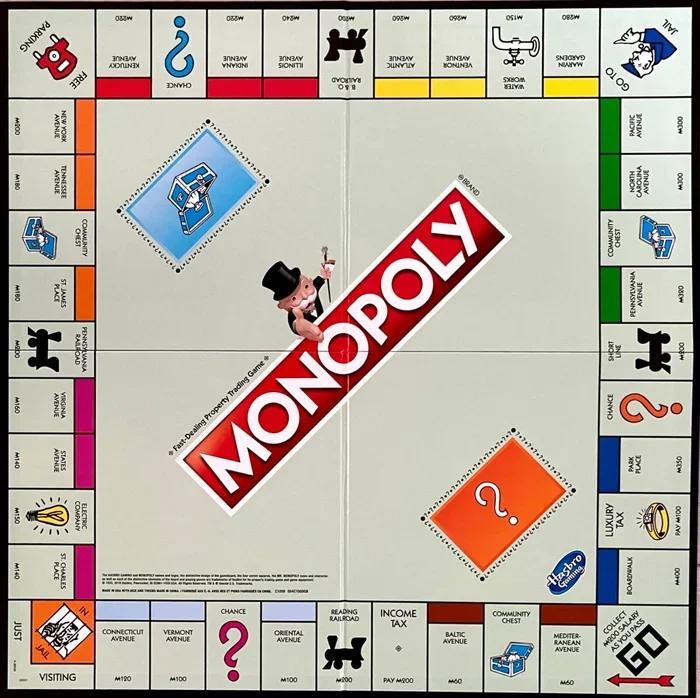
Understanding how does a mortgage work in monopoly helps you manage cash flow and avoid bankruptcy. When you mortgage a property, you get instant cash from the bank but lose rent income until you repay the loan. This guide explains the simple rules, repayment steps, and smart strategies to keep your game going strong.
This is a comprehensive guide about How Does A Mortgage Work In Monopoly.
Key Takeaways
- Instant Cash: Mortgaging gives you money from the bank right away, which helps when you are short on funds.
- No Rent Income: You cannot collect rent on a mortgaged property until you lift the mortgage.
- Repayment Rules: You must pay the mortgage value plus 10 percent interest to unmortgage a property.
- Bankruptcy Risk: Mortgaging is a temporary fix, but failing to repay can still lead to game over.
- Strategic Timing: Mortgage only when you need cash to survive, not just to buy more properties.
- Auction Consequences: If you cannot pay debts, the bank auctions your mortgaged properties to other players.
- Group Mortgages: You can mortgage properties in a color group, but you cannot build houses on that group until all mortgages are lifted.
[FEATURED_IMAGE_PLACEHOLDER]
How Does A Mortgage Work In Monopoly Explained Simply
Playing Monopoly is fun until your money runs out. You land on a tough spot. You owe rent. You need cash fast. That is when you hear about mortgaging. Many players know the word, but not everyone knows the exact rules. This guide breaks down how does a mortgage work in monopoly in plain language. You will learn when to use it, how to pay it back, and what mistakes to avoid. By the end, you will feel confident at the table and ready to make smart money moves.
Monopoly is a game of cash flow. You buy properties. You collect rent. You build houses. But money does not always come in fast enough. Sometimes you need a quick cash boost. Mortgaging is the game’s way of giving you a short-term loan. You trade a property for cash, but you lose some benefits until you fix it. Think of it as a safety net. It keeps you in the game when things get tight. Let’s walk through the steps, the costs, and the smart ways to use this rule.
The Basic Rule Of Mortgaging In Monopoly
When you mortgage a property, you turn it into cash. The bank pays you right away. You keep the property card, but you place a mortgage stamp or marker on it. The property is now marked as mortgaged. You can still trade it, sell it, or give it away, but it works differently. You cannot collect rent on it. You cannot build houses on it. The property sits idle until you lift the mortgage.
The cash you get is half the property’s original price. This is a fixed amount listed on the card. For example, if a property costs $200, you get $100 when you mortgage it. The bank does not ask for a credit check. The bank does not ask for a payment plan. You just take the cash and keep playing. This rule exists to help players avoid sudden bankruptcy. It gives you a way to stay in the game when bills pile up.
You can mortgage any property you own. You can mortgage one property or several at once. You can even mortgage properties in the same color group. However, there is a catch. If you want to build houses on a color group, all properties in that group must be free of mortgages. You cannot build on a mortgaged lot. This rule matters a lot when you plan your next move. It forces you to think about cash now versus rent later.
How To Mortgage A Property Step By Step
The process is simple, but you must follow the right order. You cannot mortgage a property at any random time. You usually do it when you need cash to pay a debt. Here is how it works in a normal turn.
First, you land on a space or face a bill. You check your cash. You see you do not have enough money. You decide to mortgage a property. You choose which property to use. You hand the property card to the bank or place a mortgage marker on it. The bank gives you the mortgage value in cash. You now have more money to pay your debt.
Second, you note the property is mortgaged. You cannot collect rent on it. If another player lands there, they pay nothing. You also cannot build houses on that property. If it is part of a color group, the whole group loses building rights until you lift the mortgage.
Third, you keep playing. The mortgage stays until you choose to repay it. You can repay it later in the game. You do not have to repay it right away. But you should plan to repay it soon. The longer it stays mortgaged, the more rent you lose. And if you need to sell it, the rules change. You can sell a mortgaged property to another player, but they take it with the mortgage still on it. They must pay the bank the mortgage value plus 10 percent interest to lift it. This detail matters when you trade with friends.
Here is a quick list of the steps:
- Check your cash and see you need more money.
- Pick a property you own and are willing to mortgage.
- Take the mortgage value from the bank.
- Mark the property as mortgaged.
- Use the cash to pay your debt or cover a cost.
- Plan when you will repay the loan.
Paying Back The Mortgage And Lifting It
Getting cash is easy. Paying it back takes a little planning. To lift a mortgage, you pay the bank the mortgage value plus 10 percent interest. This is the main cost of using a mortgage. For example, if you got $100 from the bank, you must pay $110 to lift it. The extra $10 is the interest fee. This fee is small, but it adds up if you mortgage many properties.
You can lift a mortgage at any time during your turn. You do not have to wait for a specific space. You just pay the bank and remove the mortgage marker. Once the marker is gone, the property goes back to normal. You can collect rent again. You can build houses again if the color group is fully clear. This is why timing matters. You want to lift mortgages when you have enough cash and when rent collection matters most.
A good rule is to lift mortgages before you start building. If you plan to add houses to a color group, check that no property in that group is mortgaged. If one is, lift it first. Pay the extra 10 percent. Then build your houses. This order helps you avoid wasted turns. It also helps you collect more rent sooner. Rent is the main way to win in Monopoly. Mortgages are just a tool to keep you moving.
Here is a simple comparison to show the cost and benefit:
Mortgaging Versus Selling: What Should You Do
Sometimes players face a choice. They can mortgage a property or sell it to another player. Both options give cash, but they work very differently. Mortgaging keeps you in control of the property. You can get it back later. Selling gives you cash too, but you lose the property for good. The buyer takes it with the mortgage if it is mortgaged. The buyer also pays extra to lift it. This makes selling a mortgaged property a bit more complex.
Here is a quick table to compare the two:
Mortgaging Versus Selling: What Should You Do
Sometimes players face a choice. They can mortgage a property or sell it to another player. Both options give cash, but they work very differently. Mortgaging keeps you in control of the property. You can get it back later. Selling gives you cash too, but you lose the property for good. The buyer takes it with the mortgage if it is mortgaged. The buyer also pays extra to lift it. This makes selling a mortgaged property a bit more complex.
Here is a quick table to compare the two:
- Mortgaging: You keep the property. You get half the value in cash. You pay 10 percent extra to lift it. You can collect rent again after lifting.
- Selling to a player: You lose the property. The buyer pays you a price you agree on. If it is mortgaged, the buyer takes the mortgage too. The buyer must pay the bank to lift it.
- Selling back to the bank: You can sell a property back to the bank for half its original price. This is different from mortgaging. This is a permanent sale. You get cash, but you lose the property forever.
The best choice depends on your goal. If you need cash for a short time, mortgaging is better. You can get the property back. If you want to exit a color group or raise cash fast without debt, selling may make sense. Think about your whole board. Think about your cash flow. Then choose the move that keeps you in the game longest.
Smart Strategies For Using Mortgages In Monopoly
Mortgaging is a tool, not a plan. Use it with care. Here are some smart ways to use it without hurting your game.
First, mortgage only when you must. Do not mortgage just to buy more properties. That is a trap. You lose rent income, and you still owe the bank. Use mortgages to cover a sudden bill or to avoid bankruptcy. Keep them as a backup, not a habit.
Second, pick the right property to mortgage. Choose a property that brings in low rent or that you do not plan to build on soon. Avoid mortgaging a property in a color group you want to develop. If you lift the mortgage later, you will pay extra. That extra cost can slow your progress.
Third, track your interest costs. The 10 percent fee is small, but it adds up. If you mortgage five properties, you owe that fee on each one when you lift them. Plan your cash so you can lift them when you have a good turn. Do not wait too long. The longer you wait, the more rent you miss.
Fourth, use mortgages to survive auctions. If you owe money and cannot pay, the bank may auction your properties. In some house rules, players can mortgage to avoid this. Check your group’s rules before you play. Some groups allow mortgaging during an auction. Some do not. Knowing the rule helps you stay calm and act fast.
Fifth, combine mortgages with smart trades. You can trade a mortgaged property to another player. They take the mortgage with it. You can use this to negotiate. You can offer a mortgaged property as part of a deal. The other player may accept if they want the color group or the location. Just be clear about the mortgage and the cost to lift it.
Here is a quick tip list:
- Use mortgages as a short-term cash fix.
- Avoid mortgaging properties you plan to build on soon.
- Pay off mortgages when you have extra cash.
- Track the 10 percent interest on each loan.
- Check your house rules before you mortgage during a debt crisis.
- Use mortgaged properties in trades to sweeten a deal.
Common Mistakes Players Make With Mortgages
Even simple rules can trip players up. Here are the most common mistakes and how to avoid them.
One mistake is forgetting that you cannot collect rent on a mortgaged property. Some players still expect rent when someone lands there. That is wrong. The property is silent until you lift the mortgage. Remind everyone at the table. This keeps the game fair and smooth.
Another mistake is mortgaging a property in a color group and then trying to build houses. You cannot build on a mortgaged group. You must lift all mortgages in that group first. If you miss this, you waste a turn. Check your color groups before you start building.
A third mistake is waiting too long to lift a mortgage. You may think you will pay it later. But later may never come. You keep losing rent. You keep paying interest when you finally lift it. The cost grows in two ways. Lift mortgages when you have a good cash flow.
A fourth mistake is confusing mortgaging with selling back to the bank. These are different. Mortgaging gives you half the value and lets you get the property back. Selling back to the bank gives you half the value and ends your ownership. Do not mix them up. Know which option you are using.
A fifth mistake is not telling other players about a mortgage during a trade. If you trade a mortgaged property, the other player must know. They take the mortgage with it. They must pay the bank to lift it. Be clear and honest. This avoids arguments and keeps the game friendly.
Here is a short list of mistakes to avoid:
- Forgetting that mortgaged properties earn no rent.
- Trying to build houses on a mortgaged color group.
- Waiting too long to lift the mortgage.
- Mixing up mortgaging and selling back to the bank.
- Hiding a mortgage during a trade.
Expert Insights: When To Use A Mortgage In Real Games
Experienced players use mortgages with a clear goal. They do not mortgage for fun. They mortgage to survive a rough patch and then recover fast. The key is balance. You want enough cash to stay in the game, but you also want to keep your rent engine running. If you mortgage too much, you lose income. If you never mortgage, you may go bankrupt. The sweet spot is using a mortgage only when the alternative is worse.
A good habit is to keep a small cash buffer. Try to hold enough money for the next few turns. This helps you avoid emergency mortgages. If you do need to mortgage, pick the least valuable property in your hand. Lift it as soon as you can. Then focus on building rent on your strongest color groups. Rent is your main winning tool. Mortgages are just a temporary bridge.
Another smart move is to plan your lifts around big rent moments. If you know a player is about to land on your high-rent property, lift the mortgage before that turn if you can. This helps you collect the rent you expect. It also helps you regain cash faster. Timing can make a big difference in a close game.
Here is a quick expert checklist:
- Mortgage only to avoid a bigger loss.
- Pick the property with the lowest rent impact.
- Lift the mortgage as soon as you have cash.
- Keep a small cash buffer for the next few turns.
- Time your lifts before big rent moments.
- Track the 10 percent interest on every mortgage.
Key Takeaways For Your Next Game Night
Monopoly is a game of choices. Every turn is a chance to spend, save, or borrow. How does a mortgage work in monopoly is a simple question with a clear answer. You trade a property for cash, you lose rent until you repay, and you pay a small interest fee to lift it. Use this tool with care. Keep your color groups healthy. Keep your cash flow steady. And remember that rent is the real path to victory.
Before you play, agree on the rules with your group. Some groups use official rules. Some use house rules. Either way, clarity helps everyone enjoy the game. When you know the mortgage rules well, you can act fast when money gets tight. You can trade smarter. You can build sooner. You can stay in the game longer.
Next time you face a cash crunch, do not panic. Check your properties. Pick the right one to mortgage. Take the cash. Pay your bill. Then plan your recovery. Lift the mortgage when you can. Build your rent. Keep the fun going. That is the simple way to win more and stress less.
Frequently Asked Questions
Can I collect rent on a mortgaged property in Monopoly?
No, you cannot collect rent on a mortgaged property. The property stays silent until you lift the mortgage by paying the bank the mortgage value plus 10 percent interest.
How much cash do I get when I mortgage a property?
You get half the original purchase price of the property. The exact amount is printed on the property card, and the bank gives you that cash right away.
When do I have to pay back a mortgage in Monopoly?
You can pay it back any time during your turn. There is no fixed deadline, but you should lift it soon to start collecting rent again and avoid missing income.
Can I build houses on a property that is mortgaged?
No, you cannot build houses on a mortgaged property. You must lift the mortgage first, and if it is part of a color group, all properties in that group must be free of mortgages before you build.
What happens if I cannot pay a debt and have mortgaged properties?
If you still cannot pay your debt, the bank may auction your properties to other players. In some house rules, you can mortgage more properties to raise cash, so check the rules your group uses before you play.
Can I trade a mortgaged property to another player?
Yes, you can trade a mortgaged property. The other player takes it with the mortgage still on it, and they must pay the bank the mortgage value plus 10 percent interest if they want to lift it.
