

Eating the right foods before and after workouts changes everything. Your body needs the right fuel to perform well. It also needs the right nutrients to recover fast. This guide shows you exactly what to eat. You will learn simple meal ideas that work for any fitness level.
Your body works like a car. It needs the right fuel to run well. The same idea applies to exercise. What you eat before you train changes how you feel. What you eat after you train changes how fast you recover. Many people skip this part. They train hard but ignore their meals. That is a big mistake. Food is not the enemy. Food is your partner in fitness.
You do not need a complicated diet. You just need a clear plan. This guide breaks it down into simple steps. You will learn what to eat before workouts. You will learn what to eat after workouts. You will also learn how to time your meals. We will keep things easy and practical. No fancy rules. No strict diets. Just smart choices that help you move better and feel stronger.
Key Takeaways
- Fuel before training: Eat carbs and some protein one to three hours before exercise.
- Time your meals: Wait two to three hours after a big meal. Eat a small snack thirty minutes before training.
- Refuel after training: Combine protein and carbs within forty-five minutes of finishing.
- Hydrate always: Drink water before, during, and after every session.
- Keep it simple: Choose whole foods like oats, eggs, fruit, and lean meat.
- Match your goals: Adjust portions based on weight loss, muscle gain, or endurance.
- Listen to your body: Test different foods and keep what feels good.
📑 Table of Contents
Best Foods to Eat Before Workouts
The pre-workout meal sets the tone for your training. You want enough energy to push through your sets. You also want to avoid feeling heavy or sick. The best approach is a mix of carbs and a little protein. Carbs give you quick energy. Protein helps your muscles stay ready. You do not need a huge plate. A moderate meal works best for most people.
Choose Carbs That Give Steady Energy
Carbs are your main fuel source. They break down into glucose. Your muscles use glucose during exercise. The best carbs are easy to digest. They should not sit heavy in your stomach. Good choices include oats, bananas, rice, toast, and sweet potatoes. These foods give you energy without making you feel slow.
Try to pick carbs that fit your timeline. If you have two hours before training, you can eat a fuller meal. If you only have thirty minutes, go for a light snack. A banana with a spoon of peanut butter works well. A small bowl of oatmeal also works. The goal is steady energy, not a sugar spike and crash.
Add a Little Protein for Muscle Support
Protein before training helps your body prepare. It gives your muscles amino acids. This can reduce muscle breakdown during hard sessions. You do not need a lot. A small portion is enough. Eggs, yogurt, cottage cheese, or a protein shake all work. Keep the portion light so your stomach stays comfortable.
Some people prefer a small protein snack before training. Others do better with just carbs. Both can work. The best choice depends on your body. If you feel strong and focused, your current approach is likely fine. If you feel weak or shaky, add a bit more fuel. Small changes can make a big difference.
Foods to Avoid Before Training
Some foods cause trouble before exercise. Heavy fats can slow digestion. Spicy foods can upset your stomach. Large meals can make you feel sluggish. Try to avoid these close to your workout. Also, be careful with too much fiber right before training. Fiber is healthy, but it can cause bloating during exercise. Save big salads and heavy beans for later in the day.
Sugary snacks can also backfire. They may give you a quick burst, but the crash can hit fast. You want stable energy. That means whole foods and balanced portions. If you need a quick boost, choose fruit instead of candy. Your body will thank you during training.
Best Foods to Eat After Workouts
Your body needs to recover after exercise. Training breaks down muscle fibers. It also uses up your energy stores. The post-workout meal helps fix both. You want protein to repair muscle. You also want carbs to refill your energy. This combination helps you bounce back faster. It also helps you feel less sore the next day.
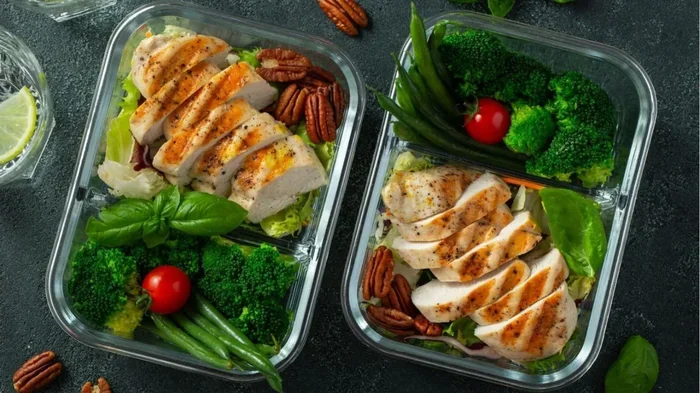
Visual guide about healthy meal prep before and after workout
Image source: onestrengthmedia.com
Protein Helps Repair and Rebuild
Protein is the building block of muscle. After training, your body looks for amino acids. It uses them to repair tissue. That is why protein matters so much after workouts. You do not need a massive shake. A normal meal often works well. Chicken, fish, eggs, tofu, beans, and Greek yogurt are all great options.
If you train early in the morning, a quick protein source can help. A shake, a hard-boiled egg, or a small yogurt can work. If you train later, a full meal is usually fine. The key is to include protein in your post-workout meal. It does not have to be fancy. It just has to be consistent.
Carbs Refill Your Energy Stores
Many people focus only on protein after training. That is a mistake. Your muscles also need carbs. Carbs refill glycogen. Glycogen is the stored energy your body uses during exercise. If you skip carbs, you may feel drained later. You may also recover more slowly. A good post-workout meal includes both protein and carbs.
Rice, potatoes, pasta, fruit, and whole-grain bread are all good choices. Pair them with your protein source. For example, chicken with rice and vegetables works well. Eggs with toast and fruit also works. The goal is balance. You want to feel satisfied, not stuffed.
Don’t Forget Hydration and Electrolytes
Water matters just as much as food. You lose fluid when you sweat. You also lose salts. That is why hydration is part of recovery. Drink water after your workout. If your session was long or intense, you may also need electrolytes. A simple option is water with a pinch of salt and a piece of fruit. Coconut water can also help.
Do not wait until you feel thirsty. Thirst often shows up after you are already low on fluids. Sip water throughout the day. Then drink more after training. This habit helps your body recover and keeps your energy steady.
Timing Your Pre-Workout Meals Right
Timing matters because digestion affects performance. If you eat too close to training, you may feel uncomfortable. If you eat too early, you may run out of energy. The sweet spot depends on the size of your meal. A large meal needs more time. A small snack needs less time.

Visual guide about healthy meal prep before and after workout
Image source: igav3-metcdn-com.global.ssl.fastly.net
How Long Before Training Should You Eat
A full meal works best two to three hours before exercise. This gives your body time to digest. You get steady energy without a heavy stomach. A smaller meal or snack can work one to two hours before training. A light snack can work thirty to sixty minutes before exercise. The simpler the snack, the faster it digests.
Here is a simple guide:
- Big meal: Eat two to three hours before training.
- Small meal: Eat one to two hours before training.
- Light snack: Eat thirty to sixty minutes before training.
Adjusting for Morning and Evening Workouts
Morning workouts can be tricky. You may not want a full meal right after waking up. In that case, a light snack works well. A banana, a piece of toast, or a small yogurt can give you enough energy. If you train later in the day, your last meal can serve as your pre-workout fuel. Just make sure it is not too heavy.
Evening workouts also need planning. If you train after work, you may need a small snack before you go. Then you can eat a full meal after training. This keeps your energy up without making you feel too full. The best schedule is the one that fits your routine. Consistency matters more than perfection.
Timing Your Post-Workout Meals Right
Many people hear that you must eat within thirty minutes after training. That idea is partly true, but it is not a strict rule. Your body does benefit from eating soon after exercise. It gets protein and carbs when it needs them most. Still, you do not need to panic if your meal is a little later. The overall quality of your day matters too.

Visual guide about healthy meal prep before and after workout
Image source: i.ytimg.com
The Recovery Window Is Real, But Flexible
After training, your body is ready to absorb nutrients. This is why a post-workout meal helps. Try to eat within forty-five minutes to two hours. That gives you a good window. If you are very hungry, eat sooner. If you need time to shower and rest, that is fine too. Just do not wait too long if you feel drained.
A practical approach is to plan ahead. Keep a simple snack ready if you train away from home. A protein shake, a piece of fruit, or a small sandwich can bridge the gap. Then you can have a full meal later. This makes recovery easier and less stressful.
What If You Are Not Hungry After Training
Some people lose their appetite after hard workouts. That is normal. Your blood flow shifts during exercise. Your stomach may feel slow for a bit. If that happens, start with something light. A smoothie, yogurt, or a small piece of toast can work. You can eat a larger meal once your appetite returns.
The main goal is to refuel eventually. You do not have to force a huge meal right away. Listen to your body. Start small if needed. Then finish your recovery meal when you are ready.
Smart Snack Ideas for Any Workout Schedule
Snacks can make your plan easier. They help you fuel up when time is tight. They also help you recover when you cannot sit down for a full meal. The best snacks are simple, portable, and balanced. You want something that gives energy without causing trouble.
Quick Pre-Workout Snacks
These snacks are easy to digest and ready fast:
- Banana with a little peanut butter
- Toast with honey or jam
- Small bowl of oatmeal
- Apple slices with a few nuts
- Simple fruit and yogurt combo
Keep these snacks light. You want energy, not a heavy stomach. If you train soon, choose something with mostly carbs. If you have more time, add a little protein.
Fast Post-Workout Snacks
These options help you recover without much effort:
- Protein shake with fruit
- Greek yogurt with berries
- Hard-boiled eggs and crackers
- Chicken wrap with vegetables
- Cottage cheese with pineapple or peaches
These snacks work well when you are on the go. They also work when you are too tired to cook. Keep a few options ready. That way, you can recover without stress.
Simple Meal Examples for Real Life
You do not need a perfect meal plan. You need a workable one. Here are a few simple ideas that fit different schedules. Use them as a starting point. Adjust portions based on your hunger and goals.
Example Pre-Workout Meals
If you train in the morning, try toast with eggs and a piece of fruit. If you train at lunch, try rice with chicken and a small side of vegetables. If you train after work, try a bowl of oatmeal with yogurt and berries. These meals give you energy without feeling too heavy.
Example Post-Workout Meals
After training, keep it balanced. Try salmon with potatoes and greens. Try a turkey sandwich on whole-grain bread with a side of fruit. Try stir-fried tofu with rice and vegetables. These meals provide protein and carbs in a natural way. They are also easy to make in bulk.
Common Mistakes to Avoid
Even with good intentions, it is easy to make mistakes. Here are a few common ones and how to fix them.
Skipping Meals Around Training
Some people train on empty. That can work for light activity, but hard workouts usually need fuel. If you feel weak or dizzy, you may need more food. Try a small pre-workout snack and see how you feel.
Overeating Before Training
A big meal too close to exercise can make you sluggish. It can also cause stomach discomfort. Keep pre-workout meals moderate. Save larger meals for times when you are less active.
Ignoring Recovery Food
Some people focus only on the workout itself. Recovery matters just as much. If you skip your post-workout meal, you may feel tired later. You may also recover more slowly. A simple balanced meal can prevent that.
Forgetting Water
Food is important, but hydration matters too. If you only focus on meals and ignore water, your performance can drop. Drink consistently throughout the day. Then drink more after training.
Expert Insights for Better Results
The best plan is the one you can follow. Nutrition should support your training, not complicate it. Start with the basics. Eat a balanced pre-workout meal. Eat a balanced post-workout meal. Drink enough water. Then adjust based on how you feel.
If your goal is strength, make sure you get enough protein across the day. If your goal is endurance, pay extra attention to carbs. If your goal is weight management, keep portions in line with your activity level. The same foods can fit many goals. The difference is often the amount and the timing.
Also, remember that consistency beats perfection. One great meal will not change everything. Many good meals will. Build simple habits you can repeat. That is how real progress happens.
Key Takeaways
Food is a powerful part of fitness. The right choices help you train better. They also help you recover faster. Keep your pre-workout meals light and balanced. Keep your post-workout meals focused on protein and carbs. Drink water throughout the day. Choose foods you enjoy and can repeat. Small, steady habits lead to better results over time.
Remember, you do not need a perfect plan. You need a plan that works for your life. Start with one or two changes. Add more as they become habits. Your workouts will feel better. Your recovery will feel easier. And your progress will become more consistent.
Frequently Asked Questions
What should I eat before a workout if I only have 30 minutes?
Choose a light, easy-to-digest snack with mostly carbs, like a banana, a piece of toast, or a small bowl of oatmeal. Keep the portion small so your stomach feels comfortable during exercise.
Is it better to eat protein or carbs after a workout?
You need both. Protein helps repair muscle, while carbs refill your energy stores. A balanced post-workout meal with protein and carbs is usually the best choice for recovery.
Can I work out on an empty stomach?
Sometimes yes, especially for light exercise. For harder workouts, you may feel better with a small snack beforehand. If you feel weak, dizzy, or low on energy, try adding a little fuel before training.
How soon after a workout should I eat?
Try to eat within about 45 minutes to 2 hours after training. If you are hungry, eat sooner. If you need time to rest or shower, that is usually fine as long as you refuel soon after.
What are good post-workout snacks when I am in a hurry?
Simple options include a protein shake with fruit, Greek yogurt with berries, hard-boiled eggs with crackers, or a small chicken wrap. These are quick, portable, and help you recover without much effort.
Do I need electrolytes after every workout?
Not always. For short or moderate workouts, water is often enough. For longer, hotter, or more intense sessions, electrolytes can help replace what you lose through sweat.
