
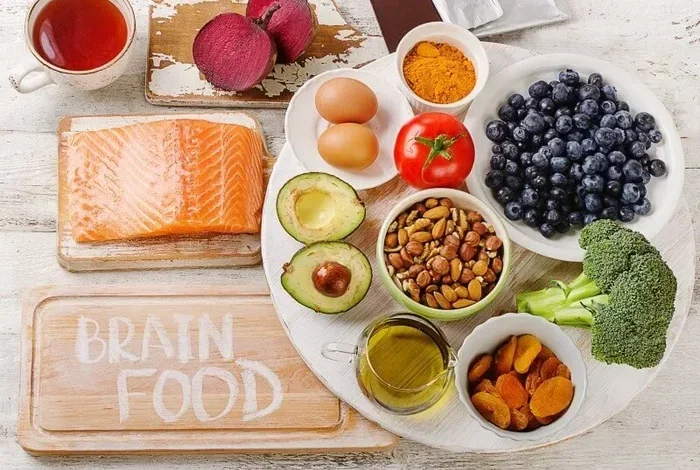
Foods for focus and brain health are essential for anyone who wants to think clearly, remember more, and stay sharp throughout the day. What you eat directly affects your energy, your mood, and how well your mind handles stress. Adding the right nutrients to your daily meals can help you concentrate better and feel more balanced. This guide breaks down the top foods, simple meal ideas, and easy habits that support a healthier brain.
This is a comprehensive guide about Foods For Focus And Brain Health.

Visual guide about Fresh brain healthy foods
Image source: mindframehq.com
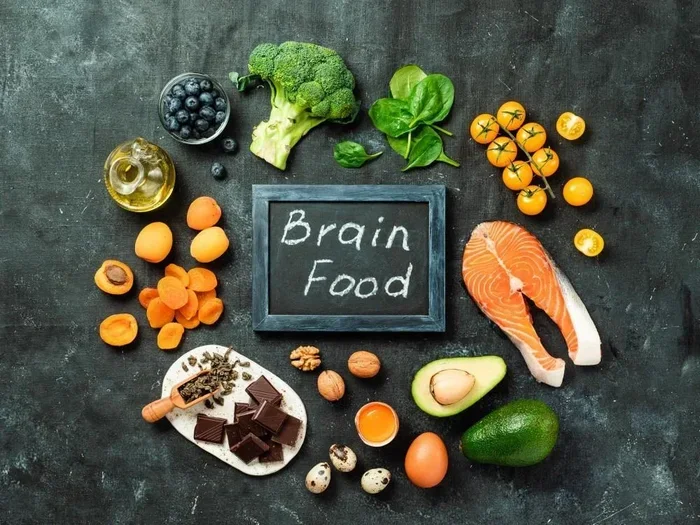
Visual guide about Fresh brain healthy foods
Image source: sa1s3optim.patientpop.com
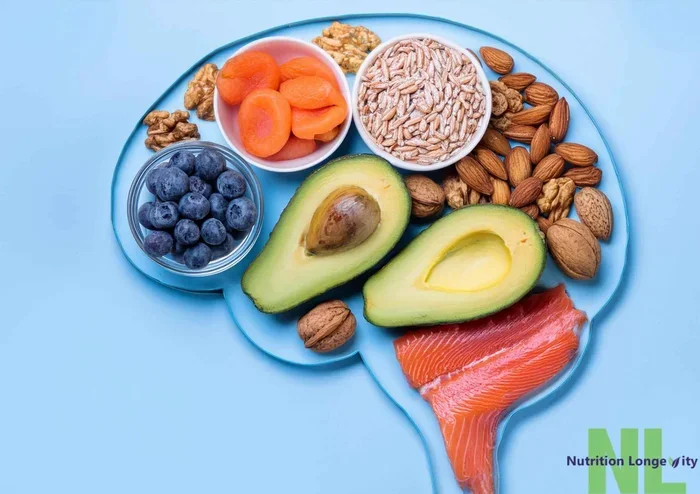
Visual guide about Fresh brain healthy foods
Image source: nutritionlongevitywithjakebiggs.com
Key Takeaways
- Foods for focus and brain health matter because your brain runs on the nutrients you eat every day.
- Omega-3 fatty acids, antioxidants, and B vitamins play a major role in memory, concentration, and mental clarity.
- Water, herbal tea, and balanced snacks help you avoid energy crashes and brain fog.
- Simple meal swaps, like adding berries or nuts, can improve your focus without major lifestyle changes.
- Sugar spikes, heavy processed meals, and skipped meals often drain your mental energy fast.
- Consistent eating habits work better than quick fixes when you want lasting brain support.
- Pairing smart food choices with sleep, movement, and stress care gives you the best results.
[FEATURED_IMAGE_PLACEHOLDER]
Your brain works hard every single day. It helps you solve problems, remember names, stay calm, and make good choices. That is a lot of work for one small organ. So it makes sense that what you feed it matters a lot. When people search for foods for focus and brain health, they usually want the same thing: better concentration, clearer thinking, and fewer random energy crashes. The good news is that you do not need a perfect diet to see real benefits. You just need a few steady habits and the right kinds of fuel.
Think of your brain like a high-performance engine. It can run on quick, low-quality fuel for a while, but it usually sputters later. Whole foods, healthy fats, and steady hydration tend to keep your mind smoother for longer. That does not mean you must give up every treat or follow a strict plan. It simply means your daily choices can either support your focus or drain it. If you have ever felt sluggish after a heavy lunch or scattered when you skip breakfast, you already know food affects your mental energy.
This guide will walk you through the best foods for focus and brain health in a simple, practical way. You will see what nutrients help the most, which meals are easy to build, and which habits can make your diet work harder for your mind. The goal is not to overwhelm you. The goal is to help you make small changes that feel realistic and actually stick.
Why Foods For Focus And Brain Health Matter So Much
Your brain does not store much energy on its own. It needs a steady supply of nutrients to stay alert and responsive. When your meals are unbalanced, your mind may feel foggy, impatient, or tired even when you have slept enough. That is why people often talk about brain fog, mental clarity, and concentration when they discuss nutrition. The connection is real, and it shows up in everyday life.
Foods for focus and brain health are not about magic superfoods that fix everything overnight. They are about giving your nervous system the building blocks it needs. Healthy fats help brain cells communicate. Antioxidants help protect cells from stress. Vitamins and minerals support energy production and nerve function. When you combine those pieces, your mind often feels more steady and less scattered.
This is also why consistency matters more than perfection. One salad will not transform your thinking. But a pattern of nourishing meals can make a noticeable difference over time. If you want better focus, start by looking at the big picture: what you eat, how often you eat, and how you hydrate. Small improvements in those areas can create a much calmer, clearer mind.
The Link Between Nutrition And Mental Energy
Mental energy is not just about willpower. It is also about blood sugar, hydration, and the nutrients your body can use. When your blood sugar rises and falls too quickly, your focus can dip with it. That is one reason heavy sugar loads or highly processed meals can leave you feeling mentally slow. On the other hand, balanced meals usually provide a steadier pace.
Another piece of the puzzle is inflammation. Chronic stress, poor sleep, and low-quality food can all add to that burden. While food alone is not a cure-all, a nutrient-rich diet can support a healthier response to stress. That matters because stress can make it harder to think clearly, stay organized, and remember what matters.
So when you think about foods for focus and brain health, think in terms of support. You are not trying to force your brain to work harder. You are giving it a better environment to do its job. That is a much more realistic and sustainable approach.
Top Nutrients That Support Foods For Focus And Brain Health
Before diving into specific foods, it helps to know what nutrients are doing the heavy lifting. Different foods help in different ways, and a few key nutrients show up again and again in brain-supportive diets. You do not need to memorize a long list. You just need to recognize the patterns.
Here are some of the most important nutrients to keep in mind:
- Omega-3 fatty acids help support brain cell structure and communication.
- Antioxidants help protect cells from oxidative stress.
- B vitamins support energy metabolism and nervous system function.
- Vitamin E is often linked with cell protection and long-term brain support.
- Magnesium plays a role in relaxation, nerve function, and stress balance.
- Choline supports memory and cell signaling.
- Fiber helps keep blood sugar more stable, which can support steadier focus.
When you build meals around these nutrients, you are not just eating for taste. You are eating for function. That is one of the biggest reasons foods for focus and brain health are worth paying attention to. You can enjoy your meals and still give your mind the tools it needs.
Healthy Fats And Omega-3s
Healthy fats are some of the most important players in brain nutrition. Your brain is largely made of fat, so it makes sense that the quality of fat you eat matters. Omega-3 fatty acids, in particular, are often linked with brain health and mood support. They are found in foods like salmon, sardines, walnuts, chia seeds, and flaxseeds.
You do not need to eat fish every day to benefit. The goal is simply to include more omega-3-rich foods over the course of a week. If you do not enjoy fish, plant-based options can still help. A handful of walnuts, some chia pudding, or flax sprinkled on oatmeal are easy ways to add those fats without much effort.
Healthy fats also help you feel satisfied. That matters for focus because hunger can make concentration much harder. When your meals include some fat, they often digest more slowly and keep your energy steadier. That is a practical win for anyone trying to stay productive.
Antioxidants And Protective Plant Foods
Antioxidants are another big reason plant foods show up in discussions about foods for focus and brain health. Berries, leafy greens, beans, tea, and colorful vegetables all bring different protective compounds to the table. These foods do not just add vitamins. They also add variety, and variety matters.
Berries are especially popular because they are rich in plant compounds that may support memory and cognitive aging. Blueberries, strawberries, raspberries, and blackberries all bring different flavors and benefits. You can add them to yogurt, oatmeal, smoothies, or salads. That makes them one of the easiest brain-friendly foods to use.
Leafy greens also deserve attention. Spinach, kale, arugula, and similar greens provide folate, vitamin K, and other nutrients that support overall health. If you want a simple habit, try adding greens to at least one meal a day. A side salad, sautéed spinach, or greens blended into a smoothie can make a real difference over time.
Best Foods For Focus And Brain Health You Can Use Daily
Now let’s get practical. It is one thing to talk about nutrients and another to know what to put on your plate. The best foods for focus and brain health are usually the ones you can enjoy regularly without a lot of stress. If a food fits your routine, you are more likely to keep eating it.
Here are some strong everyday options:
- Fatty fish such as salmon, trout, sardines, or mackerel
- Berries especially blueberries, strawberries, and blackberries
- Nuts and seeds like walnuts, almonds, pumpkin seeds, and flaxseeds
- Eggs which provide choline and B vitamins
- Leafy greens such as spinach, kale, and Swiss chard
- Whole grains like oats, brown rice, quinoa, and whole-grain bread
- Legumes including lentils, chickpeas, and black beans
- Avocado for healthy fats and steady satiety
- Green tea or coffee in moderation for a gentle focus boost
- Water because hydration is a basic but powerful focus tool
You do not need all of these every day. The idea is to rotate them in a way that feels natural. Maybe one day you have eggs with spinach and berries, and another day you have salmon with quinoa and greens. That kind of variety keeps meals interesting and helps you cover more nutrient bases.
Breakfast Ideas That Support Foods For Focus And Brain Health
Breakfast is a great place to start because it sets the tone for the day. If your first meal is too sugary or too light, you may feel off balance later. A better breakfast usually combines protein, healthy fat, and fiber. That combination helps you stay full and keeps your energy from bouncing around too much.
Try a few simple combinations:
- Oatmeal with walnuts, chia seeds, and berries
- Eggs with avocado and whole-grain toast
- Greek yogurt with flaxseeds, fruit, and a little nut butter
- A smoothie with greens, fruit, protein, and water or milk
- Whole-grain toast with nut butter and sliced banana
These meals are not complicated, but they can be very effective. They give your brain a steadier start and reduce the chance of an early crash. If you are in a rush, even a simple snack like yogurt and nuts is better than skipping food entirely.
Lunch And Dinner Options For Steady Concentration
Lunch and dinner are where many people either support their focus or accidentally sabotage it. Heavy, greasy, or overly processed meals can leave you feeling sluggish. Balanced meals, on the other hand, can help you stay alert through the afternoon and evening. A good rule is to include protein, vegetables, and a smart carbohydrate in the same meal.
Some easy options include:
- Grilled salmon with roasted vegetables and brown rice
- Chicken or tofu with quinoa and a leafy salad
- Lentil soup with whole-grain bread and fruit on the side
- Stir-fried vegetables with eggs, tofu, or shrimp over whole grains
- Bean-based bowls with avocado, greens, and a lean protein
These meals are flexible, so you can adjust them based on taste and budget. If you cook at home, batch-prepping grains and vegetables can save time. If you eat out, look for combinations that are close to this pattern. You do not need a perfect plate. You just need a balanced one.
Snacks, Hydration, And Daily Habits That Improve Focus
Foods for focus and brain health are important, but they work even better when you pair them with good daily habits. Snacking and hydration often get overlooked, yet both can have a big effect on concentration. A dehydrated brain is not a happy brain, and neither is a hungry one.
Snacks can either stabilize your energy or send it on a rollercoaster. The best snacks usually combine protein, fat, and fiber. That trio helps keep blood sugar more even and reduces the urge to overeat later. It also makes snacks more satisfying, which is helpful if you are trying to stay productive.
Here are some simple snack ideas:
- Apple slices with peanut butter
- A small handful of almonds and berries
- Hummus with carrot sticks or whole-grain crackers
- Hard-boiled eggs with a few whole-grain crackers
- Yogurt with seeds or nuts
- Popcorn with a little nut butter or cheese if you want more staying power
Hydration matters just as much. Even mild dehydration can affect attention and mood for some people. Water is usually the easiest choice, but herbal tea and other low-sugar drinks can also help. If you struggle to drink enough, keep a bottle nearby and sip throughout the day instead of waiting until you feel thirsty.
Caffeine, Tea, And Smart Energy Boosts
Many people rely on coffee or tea for focus, and that is understandable. Caffeine can help you feel more alert in the short term. The key is using it wisely. Too much can make you jittery, tired later, or less able to wind down at night. So the goal is balance, not overload.
Tea can be a nice middle ground. Green tea, for example, offers a gentler boost for some people and also contains plant compounds that may support brain health. Coffee can still fit into a brain-friendly routine if you keep it moderate and avoid loading it with sugar. If you notice caffeine making you anxious or disrupting sleep, it may be worth cutting back.
A quick tip: pay attention to timing. A morning cup may help, but late-afternoon caffeine can sometimes interfere with sleep. Since sleep has such a strong effect on focus, protecting it is worth more than many people realize.
Common Mistakes That Undermine Foods For Focus And Brain Health
Even with good intentions, it is easy to make choices that work against your focus. Some mistakes are subtle. Others are obvious but still very common. Knowing what to watch for can save you a lot of frustration.
Here are a few common pitfalls:
- Relying too much on sugar for quick energy, then crashing later
- Skipping meals and wondering why concentration drops
- Eating huge, heavy meals that make you feel sleepy
- Ignoring hydration and assuming fatigue is only about work
- Eating the same narrow foods and missing out on nutrient variety
- Expecting food alone to fix everything without sleep, movement, or stress care
These mistakes do not mean you are doing everything wrong. They just mean your routine may need a few adjustments. For example, if you often feel sluggish after lunch, try a lighter meal with more protein and vegetables. If you get distracted when you are hungry, plan a mid-afternoon snack before your energy dips.
Quick Tips To Make Brain-Friendly Eating Easier
If you want foods for focus and brain health to become part of your life, convenience matters. The easier something is, the more likely it is to stick. Here are a few practical tips:
- Keep ready-to-eat options on hand, like fruit, nuts, yogurt, or cut vegetables.
- Batch-cook grains, beans, or proteins so meals come together faster.
- Add one brain-friendly food to a meal you already enjoy.
- Use simple formulas, like protein plus vegetable plus whole grain.
- Drink water regularly instead of waiting for thirst.
- Notice how different meals affect your energy and adjust from there.
This approach is much more realistic than trying to overhaul everything at once. You are building habits that fit your life, not fighting against it. That is usually the difference between a change that lasts and one that fades after a week.
How Foods For Focus And Brain Health Fit Into A Bigger Routine
Food is powerful, but it works best as part of a broader routine. Sleep, movement, stress management, and daily structure all affect how well your brain performs. A great meal plan still feels harder when you are exhausted, overwhelmed, or sitting still for too long. So it helps to think of food as one piece of the puzzle.
Sleep is especially important. Your brain uses rest to recover and organize information. If you are cutting sleep short most nights, no breakfast will fully make up for that. Movement also helps. You do not need intense workouts to benefit. A walk, some stretching, or a short burst of activity can improve circulation and help you feel more awake.
Stress care matters too. When your mind is overloaded, focus becomes harder even if your meals are decent. Simple habits like breathing breaks, short walks, or time away from screens can help. If you want a more complete approach, you can look at how nutrition, sleep, and daily routines support each other instead of treating them as separate problems.
Building A Simple Weekly Plan
You do not need a complicated meal plan to benefit from foods for focus and brain health. A simple weekly rhythm can be enough. For example, you might choose two or three breakfasts you rotate, two or three lunch options, and a few dinner ideas you can repeat. That gives you variety without constant decision-making.
A sample rhythm could look like this:
- Breakfast: oats, eggs, or yogurt-based meals
- Lunch: salads, grain bowls, soups, or wraps with protein and vegetables
- Dinner: fish, beans, poultry, tofu, or eggs with vegetables and a whole grain
- Snacks: fruit with nuts, yogurt, hummus, or hard-boiled eggs
- Drinks: water, tea, and moderate coffee if it suits you
The point is not to be rigid. The point is to make good choices easier to repeat. When your kitchen is stocked and your routine is predictable, you are less likely to grab whatever is quickest when you are tired. That is how small food choices start supporting your focus every day.
Final Thoughts On Foods For Focus And Brain Health
If you want better concentration, clearer thinking, and more stable energy, start with the basics. Foods for focus and brain health are not about strict rules or expensive trends. They are about giving your mind steady, nourishing support through everyday meals. When you include healthy fats, colorful plant foods, enough protein, and good hydration, you create a stronger foundation for mental performance.
The best part is that you can begin small. Add berries to your breakfast. Swap in a whole grain. Keep water nearby. Choose a balanced snack before your energy dips. These little changes add up, and they are much easier to maintain than dramatic overhauls. Over time, that consistency can help you feel more focused, more steady, and more in control of your day.
Frequently Asked Questions
What are the best foods for focus and brain health?
Some of the best foods for focus and brain health include fatty fish, berries, leafy greens, nuts, seeds, eggs, whole grains, and legumes. These foods provide omega-3s, antioxidants, B vitamins, and steady energy that support concentration and memory.
Can food really improve focus?
Yes, food can influence focus because your brain depends on nutrients and steady energy to work well. Balanced meals with protein, healthy fats, and fiber often help you stay more alert than sugary or highly processed options. Food is not a magic fix, but it can make a noticeable difference.
What is a good brain-healthy breakfast?
A good brain-healthy breakfast usually combines protein, healthy fat, and fiber. Examples include oatmeal with berries and walnuts, eggs with avocado and whole-grain toast, or yogurt with seeds and fruit. These meals can help you start the day with more stable energy.
Does hydration affect concentration?
Hydration can affect concentration because even mild dehydration may make it harder to stay focused and feel your best. Drinking water regularly throughout the day is a simple way to support attention and energy. Many people also do better when they sip consistently instead of waiting until they feel thirsty.
Are snacks important for brain function?
Snacks can be important if they help you avoid extreme hunger and energy dips. The best snacks for focus usually combine protein, fat, and fiber, such as fruit with nut butter, yogurt with nuts, or hummus with vegetables. Smart snacking can help keep your energy steadier between meals.
How long does it take to notice changes from better eating?
Some people notice small changes in energy and focus within a few days, especially if they improve hydration and meal balance. More lasting benefits usually come from consistent habits over weeks and months. The biggest gains often come when better eating is paired with good sleep and regular movement.
