
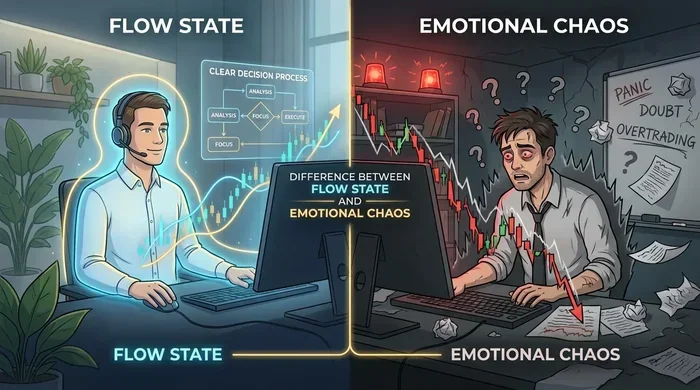
Flow optimal experience in psychology is a state of complete immersion where time disappears and performance peaks. This article breaks down the science behind flow, how it strengthens romantic connections, and actionable steps you can take to enter this powerful state in your everyday life and relationships.
Have you ever been so absorbed in an activity that the entire world seemed to fade away? Maybe you were on an incredible first date, deeply engaged in conversation, and suddenly realized three hours had flown by. That magical state of complete immersion has a name. Psychologists call it flow optimal experience, and it’s one of the most powerful mental states you can achieve.
Flow optimal experience in psychology isn’t just about peak performance at work or in sports. It transforms how you connect with your partner, how you experience joy, and how you navigate everyday challenges. When you understand what flow is and how to trigger it, you unlock a secret weapon for a happier, more fulfilling life and love.
Key Takeaways
- Flow is a psychological state of deep absorption where you lose track of time and perform at your best.
- Mihaly Csikszentmihalyi pioneered flow research and identified key conditions that trigger this optimal experience.
- Flow strengthens romantic relationships when couples engage in challenging, shared activities together.
- Clear goals and immediate feedback are essential ingredients for entering a flow state.
- You can cultivate flow daily by matching your skills with appropriately challenging tasks.
- Flow reduces stress and boosts happiness, making it a powerful tool for personal and relational well-being.
- Distraction is the enemy of flow — creating focused environments is critical for success.
📑 Table of Contents
- What Is Flow Optimal Experience In Psychology?
- The Science Behind Flow State Psychology
- How Flow Transforms Romantic Relationships
- 8 Proven Strategies To Achieve Flow State Daily
- Common Mistakes That Block Flow
- Flow In Dating: Creating Magical First Impressions
- Flow State Comparison Table
- Expert Insights On Sustaining Flow Long-Term
- Conclusion: Your Flow Journey Starts Now
What Is Flow Optimal Experience In Psychology?
Flow optimal experience in psychology refers to a mental state where a person is fully immersed in an activity with energized focus, full involvement, and enjoyment. Psychologist Mihaly Csikszentmihalyi first coined the term in 1975 after studying artists who would work for hours without eating or sleeping — completely lost in their craft.
Think of flow as the sweet spot between anxiety and boredom. When a task is too hard, you feel anxious. When it’s too easy, you feel bored. But when the challenge perfectly matches your skill level? That’s where the magic happens.
The Core Characteristics of Flow
Researchers have identified several key features that define a flow state:
- Intense concentration on the present moment
- Merging of action and awareness — you act without overthinking
- Loss of self-consciousness — your inner critic goes quiet
- Distorted sense of time — hours feel like minutes
- Intrinsic reward — the activity itself feels deeply satisfying
- Clear goals — you know exactly what you’re trying to accomplish
- Immediate feedback — you can tell how well you’re doing in real time
- Balance between challenge and skill — neither too easy nor too hard
Why Flow Matters In Everyday Life
Flow isn’t just for elite athletes or world-class musicians. Anyone can experience flow, and doing so regularly can dramatically improve your quality of life. Studies show that people who experience flow more often report higher levels of happiness, life satisfaction, and emotional well-being.
In romantic relationships, flow plays a surprisingly important role. Couples who regularly enter flow states together report deeper emotional bonds and greater relationship satisfaction. When you’re fully present with your partner — truly engaged without distractions — you create moments of genuine connection that strengthen your bond.
The Science Behind Flow State Psychology
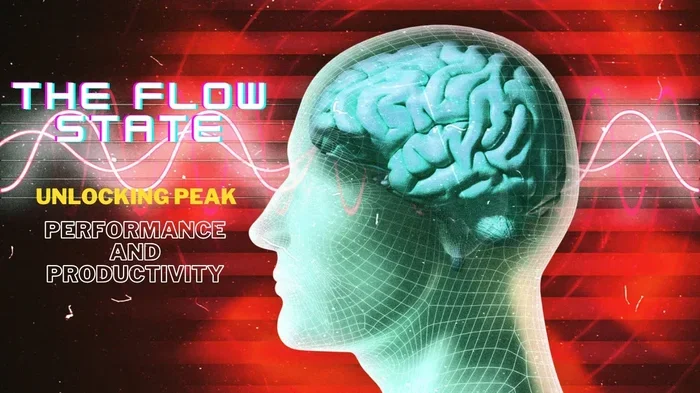
Understanding the neuroscience behind flow optimal experience in psychology helps explain why it feels so transformative. When you enter a flow state, your brain literally changes how it operates.
Visual guide about person in flow state
Image source: exuberantlife.co
Transient Hypofrontality: Your Brain On Flow
The leading neuroscientific explanation for flow is called transient hypofrontality. This means your prefrontal cortex — the part of your brain responsible for self-monitoring, doubt, and overthinking — temporarily dials down its activity.
When your prefrontal cortex quiets down, several amazing things happen:
- Your inner critic disappears
- You stop worrying about how you look or sound
- Creativity increases dramatically
- Decision-making becomes faster and more intuitive
- You feel a sense of effortless control
The Neurochemistry Of Peak Experience
Flow triggers a powerful cocktail of brain chemicals that create feelings of pleasure, focus, and reward:
- Dopamine — enhances focus, pattern recognition, and motivation
- Norepinephrine — increases heart rate and heightens attention
- Endorphins — reduce pain and create feelings of euphoria
- Anandamide — promotes lateral thinking and creative problem-solving
- Serotonin — contributes to the afterglow feeling of satisfaction
This neurochemical cocktail explains why flow feels so good and why people chase this state repeatedly. It’s essentially your brain’s natural reward system kicking into high gear.
How Flow Transforms Romantic Relationships
Here’s where flow optimal experience in psychology gets really exciting for couples. Flow doesn’t just improve individual performance — it can completely transform how two people connect.
Visual guide about person in flow state
Image source: hooshmand.net
Shared Flow: The Ultimate Relationship Builder
Shared flow happens when two people enter a flow state together during a joint activity. This is one of the most powerful bonding experiences a couple can have. Think about couples who dance together effortlessly, cook a complex meal in perfect sync, or get lost in deep conversation for hours.
Research shows that shared flow experiences lead to:
- Increased emotional intimacy — you feel more connected to your partner
- Better communication — you develop nonverbal understanding
- Greater relationship satisfaction — the relationship feels more rewarding
- Stronger partnership identity — you feel like a team
- More positive memories — you build a reservoir of joyful shared experiences
Flow And Emotional Intimacy Go Hand In Hand
When you’re in flow with your partner, you’re completely present. There’s no scrolling on your phone. No thinking about work. No mental to-do list. You’re there, fully and completely.
This level of presence is rare in modern relationships. And it’s incredibly attractive. When your partner feels that you’re truly engaged with them, emotional intimacy deepens naturally. If you’re looking to strengthen your emotional connection, exploring emotional needs you should never ignore in a relationship alongside flow-building activities can create powerful results.
Activities That Create Couple Flow
Not every activity triggers flow. The best couple flow activities share specific characteristics:
- Rock climbing or bouldering — requires trust, communication, and focus
- Dance classes — combines physical movement with coordination
- Cooking complex meals together — demands teamwork and timing
- Playing music together — creates synchrony and shared rhythm
- Board games or strategy games — engages problem-solving skills
- Hiking challenging trails — combines physical effort with natural beauty
- Learning a new language together — provides clear goals and progress
8 Proven Strategies To Achieve Flow State Daily
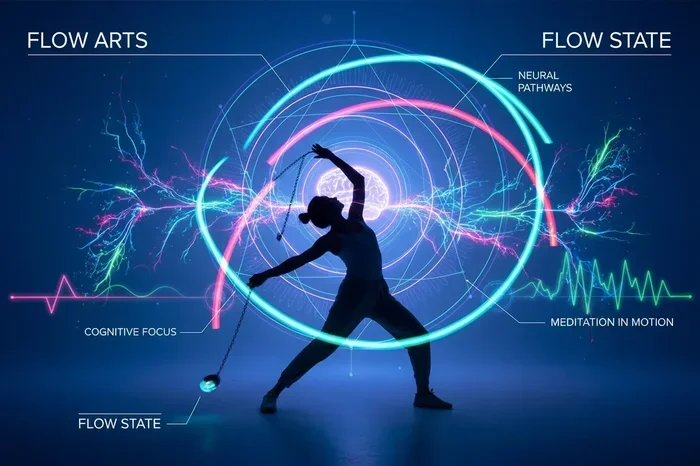
Now let’s get practical. How do you actually trigger flow optimal experience in psychology in your daily life? Here are research-backed strategies you can start using today.
Visual guide about person in flow state
Image source: ultrapoi.com
1. Match Challenge With Skill Level
The single most important condition for flow is finding the sweet spot between challenge and ability. If a task is too easy, you’ll get bored. Too hard, and you’ll feel anxious. Aim for activities that stretch your abilities just beyond your comfort zone.
Quick Tip: Rate your skill level and the challenge level on a scale of 1-10. Flow happens when both numbers are high and roughly equal.
2. Set Crystal-Clear Goals
Your brain needs to know what success looks like. Vague goals like “do your best” don’t trigger flow. Specific, concrete goals do. Instead of “work on the project,” try “complete the first draft of the introduction by 2 PM.”
3. Seek Immediate Feedback
Flow requires real-time information about how you’re doing. This is why video games are so effective at triggering flow — you constantly know your score, your progress, and your performance. In real life, create feedback loops by tracking your progress, asking for input, or using timers.
4. Eliminate All Distractions
Distraction is the number one enemy of flow. It takes an average of 23 minutes to refocus after an interruption. Before attempting a flow activity, put your phone in another room, close unnecessary tabs, and tell others not to disturb you.
5. Focus On The Process, Not The Outcome
Paradoxically, obsessing over results prevents flow. When you focus on the enjoyment of the activity itself — the process — flow comes naturally. Trust that good outcomes follow from deep engagement.
6. Build Deep Concentration Habits
Flow requires sustained attention, and attention is like a muscle. Start with 25-minute focused work sessions (the Pomodoro Technique) and gradually extend them. Over time, your ability to concentrate deeply will strengthen.
7. Choose Activities You Genuinely Enjoy
Flow is much easier to achieve when you’re intrinsically motivated. You can’t force flow in activities you hate. Find tasks that naturally interest you and build from there.
8. Practice Mindfulness Regularly
Mindfulness meditation trains your brain to stay present — a core requirement of flow. Even 10 minutes of daily mindfulness practice can improve your ability to enter flow states. This practice also helps you stay healthy and positive during personal challenges, which creates the mental space needed for flow.
Common Mistakes That Block Flow
Even with the right strategies, certain habits and mindsets can prevent you from experiencing flow optimal experience in psychology. Here are the most common flow blockers to watch out for.
Multitasking: The Flow Killer
Let’s be clear: multitasking is a myth. What you’re actually doing is task-switching, and it destroys the deep concentration flow requires. Research shows multitasking can reduce productivity by up to 40%. Do one thing at a time, and do it fully.
Perfectionism: The Inner Critic
Perfectionism keeps your prefrontal cortex hyperactive — exactly the opposite of what flow requires. When you’re constantly judging your performance, you can’t lose yourself in the activity. Give yourself permission to be imperfect.
Waiting For The “Right Mood”
Many people wait until they feel motivated or inspired before starting. But flow doesn’t work that way. Action precedes motivation, not the other way around. Start the activity, and flow will often follow.
Comparing Yourself To Others
Comparison pulls you out of the present moment and into self-evaluation. Flow requires losing self-consciousness, which is impossible when you’re measuring yourself against someone else.
Flow In Dating: Creating Magical First Impressions
Here’s something fascinating: flow optimal experience in psychology can actually make you more attractive to potential partners. When you’re in a flow state, you’re more charismatic, more present, and more engaging.
Why Flow Makes You Irresistible On Dates
Think about the best date you’ve ever had. Chances are, you were in a flow state. You were fully present, deeply engaged, and completely absorbed in the conversation. That’s incredibly attractive.
When you’re in flow during a date:
- You listen more actively and respond more thoughtfully
- Your body language becomes more open and relaxed
- You laugh more naturally and freely
- You create inside jokes and shared moments effortlessly
- Time seems to stop — the date feels magical
How To Create Flow On A First Date
Want to engineer flow on your next date? Try these approaches:
- Choose interactive activities — escape rooms, cooking classes, or mini golf create natural flow conditions
- Avoid loud, crowded venues — you need to hear each other and focus
- Ask open-ended questions — deep conversation naturally triggers flow
- Put phones away — nothing kills flow faster than a buzzing phone
- Be genuinely curious — authentic interest creates mutual engagement
Building Long-Term Relationship Flow
The honeymoon phase of any relationship naturally produces flow states. But as relationships mature, couples often fall into routines that lack the challenge needed for flow. The key is to continuously introduce new challenges together.
This might mean traveling to unfamiliar places, taking on a home renovation project together, or learning something new as a couple. Regular relationship check-in questions every couple should ask weekly can help you identify new activities and challenges to pursue together.
Flow State Comparison Table
| State | Challenge Level | Skill Level | Emotional Experience |
|---|---|---|---|
| Flow | High | High (matched) | Joyful, effortless, timeless |
| Anxiety | High | Low | Worried, overwhelmed, tense |
| Boredom | Low | High | Uninterested, restless, dull |
| Apathy | Low | Low | Disconnected, flat, unmotivated |
| Control | Medium | High | Confident, calm, capable |
| Relaxation | Low | Medium | Peaceful, rested, content |
Expert Insights On Sustaining Flow Long-Term
Achieving flow once is great. But building a lifestyle that regularly produces flow? That’s life-changing. Here’s what psychologists and performance experts recommend.
Build Flow Triggers Into Your Environment
Your environment shapes your behavior more than willpower ever will. Create physical spaces and routines that signal to your brain: “It’s time to focus.” This might mean a dedicated workspace, a specific playlist, or a pre-flow ritual like making tea.
Track Your Flow Patterns
Keep a simple journal noting when you enter flow, what you were doing, and how you felt. Over time, you’ll identify patterns that help you replicate the experience. You might discover that you flow best in the morning, during creative tasks, or after exercise.
Embrace Deliberate Practice
Flow and deliberate practice go hand in hand. Deliberate practice means working on specific skills at the edge of your ability with focused attention. It’s uncomfortable, but it’s the fastest path to growth — and to flow.
Prioritize Recovery
Flow is mentally demanding. Your brain needs recovery time to perform at its best. Prioritize sleep, take breaks between flow sessions, and don’t try to force flow when you’re exhausted. Rest is not the enemy of productivity — it’s a prerequisite.
Conclusion: Your Flow Journey Starts Now
Flow optimal experience in psychology isn’t some mystical state reserved for monks and Olympic athletes. It’s a natural human experience that’s available to you right now, today, in this very moment.
The beauty of flow is that it’s both simple and profound. Match your skills with a worthy challenge. Eliminate distractions. Focus completely on the present moment. And let the magic unfold.
Whether you’re looking to deepen your romantic connection, excel at work, or simply experience more joy in everyday life, flow is your gateway. Start small. Pick one activity. Give it your full attention. And watch what happens when you stop trying so hard and start being fully present.
Your most fulfilling experiences — in love, in work, in life — are waiting for you on the other side of flow.
Frequently Asked Questions
What exactly is flow optimal experience in psychology?
Flow optimal experience in psychology is a state of complete immersion in an activity where you lose track of time, self-consciousness fades, and performance feels effortless. Psychologist Mihaly Csikszentmihalyi identified it as the sweet spot where challenge and skill are perfectly balanced.
How long does it take to enter a flow state?
Entering flow typically takes about 10-15 minutes of uninterrupted, focused attention. However, this varies by person and activity. The key is eliminating distractions and committing fully to the task at hand.
Can couples really experience flow together?
Absolutely. Shared flow happens when couples engage in challenging, rewarding activities together — like dancing, cooking, or hiking. These shared experiences create deeper emotional bonds and greater relationship satisfaction.
What are the best activities for achieving flow?
The best flow activities have clear goals, immediate feedback, and a balance between challenge and skill. Examples include playing music, rock climbing, painting, writing, coding, sports, and even deep conversation.
Why can’t I enter flow when I want to?
Flow can’t be forced. Common blockers include multitasking, perfectionism, distractions, and trying to enter flow in activities you don’t genuinely enjoy. Create the right conditions and let flow come naturally.
How does flow improve romantic relationships?
Flow improves relationships by promoting deep presence, better communication, and shared positive experiences. When couples enter flow together, they build emotional intimacy and create lasting memories that strengthen their bond.
