
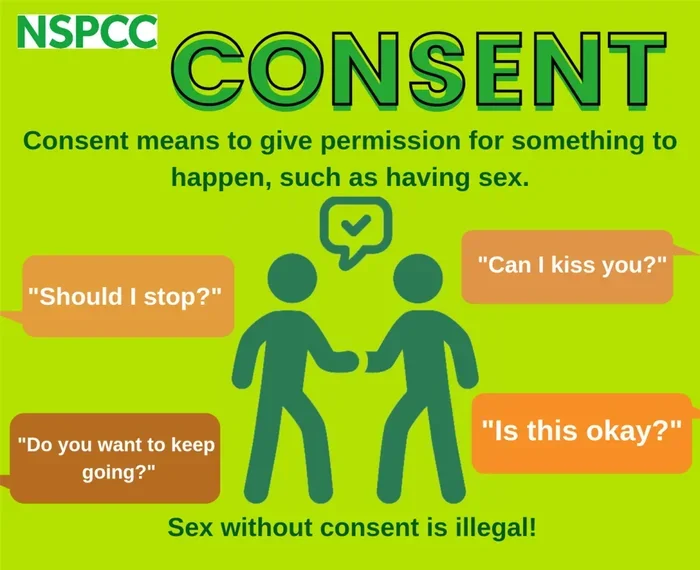
Does love give us the right to overlook consent issues? The short answer is no. Love should never replace clear agreement. When you skip consent, you risk hurting someone you care about. This article explains why boundaries matter and how to keep respect at the center of your relationship.
Key Takeaways
- Consent is always required: Love does not remove the need for clear, ongoing agreement in any relationship.
- Boundaries protect trust: Respecting limits builds safety and deepens emotional connection over time.
- Pressure is not love: Guilt, persistence, or emotional leverage can damage trust and create harm.
- Consent can change anytime: A yes today does not mean a yes forever, so check in regularly.
- Healthy love is mutual: Both people should feel free to say yes or no without fear of losing care.
- Communication prevents mistakes: Simple, honest conversations reduce confusion and protect both partners.
- Respect strengthens intimacy: When consent leads the way, closeness feels safer and more meaningful.
Does Love Give Us The Right To Overlook Consent Issues In Real Life
Love feels powerful. It can make us want to stay close, share everything, and move fast. That warmth is beautiful. But love should never erase boundaries. When people ask, does love give us the right to overlook consent issues, the answer stays simple. It does not. Care and agreement are not the same thing. You can deeply love someone and still need to hear a clear yes. You can also love someone and still need to respect a no.
This topic matters because confusion can cause real harm. Some people believe that strong feelings justify pushing limits. Others think that commitment means saying yes to everything. Those ideas can create pressure, doubt, and pain. Healthy love works differently. It listens. It checks in. It leaves room for choice. When consent leads the way, both people feel safer and more valued.
You may be reading this because you want clarity. Maybe you wonder whether your relationship is balanced. Maybe you want to understand how to show care without crossing lines. That is a smart place to start. Respect is not cold or distant. It is one of the strongest signs that love is healthy.
Love And Boundaries Work Together
Many people think boundaries make a relationship feel far away. In truth, boundaries help closeness feel safe. A boundary is not a wall. It is a clear line that says what feels okay and what does not. When both people honor those lines, trust grows.
Think about a simple example. One partner may love physical closeness but need slow pacing. The other may love deep conversation but need quiet time after work. Neither person is wrong. Both needs matter. If love ignores those needs, the relationship can start to feel heavy. If love respects them, both people can relax and connect more honestly.
Boundaries also protect emotional well-being. They help people say, “This matters to me.” That kind of honesty is a gift. It gives your partner a chance to understand you better. It also gives you a chance to understand them. Over time, that mutual understanding creates a stronger bond.
Quick Tips:
- Ask what comfort looks like for your partner.
- Share your own limits without apology.
- Revisit boundaries as life changes.
- Treat a no as useful information, not a rejection of love.
Why Consent Matters More Than We Admit
Consent is often treated like a formal word for a serious moment. In reality, consent shows up in everyday life. It appears when you ask before borrowing something. It appears when you check whether your partner wants to talk right now. It appears when you notice body language and pause to ask if everything is okay.
Does love give us the right to overlook consent issues when things feel urgent or emotional? No. Urgency does not erase choice. Emotion does not replace agreement. Consent matters because it protects dignity. It reminds both people that each person belongs to themselves first.
Consent also reduces confusion. When people guess instead of asking, they can misread signals. Someone may smile out of politeness. Someone may stay quiet because they feel overwhelmed. Those moments are easy to misunderstand. A direct question removes guesswork. It creates space for a real answer.
Common Mistakes:
- Assuming silence means yes
- Treating past agreement as permanent permission
- Using guilt to change a no into a yes
- Ignoring discomfort because you feel confident
When Love Becomes Pressure
Love can sometimes turn into pressure without anyone meaning to. This happens when one person starts to feel responsible for the other person’s happiness. It also happens when someone believes they must earn love by saying yes. That mindset can create a painful loop.
For example, a partner may keep asking after hearing no. They may say, “If you loved me, you would.” They may act hurt and hope that guilt will change the answer. None of those moves are healthy. They replace choice with obligation. That can make the other person feel trapped, even if the relationship looks fine from the outside.
Pressure can also show up in subtler ways. A person may sigh when their partner sets a limit. They may pause dramatically before accepting an answer. They may bring up the same request again and again. These behaviors may not look aggressive, but they still make consent feel costly. Real love does not make someone pay for their boundaries.
If you notice pressure building, pause and name it. You can say, “I want this to be a real choice, not a debate.” That sentence can reset the tone. It shows that respect matters more than getting your way.
Signs Consent Is Being Overlooked
It is not always easy to spot overlooked consent. Sometimes the signs are loud. Sometimes they are quiet. Either way, it helps to pay attention.
One sign is repeated disregard. If someone says no and the other person keeps pushing, that is a clear warning. Another sign is emotional withdrawal after a boundary is shared. If a partner becomes cold, sarcastic, or distant because you said no, that reaction can feel manipulative. A third sign is rushed decisions. If one person wants to skip discussion and move straight to action, they may be treating consent as an obstacle instead of a part of love.
You can also watch for changes in how someone acts after setting a limit. Do they seem afraid to speak up? Do they apologize for having needs? Do they agree quickly just to end the conversation? Those patterns can point to an unhealthy dynamic.
It helps to remember that consent is not only about one big moment. It is about the whole pattern. A relationship can look loving on the surface and still ignore choice in daily life. That is why honest observation matters.
How To Build Consent Into Everyday Love
Healthy consent is not awkward. It can be simple, calm, and natural. The goal is not to turn every moment into a formal contract. The goal is to make room for choice and clarity.
Start with small questions. Ask before making plans that affect both of you. Ask how your partner feels about the pace of the relationship. Ask whether they want space, attention, or support right now. These questions show that you value their experience, not just your own.
Use clear language. “Do you want this?” is better than guessing. “Are you comfortable with this?” is better than assuming. “We can stop anytime” creates safety. Simple words can make a big difference.
It also helps to listen to the full answer. If someone hesitates, do not rush them. If someone says maybe, treat it as a maybe. If someone says no, accept it without debate. That kind of response builds trust fast.
Practical Tips:
- Check in before and during shared activities
- Use direct, kind questions instead of hints
- Notice tone, posture, and energy, not just words
- Give your partner time to think before answering
- Thank them for honesty, even when the answer is no
What Healthy Love Looks Like With Consent
Healthy love does not fear boundaries. It welcomes them. When consent is present, both people can relax into the relationship. They do not have to guess whether they are allowed to speak up. They do not have to shrink themselves to keep the peace.
In a healthy dynamic, a no does not end care. It simply guides the next step. One partner may feel disappointed, and that is human. But disappointment should not become punishment. Love can hold both truth and kindness at the same time.
This kind of relationship also grows stronger over time. Why? Because both people know they can be honest. They know their limits will be heard. They know their choices matter. That sense of safety makes intimacy feel more real. It also reduces the fear that often hides behind people-pleasing or constant agreement.
Expert Insights:
- Consent works best when it feels ongoing, not one-time
- Trust grows when boundaries are respected without argument
- Healthy love includes both closeness and freedom
- Clear communication prevents avoidable hurt
When You Need To Rebuild Trust
If consent has been ignored in a relationship, repair is possible in some cases, but it takes real effort. The person who overlooked consent must acknowledge the impact, not just the intention. Saying “I did not mean harm” is not enough if harm still happened. A better response is, “I see that I crossed a line, and I understand why that hurt.”
Repair also requires change. Words matter, but patterns matter more. If someone keeps repeating the same behavior, trust will not return. Both partners need to feel that the dynamic is actually shifting. That may mean slowing down, asking more questions, and accepting limits without resistance.
Sometimes repair needs outside support. A counselor, therapist, or trusted support person can help both people communicate more clearly. If the disregard felt serious or repeated, it is wise to take that seriously. Safety and respect come first.
Key Takeaways:
- Acknowledge the impact before defending the intent
- Show change through consistent behavior
- Slow the relationship down if needed
- Seek support if the pattern feels hard to break
Frequently Asked Questions
Does love give us the right to overlook consent issues?
No. Love does not remove the need for consent. Even in close relationships, people still deserve clear agreement and respect for their boundaries.
Can strong feelings justify pushing past a no?
No. Strong feelings may explain why someone wants something, but they do not justify pressure. A no should be respected, even if the other person feels disappointed.
What if my partner says yes but seems uncomfortable?
Pay attention to the full signal, not just the words. If someone seems uneasy, pause and check in. A genuine yes should feel calm and free, not forced or hesitant.
Is consent only important for physical intimacy?
No. Consent matters in many parts of a relationship, including time, space, emotional support, and shared decisions. Any situation that affects both people benefits from clear agreement.
How do I bring up consent without making things awkward?
Keep it simple and kind. Ask direct questions, use a calm tone, and show that you value honesty. Most people appreciate clarity when it comes with respect.
What should I do if I realize I ignored consent before?
Pause, acknowledge what happened, and apologize without making excuses. Then change the behavior going forward. Real repair means showing respect in action, not just in words.
=== CONCLUSION ===
Does love give us the right to overlook consent issues? The answer is no, and that truth protects everyone involved. Love is strongest when it includes choice, honesty, and care for boundaries. Consent is not a barrier to intimacy. It is the path that makes intimacy safe, steady, and meaningful. When you respect limits, you show that love is not about control. It is about partnership. If you want a relationship that lasts, let consent stay at the center. That is how trust grows, and that is how love remains healthy.
