

Does getting preapproved for a mortgage hurt credit? The short answer is yes, but only slightly. A single hard inquiry might drop your score by a few points, but it is usually temporary. Understanding how mortgage preapproval affects your credit score helps you time your applications wisely. Smart shoppers can even minimize the impact by applying within a short window. Read on to learn how to protect your credit health while buying a home.
Buying a home is one of the biggest financial steps you will ever take. Naturally, you want to protect your credit score every step of the way. One of the most common worries is whether mortgage preapproval will damage your credit report. You might have heard stories about hard inquiries dropping scores overnight. That fear can make you hesitate when you are ready to start house hunting. The good news is that the reality is much calmer than the rumors. A single preapproval check causes only a small, temporary dip. Understanding how credit scoring models treat mortgage applications helps you move forward with confidence.
Think of preapproval as a key that unlocks your buying power. Sellers take you seriously when you have a lender letter in hand. You also learn your true budget before you fall in love with a house you cannot afford. The process does involve a credit check, but it is not the financial disaster some people imagine. In fact, shopping for the best mortgage rate is a smart money move. The trick is knowing how to batch your applications and time them right. When you do that, the credit impact stays minimal. Let us walk through exactly what happens, why it matters, and how to keep your credit health strong.
Key Takeaways
- Preapproval triggers a hard pull: Lenders check your credit, which may lower your score by a few points temporarily.
- The impact is small: A single mortgage inquiry typically drops scores by less than five points for most buyers.
- Rate shopping counts as one pull: Multiple mortgage applications within a short window are treated as a single inquiry by scoring models.
- Timing matters: Apply for preapproval when you are ready to shop for homes to avoid unnecessary credit score dips.
- Soft pulls do not hurt: Pre-qualification often uses a soft inquiry, which does not affect your credit report at all.
- Recovery is fast: Your credit score usually bounces back within a few months after the hard inquiry ages.
- Focus on the big picture: A small, temporary drop is worth it for the buying power and better rates that preapproval provides.
📑 Table of Contents
- Does Getting Preapproved for a Mortgage Hurt Credit? The Short Answer
- How Credit Scoring Models Treat Mortgage Shopping
- Preapproval vs. Pre-Qualification: Which One Affects Your Credit?
- How to Minimize the Credit Impact of Mortgage Preapproval
- Does Preapproval Affect Your Credit Long-Term?
- Common Mistakes That Can Hurt Your Credit More Than Preapproval
- Key Takeaways for Smart Homebuyers
Does Getting Preapproved for a Mortgage Hurt Credit? The Short Answer
The direct answer to does getting preapproved for a mortgage hurt credit is yes, but only a little. When a lender runs your credit report, they perform a hard inquiry. This type of check tells scoring models that you are seeking new debt. Most credit scores drop by a few points after a single hard pull. For many buyers, the drop is less than five points. Some people see no change at all. The effect is real, yet it is far from catastrophic.
Why does the drop happen? Scoring models view new debt-seeking behavior as a slight risk. They do not know yet whether you will open several accounts at once. A small penalty helps discourage random, scattered applications. The good news is that mortgage inquiries are treated differently than credit card shopping. Home loan shopping is expected. People shop for mortgages all the time. The scoring systems know this and adjust accordingly.
Hard Pulls vs. Soft Pulls: What Is the Difference?
Not every credit check is the same. A soft inquiry happens when you check your own score or when a company previews your file for marketing. Soft pulls do not affect your credit score at all. You can check your own credit report as often as you like with zero penalty. A hard inquiry is different. It happens when you apply for credit and give permission for a full review. Mortgage preapproval almost always uses a hard pull because the lender needs detailed data to issue a conditional commitment.
Here is a simple way to think about it. Soft pulls are like window shopping. Hard pulls are like walking into the store with a wallet in hand. The store notices you are serious. That is why preapproval leaves a mark on your credit history. The mark is small, but it is visible. Knowing the difference helps you choose the right step at the right time. If you only want a rough estimate, ask about pre-qualification first. That step often uses a soft inquiry and gives you a ballpark figure without touching your credit score.
How Much Does a Mortgage Preapproval Drop Your Score?
Most buyers see a drop of zero to five points from a single mortgage inquiry. Some scoring models may show a slightly larger dip, but it rarely exceeds ten points. The exact number depends on your starting credit profile. People with thin files or many recent inquiries may notice a bit more movement. People with long, strong credit histories often see almost no change. The drop is temporary. As the hard inquiry ages, its impact fades quickly.
Think about the big picture. A five-point dip is minor compared to the benefit of locking in a strong mortgage rate. A better rate can save you thousands over the life of the loan. That is why a tiny credit score dip is usually worth it. You are trading a small, short-term blip for long-term savings and buying power. That is a smart trade in almost every case.
How Credit Scoring Models Treat Mortgage Shopping
One of the best things about mortgage shopping is how scoring models handle multiple applications. You do not get punished for comparing lenders one by one. The scoring systems recognize that homebuyers shop around. They bundle several mortgage inquiries into a single event when they happen close together. This rule is called rate-shopping protection. It exists to encourage smart comparison without punishing you for being thorough.

Visual guide about Mortgage preapproval meeting
Image source: mortgagedepot.com
The window for bundling varies by scoring model. Older models often use a fourteen-day window. Newer models commonly use a forty-five-day window. That means several preapproval checks within that period usually count as one hard inquiry for scoring purposes. Each lender may still report the pull to the bureaus, but the score treats them as a group. This is a huge relief for buyers who want to compare rates carefully. You can shop smart without stacking penalty after penalty.
The Rate-Shopping Window Explained
The rate-shopping window is your friend. It gives you a clear timeframe to collect multiple loan estimates without extra damage to your credit score. Here is how it works in practice. You pick a start date for your applications. You gather documents and apply to a few lenders within the window. The scoring model sees those mortgage inquiries and counts them as one event. Your credit report may show several pulls, but your score reflects only one. That is the magic of rate-shopping protection.
Keep the window in mind when you plan. Do not spread your applications over several months if you can avoid it. Cluster them tightly. That way, the credit impact stays confined to a single scoring event. You also get a cleaner comparison of interest rates and fees. Lenders often give their best numbers when they know you are comparing offers. A focused shopping spree helps you find the best deal and protect your credit health at the same time.
FICO and VantageScore: What Buyers Should Know
Two major scoring families dominate the market: FICO scores and VantageScore. Both handle mortgage inquiries with rate-shopping protection, but the details differ. FICO models are the most common in mortgage lending. They typically use a forty-five-day window for newer versions. Older FICO versions may use a fourteen-day window. VantageScore also bundles inquiries, and its window is commonly fourteen days in older versions and longer in newer ones. The exact rules depend on which model your lender uses.
You do not need to become a scoring expert. Just remember the core idea. Multiple mortgage applications within a short window usually count as one hard pull. That rule protects your credit score while you compare loan terms. If you are unsure which model matters most for your situation, ask your lender. A quick question can clear up the timing and help you plan your mortgage shopping with confidence.
Preapproval vs. Pre-Qualification: Which One Affects Your Credit?
People often mix up preapproval and pre-qualification. They sound similar, but they are not the same. Pre-qualification is a quick, informal estimate. You share basic income and debt numbers, and the lender gives a rough picture of what you might afford. This step often uses a soft inquiry, so it does not touch your credit score. It is a good first step if you just want to test the waters.

Visual guide about Mortgage preapproval meeting
Image source: guzzoandco.com
Preapproval goes much deeper. The lender verifies your documents, checks your credit report, and issues a conditional commitment. This step usually requires a hard inquiry. That is why preapproval carries a small credit score impact. It also carries much more weight with sellers. A preapproval letter shows you are serious and financially vetted. That is why most buyers aim for preapproval before making offers.
When to Use Pre-Qualification Instead
Use pre-qualification when you are still exploring your options. It helps if you are years away from buying or just curious about your budget. It is also useful if you want to avoid any credit inquiry right now. Maybe you plan to pay down debt first or fix a credit report error. In that case, pre-qualification gives you a starting point without a hard pull. You can revisit preapproval later when you are ready to act.
Do not rely on pre-qualification when you are ready to make offers. Sellers may not trust a rough estimate. A preapproval shows real verification. It tells them you can likely close. That distinction matters in competitive markets. Knowing when to switch from pre-qualification to preapproval keeps your credit safe early on and your offer strong later.
How to Minimize the Credit Impact of Mortgage Preapproval
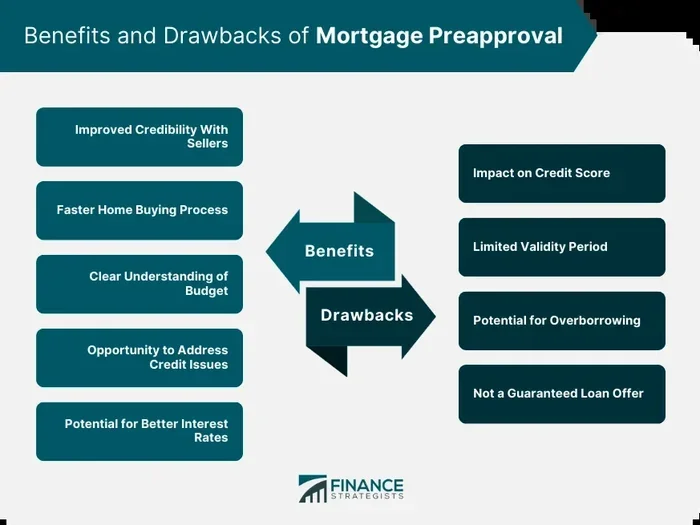
You can take simple steps to keep the credit impact as low as possible. The biggest lever is timing. Apply for preapproval when you are truly ready to shop for homes. That way, the hard inquiry aligns with your actual buying timeline. You also avoid a stray pull that sits on your credit report for months without purpose. Timing turns a random event into a planned move.
Visual guide about Mortgage preapproval meeting
Image source: financestrategists.com
Another smart move is to batch your applications. Pick a short window and apply to several lenders at once. This uses the rate-shopping protection we discussed. You get multiple loan estimates while the scoring model counts the activity as one hard inquiry. Keep your documents organized so you can move quickly. Pay stubs, tax returns, and bank statements should be ready to go. Speed helps you stay inside the window and compare offers cleanly.
Smart Timing Strategies for Buyers
Timing is everything when you care about your credit score. Here are a few practical strategies. First, finish major credit moves before you apply. Pay down balances and correct credit report errors first. That way, your score is strong before the hard pull happens. Second, avoid opening new credit cards or auto loans right before preapproval. Each new account adds its own hard inquiry and can change your debt-to-income ratio. Third, cluster your mortgage applications within the rate-shopping window. That keeps the credit impact tight and predictable.
Also think about your home search rhythm. If you are just browsing listings, you do not need preapproval yet. Wait until you are ready to tour seriously and make offers. That prevents an unnecessary credit check. When you do apply, tell lenders you are shopping around. They understand. Many will even help you compare terms. Clear communication keeps the process smooth and your credit health protected.
Quick Tips to Protect Your Score
- Check your own credit first: Review your credit report for errors before any lender does. Fixing mistakes early can lift your score before the hard pull.
- Lower your balances: High credit utilization can hurt your score more than a single mortgage inquiry. Paying down cards helps more than you might think.
- Avoid new debt: Do not open new accounts right before preapproval. Keep your credit profile stable.
- Batch your applications: Apply to multiple lenders within the rate-shopping window to count as one hard inquiry.
- Ask about soft pulls: Some lenders offer a pre-qualification with a soft inquiry first. Use it to estimate your budget before the hard pull.
Does Preapproval Affect Your Credit Long-Term?
The long-term effect of mortgage preapproval is minimal. The hard inquiry stays on your credit report for two years, but its scoring impact fades much faster. Most models stop counting it heavily after a few months. Your credit score typically recovers quickly, especially if you keep balances low and payments on time. The inquiry itself becomes a minor footnote in your credit history.
What matters more is what happens after preapproval. If you open the mortgage and make on-time payments, your credit score can improve over time. A mortgage account adds variety to your credit mix and builds a strong payment record. That is a positive long-term force. The small, temporary dip from the preapproval check is tiny compared with the steady benefit of responsible homeownership. In other words, the short-term cost is small, and the long-term potential is large.
What Happens After You Close the Loan
After you close, the mortgage inquiry is just one line on your credit report. It does not keep hurting your score month after month. The new mortgage account becomes the bigger factor. At first, a new loan can cause a small fluctuation as your credit profile adjusts. That is normal. Over time, steady payments build trust with scoring models. Your payment history grows, and your credit mix strengthens.
Keep an eye on your credit utilization after closing too. Some buyers use their cards more after buying a home. Try to keep balances low relative to limits. That habit protects your credit score in the long run. The preapproval moment is a blip. Your daily habits write the real story. Good habits turn a small dip into a strong, resilient credit profile.
Common Mistakes That Can Hurt Your Credit More Than Preapproval
Sometimes the preapproval itself is not the problem. Other habits around it can cause more damage. One common mistake is applying for several credit cards while shopping for a home. Each card application adds a separate hard inquiry and can lower your score more than the mortgage pull. Another mistake is letting credit utilization spike. Maxing out cards before preapproval can drop your score far more than the mortgage inquiry ever would.
A third mistake is spreading mortgage applications over many months. That can create multiple scoring events instead of one bundled group. You lose the rate-shopping protection and stack small dips. A fourth mistake is ignoring credit report errors. A wrong late payment or account can hurt your score more than the preapproval check. Fixing errors before you apply often does more good than worrying about the hard pull.
Expert Insights: What Lenders Look At Beyond the Score
Your credit score is important, but it is not the whole story. Lenders also review your debt-to-income ratio, employment stability, and asset documentation. They want to see that you can handle the monthly payment comfortably. A small credit score dip from preapproval rarely changes your eligibility. What matters more is the overall picture. Strong income, steady job history, and reasonable debt levels often matter just as much as the number.
Lenders also look at recent credit inquiries to understand your behavior. A cluster of mortgage inquiries in a short window is normal. A cluster of credit card inquiries might raise questions. That is why it helps to keep your credit activity focused. Avoid random new accounts while you are in mortgage shopping mode. A clean, focused profile makes the lender’s job easier and keeps your credit score steady.
Key Takeaways for Smart Homebuyers
Let us tie it all together. Does getting preapproved for a mortgage hurt credit? Yes, but only a little and only for a short time. A single hard inquiry may drop your score by a few points. Multiple mortgage applications within a short window usually count as one. The impact fades quickly, and your credit score often recovers within months. The real long-term story depends on your habits after closing. On-time payments and low balances build a stronger credit profile over time.
Use pre-qualification first if you want a no-impact estimate. Move to preapproval when you are ready to make offers. Batch your applications inside the rate-shopping window. Fix credit report errors and lower card balances before you apply. Avoid new debt and random card applications during your home search. These steps keep the credit impact small and your buying power strong. A tiny, temporary dip is a fair price for better rates and serious seller attention.
You do not need to fear the preapproval check. You just need a plan. Time it right, shop smart, and keep your credit health steady. That is how you turn a small hard pull into a big step forward. Your future self will thank you when you hold the keys to a home you can truly afford.
Frequently Asked Questions
Does getting preapproved for a mortgage hurt credit score?
Yes, but only slightly. A mortgage preapproval usually triggers a hard inquiry that may drop your credit score by a few points. The effect is temporary and fades as the inquiry ages.
How long does a mortgage preapproval stay on your credit report?
A hard inquiry from preapproval stays on your credit report for two years. However, its impact on your credit score usually becomes minor after a few months.
Will multiple mortgage preapprovals hurt my credit more?
Not if you apply within a short window. Scoring models typically bundle several mortgage inquiries into one event during rate shopping. That means the credit impact stays small when you compare lenders quickly.
Does pre-qualification affect credit like preapproval does?
Usually not. Pre-qualification often uses a soft inquiry, which does not affect your credit score. Preapproval typically requires a hard pull, so it may cause a small, temporary dip.
Should I wait to get preapproved until my credit is perfect?
You do not need perfect credit to get preapproved. It is smart to fix obvious credit report errors and lower card balances first. Still, a small hard inquiry is usually worth it when you are ready to shop for homes.
Can I improve my credit after preapproval but before closing?
Yes. Paying down balances and avoiding new debt can help your credit score before closing. Just keep your credit activity stable so your debt-to-income ratio and score stay consistent for the lender.
