
Dash Diet meal prep for busy cooks is a practical way to eat heart-healthy food without spending hours in the kitchen. By planning ahead, you can enjoy balanced meals that lower blood pressure and support overall wellness. This guide shows you how to batch cook, store ingredients safely, and keep your week simple. You will learn quick recipes, smart shopping habits, and time-saving tricks that fit real life. Start prepping today and feel the difference in your energy and health.
Dash Diet meal prep for busy cooks changes the way you think about healthy eating. You do not need hours of free time or fancy kitchen skills. You just need a clear plan, a few smart shortcuts, and a willingness to keep things simple. The DASH approach focuses on foods that support heart health, steady energy, and better blood pressure control. When you combine that approach with meal prep, you get a routine that fits real life.
Many people skip healthy eating because they feel too busy. Work runs long. Kids need rides. The fridge looks empty by Wednesday. Meal prep solves that problem by giving you ready-to-eat options before the week even starts. You cook once, portion well, and grab what you need during busy days. That means fewer takeout orders, less stress, and more control over what goes into your body.
This guide walks you through a practical system. You will learn how to plan, shop, cook, store, and rotate meals without feeling overwhelmed. The goal is not perfection. The goal is consistency. Small, repeatable habits beat dramatic changes every time. Let us build a routine that works for your schedule and your health.
Key Takeaways
- Plan once, eat all week: Spending one hour on the weekend saves daily cooking stress.
- Focus on whole foods: Fresh vegetables, fruits, lean proteins, and low-fat dairy form the core of the plan.
- Batch cook smart: Cook grains, beans, and roasted vegetables in large portions to mix and match.
- Keep sodium low: Use herbs, spices, citrus, and vinegar instead of salt for big flavor.
- Store safely: Use airtight containers, label dates, and follow proper fridge and freezer rules.
- Stay flexible: Swap ingredients based on season, budget, and personal taste to keep meals enjoyable.
- Track progress: Notice energy, digestion, and blood pressure changes to stay motivated.
📑 Table of Contents
- What Makes Dash Diet Meal Prep for Busy Cooks Different
- Smart Planning for Dash Diet Meal Prep for Busy Cooks
- Grocery Shopping Made Easy for Dash Diet Meal Prep for Busy Cooks
- Batch Cooking Strategies for Dash Diet Meal Prep for Busy Cooks
- Storage, Safety, and Organization for Dash Diet Meal Prep for Busy Cooks
- Quick Recipes and Assembly Ideas for Dash Diet Meal Prep for Busy Cooks
- Common Mistakes and How to Avoid Them
- Expert Insights and Final Thoughts
What Makes Dash Diet Meal Prep for Busy Cooks Different
The DASH eating pattern stands out because it is simple, balanced, and research-backed. It emphasizes vegetables, fruits, whole grains, lean proteins, nuts, seeds, and low-fat dairy. It also limits added salt, sugary drinks, and highly processed foods. That combination supports heart health and helps many people manage blood pressure more effectively.
Meal prep fits this style beautifully. You can cook large batches of brown rice, quinoa, beans, and roasted vegetables. Then you mix those base ingredients with different sauces, spices, and toppings. One cooking session creates many meals. That is the real advantage for busy cooks. You spend less time deciding what to eat and more time actually living your life.
Why This Approach Works for Real Schedules
Busy cooks need flexibility. A rigid plan breaks down fast when life gets messy. Dash Diet meal prep for busy cooks works because it focuses on building blocks, not tiny details. You prepare staples that can become salads, bowls, wraps, soups, or quick stir-fries. That flexibility keeps you from throwing away food or ordering pizza just because you are tired.
This method also reduces decision fatigue. When you already have chopped vegetables, cooked grains, and portioned protein ready, dinner becomes easy. You just assemble. That saves mental energy for work, family, and rest. Over time, those small wins add up to better habits and better health.
Core Principles to Keep in Mind
A good prep routine starts with a few clear rules. Keep the ingredient list simple. Choose foods you actually enjoy. Make portions that match your appetite. And do not try to prep every single meal unless you truly want to. Even prepping three or four dinners a week can make a huge difference.
Another important principle is balance. A plate built around vegetables, whole grains, and lean protein keeps you full longer. Adding healthy fats in moderation helps flavor and satisfaction. The DASH style is not about starvation. It is about steady, nourishing choices that feel sustainable.
Smart Planning for Dash Diet Meal Prep for Busy Cooks
Planning is where the magic starts. Before you touch a pan, decide what you need for the week. Look at your calendar. Count how many meals you actually need. Then choose a few simple recipes that share ingredients. That keeps your shopping list short and your cooking efficient.
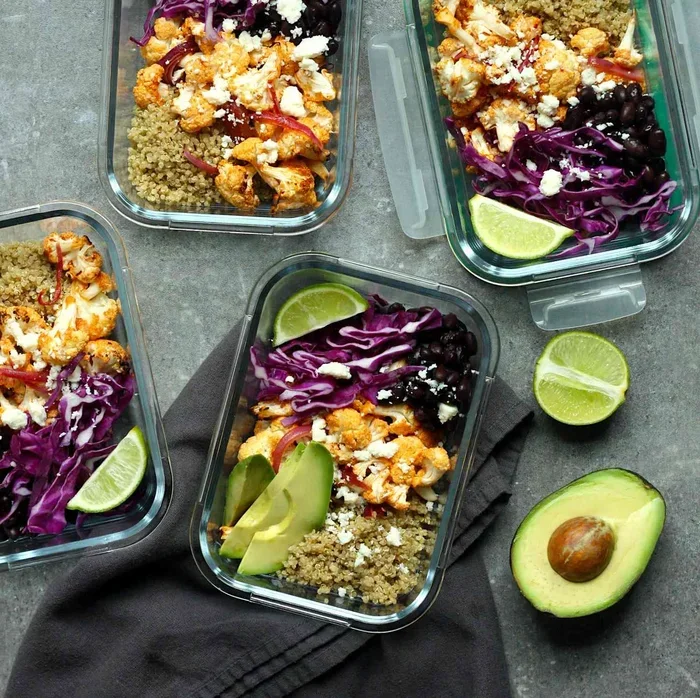
Visual guide about healthy dash diet meal prep
Image source: eatingwell.com
A strong plan usually includes one or two grains, two or three proteins, and a mix of vegetables. For example, you might prepare quinoa, baked chicken, roasted sweet potatoes, and a large tray of seasonal vegetables. From there, you can build lunch bowls, quick dinners, and easy side dishes. The goal is variety without chaos.
Build a Simple Weekly Template
Templates save time because they remove guesswork. You can create a basic structure like this:
- Breakfast: Oatmeal, yogurt with fruit, or eggs with whole-grain toast
- Lunch: Grain bowls with vegetables, beans, and a light dressing
- Dinner: Roasted protein, steamed greens, and a starch like brown rice or potatoes
- Snacks: Fruit, unsalted nuts, hummus, or low-fat dairy options
This kind of template keeps your prep focused. You are not trying to invent ten completely different meals. You are repeating smart patterns with small changes. That is much easier to maintain.
Choose Ingredients That Do Double Duty
Ingredients that work in multiple meals are a busy cook best friend. A bag of spinach can go into salads, soups, eggs, or grain bowls. Chickpeas can be roasted, tossed into salads, or blended into a dip. Apples can be eaten raw, baked, or added to oatmeal. When one ingredient serves several purposes, you waste less and save more.
It also helps to think in colors and textures. Different vegetables bring different flavors and nutrients. Carrots add sweetness. Broccoli adds crunch. Tomatoes add brightness. Mixing them keeps meals interesting even when the base ingredients stay the same.
Grocery Shopping Made Easy for Dash Diet Meal Prep for Busy Cooks
A good shopping list turns prep from stressful to smooth. Start with your planned meals, then write down only what you need. Group items by store sections so you can move through the market quickly. Produce first, then proteins, then grains, then pantry items. That order keeps you organized and reduces backtracking.
Try to shop for foods that are fresh, simple, and affordable. Seasonal produce often costs less and tastes better. Whole foods also tend to fit the DASH style more naturally than heavily packaged products. Reading labels matters too, especially when it comes to sodium and added sugars.
Shop With Purpose, Not Impulse
Impulse buys can derail a prep plan fast. Hunger, sales, and colorful packaging all make it easier to grab things you do not really need. A helpful trick is to eat before shopping and stick to your list. If something looks tempting, ask yourself whether it fits your weekly plan.
Another useful habit is to keep a running list on your phone. When you notice you are low on olive oil, unsalted nuts, or frozen vegetables, add it right away. That way, you never start prep week wondering what to buy.
Read Labels With a Simple Checklist
Label reading does not have to be complicated. Focus on a few key points:
- Sodium: Choose lower-sodium options when possible
- Added sugar: Keep sweetened snacks and drinks to a minimum
- Ingredients: Shorter lists usually mean less processing
- Serving size: Check how much the label actually covers
This quick scan helps you stay aligned with your goals without turning grocery shopping into a research project.
Batch Cooking Strategies for Dash Diet Meal Prep for Busy Cooks
Batch cooking is the engine behind successful prep. The idea is simple: cook larger amounts of dependable staples, then use them in different ways throughout the week. This saves time and makes healthy eating much more realistic. The best part is that you do not need to master complicated recipes. You just need a few reliable methods.
Roasting, simmering, and sheet-pan cooking are all great options. Roasting vegetables brings out natural sweetness. Simmering beans or grains creates a steady base for many meals. Sheet-pan meals let you cook protein and vegetables together with minimal cleanup. These methods are friendly to busy schedules because they do not demand constant attention.
Use a Two-Step Cooking Flow
A simple flow keeps prep from becoming overwhelming. First, cook your long-lead items. That usually means grains, beans, and larger cuts of protein. While those cook, chop vegetables, make dressings, and prepare any snacks you want on hand. This parallel approach uses your time well.
Second, portion everything as soon as it cools. Divide meals into containers that match your appetite. If you like variety, keep some ingredients separate and mix them later. If you prefer convenience, assemble full meals in advance. Both approaches work. Choose the one that matches your style.
Keep Flavor High Without Adding Salt
One common worry is that low-sodium meals will taste bland. They do not have to. Herbs, spices, garlic, onion, citrus juice, vinegar, and pepper can create bold flavor without relying on salt. A little olive oil, mustard, or tahini can also add richness. Taste as you go and adjust gradually.
It helps to build a small flavor toolkit. Keep items like smoked paprika, cumin, basil, oregano, cinnamon, and fresh herbs on hand. With those basics, you can change the mood of a meal quickly. The same chicken and rice can feel Mediterranean one day and southwestern the next.
Storage, Safety, and Organization for Dash Diet Meal Prep for Busy Cooks
Good storage keeps your effort useful. Food that sits too long or cools improperly loses quality fast. Use clean, airtight containers and let hot food cool before sealing it. Label containers with the date so you know what to eat first. Clear storage also helps you see what you have instead of forgetting items in the back of the fridge.
Organization matters just as much as the containers themselves. Put ready-to-eat meals at eye level. Store snacks where you can reach them easily. Keep raw ingredients separate from prepared food. These small habits reduce waste and make your prep system feel effortless.
Fridge and Freezer Basics
Not every meal needs to live in the refrigerator. Some foods freeze well, especially grains, soups, stews, and cooked beans. Freeze portions you will not eat within a few days. That gives you ready options for future weeks. Just thaw safely and reheat thoroughly.
A simple storage rule is to keep meals for the next three to four days in the fridge and freeze the rest if needed. Use your senses when deciding whether something is still good. If it smells off, looks unusual, or has been stored too long, it is better to be cautious.
Keep Your System Easy to Maintain
A prep system only works if it feels manageable. Start small if you are new to this. Prep two or three dinners first. Then add breakfasts or snacks later. Building gradually helps you learn what you actually use and what sits untouched.
It also helps to keep a few backup options. Frozen vegetables, canned beans, eggs, and whole-grain bread can save a week when your fresh prep runs out. That safety net keeps you from giving up when life gets busy.
Quick Recipes and Assembly Ideas for Dash Diet Meal Prep for Busy Cooks
Recipes do not need to be fancy to be satisfying. The best prep meals are easy to assemble and easy to enjoy. Think of each meal as a combination of a base, a protein, a vegetable, and a flavor boost. Once you understand that formula, you can create many options without much effort.
Here are a few simple ideas to rotate through the week:
- Grain bowl: Brown rice or quinoa, chickpeas, roasted vegetables, and a lemon-herb dressing
- Veggie wrap: Whole-grain tortilla, hummus, spinach, sliced vegetables, and grilled chicken or beans
- Soup batch: Vegetable soup with beans, tomatoes, onions, and herbs, served with whole-grain bread
- Breakfast jar: Oats, low-fat yogurt or milk, fruit, and a small portion of nuts or seeds
- Quick plate: Baked fish or tofu, steamed broccoli, and a small baked potato
Mix and Match for Variety
Variety keeps meal prep enjoyable. You can change the sauce, swap the vegetable, or switch the protein without starting from scratch. One day you might use a tangy yogurt dressing. The next, you might choose a citrus vinaigrette. Small changes make the same base feel new.
You can also adjust portions based on your day. If you have a heavier workout, add a bit more protein or whole grain. If you want something lighter, increase vegetables and reduce the starch. That flexibility makes the plan feel personal instead of rigid.
Time-Saving Shortcuts That Really Help
A few shortcuts can cut your prep time dramatically:
- Buy pre-washed greens if they fit your budget and you will use them quickly
- Use frozen vegetables for fast cooking and less chopping
- Cook extra grains so you have leftovers for the next day
- Make one dressing and use it across several meals
- Keep a cutting board and knife ready to make chopping easier
These small wins reduce friction. When prep feels easier, you are more likely to keep doing it.
Common Mistakes and How to Avoid Them
Even a good plan can run into trouble if you make a few predictable mistakes. The most common one is trying to do too much at once. Overambitious prep often leads to burnout. Start with a realistic amount and build from there.
Another mistake is ignoring taste. If your meals are nutritious but unpleasant, you will not want to eat them. Season well, adjust textures, and include foods you genuinely like. Healthful eating should not feel like punishment.
Mistakes That Waste Time or Food
Some people prep without checking their calendar. Then they end up with more food than they can eat. Others forget to label containers, so older meals get lost behind newer ones. A little organization prevents both problems.
It also helps to avoid buying too many unfamiliar ingredients at once. New recipes are fun, but too much experimentation can slow you down. Stick with mostly familiar foods and add one or two new items each week.
Quick Fixes for Busy Weeks
When your schedule gets tight, simplify instead of quitting. Use fewer ingredients. Choose one-pan meals. Rely on frozen produce. Keep snacks ready so you do not skip meals or grab something overly processed. The goal is to stay on track, not to be perfect.
If you miss a prep day, do not treat the whole week as ruined. Reset with a small shopping trip or a quick cook session. Consistency matters more than a flawless routine.
Expert Insights and Final Thoughts
Nutrition experts often stress that the best eating pattern is the one you can maintain. That is why Dash Diet meal prep for busy cooks is so useful. It turns healthy choices into a routine instead of a daily struggle. You spend a little time planning, and the rest of the week becomes easier.
The most successful prep systems are simple, flexible, and enjoyable. They use ingredients you like. They fit your real schedule. They leave room for changes. When you approach meal prep this way, it becomes a tool for better health, less stress, and more freedom during busy days.
Start with one small step. Pick a grain, a protein, and a couple of vegetables. Cook them once. Portion them well. Then notice how much smoother your week feels. Over time, those small steps can become a habit that supports your health and your schedule in a very real way.
Frequently Asked Questions
What is Dash Diet meal prep for busy cooks?
It is a simple planning system that helps you prepare heart-healthy meals in advance, so you can eat well even when your schedule is full. The focus is on vegetables, fruits, whole grains, lean proteins, and lower-sodium ingredients.
How much time does meal prep usually take?
It depends on how many meals you make, but many people can prep several dinners in one to two hours. The key is using batch cooking, shared ingredients, and simple recipes to save time.
Can I freeze Dash Diet meals?
Yes, many DASH-friendly meals freeze well, especially soups, stews, beans, and cooked grains. Just store them in airtight containers, label the date, and thaw them safely before reheating.
How do I keep meals flavorful without too much salt?
You can use herbs, spices, garlic, onion, citrus, vinegar, and pepper to build strong flavor. Healthy fats in moderation and ingredients like mustard or tahini can also make meals taste richer.
What are the easiest foods to prep for the week?
Grains, beans, roasted vegetables, eggs, and simple proteins are usually the easiest to batch cook. These foods store well and can be mixed into bowls, salads, wraps, and quick plates.
Do I need to prep every meal to see results?
No, you do not need to prep everything. Even preparing a few meals each week can reduce stress and help you make healthier choices. The best plan is the one you can keep doing consistently.
