
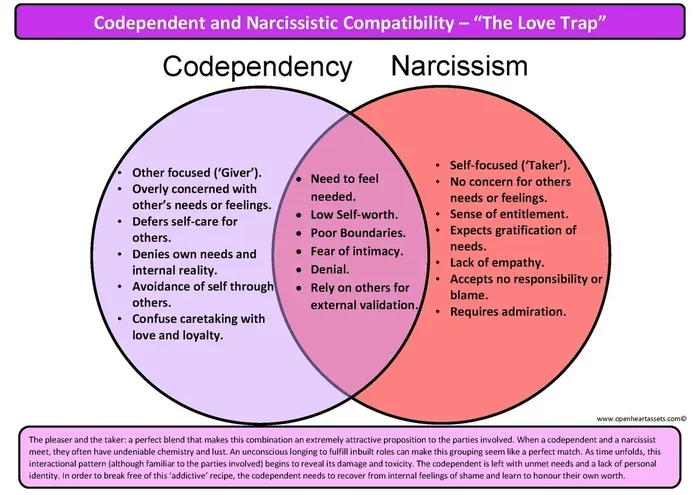
A covert narcissist creates codependency in relationships by using quiet manipulation, guilt, and emotional control to keep you dependent. You may feel confused, drained, and unsure of your own needs. Recognizing the pattern is the first step toward healing. You can rebuild your confidence and set healthy boundaries. This guide explains the signs, the cycle, and practical ways to protect your emotional well-being.
Key Takeaways
- Subtle manipulation is the hallmark: A covert narcissist creates codependency in relationships through passive-aggressive comments, guilt, and silent treatment rather than loud control.
- Emotional exhaustion is common: You may feel drained, confused, or blamed for things you did not cause.
- Self-doubt grows over time: Constant criticism and mixed signals can make you question your own judgment and worth.
- Boundaries get eroded slowly: Small compromises add up until your needs are ignored and your independence shrinks.
- Love bombing and withdrawal cycle: Intense affection followed by distance keeps you chasing approval and staying hooked.
- Recovery is possible: Clear boundaries, support, and self-reflection can help you regain confidence and break the pattern.
- Professional help can speed healing: Therapy and trusted support make it easier to understand the dynamic and move forward.
📑 Table of Contents
- How a Covert Narcissist Creates Codependency in Relationships
- What Makes a Covert Narcissist Different
- The Hidden Cycle of Codependency
- Common Signs You May Be in This Dynamic
- How Manipulation Shows Up in Daily Life
- Why It Feels So Hard to Leave
- Practical Ways to Protect Yourself and Heal
- Expert Insights on Breaking the Pattern
- Quick Tips for Staying Grounded
- Common Mistakes to Avoid
- Final Thoughts
How a Covert Narcissist Creates Codependency in Relationships
Relationships should feel safe, supportive, and balanced. But sometimes one partner slowly takes control in ways that are hard to notice at first. A covert narcissist creates codependency in relationships through quiet tactics that confuse you and keep you close. You may not see the pattern right away. You may even think you are the problem. That is exactly what makes this dynamic so draining.
This article explains what to look for, how the cycle works, and what you can do about it. You will learn how subtle control grows, why it feels so hard to leave, and how to protect your peace. If you have ever felt stuck, guilty, or constantly unsure in love, this guide is for you.
What Makes a Covert Narcissist Different
A covert narcissist is not always obvious. They may seem shy, sensitive, or even self-effacing. They can appear thoughtful and caring on the surface. But underneath, they still want control, admiration, and emotional dominance. The difference is that they use softer methods. Instead of bold demands, they use guilt, sighs, silence, and indirect pressure.
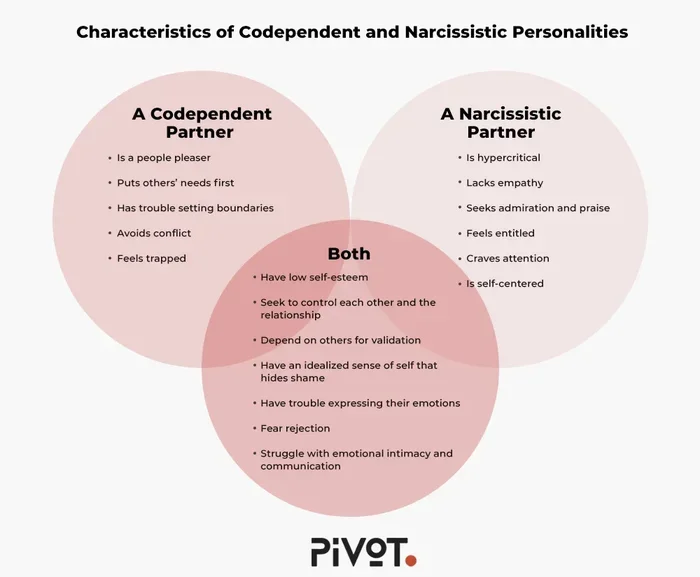
Visual guide about covert narcissist codependency relationship
Image source: lovetopivot.com
The Quiet Need for Control
Control does not always look like shouting. Sometimes it looks like a long pause after you speak. Sometimes it looks like a sad comment such as, “I guess I just bother you.” These moments can make you feel responsible for their mood. Over time, you start adjusting your behavior to avoid upsetting them. That is how a covert narcissist creates codependency in relationships without ever saying, “You must do this.”
Why It Is Hard to Spot
Many people miss the warning signs because the behavior is mixed. The same person may be warm one day and distant the next. They may help you in some moments and withdraw support in others. This inconsistency keeps you off balance. You may keep trying to earn back the good version of them. That hope can keep you tied to the relationship longer than you should.
The Hidden Cycle of Codependency
Codependency grows when your emotional safety becomes tied to another person’s mood. You start monitoring their reactions. You begin to hide your needs. You may even believe that loving them means staying available no matter what. A covert narcissist creates codependency in relationships by making your peace feel conditional.
Visual guide about covert narcissist codependency relationship
Image source: i.ytimg.com
Love, Guilt, and Withdrawal
One common pattern is simple: warmth, then withdrawal, then reassurance. They may show affection, then pull back when you get comfortable. If you ask for clarity, they may act hurt or defensive. That reaction can make you feel guilty for wanting honesty. Soon, you may stop asking for what you need. Instead, you focus on keeping the connection stable.
How the Dynamic Feeds Itself
This cycle can become self-reinforcing. You try harder. They receive more attention. They may feel validated, but not truly connected. You feel more anxious, not more secure. The relationship starts to run on your effort alone. That is a major sign that a covert narcissist creates codependency in relationships by keeping you in a constant state of adjustment.
Common Signs You May Be in This Dynamic
It helps to know the signs early. Codependency rarely appears all at once. It usually builds through small moments that seem harmless on their own. Look for patterns, not isolated incidents. One bad day does not define a relationship. Repeated emotional pressure does.
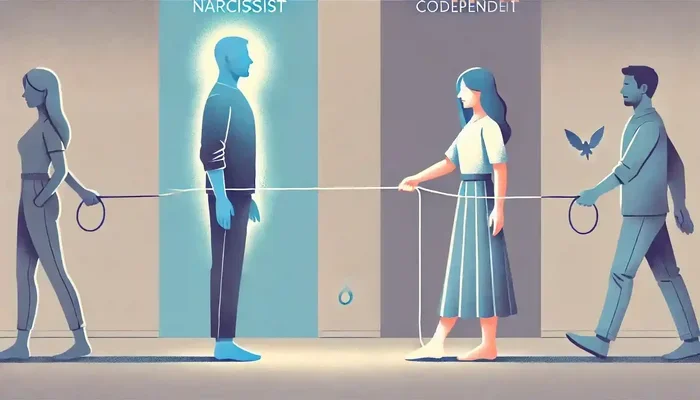
Visual guide about covert narcissist codependency relationship
Image source: media.invisioncic.com
You Feel Responsible for Their Emotions
If you feel like you must manage their mood, pay attention. Love should not require you to carry another adult’s emotional world. If you are constantly apologizing for things that are not your fault, something is off. A covert narcissist creates codependency in relationships by making you feel accountable for their happiness.
You Second-Guess Yourself Often
Do you replay conversations in your head? Do you wonder if you said the wrong thing? That kind of self-doubt can become exhausting. It may feel safer to stay quiet than to risk a reaction. Over time, your confidence can shrink. You may stop trusting your own instincts.
Your Needs Feel Secondary
Healthy relationships include mutual care. If your needs are always postponed, minimized, or turned back on you, that is not balance. You may hear things like, “You are too sensitive,” or “I was just joking.” These responses can make you doubt your feelings instead of addressing the issue.
How Manipulation Shows Up in Daily Life
Manipulation is often subtle. It can hide inside ordinary conversations. It may sound like concern. It may feel like disappointment. The goal is often to influence your choices without obvious force. Once you notice the pattern, it becomes easier to name it.
Passive-Aggressive Comments
These comments can sting because they are indirect. They may frame control as worry or disappointment. For example, they might say they are “just trying to help” when they are really criticizing your choice. That can make you feel ungrateful for having your own opinion.
Silent Treatment and Withholding
Silence can be powerful. When a partner withdraws communication after a disagreement, it can feel like punishment. You may end up chasing resolution even when you are not wrong. That pressure can teach you to avoid conflict by giving in.
Victim Framing
Sometimes the story is always about their pain. If every conflict becomes about how hurt they are, your perspective may get lost. You may end up comforting them instead of solving the problem. A covert narcissist creates codependency in relationships by shifting the focus away from mutual responsibility.
Why It Feels So Hard to Leave
Leaving a controlling dynamic is rarely simple. It is not just about logic. It is about emotion, habit, and hope. You may care about the person. You may also fear the unknown. You may worry that you are overreacting. All of that can keep you stuck.
Hope for the “Real” Them
Many people hold on because they remember good moments. Those moments are real, but they do not erase harmful patterns. A relationship is defined by what happens most of the time, not only by the best moments. If the overall pattern leaves you anxious or diminished, it is worth taking seriously.
Fear of Being Alone or Wrong
Doubt can be a powerful trap. You may fear that leaving means failure. You may fear that no one else will understand your situation. You may even wonder if you caused the problems. Those thoughts can make you stay longer than is healthy.
Emotional Dependency Grows Quietly
When your daily rhythm revolves around another person’s reactions, independence can fade. You may stop making decisions without checking their mood first. That is one reason a covert narcissist creates codependency in relationships so effectively. The dependency is built through repetition, not one big event.
Practical Ways to Protect Yourself and Heal
You do not have to stay confused or drained. Healing starts with clarity. You can begin by noticing what is happening, naming it honestly, and making small changes that protect your energy. Recovery does not have to be dramatic. It can be steady and practical.
Reconnect With Your Own Needs
Start by asking simple questions. What do I need right now? What feels true to me? What am I avoiding because I fear a reaction? These questions help you return to your own inner voice. The more you practice listening to yourself, the less power confusion has over you.
Set Clear, Calm Boundaries
Boundaries are not punishments. They are limits that protect your well-being. You can say, “I am not comfortable with that,” or “I need some time to think.” You do not need to argue every point. You only need to hold your line with calm consistency.
Reduce the Emotional Chase
If affection only comes after you appease someone, step back. Do not keep performing for approval. Give yourself permission to respond instead of over-functioning. This can feel uncomfortable at first, but it breaks the cycle of chasing validation.
Build Outside Support
Talk to people who reflect reality back to you. A trusted friend, mentor, or counselor can help you see patterns more clearly. Support matters because isolation makes manipulation stronger. When you have other perspectives, you are less likely to lose yourself in one person’s narrative.
Focus on Small Daily Wins
Healing is often built through ordinary choices. You can choose rest over rumination. You can choose honesty over appeasement. You can choose to spend time with people who make you feel steady. These small actions rebuild confidence over time.
Expert Insights on Breaking the Pattern
Experts often say that clarity comes before change. You need to understand the dynamic before you can step out of it. That means paying attention to repetition, not just intention. A person may not admit they are manipulating you, but the impact still matters. Your experience is valid even if the behavior is subtle.
What Helps Most
The most helpful step is usually reality-testing. Write down what happens. Notice how often you feel confused, blamed, or pressured. Patterns become clearer on paper. You can also notice what happens when you stop over-giving. Do they step up, or do they escalate control? Their response tells you a lot.
When to Seek Extra Help
If you feel trapped, anxious, or emotionally unsafe, support can be essential. A therapist or counselor can help you sort out what is happening and what you want next. You do not have to handle this alone. Asking for help is a sign of strength, not weakness.
Quick Tips for Staying Grounded
- Keep a simple journal of patterns, not just feelings.
- Pause before responding to guilt or pressure.
- Remind yourself that your needs are legitimate.
- Spend time with people who respect your boundaries.
- Notice whether the relationship feels calmer when you stop over-accommodating.
- Trust repeated behavior more than occasional sweet words.
Common Mistakes to Avoid
- Trying to fix the other person instead of protecting yourself.
- Ignoring repeated patterns because the relationship has good moments.
- Explaining your boundaries too much, which can invite debate.
- Isolating yourself when you need outside perspective most.
- Blaming yourself for another adult’s emotional reactions.
- Waiting for perfect certainty before making a healthy change.
Final Thoughts
A covert narcissist creates codependency in relationships by making control feel like care and dependency feel like love. That is why it can be so confusing. You may care deeply and still feel worn down. You may want closeness and still feel unsafe. Those feelings can exist at the same time. What matters is the overall pattern and how it affects your life.
You deserve a relationship that does not require you to shrink yourself. You deserve peace, respect, and honest connection. If this dynamic sounds familiar, you are not imagining it. Start with awareness. Then take one small step toward your own stability. Clear boundaries, trusted support, and self-trust can help you move forward. Healing may not happen overnight, but it does begin when you stop blaming yourself for the dynamic and start protecting your well-being.
Frequently Asked Questions
What does a covert narcissist look like in a relationship?
A covert narcissist often seems sensitive, quiet, or self-effacing, but still seeks control and emotional dominance. They may use guilt, silence, and indirect criticism instead of open aggression. Over time, this can leave you feeling confused, responsible for their mood, and unsure of your own needs.
How does a covert narcissist create codependency?
A covert narcissist creates codependency in relationships by making your emotional safety depend on their reactions. They may withdraw affection, frame your needs as selfish, or act hurt when you set limits. This encourages you to keep adjusting your behavior to maintain peace and approval.
What are the early signs of codependency in love?
Early signs include feeling overly responsible for your partner’s emotions, second-guessing yourself often, and noticing that your needs are repeatedly minimized. You may also find yourself apologizing frequently or avoiding honest conversations to prevent conflict. These patterns can slowly erode your confidence.
Why is it so hard to leave this kind of relationship?
Leaving is hard because the dynamic mixes hope, fear, and emotional habit. You may remember good moments, worry you are overreacting, or fear being alone. The dependency often grows quietly through repetition, which makes the bond feel normal even when it is draining.
Can you recover from a relationship with a covert narcissist?
Yes, recovery is possible with time, support, and consistent self-care. Rebuilding confidence usually starts with recognizing the pattern, setting boundaries, and reconnecting with your own needs. Outside support from trusted people or a therapist can make the process much easier.
What should I do if I think I am being manipulated?
Start by naming what is happening and paying attention to repeated patterns instead of isolated apologies. Reduce over-giving, keep your boundaries simple and calm, and talk to someone who can reflect reality back to you. If you feel unsafe or overwhelmed, seeking professional support is a wise next step.
