
Using olive oil as lube might seem like a convenient solution, but it carries significant risks for your sexual health. While it feels smooth, olive oil can disrupt vaginal pH, cause irritation, and degrade latex condoms. Understanding safe lubrication options helps you avoid discomfort and protect your intimate wellness.
Key Takeaways
- Olive oil is not ideal for internal use: It can disrupt natural pH balance and cause irritation.
- Latex condom compatibility is poor: Olive oil breaks down latex, increasing breakage risk.
- Infection risk increases: Oil-based products may trap bacteria and promote yeast growth.
- Skin sensitivity varies: Some people experience allergic reactions or clogged pores.
- Water-based lubes are safer: They are condom-safe and gentle on sensitive tissue.
- Silicone-based options last longer: They offer lasting glide without absorption issues.
- Consult a professional if unsure: A healthcare provider can recommend the best option for your body.
📑 Table of Contents
- Introduction
- Why People Consider Olive Oil as a Lubricant
- How Olive Oil Interacts With Sensitive Tissue
- Condom Safety and Birth Control Concerns
- Infection Risk and Long-Term Comfort
- Better Lubricant Options for Different Needs
- How to Choose the Right Lubricant
- Common Mistakes People Make With Lubricants
- Expert Insights and Best Practices
- Key Takeaways for Safer Choices
Introduction
Many people ask can you use olive oil as lube when they need a quick solution at home. It feels natural, smooth, and easy to find in most kitchens. That convenience makes it tempting to try.
However, intimate health deserves careful attention. What feels comfortable in the moment might cause problems later. Understanding how olive oil interacts with sensitive tissue helps you make safer choices.
This guide breaks down the facts in simple language. You will learn why olive oil can cause issues, what safer alternatives exist, and how to pick the right lubricant for your needs.
Why People Consider Olive Oil as a Lubricant
Olive oil has a reputation for being gentle and natural. Many people already use it for skin care, hair care, and cooking. Because it feels smooth and slippery, it seems like a logical option for intimacy.

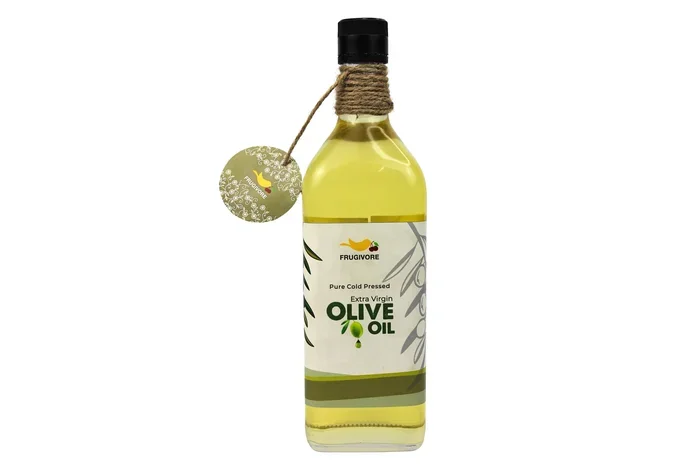
Visual guide about natural olive oil bottle
Image source: berlinpackagingapac.cn
Another reason people try it is convenience. Not everyone keeps a personal lubricant in the bathroom cabinet. When the moment arrives, kitchen oils can feel like the easiest answer. Olive oil also has a rich texture that some people enjoy because it feels thick and lasting.
Still, convenience does not always mean safety. Your body has delicate balance systems that respond to outside products. What works for your skin on the arm may not work the same way in more sensitive areas.
Natural Feel and Familiarity
Olive oil is familiar to most households. That familiarity creates trust. People often assume that if something is safe to eat, it must be safe to use elsewhere. That assumption is not always correct.
The texture of olive oil can feel soothing at first. It reduces friction and creates a slippery surface. For that reason, it may seem to work well during intimacy. But the initial feel does not tell the full story.
Accessibility and Cost
Olive oil is inexpensive and widely available. You do not need a special trip to the store. That makes it attractive for people who want a quick fix. It also feels less clinical than some store-bought products.
Yet accessibility should not override safety. Intimate care products are designed with pH balance, absorption, and condom compatibility in mind. Olive oil was not created for that purpose.
How Olive Oil Interacts With Sensitive Tissue
The body maintains a careful balance in intimate areas. Vaginal tissue, for example, has a specific pH range that supports healthy bacteria. When that balance shifts, discomfort can follow. Olive oil may interfere with that balance.

Visual guide about natural olive oil bottle
Image source: c8.alamy.com
Oil-based products can linger longer than water-based options. That lingering effect can trap moisture and create an environment where irritation develops. Some people may notice itching, redness, or a change in normal discharge.
Skin sensitivity also matters. Even if olive oil is mild for one person, another person may react differently. Allergic responses and sensitivity reactions can happen with any natural product.
pH Balance and Microbiome Health
Healthy intimate tissue depends on a stable environment. The natural microbiome helps protect against unwanted bacteria and yeast. When oil coats the area for too long, it may disrupt that protection.
Disruption does not always cause immediate symptoms. Sometimes the issue appears later as discomfort or infection. That delayed effect makes it easy to miss the connection.
Moisture, Absorption, and Irritation
Olive oil does not absorb quickly like some personal lubricants. It can leave a film behind. That film may feel smooth at first, but it can become uncomfortable over time.
Trapped moisture and oil residue can lead to chafing or itching. If the skin is already sensitive, the risk increases. People with reactive skin should be especially cautious.
Condom Safety and Birth Control Concerns
One of the biggest concerns with olive oil is condom compatibility. Latex condoms can weaken when exposed to oil-based products. That weakness may increase the chance of breakage or slippage.

Visual guide about natural olive oil bottle
Image source: berlinpackagingapac.cn
If you rely on condoms for pregnancy prevention or protection against infections, this matters a lot. A lubricant should support safety, not reduce it. Olive oil may create more risk than comfort in that situation.
Non-latex options exist, but not everyone uses them. If you are unsure about your condom material, it is safer to choose a lubricant that is explicitly condom-safe.
Latex Breakdown and Effectiveness
Latex is sensitive to oils. Even a small amount of olive oil can affect its strength over time. During intimacy, that reduced strength may lead to problems.
Breakage is not the only concern. Slippage can also happen if the oil changes how the condom fits or feels. Both issues reduce protection.
When Oil-Based Products May Be Acceptable
Some people use oil-based products with non-latex condoms or other birth control methods. Even then, the choice should be thoughtful. Not all oils behave the same way, and not all bodies respond the same way.
If you are considering oil-based products, check the condom material first. Read the instructions carefully. When in doubt, choose a product made for sexual wellness.
Infection Risk and Long-Term Comfort
Using olive oil as lube may raise the risk of discomfort or infection for some people. Bacteria and yeast can thrive when the environment changes. That does not mean every person will experience a problem, but the possibility is real.
Repeated use can make the issue more likely. If you use olive oil often, the balance of the area may shift more frequently. Over time, that can lead to recurring irritation.
Comfort should include both immediate feel and long-term health. A lubricant that feels good now but causes problems later is not a good choice overall.
Yeast and Bacterial Concerns
A warm, moist environment can encourage yeast growth. Oil residue may contribute to that condition if it remains on the skin too long. Some people are more prone to yeast imbalance than others.
Bacterial discomfort can also arise when natural protection is disrupted. Signs may include unusual odor, irritation, or changes in discharge. If you notice these changes, stop using the product and pay attention to your body.
Signs You Should Stop Using a Product
Listen to your body if you try a new lubricant. Discomfort is a useful warning sign. Stop use if you notice burning, itching, redness, or unusual irritation.
If symptoms continue, consider speaking with a healthcare provider. Intimate health is important, and small issues are easier to address early.
Better Lubricant Options for Different Needs
If olive oil is not the best choice, what should you use instead? The right lubricant depends on your body, your preferences, and your safety needs. There are several common options that work well for many people.
Water-based lubricants are widely used because they are gentle and easy to clean. They are usually compatible with latex condoms and sensitive tissue. They may need reapplication more often, but they are a safe starting point for many people.
Silicone-based lubricants offer longer-lasting slip. They do not absorb as quickly, so they can feel smooth for a longer period. They are also condom-safe in many cases, though you should still check product instructions.
Water-Based Lubricants
Water-based products are a popular choice because they are simple and versatile. They tend to be easy to wash away and less likely to leave heavy residue. That makes them practical for everyday use.
Look for formulas without unnecessary irritants if you have sensitive skin. Some people prefer fragrance-free options because they reduce the chance of reaction. A gentle formula often works best.
Silicone-Based Lubricants
Silicone lubricants can feel especially smooth and long-lasting. They are useful for longer sessions or for people who want less reapplication. They also work well with many condom types.
The tradeoff is that silicone can be harder to wash off. It may leave a slick film that requires soap and water to remove fully. For some people, that is worth it. For others, water-based is more convenient.
Natural and Sensitive-Skin Choices
Some products are designed for people who want fewer ingredients. These options may focus on gentle formulas and simple ingredients. They can be helpful if your skin reacts easily.
Even natural-sounding products should be checked carefully. “Natural” does not automatically mean safe for intimate use. Always consider compatibility, pH, and your personal sensitivity.
How to Choose the Right Lubricant
Choosing a lubricant is easier when you focus on your needs. Ask yourself a few simple questions. Do you need condom compatibility? Do you have sensitive skin? Do you want something easy to clean, or something long-lasting?
Your answers can guide you toward the best option. A short checklist can help you compare products quickly.
Quick Selection Checklist
- Condom use: Choose a lubricant that is safe for your condom material.
- Sensitivity: Pick fragrance-free, gentle formulas if your skin reacts easily.
- Duration: Decide whether you want quick cleanup or longer-lasting slip.
- Texture: Some people prefer a lighter feel, while others like more thickness.
- Ingredients: Review the label for possible irritants or allergens.
- Purpose: Match the product to intimacy, massage, or other personal needs.
Practical Tips for Safe Use
Start with a small amount and see how your body responds. You can always add more if needed. This approach helps you avoid excess residue and discomfort.
Test new products on a small area first if you have sensitive skin. That simple step can reveal irritation before full use. It is a practical habit that saves trouble later.
Keep your lubricant clean and sealed when not in use. Hygiene matters, especially with products that come into contact with intimate areas.
Common Mistakes People Make With Lubricants
One common mistake is assuming all slippery substances work the same way. They do not. Kitchen oils, lotions, and personal lubricants can behave very differently on sensitive tissue.
Another mistake is ignoring condom compatibility. If protection matters to you, the lubricant should support it. Using the wrong product can reduce effectiveness without obvious warning signs.
People also sometimes choose scented products without checking for irritation. Fragrance can feel pleasant, but it may cause discomfort for sensitive skin. Simpler is often better.
Using Products That Are Not Made for Intimacy
Body lotions, cooking oils, and other household products are not designed for intimate use. They may contain additives, fragrances, or textures that irritate sensitive areas. What feels fine on your hands may not feel fine elsewhere.
It is better to use products created for sexual wellness. These are formulated with comfort and safety in mind.
Ignoring Personal Sensitivity
Everyone’s body is different. A product that works for one person may not work for another. If you notice discomfort, do not push through it. Switch products and pay attention to what your body prefers.
Sensitivity can change over time too. A lubricant that once felt fine might later cause irritation. Stay flexible and adjust as needed.
Expert Insights and Best Practices
Experts generally recommend choosing lubricants that support comfort, hygiene, and safety. That means considering ingredient quality, condom compatibility, and your own body’s response. Simple, well-designed products often work better than improvised solutions.
Good lubrication should reduce friction without creating new problems. If a product causes irritation, it is not doing its job. Comfort and safety should go hand in hand.
It also helps to store products properly and replace them when they expire or become contaminated. Clean habits support better intimate health.
Best Practices for Intimate Comfort
- Use products designed for intimacy: They are made with sensitive tissue in mind.
- Check condom compatibility: Protect your safety before focusing on texture.
- Choose gentle formulas: Fewer irritants usually means less risk of reaction.
- Reapply when needed: Comfort can change during intimacy, so adjust as necessary.
- Clean up after use: Proper cleanup helps prevent residue-related irritation.
- Listen to your body: Discomfort is a signal to change course.
Key Takeaways for Safer Choices
When it comes to can you use olive oil as lube, the safest answer is usually no. Olive oil may feel smooth, but it can create condom problems, disrupt balance, and increase irritation risk. There are better options designed for intimate use.
Water-based and silicone-based lubricants offer more reliable comfort for many people. They are easier to match to your needs, and they are more likely to support safety during intimacy.
The best lubricant is the one that feels good, works with your protection method, and does not cause irritation. A thoughtful choice now can make intimacy more comfortable later.
If you are ever unsure, start with a gentle, condom-safe product and observe how your body responds. Small adjustments can make a big difference in comfort and confidence.
Frequently Asked Questions
Can olive oil be used as a lubricant safely?
Olive oil is not the safest choice for intimate lubrication. It can disrupt natural balance, irritate sensitive tissue, and weaken latex condoms. Safer options are usually better.
Does olive oil damage latex condoms?
Yes, oil-based products can weaken latex condoms and increase the risk of breakage or slippage. If you use latex condoms, it is better to choose a lubricant that is explicitly condom-safe.
What lubricant is best for sensitive skin?
A gentle, fragrance-free, water-based lubricant is often a good starting point for sensitive skin. Silicone-based options can also work well, but you should check the ingredient list and your personal reaction.
Can olive oil cause yeast infections or irritation?
It may contribute to irritation or imbalance for some people, especially if residue lingers on the skin. If you notice itching, redness, or discomfort, stop using the product and monitor your symptoms.
Are natural oils always safe for intimacy?
No, natural does not automatically mean safe for intimate use. Some natural oils can irritate sensitive tissue or interfere with condoms. Always consider compatibility and your body’s response.
How do I choose the right lubricant?
Think about condom use, sensitivity, cleanup, and how long you want the lubrication to last. Water-based products are simple and versatile, while silicone-based products may last longer. Choose the option that matches your needs and feels comfortable.
