
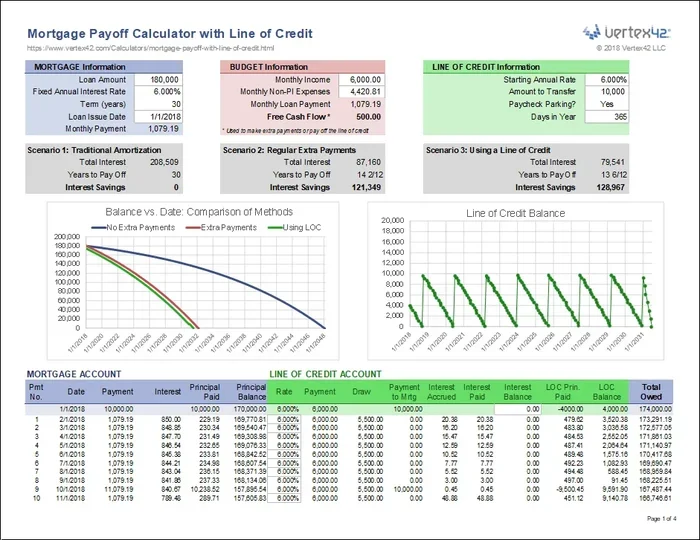
Yes, you can use home equity to pay off your mortgage, but it requires careful planning and the right financial strategy. By tapping into your home’s built-up value through a HELOC or cash-out refinance, you may lower interest costs, shorten your loan term, or consolidate high-interest debt. However, this approach also carries risks like higher monthly payments, closing costs, and the possibility of putting your home at greater financial risk. Understanding your equity position, loan terms, and long-term goals is essential before making this move.
Many homeowners spend years watching their mortgage balance slowly shrink. At the same time, their home value often grows. That growing gap between what you owe and what your house is worth is called home equity. It represents real financial value that you have built over time. The big question many people ask is simple: can you use equity to pay off mortgage balances faster? The short answer is yes. You can tap into that built-up value to reduce or eliminate your home loan. But the process is not as simple as writing a check from a savings account. It involves specific financial products, careful math, and a clear understanding of your long-term goals.
Using equity to pay off a mortgage can make sense in certain situations. Maybe you want to free yourself from monthly payments before retirement. Maybe you are tired of paying high interest over decades. Or maybe you simply want to simplify your finances and own your home outright. The path you choose will depend on your current loan, your credit profile, your income stability, and how much equity you actually have. This guide walks you through the main options, the real costs, and the smartest ways to decide if this strategy fits your life.
Key Takeaways
- Home equity can be accessed through a HELOC, home equity loan, or cash-out refinance to pay down or eliminate your mortgage balance.
- Cash-out refinancing replaces your current mortgage with a new, larger loan, giving you cash to pay off the remaining balance or other debts.
- HELOCs offer flexible borrowing but typically come with variable interest rates that can rise over time.
- Using equity to pay off a mortgage may reduce total interest paid if you secure a lower rate or shorten the repayment timeline.
- Closing costs, fees, and tax implications can eat into the benefits, so always calculate the true cost before proceeding.
- Your home serves as collateral, meaning missed payments could lead to foreclosure, so cash flow stability matters.
- Consulting a financial advisor or mortgage professional helps you compare options and choose the path that aligns with your goals.
📑 Table of Contents
- Understanding Home Equity and Why It Matters
- Can You Use Equity To Pay Off Mortgage Through a Cash-Out Refinance
- Using a HELOC To Pay Down Your Mortgage Faster
- Home Equity Loans as a Structured Alternative
- Smart Strategies To Reduce Your Mortgage Using Equity
- Weighing the Risks Before You Tap Your Home
- Conclusion: Making the Right Call on Your Equity
Understanding Home Equity and Why It Matters
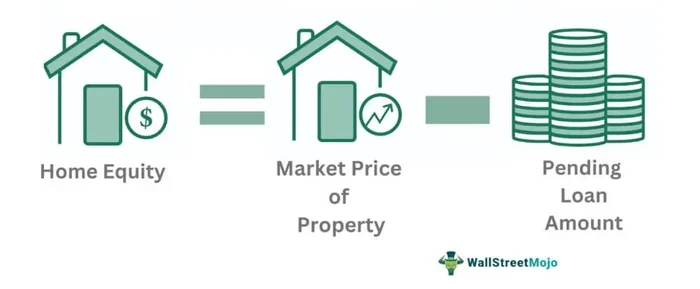
Home equity is the portion of your property that you truly own. You calculate it by taking your home’s current market value and subtracting the remaining balance on your mortgage. If your house is worth $400,000 and you still owe $250,000, your equity is $150,000. That number grows in two main ways. First, you pay down the principal each month. Second, your home may appreciate over time as market values rise.
Equity matters because it gives you financial flexibility. Lenders view it as a form of security. The more equity you have, the more borrowing options may open up. You can sometimes use that value to consolidate debt, fund renovations, or pay off your mortgage faster. However, equity is not cash sitting in your bank account. It is tied to your property. To access it, you usually need to take out a new loan or restructure your existing one. That is why understanding the mechanics is so important before you make any moves.
How Lenders Measure Your Equity Position
Lenders look at your loan-to-value ratio, often called LTV. This ratio compares what you owe to what your home is worth. A lower LTV means you have more equity and often qualifies you for better rates. Most lenders prefer an LTV below eighty percent for second liens or cash-out products. Some programs allow higher ratios, but the terms usually become less favorable. Your credit score, income, and debt-to-income ratio also play a major role in what you can access.
The Difference Between Equity and Cash
It is easy to confuse equity with available cash. Equity is a paper value until you convert it through a financial product. You cannot spend it directly. You must borrow against it or refinance your home to unlock it. That conversion comes with costs. Closing fees, appraisal charges, origination costs, and possible prepayment penalties can reduce the benefit. Always compare the true net amount you would receive against the total cost of the new loan.
Can You Use Equity To Pay Off Mortgage Through a Cash-Out Refinance
A cash-out refinance is one of the most common ways to access home equity. With this option, you replace your current mortgage with a new, larger loan. The new loan pays off your existing balance, and you receive the difference in cash. You can then use that cash to pay off the remaining mortgage balance, other debts, or both. In effect, you are restructuring your home loan to match your current financial goals.
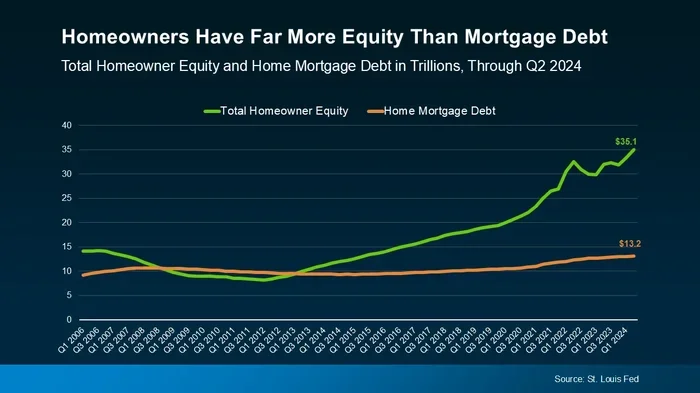
Visual guide about home equity mortgage payoff
Image source: files.keepingcurrentmatters.com
This approach can work well when interest rates have dropped since you first bought your home. A lower rate on a larger loan may still save you money compared to your old mortgage. It can also simplify your finances by combining everything into one payment. However, a cash-out refinance resets your loan term. If you are halfway through a thirty-year mortgage and you refinance into a new thirty-year loan, you may end up paying interest for many more years. That is why the math matters more than the convenience.
When a Cash-Out Refinance Makes Sense
This strategy often makes sense when you plan to stay in your home for a long time. The closing costs are easier to absorb over a longer horizon. It also works when you can secure a meaningfully lower interest rate. Even a small rate drop can create real savings over decades. Another good scenario is when you want to consolidate high-interest debt into a single, lower-rate payment. Just remember that your home becomes the collateral for all of that debt.
Potential Drawbacks to Consider
The biggest drawback is the cost. Closing costs can run into the thousands. If you roll those costs into the loan, you increase your balance and pay interest on the fees. Another risk is extending your repayment timeline. A longer term can lower your monthly payment, but it may increase the total interest you pay over the life of the loan. Also, if rates have risen, a cash-out refinance may not be advantageous at all. Always run the numbers both ways before you commit.
Using a HELOC To Pay Down Your Mortgage Faster
A home equity line of credit, or HELOC, works more like a credit card tied to your home. You get a credit limit based on your equity, and you can draw from it as needed during a set period. Many homeowners use a HELOC to make extra principal payments on their mortgage. The goal is to reduce the balance faster and save on interest over time. This method does not replace your mortgage. It supplements it.
Visual guide about home equity mortgage payoff
Image source: wallstreetmojo.com
HELOCs usually have two phases. The first is the draw period, when you can borrow and often make interest-only payments. The second is the repayment period, when you must pay back both principal and interest. Because the rate is often variable, your monthly payment can change as market rates move. That flexibility can be helpful, but it also adds uncertainty. If rates climb, your payment may rise even if your mortgage balance stays the same.
How a HELOC Can Accelerate Payoff
One smart use of a HELOC is to attack the principal strategically. You draw only what you need, apply it directly to the mortgage, and then focus on paying down the HELOC balance. If your HELOC rate is lower than your mortgage rate, you may save money on the difference. Even when the rates are similar, the real benefit comes from reducing the principal sooner. Less principal means less interest accruing each month. Over time, that can shave years off your loan.
Risks and Best Practices
The main risk is variable interest rates. A rising rate environment can make the HELOC more expensive than expected. Another risk is treating the line of credit like free money. If you keep drawing for everyday expenses, you may end up deeper in debt. Best practices include setting a clear payoff plan, avoiding unnecessary draws, and keeping an emergency fund separate. Treat the HELOC as a tool, not a lifestyle upgrade.
Home Equity Loans as a Structured Alternative
A home equity loan is a second mortgage with a fixed amount and a fixed repayment schedule. You receive the money in a lump sum and make steady monthly payments over a set term. This option offers predictability. Your rate usually stays the same, and your payment does not fluctuate with market changes. For homeowners who dislike uncertainty, this can feel much safer than a HELOC.
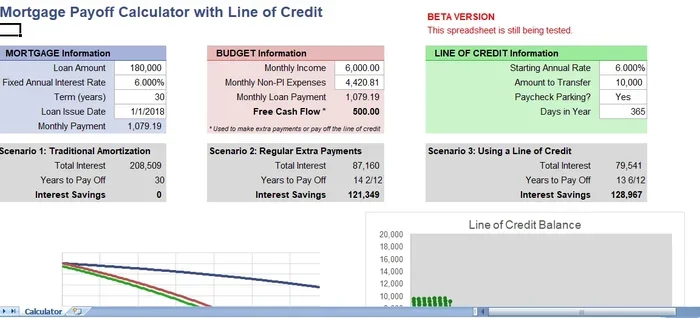
Visual guide about home equity mortgage payoff
Image source: xlsxtemplates.com
People sometimes use a home equity loan to pay off part of their mortgage or to consolidate other debts. The structure is simple. You know exactly how much you borrowed, how long you have to repay it, and what the total cost will be. That clarity helps with budgeting. However, you are adding a second monthly payment unless you use the funds to eliminate the first mortgage entirely. That is why this option works best when you have a specific, one-time need and a solid repayment plan.
Comparing Fixed Structure With Flexibility
A home equity loan favors stability. A HELOC favors flexibility. If you want to make a single large principal payment and then move on, a fixed loan may be cleaner. If you expect to make irregular extra payments over several years, a line of credit may suit you better. The right choice depends on your cash flow, your comfort with variable rates, and how disciplined you are with borrowing.
Cost Considerations for Second Liens
Second liens often carry higher rates than first mortgages because they sit behind the primary loan in priority. If foreclosure ever occurred, the first mortgage gets paid first. That extra risk is reflected in the rate. You should also ask about origination fees, annual fees, and early termination charges. Some lenders offer low advertised rates but add costs elsewhere. Read the full disclosure before you sign.
Smart Strategies To Reduce Your Mortgage Using Equity
Accessing equity is only the first step. The real goal is to use that access wisely. A thoughtful plan can help you save money, reduce stress, and move closer to owning your home outright. Here are practical strategies that many homeowners find useful.
- Target the principal directly. Apply equity funds to the mortgage balance, not to new purchases or lifestyle spending.
- Compare total costs, not just rates. Include closing costs, fees, and the expected time you will stay in the home.
- Keep an emergency cushion. Do not drain all your liquidity. Leave room for repairs, job changes, or medical costs.
- Match the tool to your behavior. If you need discipline, a fixed loan may be better. If you want flexibility, a HELOC may fit.
- Track your progress. Review your balance, interest savings, and payoff date regularly so you stay motivated.
Timing Your Move for Maximum Benefit
Timing matters more than many people realize. If you are early in your mortgage, most of your payment goes to interest. Extra principal payments can have a strong effect. If you are near the end of your loan, the remaining balance is smaller, so the benefit of tapping equity may be limited. Also consider your life stage. If you expect income changes, you may want a more conservative approach. If your income is stable and you plan to stay put, you can often afford a more aggressive payoff plan.
Avoiding Common Pitfalls
One common mistake is focusing only on the monthly payment. A lower payment can feel great, but it may hide a longer term or higher total cost. Another mistake is using equity to pay off the mortgage while ignoring higher-rate debts elsewhere. Sometimes it makes more sense to eliminate credit card balances first. A third mistake is underestimating closing costs and fees. Always ask for a written estimate and compare the net benefit. A careful review prevents unpleasant surprises later.
Weighing the Risks Before You Tap Your Home
Your home is likely your largest asset. Using it to pay off a mortgage can be a powerful move, but it also increases your exposure. When you borrow against your house, you are putting more debt on the property. If your income drops or unexpected expenses arise, the payment burden can become stressful. That is why risk assessment should come before action.
Another important risk is the possibility of higher costs over time. Variable rates can rise. Closing costs can erode savings. A longer loan term can increase total interest. Even a well-intentioned plan can backfire if the math is off or your circumstances change. The safest path is to model several scenarios. Look at best-case, worst-case, and most-likely outcomes. If the plan still makes sense across those scenarios, you are on stronger ground.
When Using Equity May Not Be the Best Choice
There are times when tapping equity is not the smartest move. If your rate is already very low, replacing it may not help. If you plan to move soon, closing costs may outweigh the benefit. If your income is unstable, adding debt to your home could create pressure. If you have not addressed spending habits or budget gaps, you may end up borrowing again after paying down the mortgage. In those cases, building savings and improving cash flow may be the better first step.
Protecting Your Long-Term Financial Health
A good rule is to keep your housing costs manageable relative to your income. Even if you love the idea of a paid-off home, you still need flexibility for repairs, taxes, insurance, and daily living expenses. Paying off a mortgage is a worthy goal, but it should not leave you cash-poor or fragile. Balance is the key. Use equity as part of a broader plan that includes savings, retirement contributions, and a realistic budget.
Conclusion: Making the Right Call on Your Equity
So, can you use equity to pay off mortgage balances and move closer to debt freedom? Yes, you can. Home equity gives you access to real financial leverage, and products like cash-out refinances, HELOCs, and home equity loans can help you put that value to work. The right choice depends on your rate environment, your timeline, your discipline, and your overall financial picture. When used carefully, equity can shorten your loan, reduce interest costs, and simplify your life. When used hastily, it can add cost, extend debt, and increase risk.
The best approach is to slow down and compare options. Calculate the true cost. Model the payoff timeline. Think about how long you will stay in the home. Make sure the plan supports your broader goals, not just the desire to eliminate one payment. If you do that, you will be much more likely to use your equity in a way that truly helps you. Homeownership is a long journey. With the right strategy, you can reach the finish line with less stress and more confidence.
Frequently Asked Questions
Can I use home equity to pay off my mortgage without refinancing?
Yes, you can use a HELOC or a home equity loan to access cash and apply it directly to your mortgage principal. This does not replace your current loan, but it adds a second payment unless you use the funds to eliminate the balance entirely.
Is a cash-out refinance better than a HELOC for paying off a mortgage?
It depends on your goals and rate environment. A cash-out refinance can simplify your debt into one loan and may lower your rate, while a HELOC offers flexibility and lets you keep your existing mortgage. Compare total costs, terms, and how long you plan to stay in the home.
What are the main risks of using equity to pay off a mortgage?
The main risks include higher closing costs, variable interest rates, a longer repayment timeline, and putting more debt on your home. If your income becomes unstable, the added payment burden can create financial stress.
How much equity do I need to access for this strategy to work?
Most lenders prefer a loan-to-value ratio below eighty percent for second liens or cash-out products, though some programs allow higher ratios. The more equity you have, the more options and better terms you are likely to receive.
Will using equity to pay off my mortgage save me money on interest?
It can, especially if you secure a lower rate or reduce the principal faster. However, savings depend on the new rate, the loan term, and the total fees. Always calculate the full cost over time, not just the monthly payment.
Should I pay off my mortgage with equity or invest the money instead?
That depends on your risk tolerance, your mortgage rate, and your investment opportunities. A low mortgage rate may make investing more attractive, while a high rate may make payoff more appealing. Many people weigh guaranteed interest savings against potential market returns before deciding.
