
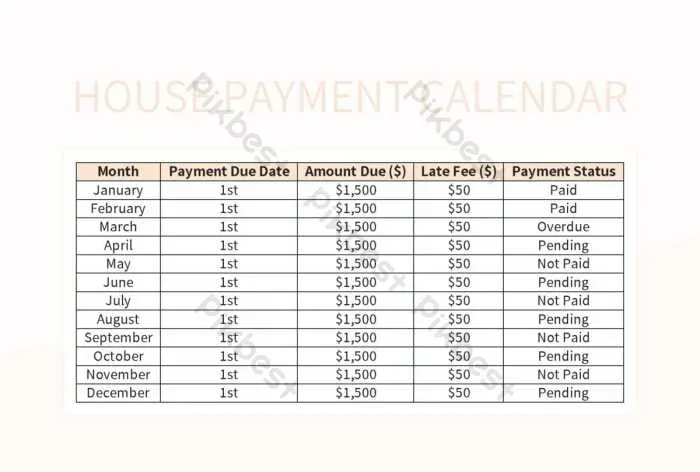
Yes, you can often change your mortgage due date if your lender allows it. This guide explains the request process, timing rules, and how a new payment day can ease your monthly budget. We also cover fees, credit impacts, and smart steps to take before you ask. Read on to see if moving your payment date fits your financial routine.
Key Takeaways
- Most lenders allow a due date change: Many servicers let you move your payment day once or twice a year.
- Timing matters: Requests usually take effect after one full billing cycle.
- Budget alignment helps: A new date can match your paycheck and reduce late fees.
- Fees may apply: Some lenders charge a small administrative fee for the change.
- Credit impact is usually minimal: A properly processed change does not hurt your score.
- Communication is key: Confirm the new date in writing to avoid confusion.
- Plan ahead: Avoid changing dates right before a rate adjustment or refinance.
📑 Table of Contents
- Can You Change Your Mortgage Due Date Successfully
- Why Changing Your Mortgage Due Date Can Help
- How Lenders Handle Due Date Changes
- Steps To Request a New Payment Date
- Fees, Timing, and What To Expect
- Common Mistakes To Avoid
- Smart Tips for a Smooth Change
- When a Due Date Change May Not Make Sense
- Final Thoughts on Moving Your Payment Day
Can You Change Your Mortgage Due Date Successfully
Changing your mortgage payment day can feel like a small tweak, but it often makes a big difference in your monthly rhythm. Many homeowners ask the same question: can you change your mortgage due date without stress or extra cost? The short answer is usually yes. Most lenders and servicers understand that life changes, paychecks shift, and budgets need flexibility. If you want your payment to land right after your payday, you can often request a new due date that fits your cash flow better. This guide walks you through the process, what to expect, and how to do it the right way.
You do not need to overhaul your whole financial plan to make this work. A simple request can align your mortgage payment with your income schedule. That alignment can lower the chance of late fees, reduce awkward timing gaps, and make your monthly money management feel smoother. Still, every lender has its own rules. Some process changes quickly. Others need a full billing cycle to pass before the new date takes effect. A few may charge a small fee. Knowing the details ahead of time helps you avoid surprises.
Why Changing Your Mortgage Due Date Can Help
A mortgage payment is often the largest bill in your monthly budget. When that bill lands on a day that does not match your income, it can create unnecessary pressure. Shifting the due date can solve several common problems. It can help you avoid rushing to cover the payment before your paycheck arrives. It can also reduce the risk of accidental late payments when your schedule is busy. For many people, this change is less about the mortgage itself and more about making everyday money management easier.
Another benefit is better cash flow planning. When your large bill lands near the same time as your biggest income deposit, you can see your available balance more clearly. That clarity helps you plan for other expenses too. You may also find it easier to automate payments when the date matches your routine. Automation works best when the timing feels natural, not forced. A well-timed due date can support consistent on-time payments, which matters for your credit history and overall peace of mind.
Matching Your Pay Schedule
Many employers pay on a set schedule, such as the first and fifteenth of the month, or every other Friday. If your mortgage due date sits far from those dates, you may feel a constant timing gap. Moving the due date closer to your payday can make the payment feel more manageable. It can also help if you split bills across multiple income sources. For example, one partner may get paid weekly while the other gets paid twice a month. A new due date can create a better fit for the household rhythm.
Reducing Late Payment Stress
Late fees and missed deadlines create stress that many homeowners do not need. Even when you plan to pay on time, a due date that feels awkward can lead to last-minute scrambling. A better-aligned date can lower that pressure. It can also help if you often travel, work irregular hours, or manage several financial deadlines at once. When the date feels realistic, you are more likely to stay consistent. Consistency is one of the simplest ways to protect your payment record.
How Lenders Handle Due Date Changes
Before you make the request, it helps to understand how lenders usually approach this. Not every servicer handles changes the same way. Some use automated systems that can adjust the date with minimal effort. Others require a manual review. In many cases, the lender will want to confirm that your loan is current and that you have no pending late payments. They may also want to make sure the new date will not create confusion with processing cycles.
A common rule is that the new due date will not take effect immediately. Lenders often need one full billing cycle to pass before the change happens. That means if your current due date is the 10th and you request a move to the 25th, the new date may apply after the next full cycle. During that transition, you may still need to pay by the original date. This delay is normal, but it is important to plan for it so you do not miss a payment in the middle of the change.
Typical Lender Requirements
Lenders usually ask for a few basic things before approving a due date change. They may want your loan number, personal identification, and a clear request for the new date. Some ask that the loan be current at the time of the request. Others may require that you have a recent history of on-time payments. These requirements are not meant to make the process difficult. They are mainly used to reduce risk and keep the account stable.
You may also see rules about how often you can change the date. A lender might allow one change per year, or only a limited number of changes over the life of the loan. This limit exists because frequent changes can create administrative confusion. If you know your budget may shift again soon, it may be better to choose a date you can live with for a while. That approach saves time and reduces back-and-forth with the servicer.
Timing and Processing Windows
Processing time matters. A due date change is not always instant, even when it is approved quickly. The servicer may need to update the account, adjust billing statements, and make sure the new date appears correctly in their system. Because of that, it is smart to request the change well before your next payment is due. Giving yourself a cushion helps you avoid paying the wrong amount on the wrong day.
If your loan has an upcoming adjustment, such as an interest rate change or a refinance closing, you may want to wait. Changing the due date during a busy transition can add confusion. It is usually easier to make one clear change at a time. That way, you can track the result without juggling multiple updates.
Steps To Request a New Payment Date
If you decide to move forward, the process is usually straightforward. The key is to be clear, polite, and organized. Start by checking your most recent statement or the lender’s online portal. Many servicers list the correct contact method for account changes. Some let you request a new due date through a secure message center. Others ask you to call or submit a form. Using the official channel helps the request move faster.
When you contact the lender, state your request simply. Tell them you want to change your mortgage due date and explain the date you prefer. Ask what documentation they need, if any. Ask when the new date will take effect. Ask whether there is a fee. Then confirm how the change will appear on your next statement. Clear questions now can prevent confusion later.
Prepare Your Account Details
Before you reach out, gather the basics. Have your loan number ready. Know your current due date and the date you want instead. If you have a recent statement, keep it nearby. Some lenders also ask for identity verification, so be ready to confirm your name, address, or other account details. Having everything in one place makes the conversation smoother and shorter.
It also helps to review your recent payment history. If you have been current and careful with payments, the request is often easier to process. If you have had late payments recently, be ready to explain that you are trying to improve your setup. Lenders respond better when the request sounds practical and responsible.
Talk to Your Loan Servicer
The servicer is the company that handles your payments, and they are usually the best place to start. Explain that you want to adjust your mortgage due date to better match your budget. Keep the conversation focused on the practical reason for the change. You do not need a long explanation. A simple, honest reason is enough. For example, you may want the payment to land after your paycheck arrives, or you may want to avoid a date that consistently clashes with other bills.
Ask the servicer to confirm the change in writing. A written confirmation gives you something to reference if the billing system updates slowly. It also helps if you set up automatic payments later. You want to make sure the new date is reflected correctly in the lender’s records and on your statements.
Fees, Timing, and What To Expect
Many homeowners worry that changing the due date will cost too much or create a hidden penalty. In many cases, the process is inexpensive or free. Some lenders do charge a small administrative fee, though. If a fee applies, it is usually modest. Still, you should ask about it before you approve the change. That way, you can decide whether the benefit is worth the cost.
You should also expect a transition period. As mentioned earlier, the new date may not start right away. The lender may need to complete one billing cycle before the change becomes active. During that time, you may receive a statement with the old due date. Do not assume the change has not been processed just because the first statement looks familiar. Check the confirmation you received and watch the next statement closely.
Possible Fees to Consider
If a fee exists, it often falls into a simple category: a service or processing charge. This fee may cover the work needed to update the account and reissue billing information. Some lenders waive the fee if you have a strong payment history or if you request the change through an online portal. Others do not charge at all. The only way to know for sure is to ask directly. If the fee feels high, ask whether there is a different way to request the change.
It is also wise to think about indirect costs. For example, if the change creates a longer gap between payments, you may need to manage your cash carefully during that period. That is not a fee, but it is a real budgeting factor. A due date change can help your finances, but only if you plan for the transition wisely.
Credit and Payment Record Effects
A properly handled due date change should not damage your credit. The important part is to keep making payments on time during the transition. If you miss a payment because you assumed the new date was already active, that could cause a problem. So the credit impact usually depends on how carefully you manage the switch, not on the change itself.
Your payment history remains one of the biggest factors in your credit profile. That means consistency matters more than the specific calendar day. If moving the due date helps you pay on time more often, the change may support your credit health over time. Just make sure the old date is covered until the new one officially begins.
Common Mistakes To Avoid
This process is usually simple, but a few mistakes can make it harder than it needs to be. One common mistake is assuming the new date starts immediately. Another is failing to confirm the change in writing. A third is requesting the change at the last minute, right before a payment is due. Each of these can create confusion or even a missed payment. A little planning goes a long way.
Some people also forget to update automatic payments after the change. If your payment is set to withdraw on a specific date, you may need to adjust that schedule too. Otherwise, the automatic payment could try to process on the old date or the wrong amount. That can lead to returns, delays, or extra follow-up with the lender. Double-checking the automation setup is a small step that prevents bigger headaches.
Waiting Too Long to Ask
If you wait until the due date is only a few days away, the lender may not be able to process the change in time. That can leave you stuck with the original schedule for another cycle. It is better to ask early, especially if your current date is causing regular stress. Early planning gives the servicer time to update the account and gives you time to prepare for the transition.
Skipping Written Confirmation
Verbal approval is helpful, but written confirmation is better. A note, email, or updated statement gives you proof of the new arrangement. If something gets lost in the system, you have a record to refer to. This is especially useful if you manage multiple loans or if another family member handles the bill. A clear paper trail keeps everyone on the same page.
Smart Tips for a Smooth Change
If you want the process to feel easy, a few simple habits help. First, choose a new date that makes sense for the long term, not just for this month. Think about your income pattern, your other bills, and your typical spending cycle. A date that works now may still work later. That saves you from requesting another change soon after the first one.
Second, keep your communication clear and calm. Lenders handle many requests, so a simple, direct message usually works best. State what you want, ask what you need to do, and confirm the result. Third, update any linked payment tools after the change is confirmed. That includes automatic payments, budgeting apps, and calendar reminders. These small updates help the new date settle into your routine quickly.
Set Up Auto Pay Carefully
Automatic payments can be a great tool once the due date is changed. They reduce the chance of forgetting a payment and can make your monthly routine more stable. Still, you should set them up carefully. Make sure the withdrawal date matches the new due date. Check that the payment amount is still correct, especially if your loan has escrow changes or occasional adjustments.
After you enable auto pay, watch the first one or two cycles closely. Confirm that the payment posts on the expected date and that your account reflects it properly. If anything looks off, contact the servicer quickly. A small correction early on is much easier than fixing a missed payment later.
Track Your First New Cycle
The first billing cycle under the new date is the most important one to monitor. This is when you can see whether the change was applied correctly. Check your statement, your account dashboard, and your payment history. Look for the new due date, the correct amount, and any notes about the transition. If the information does not match what you were told, follow up promptly.
Tracking the first cycle also helps you learn how the new timing feels in real life. You may notice that your cash flow is easier to manage, or you may realize the date still needs a small tweak. Either way, the first cycle gives you useful feedback. That makes it easier to decide whether the change truly helped.
When a Due Date Change May Not Make Sense
Even though many people benefit from this change, it is not always the best move. If your loan is in a busy transition period, it may be better to wait. If you are about to refinance, modify the loan, or resolve a delinquency issue, too many changes at once can create confusion. In those cases, it may make more sense to stabilize the loan first and then adjust the date later.
It also may not be worth it if your current date is only slightly awkward. If the timing issue is minor, a due date change might add administrative effort without much benefit. The best candidates for this change are people who face a real, repeated mismatch between their payment day and their income or budget cycle. If the problem is occasional, a better reminder system or auto pay setup may be enough.
If You Are Behind on Payments
If your account is past due, a due date change may not solve the immediate issue. The lender may first want to bring the loan current. In that situation, it is usually smarter to focus on catching up and stabilizing the account. Once the loan is back on track, you can discuss a new due date that supports better long-term consistency. Addressing the immediate balance first often leads to a cleaner outcome.
If You Plan to Refinance Soon
Refinancing can change your loan terms, your servicer, and sometimes your payment schedule. If you expect to refinance soon, you may want to hold off on changing the due date until after the new loan is in place. That avoids duplicate changes and makes the transition easier to track. It can also save you time if the new loan already comes with a payment date that works for you.
Final Thoughts on Moving Your Payment Day
If you have been wondering can you change your mortgage due date, the answer is often yes, and the process can be simpler than expected. A new due date can help your mortgage fit your paycheck, reduce timing stress, and support more consistent payments. The key is to ask early, confirm the details, and plan for the transition. When you do that, the change can feel like a practical upgrade to your monthly routine.
Take a moment to review your budget before you request anything. Choose a date that makes sense for the long run. Then contact your servicer, ask about fees and timing, and get the change in writing. After that, watch the first cycle closely and update any automatic payments. With a little care, you can make your mortgage payment day work better for your life.
Frequently Asked Questions
Can I change my mortgage due date anytime?
Usually yes, but lenders often limit how often you can make the change and may require the loan to be current. It is best to ask early so the new date can be processed before your next payment.
Will changing my mortgage due date hurt my credit?
A properly handled change should not hurt your credit by itself. The bigger risk is missing a payment during the transition, so keep paying by the correct date until the new one takes effect.
How long does a mortgage due date change take?
It often takes at least one billing cycle before the new date becomes active. That means you may still need to pay by the original date for the next statement.
Do lenders charge a fee to change the due date?
Some do, but many do not. If a fee applies, it is usually a small administrative charge, so ask your servicer before confirming the request.
What information do I need to request a new due date?
You typically need your loan number, personal identification details, and the date you want instead. Some lenders may also ask for verification or a written request.
Should I change my auto pay after the due date changes?
Yes, update your automatic payment schedule so it matches the new due date. Check the first payment or two to make sure the amount and timing are correct.
