
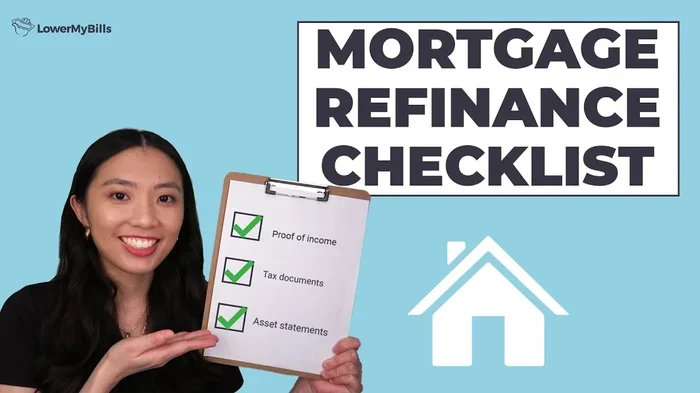
Can I switch mortgage companies? Absolutely. Many homeowners do it to lower their interest rate, reduce fees, or improve customer service. The process is straightforward when you plan ahead. This guide explains everything you need to know before making the move.
This is a comprehensive guide about Can I Switch Mortgage Companies.
Key Takeaways
- Switching is allowed: You can change mortgage lenders at any time, even after closing, though it usually requires refinancing.
- Timing matters: The best time to switch is before your current rate resets or when market rates drop significantly.
- Costs add up: Closing costs, appraisal fees, and prepayment penalties can eat into your savings if you switch too early.
- Credit impact is temporary: A new lender will run a hard credit check, but your score usually recovers within a few months.
- Compare multiple offers: Always get at least three quotes to find the best rate and lowest fees.
- Read the fine print: Watch for rate locks, lock-in periods, and hidden charges before signing anything new.
- Consult a professional: A mortgage broker or financial advisor can help you weigh the true long-term benefit of switching.
[FEATURED_IMAGE_PLACEHOLDER]
Can I Switch Mortgage Companies Without Losing Money
Homeownership comes with a lot of decisions. One of the biggest questions people ask is can I switch mortgage companies after they already signed the papers. The short answer is yes. You can change lenders. Many people do it to get a better interest rate, lower their monthly payment, or move to a company with better service. The real question is not whether you can switch. It is whether you should switch, and when the timing makes the most sense.
A mortgage is a long-term contract. That does not mean you are stuck forever. Lenders expect borrowers to shop around. The market changes. Your personal finances change. Your goals change. All of these things can make a new loan a smarter choice. The key is to look at the numbers before you move. A lower rate looks great on paper. But fees, closing costs, and how long you plan to stay in the home all matter.
This guide breaks down the whole process in plain language. You will learn how switching works, when it saves money, what it costs, and what to watch out for. By the end, you will have a clear plan to decide if a new lender is the right move for you.
Understanding How Mortgage Switching Actually Works
First, let us clear up a common myth. You do not usually “transfer” your existing loan to a new company like you might switch phone carriers. In most cases, switching means taking out a new loan to pay off the old one. This is called refinancing. The new lender pays your current balance. You then make payments to the new company under new terms.
There are two main paths people take. The first is a full refinance. This replaces your current loan with a new one. You can change the rate, the term, or both. The second path is a loan modification or servicing transfer. Sometimes your current lender sells your loan to another servicer. You did not choose that change. It happens behind the scenes. Your rate and terms usually stay the same. Only the company that processes your payments changes.
When people ask can I switch mortgage companies, they usually mean the first path. They want a better deal. They want a lower rate or better terms. That means shopping for a new loan, applying, underwriting, and closing again. It feels a lot like getting your original mortgage. The process is familiar, but the timing and costs are different.
What changes when you switch
A new loan can change several things at once. Your interest rate may drop. Your monthly payment may go down. Your loan term may shorten or extend. You may move from an adjustable rate to a fixed rate. You may also switch from a large lender to a smaller one, or vice versa. Each change affects your budget in a different way.
Some borrowers also use a switch to remove private mortgage insurance. If your home value has gone up and you have built enough equity, a new appraisal can help you reach that goal. That alone can save a meaningful amount each month. Other borrowers switch to consolidate debt or tap into cash. Those moves come with their own risks, so they need careful thought.
What stays the same
Your home is still the collateral. The new lender still places a lien on the property. You still owe the balance, just under new terms. If you choose a longer term, you may pay less each month but more over the life of the loan. If you choose a shorter term, your payment may rise, but you will build equity faster. The math matters more than the logo on the statement.
When Is the Best Time to Switch Mortgage Lenders
Timing can make or break the deal. The best time to switch depends on three things: your current rate, the new rate you can get, and how long you plan to keep the loan. If rates have fallen enough, a switch can pay off quickly. If your credit score has improved, you may qualify for a better offer than you did before. If your income is more stable now, lenders may see you as lower risk.
Many people switch when they hit one of these moments. Their current rate is well above market. Their adjustable rate is about to reset higher. They have built enough equity to remove mortgage insurance. They want to change from a fifteen-year loan to a thirty-year loan to ease cash flow, or the other way around to save on interest. Each of these reasons can be valid. The trick is to run the numbers for your specific case.
The break-even rule
A simple way to think about timing is the break-even point. Add up all the costs of the new loan. Then divide that total by the monthly savings. The result tells you how many months it takes to earn back the cost. If you plan to stay in the home past that point, the switch may make sense. If you might move sooner, the costs could outweigh the savings.
For example, if closing costs run about two thousand dollars and you save one hundred dollars a month, your break-even point is twenty months. If you plan to stay five more years, you come out ahead. If you plan to sell in one year, you likely lose money. This simple math keeps you grounded when the advertised rate looks tempting.
Market signals to watch
You do not need to predict the market. You just need to notice clear trends. When rates drop steadily over several weeks, it may be a good window to act. When your local housing market rises fast, your equity may grow quicker than expected. That can open the door to better terms. When your personal situation improves, your buying power may rise too. These are all valid reasons to look at a switch.
Costs and Fees to Expect When You Make the Change
Switching is not free. Even when the new rate looks low, you still pay for the process. Knowing the costs ahead of time helps you compare offers honestly. The main costs usually include an application fee, an appraisal, an origination charge, title work, and recording fees. Some lenders also charge for underwriting or processing. These fees vary by company and by state.
You may also face a prepayment penalty on your current loan. Not all loans have this. Older loans and some government-backed loans often do not. But some private loans do. A prepayment penalty is a fee for paying off the loan early. If your current contract has one, it can change the math fast. Always read your original documents or call your current servicer to ask.
Common fees you may see
- Application or origination fee: Covers the lender’s work to set up the new loan.
- Appraisal fee: Pays for a professional estimate of your home’s current value.
- Title and recording fees: Cover the legal paperwork and public records update.
- Credit report fee: Covers the cost of pulling your credit file.
- Prepaid items: May include escrow for taxes, insurance, and interest through the end of the month.
- Prepayment penalty: Only applies if your current loan charges for early payoff.
Some lenders offer “no-closing-cost” deals. That usually means they roll the fees into a slightly higher rate or a larger balance. It is not free money. It is a trade-off. You pay less today but may pay more over time. Read the quote carefully. Ask what is included. Ask what you will pay at the closing table. Compare the full picture, not just the headline rate.
How to keep costs down
You can lower the cost of switching by shopping around. Get at least three written quotes. Compare the interest rate and the annual percentage rate. The annual percentage rate shows the rate plus many of the fees. It gives you a clearer view of the true cost. Ask each lender to explain any fee you do not understand. A good lender will answer in plain words.
You can also ask about lender credits. Some companies will cover part of your closing costs in exchange for a slightly higher rate. If you plan to sell or refinance again soon, that trade-off may work in your favor. If you plan to stay long term, a lower rate with normal fees may be the better path. There is no single right answer. Your timeline decides what works.
How Your Credit Score Changes When You Switch
A new lender will check your credit. That is a hard inquiry. A hard inquiry can lower your score a little for a short time. Usually the drop is small. It often fades within a few months. If you apply with several lenders in a short window, scoring models often treat those inquiries as one. That helps when you are shopping for the best deal.
Your score also matters for the rate you get. A higher score usually means a lower rate. A lower score can mean a higher rate or stricter terms. If your score has improved since you bought the home, you may now qualify for a better offer. That is one of the most common reasons people switch. They built credit, paid down debt, and now they want a loan that matches their current profile.
Simple steps to protect your score
- Apply within a short window: Grouping your applications limits the impact on your score.
- Avoid new debt before closing: Do not open new cards or finance a car while the loan is in process.
- Keep balances low: Lower credit card balances help your score stay strong.
- Check your report first: Fix any errors before the lender pulls your file.
- Ask about rate locks: A lock can protect your quote while the loan moves through underwriting.
If you are worried about your score, talk to a lender early. They can tell you where you stand and what rate you might get. That conversation costs nothing and gives you a clear starting point. You can then decide if the numbers support a switch.
Step by Step Guide to Changing Your Mortgage Provider
The process is very similar to getting your first mortgage. The difference is that you already own the home. That changes a few steps, especially the appraisal and the payoff of the old loan. Here is a simple path you can follow.
1. Review your current loan
Start with your existing documents. Find your interest rate, your remaining balance, your term, and any prepayment penalty. Know your current payment and how much equity you have. This gives you a baseline to compare against new offers.
2. Set your goal
Decide what you want from the switch. Do you want a lower payment? A shorter term? To remove mortgage insurance? To move to a fixed rate? A clear goal keeps you from chasing a shiny rate that does not solve your real problem.
3. Shop and compare
Collect at least three quotes. Look at the rate, the fees, the closing timeline, and the customer service reputation. Ask about rate locks and how long they last. A lower rate with poor service can cost you stress and delays. Balance price with reliability.
4. Apply and lock your rate
Submit your application. Provide income documents, tax returns, bank statements, and any other items the lender requests. Once you are happy with the quote, ask for a rate lock. A lock protects you from rate changes during processing. Make sure you understand the lock period and any fees.
5. Go through underwriting and appraisal
The lender verifies your finances and orders an appraisal. The appraisal confirms your home’s value. If the value comes in as expected, the process moves forward. If it comes in low, the terms may change. That is why it helps to have a realistic idea of your home’s current market value before you start.
6. Close and pay off the old loan
At closing, you sign the new papers. The new lender pays off your current loan. Your old account closes. Your new payment schedule begins. Keep copies of everything. Confirm the payoff amount and the date your old servicer received the funds. This step matters because a small delay can cause double charges or a missed payment record.
7. Set up your new account
Switch your autopay or payment method. Confirm the first payment date. Save your new loan number and contact details. Check your first few statements carefully to make sure everything is correct. A smooth handoff keeps your credit and your peace of mind intact.
Common Mistakes People Make When They Switch
Even a good idea can go sideways with poor planning. The most common mistake is focusing only on the monthly payment. A lower payment can hide a longer term or a higher total cost. Always look at the full picture. Another common mistake is ignoring closing costs. Fees can erase your savings if you move too soon.
Some people also switch without checking their current loan terms. A prepayment penalty or a rate lock expiration can change the deal. Others apply for new credit during the process, which can hurt approval or the rate. A few borrowers skip the comparison step and accept the first offer. That usually leaves money on the table.
Quick tips to avoid trouble
- Run the break-even math: Know how long it takes to recover the costs.
- Compare the annual percentage rate: It shows fees, not just the rate.
- Read every line: Ask about penalties, locks, and escrow changes.
- Keep your finances steady: Avoid big changes until the new loan closes.
- Get everything in writing: Verbal promises are not enough.
Expert Insights on Making the Right Choice
Experts usually say the same thing: the best switch solves a real problem and lasts longer than the cost to make it. If you plan to move soon, a refinance may not be worth it. If you plan to stay for years, a lower rate can compound into real savings. If your goal is peace of mind, a fixed rate can be worth more than a tiny rate difference. The right choice depends on your life, not just the market.
Another insight is to value service as much as price. A lender who answers quickly, explains clearly, and closes on time can save you a lot of stress. A cheap quote that stalls for weeks can cost you more than money. When you ask can I switch mortgage companies, think about the whole experience. Rate, fees, timeline, and support all matter.
Finally, remember that a mortgage is part of a bigger financial picture. If you carry high-interest debt, a lower mortgage rate may not be the best first move. If your emergency fund is thin, a new closing cost could strain your cash. Balance the loan with your savings, your job stability, and your future plans. A good decision fits your whole life, not just your payment.
Key Takeaways Before You Decide
Here is a short recap to keep in mind. Switching lenders is allowed and common. The real question is whether the numbers work for your timeline. Compare at least three offers. Look at the rate, the fees, and the annual percentage rate. Check your current loan for any prepayment penalty. Protect your credit by avoiding new debt during the process. And choose a lender that offers both a fair price and solid service.
If you do those things, you will be in a strong position to decide. You will know whether a new loan saves money, reduces risk, or simply gives you better terms for the long haul. That is the smart way to approach the choice.
Final Thoughts on Can I Switch Mortgage Companies
So, can I switch mortgage companies? Yes, you can. The process is clear, and the benefits can be real when the timing is right. A lower rate, a shorter term, or better service can all be good reasons to move. Just make sure the savings outweigh the costs, and make sure the new loan fits your plans. Take your time, compare offers, and read the fine print. A careful switch can improve your budget and your peace of mind for years to come.
Frequently Asked Questions
Can I switch mortgage companies before my loan closes?
Yes, you can choose a different lender at any point before closing. Just make sure your new application and rate lock are ready in time so the closing date does not slip.
Will switching lenders hurt my credit score?
A new lender will run a hard credit check, which may lower your score a little for a short time. The impact is usually small, and your score often recovers within a few months.
Do I have to pay closing costs again when I switch?
In most cases, yes. A new loan usually comes with new fees like appraisal, title, and origination charges. Some lenders offer credits or rolled-in costs, but those trade-offs affect your rate or balance.
Can I switch if I have a fixed rate mortgage?
Yes, you can still refinance a fixed rate loan if you find a better rate or want different terms. The fixed rate on your current loan does not stop you from taking out a new one.
What if my home appraises for less than I expected?
A low appraisal can change your loan-to-value ratio and affect your rate or eligibility. If that happens, you can ask the lender about options, bring extra cash to the table, or reconsider the switch.
Is it better to switch mortgage companies or stay put?
It depends on your rate, your costs, and how long you plan to keep the loan. If the savings cover the costs well before you plan to move, switching may be worth it. If not, staying put may be the smarter choice.