
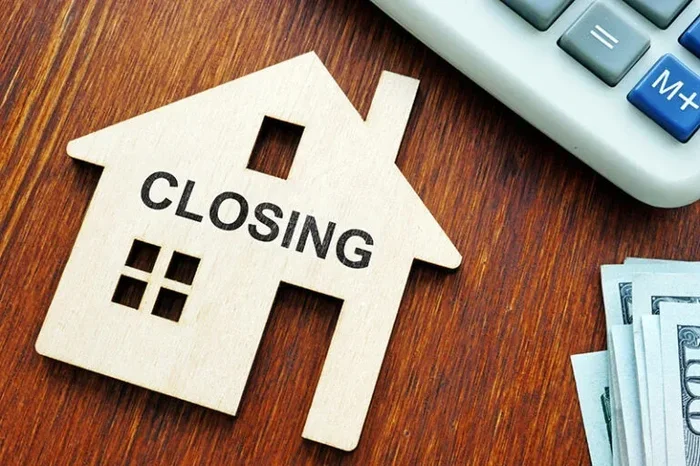
Rolling closing costs into your mortgage is a smart way to lower upfront fees when buying a home. You can often add these costs to your loan balance or adjust your interest rate to ease the cash burden. This guide explains exactly how it works, when it makes sense, and what to watch out for before you sign.
This is a comprehensive guide about Can I Roll Closing Costs Into Mortgage.
Key Takeaways
- Rolling closing costs into a mortgage reduces your upfront cash needs but increases your total loan balance.
- Lender credits let you accept a slightly higher interest rate in exchange for the lender covering some closing fees.
- Financing closing costs works best when you plan to stay in the home long enough to offset the added interest.
- No closing cost mortgages are not truly free; they shift fees into your monthly payment or rate.
- Comparing lender options helps you find the lowest overall cost for your specific situation.
- Understanding closing cost breakdown prevents surprises and helps you negotiate better terms.
- Talking to a loan officer early ensures you choose the right strategy for your budget and goals.
[FEATURED_IMAGE_PLACEHOLDER]
Can I Roll Closing Costs Into Mortgage for Lower Upfront Fees
Buying a home is exciting, but the extra fees at closing can feel overwhelming. Many buyers ask the same question: can I roll closing costs into mortgage payments to keep more cash in their pocket? The short answer is yes, in many cases you can. You just need to understand how lenders handle these costs and which option fits your budget.
Closing costs usually include appraisal fees, title insurance, origination charges, recording fees, and prepaid taxes or insurance. These expenses can add up quickly. When you finance them, you avoid paying them all at once. Instead, you spread the cost over the life of the loan. This approach lowers your upfront burden, but it also changes your monthly payment and total interest.
In this guide, you will learn exactly how rolling closing costs works. You will see the main methods lenders use, the pros and cons of each, and the smart questions to ask before you commit. By the end, you will feel confident about your financing choices and ready to move forward with your home purchase.
Understanding Closing Costs and Why They Matter
Closing costs are the fees you pay to finalize your home loan and transfer ownership. They are separate from your down payment. These costs cover services from lenders, appraisers, title companies, and local government offices. The total amount depends on your loan size, location, and the type of mortgage you choose.
Most buyers expect to pay between two and five percent of the purchase price in closing costs. That can be a large sum when you are already saving for a down payment. Understanding closing cost breakdown helps you plan better and avoid last-minute stress. You can also spot which fees are negotiable and which are fixed by law or contract.
Here are the most common closing costs you may see:
- Loan origination fee – a charge from your lender for processing the mortgage.
- Appraisal fee – pays for a professional estimate of the home value.
- Title search and title insurance – protects you and the lender from ownership disputes.
- Recording fees – covers the cost of filing documents with the local government.
- Prepaid items – includes early property tax and homeowners insurance payments.
When you know what each fee does, you can ask better questions. You can also compare offers from different lenders more easily. This knowledge gives you more control over your home buying budget.
How Rolling Closing Costs Into a Mortgage Actually Works
The idea is simple. Instead of paying all closing costs in cash at signing, you add them to your loan or offset them through a rate adjustment. Lenders can handle this in a few different ways. Each method affects your monthly payment, your interest rate, and the total cost over time.
The most common approach is to increase your loan balance. For example, if your closing costs total three thousand dollars, the lender may add that amount to your mortgage principal. You then pay it back over the life of the loan along with your regular principal and interest. This method is often called financing closing costs.
Another popular option is a lender credit. Here, the lender agrees to cover some or all of your closing costs. In return, you accept a slightly higher interest rate. The higher rate means you pay more interest each month, but you keep more cash available at closing. This trade-off can make sense if you plan to stay in the home for a shorter time or if you need to preserve cash for moving and repairs.
A third option is the no closing cost mortgage. This term can be misleading because the costs are not gone. They are simply shifted into your loan terms. You might see a higher rate, a larger balance, or both. It is important to read the numbers carefully so you understand the real price of the deal.
Quick Tips:
- Ask your lender to show you the exact dollar amount of each closing cost.
- Request a side-by-side comparison of paying cash now versus financing the costs.
- Check how much extra interest you will pay over the life of the loan.
Lender Credits and No Closing Cost Mortgages Explained
Lender credits are one of the easiest ways to reduce upfront fees. The lender gives you a credit at closing that offsets many of your costs. In exchange, your interest rate rises by a small amount. The exact increase depends on the lender, the loan type, and current market conditions.
This strategy works well when you want to keep cash on hand. It can also help if you are tight on funds after making your down payment. However, a higher rate means higher monthly payments. Over a long period, that can add up. You should calculate the total cost of the loan, not just the closing day numbers.
A no closing cost mortgage follows the same basic idea. The lender advertises that you do not pay closing costs out of pocket. In reality, the costs are baked into the loan. You may get a credit that covers many fees, but your rate will likely be higher than a loan where you pay costs directly. The key is to compare the annual percentage rate, or APR, across different offers.
Common Mistakes:
- Focusing only on the monthly payment and ignoring the total interest over time.
- Assuming no closing cost means no fees at all.
- Not asking how the lender credit affects the interest rate.
Expert Insights:
Many loan officers suggest running two scenarios. First, look at a lower rate with higher upfront costs. Second, look at a higher rate with lender credits. Compare the break-even point where the higher monthly payment starts costing more than the cash you saved at closing. This simple exercise often reveals the better deal for your situation.
When Financing Closing Costs Makes Sense
Financing closing costs is not always the best choice, but it can be a smart move in the right situation. The decision depends on your cash flow, how long you plan to stay in the home, and your overall financial goals. If you are short on cash after the down payment, rolling costs into the loan can make the purchase possible without draining your savings.
This approach also helps when you expect your income to rise soon. If you know a raise or bonus is coming, a slightly higher monthly payment may feel manageable later. It can also free up money for immediate needs like furniture, moving services, or small repairs. That flexibility can make the early months of homeownership much smoother.
Another good time to consider this option is when interest rates are low. If your base rate is already attractive, a small increase to cover closing costs may still leave you with a strong deal. You get to preserve cash now while locking in a home at a favorable price. The key is to make sure the extra cost fits your long-term plan.
Quick Tips:
- Use financing when you need to keep cash for moving, repairs, or emergencies.
- Consider it if you expect your income to grow in the near future.
- Check whether the extra loan balance affects your loan-to-value ratio.
When Paying Closing Costs Upfront Is Better
Paying closing costs out of pocket often makes more sense when you have the cash and plan to stay in the home for a long time. If you pay the fees now, you avoid adding interest on those costs for years. That can save a meaningful amount over the life of the loan, especially on a thirty-year mortgage.
This path also works well when you want the lowest possible interest rate. Without lender credits, your rate may be lower, which means smaller monthly payments and less total interest. If you do not need to preserve every dollar for closing day, paying upfront can be the cleaner financial choice.
You may also prefer to pay now if you are close to a loan threshold. Adding closing costs to your balance could push your loan amount into a higher pricing tier or affect your eligibility for certain programs. Keeping the balance lower can sometimes unlock better terms.
Common Mistakes:
- Using all your savings for closing and leaving no cushion for emergencies.
- Ignoring how a larger loan balance affects future refinancing options.
- Failing to compare the total cost of both options over time.
Comparing Your Options Side by Side
The best way to decide is to compare the numbers clearly. Ask your lender for two or three scenarios. Look at the interest rate, monthly payment, closing costs, and total interest over the life of the loan. A simple table can make the differences easy to see.
Below is a basic example of how the choices may compare. These numbers are illustrative, so your actual figures will vary.
Option Comparison for Closing Costs
- Pay upfront – lower rate, higher cash needed at closing, lower total interest over time.
- Finance into loan balance – slightly higher balance, moderate rate, more cash available now, more interest over time.
- Lender credit with higher rate – lowest cash needed at closing, higher monthly payment, more interest over time, good for shorter stays.
When you review these scenarios, focus on the break-even point. That is the moment when the extra monthly cost of a higher rate outweighs the cash you saved at closing. If you plan to sell or refinance before that point, a lender credit may be the better choice. If you plan to stay longer, paying upfront or keeping the rate lower may win out.
Quick Tips:
- Ask for the APR, not just the interest rate, to see the true cost.
- Compare total interest over five, ten, and thirty years if possible.
- Include any prepayment penalties or special loan terms in your review.
Questions to Ask Your Lender Before You Decide
A good conversation with your loan officer can save you money and stress. You do not need to guess which option is best. You just need clear answers. Start by asking how each choice affects your rate, payment, and total loan cost.
Here are some useful questions to ask:
- Can I roll closing costs into mortgage principal, or do you offer lender credits instead?
- How much will my interest rate change if I accept a lender credit?
- What is the exact dollar amount of the closing costs you can finance?
- Will financing these costs change my loan-to-value ratio or pricing tier?
- How long will it take for the higher monthly payment to exceed the cash I save at closing?
- Are any of these fees negotiable or removable?
These questions help you see the full picture. They also show the lender that you are informed and careful. That often leads to better service and more transparent numbers.
Expert Insights:
Many buyers forget to ask about prepaid items and escrow. Some costs, like property taxes and insurance, are not truly closing costs in the same way as lender fees. They are part of your ongoing homeownership expenses. Knowing the difference helps you avoid confusion when you compare offers.
Smart Ways to Lower Closing Costs Overall
Even if you decide to roll some costs into your mortgage, it still pays to reduce the total amount. Small savings add up. You can ask your lender to review each fee and explain what it covers. Some charges are standard, but others may have room for adjustment.
You can also shop around for certain services. Title insurance, settlement services, and appraisal providers may offer different prices in your area. In some cases, your lender allows you to choose your own title or settlement company. If that is true, comparing quotes can lower your total costs.
Another helpful step is to review your loan estimate carefully. Look for duplicate charges or unclear line items. If something seems odd, ask for clarification before you sign. A careful review at this stage can prevent surprises later.
Quick Tips:
- Request a detailed loan estimate and compare line items across lenders.
- Ask whether any fees are optional or can be waived.
- Check if your state or local government offers closing cost assistance programs.
Final Thoughts on Rolling Closing Costs Into Your Mortgage
So, can I roll closing costs into mortgage deals to lower my upfront fees? In many cases, yes. You can finance the costs into your loan balance, accept lender credits, or choose a no closing cost structure. Each path has trade-offs, and the best choice depends on your cash, your timeline, and your long-term goals.
If you need to preserve cash now, financing closing costs or using lender credits can make your purchase smoother. If you plan to stay in the home for many years and have the funds available, paying upfront may save you more over time. The key is to compare the full cost, not just the closing day numbers.
Take your time, ask clear questions, and review the numbers from more than one angle. A thoughtful decision today can make your monthly budget easier to manage tomorrow. With the right approach, you can move into your new home with confidence and a plan that fits your life.
Frequently Asked Questions
Can I roll closing costs into my mortgage principal?
Yes, many lenders let you add closing costs to your loan balance if the new amount still fits their lending guidelines. This increases your principal and your monthly payment, so you should compare the total interest before choosing this option.
Do no closing cost mortgages really mean I pay nothing?
No, these loans usually cover your upfront fees through a higher interest rate or a larger loan balance. The costs are still there, but they are shifted into your monthly payment or long-term interest instead of being paid at closing.
Will rolling closing costs into my loan affect my interest rate?
It can, especially if you use lender credits to offset the fees. In that case, your rate may rise slightly in exchange for the lender covering some costs. If you simply add the fees to your balance, your rate may stay the same, but your total interest will increase because the loan is larger.
When does financing closing costs make the most sense?
This option often makes sense when you need to keep cash available for moving, repairs, or emergencies. It can also help if you expect your income to rise soon or if you plan to sell or refinance before the higher cost catches up with you.
Should I pay closing costs upfront instead of financing them?
Paying upfront can be better if you have the cash and plan to stay in the home for a long time. It usually lowers your total interest and may help you secure a lower rate. The best choice depends on your budget, your timeline, and how much the financing would cost over the life of the loan.
What questions should I ask my lender about closing costs?
Ask how each option affects your interest rate, monthly payment, and total loan cost. Request a detailed breakdown of the fees, and ask whether any charges are negotiable or optional. It also helps to ask for a side-by-side comparison so you can see the true difference between paying now and financing later.
Frequently Asked Questions
What is Can I Roll Closing Costs Into Mortgage?
Can I Roll Closing Costs Into Mortgage is an important topic with many practical applications.
