
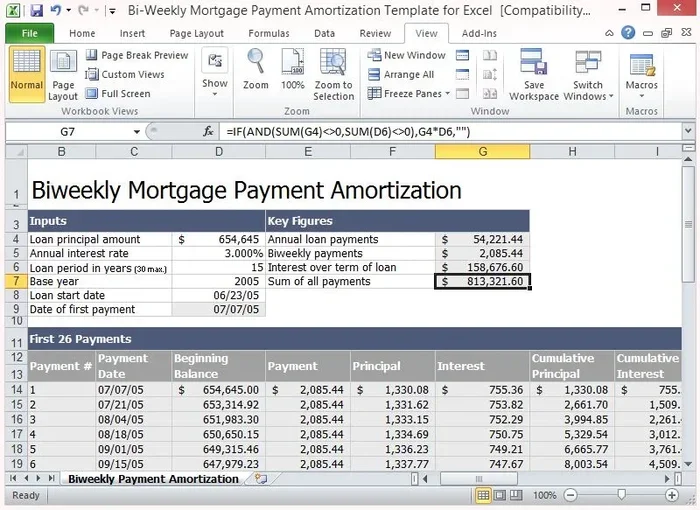
Biweekly mortgage payments Wells Fargo offer a smart way to reduce your loan balance faster. You make half-payments every two weeks instead of one full payment monthly. This simple switch can save you thousands in interest over time. Many homeowners love this strategy for building equity quicker. Let us explore how it works and if it fits your budget.
Making your mortgage payments every two weeks sounds like a small change. But this small shift can lead to big savings. Many people ask about biweekly mortgage payments Wells Fargo because they want to save money. You might wonder if it really works. The short answer is yes. It helps you pay off your home loan faster.
Most people pay their mortgage once a month. This means you make twelve payments a year. But if you pay every two weeks, the math changes. You end up making twenty-six half-payments. That equals thirteen full payments. You get one extra payment each year without feeling it much. This extra money goes straight to your principal balance.
Wells Fargo is a big bank that helps many homeowners. They understand this strategy well. They have options to help you set this up. You do not need to be a math expert to do this. You just need to know the steps. We will walk through everything you need to know. You will learn how to save on interest. You will also see if this fits your budget.
Key Takeaways
- Interest Savings: Paying biweekly reduces total interest paid over the loan life.
- Faster Payoff: You make 26 half-payments, equaling 13 full payments yearly.
- Budget Friendly: Splitting payments can ease monthly cash flow pressure.
- Wells Fargo Options: They offer specific programs for setting up this schedule.
- Automatic Setup: You can often automate the process for convenience.
- Extra Payment Effect: The extra payment goes directly to your principal balance.
- Check Fees: Always verify if there are fees for changing payment schedules.
📑 Table of Contents
Understanding Biweekly Mortgage Payments Wells Fargo
Let us break down what this means. A standard mortgage payment happens once a month. You pick a date, like the first or the fifteenth. You pay the full amount due. With a biweekly payment plan, you split that amount in half. You pay that half amount every two weeks.
This sounds simple, but the timing matters. There are fifty-two weeks in a year. If you pay every two weeks, you make twenty-six payments. Since each payment is half of your normal amount, you pay the equivalent of thirteen full months. You pay twelve months for the lender. The thirteenth month goes to paying down your debt.
How the Math Works for You
Imagine your monthly payment is two thousand dollars. Normally, you pay twenty-four thousand dollars a year. With biweekly mortgage payments Wells Fargo, you pay one thousand dollars every two weeks. That totals twenty-six thousand dollars a year. The extra two thousand dollars reduces your loan balance.
This reduces the amount of interest you owe. Interest is calculated based on your remaining balance. A lower balance means less interest. Over thirty years, this adds up to a lot of money. You could save tens of thousands of dollars. You might also finish paying off your home years earlier.
Why Choose This Strategy
People choose this for several reasons. Some want to be debt-free sooner. Others want to save on interest costs. Some like the way it matches their paycheck. If you get paid every two weeks, this fits well. You pay your mortgage when you have income coming in.
It also forces you to save. You do not have to think about making that extra payment. It happens automatically with the schedule. This helps people who struggle to save extra money manually. The system does the work for you.
Benefits of Biweekly Mortgage Payments Wells Fargo
There are clear advantages to switching your payment schedule. The biggest benefit is interest savings. Mortgages are long-term loans. Interest accumulates over time. By reducing the principal faster, you stop interest from growing as quickly.
Another benefit is equity building. Equity is the part of the home you own. When you pay down the principal, your equity grows. This gives you more financial security. You can borrow against it later if needed. Or you can sell the home for more profit.
Faster Loan Payoff Timeline
Most mortgages last thirty years. That is a long time to pay debt. With biweekly mortgage payments Wells Fargo, you can shorten this term. You might finish paying in twenty-five years instead. Or even twenty years depending on your loan size. This frees up your cash flow sooner.
Think about what you could do with that extra money. You could save for retirement. You could travel. You could invest in other things. Being mortgage-free feels great. It reduces stress and increases freedom.
Budgeting Advantages
Some people find monthly payments hard to manage. They might get paid weekly or biweekly. Matching your mortgage to your pay schedule helps. You do not have to save up a large sum once a month. You pay smaller amounts more often. This can feel easier on your wallet.
It also helps with cash flow. You avoid having a large bill due at one time. This is helpful if your income varies. You can manage smaller expenses better. This makes home loan repayment feel less burdensome.
How to Set Up with Wells Fargo
Now you might ask how to start. Wells Fargo offers ways to change your payment schedule. You need to contact them or log in online. They have specific forms or options for this. You want to make sure it is done correctly.
You should check if there are any fees. Some banks charge for setting up biweekly plans. Others do it for free. Wells Fargo has historically offered this without heavy fees. But policies can change. Always verify the current rules before you switch.
Steps to Get Started
Here is a simple process to follow. First, log into your account online. Look for payment options or mortgage settings. Second, search for biweekly payment plans. If you do not see it, call customer service. Third, fill out any required forms. Fourth, confirm the start date. You want the payments to align with your pay schedule.
- Check Your Account: Log in to Wells Fargo online banking.
- Find Payment Options: Look for biweekly or accelerated payment settings.
- Contact Support: Call if you cannot find the option online.
- Verify Fees: Ask if there are any costs to set this up.
- Confirm Schedule: Ensure payments draft on dates you choose.
Automatic Payment Options
Wells Fargo often allows automatic payments. This is the easiest way to handle biweekly mortgage payments Wells Fargo. You authorize them to take the money from your account. You do not have to remember to send it manually. This reduces the risk of missed payments.
You can usually choose the bank account for drafts. Many people use their checking account. Make sure you have enough funds on those dates. Overdrafts can cause fees. Plan your cash flow to avoid this issue.
Comparing Monthly vs. Biweekly Plans
It helps to see the differences side by side. A monthly plan is the standard. It is simple and predictable. But a biweekly plan offers financial advantages. Let us look at a comparison to understand better.
Here is a simple table to show the differences. This helps you decide which fits your needs. Remember that biweekly mortgage payments Wells Fargo might save you more in the long run.
| Feature | Monthly Plan | Biweekly Plan |
|---|---|---|
| Payments Per Year | 12 | 26 half-payments (13 full) |
| Interest Costs | Higher over time | Lower over time |
| Payoff Speed | Standard term (e.g., 30 years) | Faster (e.g., 25 years) |
| Cash Flow | Large sum once a month | Smaller sums every two weeks |
| Setup Effort | None (Standard) | Requires setup with lender |
When Monthly Might Be Better
Biweekly is not perfect for everyone. Some people prefer the simplicity of monthly. If you get paid once a month, biweekly might be confusing. You might struggle to manage cash flow. In that case, stick with monthly. You can still make extra payments manually.
Also, check your loan type. Some loans have prepayment penalties. This is rare with modern mortgages. But you should check your contract. Mortgage payoff strategies work best when there are no penalties. You want every extra dollar to count toward principal.
Potential Drawbacks to Consider
We want to be honest about the downsides. Nothing is perfect. The main issue is cash flow timing. If you get paid monthly, paying every two weeks is hard. You might run short on cash before your next paycheck.
Another issue is discipline. If you set it up manually, you must remember to pay. Automatic payments solve this. But if you miss a payment, it hurts your credit. Credit score impact is real if you miss due dates. Always ensure funds are available.
Fees and Restrictions
Some lenders charge for biweekly services. They might call it a processing fee. Wells Fargo has been known to be flexible. But you must ask. Do not assume it is free. Even a small fee can eat into your savings. Calculate the net benefit before you start.
Also, consider your emergency fund. Do not drain your savings to pay biweekly. Keep money aside for emergencies. Your home loan is important. But your financial safety net is also important. Balance your priorities carefully.
Tips for Success with Biweekly Payments
If you decide to proceed, follow these tips. They will help you maximize savings. First, automate everything. Do not rely on memory. Set up automatic drafts from your bank account.
Second, track your progress. Watch your principal balance drop. This keeps you motivated. You can see the interest savings grow over time. Many online portals show this information clearly.
- Automate Payments: Set up auto-pay to avoid missed dates.
- Monitor Balance: Check your principal reduction regularly.
- Keep Emergency Fund: Do not use all savings for mortgage payments.
- Verify Application: Ensure extra payments go to principal, not interest.
- Review Annually: Check your loan status once a year.
Expert Insights on Mortgage Payoff
Financial experts often recommend this strategy. They say it is one of the safest ways to save. It does not require investing skills. You just pay what you owe faster. It is a guaranteed return on your money.
However, experts also say to compare rates. If you have high-interest debt elsewhere, pay that first. Credit card debt often has higher rates than mortgages. Debt reduction should prioritize high-interest items. Once those are gone, focus on your mortgage.
Final Thoughts on Saving Money
Switching to a biweekly schedule is a powerful move. It helps you own your home sooner. It reduces the total cost of borrowing. Biweekly mortgage payments Wells Fargo can be a key part of your financial plan. You just need to set it up correctly.
Remember to check for fees. Make sure your cash flow works. Automate the process to stay consistent. Over time, you will see the benefits. You will save money and gain peace of mind. Start today if you are ready to take control.
Your home is likely your biggest asset. Paying it off faster protects your future. It gives you more options later in life. Consider this strategy seriously. It might be the smartest financial move you make.
Frequently Asked Questions
How do biweekly mortgage payments Wells Fargo save money?
They reduce your principal balance faster by adding one extra full payment per year. This lowers the total interest charged over the life of your loan significantly.
Is there a fee to set up biweekly payments with Wells Fargo?
Policies can change, so you should check current terms. Historically, Wells Fargo has offered this option without heavy fees, but always verify with customer service.
Can I switch back to monthly payments later?
Yes, you can usually change your payment schedule. Contact Wells Fargo to adjust your settings if your financial situation changes.
Do biweekly payments affect my credit score?
They do not hurt your credit if you pay on time. Consistent payments help your score, but missed payments due to cash flow issues can harm it.
Will the extra payment go to principal or interest?
You must ensure the extra payment applies to the principal. Wells Fargo typically applies it correctly, but confirm this when you set up the plan.
What if I get paid monthly instead of biweekly?
You can still do biweekly payments, but cash flow might be tight. You may need to budget carefully or stick to monthly payments with manual extra contributions.
