
Finding the best mortgage providers for first time buyers is the most critical step to securing affordable homeownership and avoiding costly financing mistakes. Our expert guide compares top lenders, explains first-time buyer grants, and reveals exactly how to choose the right loan for your budget. You will learn proven strategies to boost your approval odds, lower your monthly payments, and confidently navigate the entire home buying process.
Best Mortgage Providers For First Time Buyers Guide
Buying your first home is a huge milestone. It feels exciting and scary at the same time. Finding the best mortgage providers for first time buyers can make all the difference. You want a lender who understands your unique situation. They should offer clear terms and helpful support.
Many new buyers feel lost in the paperwork. Interest rates change often. Fees can add up quickly. You need a partner who explains everything simply. This guide helps you navigate those choices. We look at what matters most for your budget.
You will learn how to compare options. We discuss down payments and credit scores. You will find tips to save money. Our goal is to give you confidence. Let us help you start your journey right.
Key Takeaways
- Compare multiple lenders to secure the lowest interest rates for your new home.
- Check your credit score before applying to improve approval chances significantly.
- Get pre-approved early to show sellers you are a serious and ready buyer.
- Understand all closing costs to avoid unexpected fees during the final process.
- Work with a trusted broker who specializes in helping new homebuyers succeed.
- Read the fine print to ensure no hidden penalties exist in your agreement.
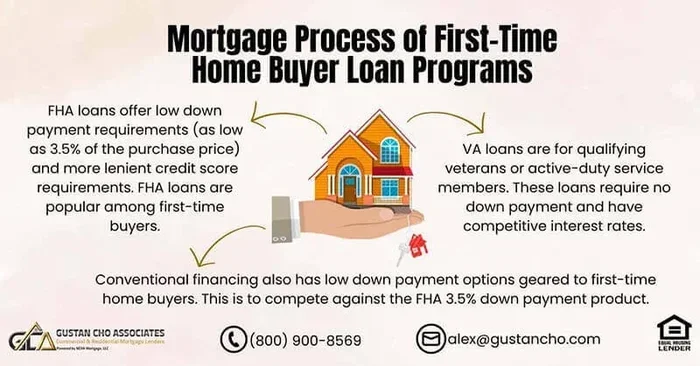
First time buyers should explore government-backed loans for lower down payments.
📑 Table of Contents
Understanding the First Time Home Buyer Mortgage
Buying a home for the first time is a big step. It changes your life in many ways. You need to know what you are getting into. A first time home buyer mortgage is slightly different from a standard loan. Lenders know you have less history. They often create special programs for you.
These loans often have lower down payments. Some require as little as three percent down. This helps people who do not have huge savings. You might also get help with closing costs. Government-backed loans are very popular too. They offer protection for both you and the lender.
Why Special Loans Matter
Standard loans can be tough for new buyers. You might not have a long credit history. Your income might be growing. Special loans look at your potential. They focus on your ability to pay. This makes homeownership more accessible.
You should look for affordable mortgage options. These keep your monthly payments manageable. You do not want to stretch your budget too thin. A good loan leaves room for other expenses. You still need to buy furniture and pay bills.
Key Features to Look For
You want a loan that fits your life. Look for flexible terms. Some loans allow you to pay extra without penalties. This helps you save on interest later. You should also check for rate locks. This protects you if rates go up during processing.
- Low down payment requirements
- Competitive interest rates
- Help with closing costs
- No prepayment penalties
- Clear communication from loan officers
Comparing Interest Rates and Terms
Interest rates are the cost of borrowing money. They change based on the market. Your credit score also affects them. You need to shop around. Do not just take the first offer you see. The best mortgage lenders for first time buyers will show you different scenarios.
You should compare fixed and adjustable rates. A fixed rate stays the same forever. This gives you stability. Your payment never changes. An adjustable rate might start lower. But it can go up later. This is riskier for new buyers.
Fixed vs. Adjustable Rates
Fixed rates are safe and predictable. You know exactly what you pay each month. This helps with budgeting. Adjustable rates can be tempting. They often start with a lower number. But they can rise after a few years. This might make payments hard to afford.
Consider your future plans. If you plan to stay long, choose fixed. If you might move soon, adjustable could work. Talk to a mortgage broker for first time buyers if you are unsure. They can explain the math clearly.
Loan Term Lengths
Most people choose a thirty-year loan. This keeps payments low. You pay over a long time. Some choose fifteen years. The payments are higher. But you pay less interest overall. This builds equity faster.
Think about your monthly cash flow. Can you afford higher payments? If not, the thirty-year term is safer. You can always pay extra later. This shortens the loan without forcing you.
Evaluating Lender Customer Service
Numbers are not the only thing that matters. You need good support. Buying a home involves lots of questions. You want a lender who answers quickly. Poor service can cause stress. It might even delay your closing.
Look for lenders with high ratings. Read reviews from other buyers. See how they handle problems. A good home loan provider treats you with respect. They explain things without jargon. You should feel comfortable asking questions.
Communication Is Key
You want regular updates. You do not want to wonder about your status. Good lenders send emails or call often. They tell you what documents they need. They warn you about deadlines. This keeps the process smooth.
Some lenders use online portals. These let you track your application. You can upload files easily. This saves time and paper. Make sure the technology is easy to use. You do not want to fight with the website.
Local vs. National Lenders
Big banks have many resources. They offer many loan types. But they might feel impersonal. Local lenders know your area better. They might understand local property values. They often provide more personal care.
Consider using a mortgage broker for first time buyers too. Brokers work with many lenders. They can find deals you might miss. They do the shopping for you. This saves you time and effort.
Exploring Down Payment Assistance
Saving for a down payment is hard. Many people struggle with this step. You might have student loans or other debt. First time buyer home loan programs often include help. Some states offer grants or forgivable loans.
These programs vary by location. Some cover a large part of the down payment. Others offer second mortgages with low interest. You need to check what is available near you. Your lender should know about these options.
Grants and Forgivable Loans
Grants are free money. You do not pay them back. This is the best kind of help. But they are competitive. You must apply early. Forgivable loans disappear over time. If you stay in the home for years, you owe nothing.
These programs usually have income limits. You cannot earn too much money. They also have price limits on the home. Make sure you qualify before you start looking. This saves you time and disappointment.
Tax Credits for Buyers
Some areas offer tax credits too. These reduce your tax bill. This frees up cash for your mortgage. It is another way to save money. Ask your accountant or lender about this. They can explain the rules clearly.
Checking Credit Score Requirements
Your credit score tells lenders about your history. It shows if you pay bills on time. A higher score gets you better rates. You do not need perfect credit to buy a home. Many first time buyer mortgage rates are available for average scores.
You should check your report before applying. Look for errors. Dispute anything that is wrong. Pay down some debt if you can. This raises your score quickly. Even a small improvement helps your offer.
Improving Your Score
Pay your bills on time every month. This is the biggest factor. Keep your credit card balances low. Do not open new cards right before applying. This can lower your score temporarily.
Wait a few months after fixing errors. Let your score update. Then apply for the loan. You will get better terms. This saves you thousands over the life of the loan.
Minimum Score Standards
Different loans have different rules. Government loans might accept lower scores. Conventional loans often need higher ones. You should know your number before you start. This helps you target the right lenders.
Reviewing Closing Costs and Fees
The loan amount is not the only cost. You also pay closing costs. These include appraisal fees and title insurance. They can add up to thousands of dollars. You need to budget for this too.
Some lenders allow you to roll these into the loan. Others want cash at closing. You should ask for a detailed list. Compare the fees between lenders. One might charge more for processing. Another might be cheaper.
Understanding the Fee Breakdown
You will get a document called a Loan Estimate. This shows all the costs. Read it carefully. Look for origination fees. These pay the lender for their work. Compare this number across different banks.
Watch out for hidden charges. Some lenders bundle services you do not need. Ask if you can choose your own provider. This might lower the cost. You have the right to ask questions.
Negotiating Costs
You can sometimes negotiate fees. Lenders want your business. They might waive certain charges. Ask politely if they can reduce the cost. It never hurts to try. You might save some money.
Comparing Top Mortgage Providers
You need to look at specific companies. Each has strengths and weaknesses. Some focus on speed. Others focus on low rates. You must decide what matters most to you. Here is a look at what to compare.
We have gathered data to help you decide. This table shows general differences. Remember that rates change daily. You should check current numbers yourself.
| Lender Type | Pros | Cons | Best For |
|---|---|---|---|
| Large National Banks | Many loan options, physical branches | Can be impersonal, slower process | Buyers who want in-person service |
| Online Lenders | Fast approval, competitive rates | Less personal support, no branches | Tech-savvy buyers wanting speed |
| Credit Unions | Lower fees, member focus | Must be a member, fewer loan types | Members seeking low costs |
| Mortgage Brokers | Access to many lenders, expert advice | Broker fees, less control | Buyers wanting help shopping around |
Choosing Based on Your Needs
Think about your personality. Do you like talking to people? Then a local bank might be best. Do you prefer doing things online? An online lender could work. You want a process that feels comfortable.
Consider your timeline. If you need to close fast, choose speed. If you want the lowest rate, shop around. You might wait a bit longer. Balance speed and cost for your situation.
Final Tips for First Time Buyers
You are ready to start looking. Keep your finances stable during the process. Do not make big purchases. Do not change jobs if you can help it. Lenders check your status right before closing.
Stay in touch with your loan officer. Answer calls and emails quickly. Send documents as soon as they ask. This keeps everything moving forward. Delays can cause problems with your offer.
Trust Your Instincts
If something feels wrong, ask. You should understand every step. Do not sign anything you do not get. A good lender explains everything clearly. You should feel confident in your choice.
This is your home. You deserve a smooth experience. Take your time to choose wisely. The best mortgage providers for first time buyers will help you succeed.
Conclusion
Finding the right loan takes effort. You need to compare rates and terms. You should check service quality too. Look for help with down payments. These steps make buying easier.
Remember to check your credit. Fix errors before you apply. Save for closing costs. These steps protect your budget. You will feel more prepared.
Use this guide to make choices. You deserve a home that fits your life. The best mortgage providers for first time buyers are out there. You just need to find the right match. Happy house hunting.
Frequently Asked Questions
What are the best mortgage providers for first time buyers in 2026?
The best mortgage providers for first time buyers typically include major banks, credit unions, and online lenders that offer low down payment programs. Look for lenders with strong customer service, competitive rates, and flexible underwriting guidelines tailored to new homebuyers.
Which lender offers the lowest interest rates for first time home buyers?
Interest rates vary based on your credit score, loan type, and market conditions, so no single lender always has the lowest rate. Compare quotes from at least three mortgage providers for first time buyers to find the most affordable option for your situation.
Do first time home buyer programs require a high credit score?
Many first time home buyer programs accept credit scores as low as 580 to 620, depending on the loan type and lender. FHA loans and state-backed assistance programs often have more flexible credit requirements than conventional mortgages.
What down payment assistance options are available for new buyers?
Down payment assistance comes in many forms, including grants, forgiving loans, and matched savings programs offered by state and local housing agencies. Some mortgage providers for first time buyers also bundle these programs directly with their loan products.
How do I compare mortgage offers from different providers?
Focus on the annual percentage rate, closing costs, loan terms, and customer reviews when comparing offers from various lenders. Ask each provider for a loan estimate so you can see the true cost of borrowing side by side.
Can I get pre-approved quickly with a first time buyer mortgage?
Yes, many lenders now offer fast digital pre-approval processes that can approve you within minutes or a few business days. Gather your income documents, bank statements, and identification before applying to speed up the process with your chosen mortgage providers for first time buyers.
