
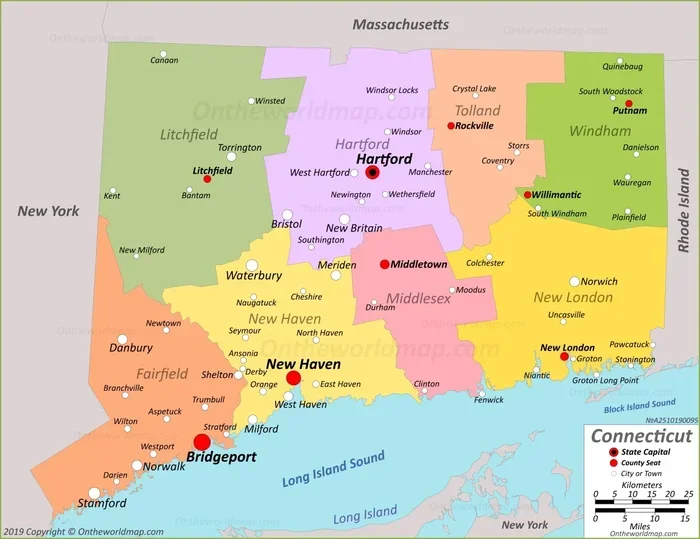
Finding the best mortgage lenders in CT can feel overwhelming when you are buying a home. This guide breaks down top Connecticut mortgage companies, compares interest rates, and shares expert tips to help you secure the right loan with confidence.
Buying a home in Connecticut is an exciting milestone. It is also one of the biggest financial decisions you will ever make. The right mortgage lender can make the process smooth and stress-free. The wrong one can cost you thousands in extra fees or delay your closing date.
Connecticut homebuyers face unique challenges. Property taxes vary by town. Coastal areas have special insurance needs. Urban markets move fast. You need a lender who understands these local details and can guide you through every step.
This guide walks you through everything you need to know. We cover top lenders, loan types, rate comparisons, and practical tips to help you make a smart choice. Let us dive in and find the perfect mortgage partner for your Connecticut home.
Key Takeaways
- Connecticut has diverse lenders: Local banks, credit unions, and national companies all serve CT homebuyers with unique benefits.
- Credit score matters: A higher score unlocks better rates and more lender options in Connecticut.
- Compare at least three quotes: Shopping around saves thousands over the life of your mortgage loan.
- Down payment affects choices: Some lenders offer low down payment programs for first-time buyers.
- Read the fine print: Watch for hidden fees, closing costs, and prepayment penalties before signing.
- Local expertise helps: Connecticut-specific lenders understand state regulations and market trends better.
- Get pre-approved first: Pre-approval strengthens your offer and speeds up the homebuying process.
📑 Table of Contents
- Understanding the Connecticut Mortgage Market
- Top Types of Lenders Serving Connecticut Homebuyers
- Key Factors to Compare When Choosing a Lender
- Comparison of Lender Types in Connecticut
- Step-by-Step Guide to Getting the Best Mortgage in CT
- Common Mistakes to Avoid When Choosing a Lender
- Expert Tips for Connecticut First-Time Homebuyers
- Final Thoughts on Finding the Best Mortgage Lenders in CT
Understanding the Connecticut Mortgage Market
Connecticut offers a diverse housing market. From historic homes in Hartford to modern condos in Stamford, each area has different financing needs. The best mortgage lenders in CT know these local patterns well. They can tailor loan products to fit your specific situation.
The state has a mix of lending institutions. Large national banks operate branches throughout Connecticut. Regional banks focus on New England markets. Credit unions serve local communities with personalized service. Online lenders offer speed and convenience for tech-savvy buyers.
Why Local Knowledge Matters
Connecticut has unique property tax systems. Towns assess homes differently. Some areas have higher transfer taxes. A lender who knows Connecticut can anticipate these costs and factor them into your budget. They can also recommend local inspectors and attorneys who understand state requirements.
Coastal properties need special attention. Flood zones affect insurance costs. Shoreline communities may have stricter lending rules. A knowledgeable Connecticut lender will ask the right questions about your property location. They will not surprise you with hidden requirements at closing.
Market Trends to Watch
Interest rates change frequently. Connecticut home prices have risen in many areas over recent years. First-time buyers face more competition in popular towns. Working with a responsive lender helps you act quickly when you find the right home.
Some Connecticut neighborhoods have historic preservation rules. Others have zoning restrictions. These factors can affect loan approval timelines. Your lender should communicate clearly about any special requirements tied to your property type or location.
Top Types of Lenders Serving Connecticut Homebuyers
Not all lenders work the same way. Understanding the different types helps you choose the right fit. Each category has strengths and weaknesses. The best mortgage lenders in CT for you depend on your financial situation and homebuying goals.
Large National Banks
Big banks offer convenience and brand recognition. They have mobile apps, online portals, and widespread branch networks. If you already bank with a national institution, you might get relationship discounts. These lenders often have competitive rates for borrowers with strong credit profiles.
The downside is less personalized service. You might work with different representatives at each step. Large banks can have stricter underwriting guidelines. They may not be as flexible with unique property types or non-traditional income sources.
Regional and Community Banks
Connecticut has several well-established regional banks. These institutions focus on New England markets and understand local housing trends. They often provide more personalized service than national chains. Loan officers may have more authority to make exceptions for qualified borrowers.
Community banks build relationships with local real estate agents and appraisers. This network can speed up your closing process. They may offer special programs for first-time buyers or veterans. The trade-off is fewer digital tools and a smaller branch footprint.
Credit Unions
Credit unions are member-owned financial cooperatives. They often offer lower interest rates and reduced fees. Many Connecticut credit unions serve specific communities, employers, or geographic areas. Membership requirements vary, but many are easy to meet.
Credit unions tend to be more flexible with underwriting. They may work with borrowers who have unique financial situations. Customer service is usually a strong point. However, they may have fewer loan product options compared to larger institutions.
Online Lenders and Mortgage Brokers
Online lenders provide speed and convenience. You can apply from home and track your loan progress digitally. They often have lower overhead costs, which can translate to competitive rates. Mortgage brokers shop multiple lenders on your behalf to find the best fit.
The main consideration is customer support. Online lenders may have limited in-person service. Brokers charge fees but can save you time and money by comparing options. Both can be excellent choices depending on your preferences and needs.
Key Factors to Compare When Choosing a Lender
Picking a lender is about more than just the interest rate. Several factors affect your total cost and experience. Use this checklist to evaluate your options and find the best mortgage lenders in CT for your situation.
Interest Rates and APR
The interest rate determines your monthly payment. The annual percentage rate (APR) includes fees and gives a fuller picture of total cost. Compare both numbers across lenders. A slightly lower rate can save you significant money over thirty years.
Rates depend on your credit score, down payment, loan type, and market conditions. Ask each lender for a loan estimate with the same assumptions. This makes comparison fair and accurate. Lock your rate when you are ready to protect against market changes.
Fees and Closing Costs
Closing costs in Connecticut typically range from two to five percent of the loan amount. These include appraisal fees, title insurance, recording fees, and lender charges. Some lenders offer no-closing-cost options in exchange for a higher rate.
Request a detailed breakdown of all fees. Watch for origination charges, underwriting fees, and application costs. Ask which fees are negotiable. Some lenders will waive or reduce certain charges to win your business.
Loan Products and Flexibility
Different lenders specialize in different loan types. Some excel at conventional loans. Others focus on FHA, VA, or USDA programs. Jumbo loans are common in higher-priced Connecticut markets. Make sure your lender offers the products you need.
Ask about down payment assistance programs. Connecticut has state and local programs for first-time buyers. Some lenders are approved to process these applications. Others may not be familiar with the paperwork and timelines involved.
Customer Service and Communication
Mortgage processes can be stressful. You want a lender who responds quickly and explains things clearly. Read reviews from past borrowers. Ask about typical response times and who your main point of contact will be.
Consider how the lender handles problems. Delays happen. Appraisals come in low. Underwriting requests additional documents. A good lender anticipates issues and keeps you informed throughout the process.
Comparison of Lender Types in Connecticut
The table below summarizes the main differences between lender types. Use it to narrow your search and focus on what matters most to you.
| Lender Type | Interest Rates | Fees | Customer Service | Best For |
|---|---|---|---|---|
| National Banks | Competitive for strong credit | Moderate to high | Standardized, less personal | Borrowers who want digital tools and branch access |
| Regional Banks | Often competitive | Moderate | Personalized, local knowledge | Buyers who value relationship-based service |
| Credit Unions | Often lower | Lower fees | High touch, member-focused | Members seeking lower costs and flexibility |
| Online Lenders | Competitive, low overhead | Varies widely | Digital-first, limited in-person | Tech-savvy buyers who want speed and convenience |
| Mortgage Brokers | Shop multiple options | Broker fees apply | Advocates for the borrower | Borrowers who want expert comparison shopping |
Step-by-Step Guide to Getting the Best Mortgage in CT
Finding the best mortgage lenders in CT is only the first step. You also need to navigate the application process wisely. Follow these steps to improve your chances of approval and secure favorable terms.
Step 1: Check Your Credit and Finances
Review your credit reports from all three major bureaus. Dispute any errors before applying. Pay down high-interest debt to improve your debt-to-income ratio. Save for your down payment and closing costs. Gather pay stubs, tax returns, and bank statements in advance.
Connecticut lenders will look at your overall financial picture. Stable employment history matters. Consistent income is important. Self-employed borrowers should have organized records ready. The more prepared you are, the smoother the process will go.
Step 2: Get Pre-Approved
Pre-approval shows sellers you are a serious buyer. It also clarifies your budget before you start house hunting. Submit basic financial information to your chosen lender. They will review your credit and provide a pre-approval letter with a loan amount.
Keep in mind that pre-approval is not a final commitment. The property still needs to appraise and meet underwriting standards. But pre-approval gives you a strong foundation and helps you act fast in competitive markets.
Step 3: Shop Around and Compare
Do not settle for the first lender you contact. Contact at least three different institutions. Ask for written loan estimates with identical loan terms. Compare rates, fees, and service quality side by side.
Ask questions about anything you do not understand. A good lender will take time to explain your options. If a lender pressures you or avoids clear answers, keep looking. You deserve transparency and respect throughout the process.
Step 4: Choose Your Loan Type
Conventional loans work well for buyers with good credit and stable income. FHA loans allow lower down payments and more flexible credit requirements. VA loans offer excellent terms for eligible veterans and service members. USDA loans help buyers in qualifying rural areas.
Jumbo loans exceed standard conforming limits. They are common in expensive Connecticut towns. These loans often require higher credit scores and larger down payments. Your lender can explain which loan type fits your financial profile and property price.
Step 5: Lock Your Rate and Close
Once you accept a lender offer, lock your interest rate. Rate locks protect you from market increases during processing. Confirm the lock period covers your expected closing date. Review the final loan estimate carefully before signing.
Attend your closing appointment and bring required identification. Ask questions about any documents you do not understand. Keep copies of everything for your records. Celebrate when you receive the keys to your new Connecticut home.
Common Mistakes to Avoid When Choosing a Lender
Even experienced buyers make mistakes during the mortgage process. Learning from common pitfalls can save you time, money, and stress. Keep these warnings in mind as you search for the best mortgage lenders in CT.
Focusing Only on the Interest Rate
A low rate looks attractive, but total cost matters more. High fees can erase rate savings. Poor service can delay your closing and cost you the home. Look at the full picture before making a decision.
Not Shopping Around
Sticking with one lender limits your options. Different institutions offer different programs and pricing. Comparison shopping takes a little extra time but often pays off significantly. Treat it as an investment in your financial future.
Ignoring Closing Cost Details
Some buyers focus only on the monthly payment. Closing costs add thousands to your upfront expense. Ask for a complete fee breakdown early in the process. Budget for these costs so you are not surprised at the closing table.
Changing Your Financial Situation Mid-Process
Do not open new credit cards or make large purchases during your mortgage application. Do not change jobs if possible. Lenders may re-check your credit and finances before closing. Sudden changes can jeopardize your approval.
Skipping the Fine Print
Loan documents contain important terms and conditions. Read them carefully. Understand prepayment penalties, escrow requirements, and adjustable rate features. Ask your lender or attorney to explain anything unclear. Never sign documents you do not fully understand.
Expert Tips for Connecticut First-Time Homebuyers
First-time buyers face a learning curve. Connecticut adds local complexities to the national homebuying process. These expert tips can help you navigate smoothly and make confident decisions.
Use Down Payment Assistance Programs
Connecticut offers several programs for first-time buyers. The Connecticut Housing Finance Authority provides low-interest loans and assistance programs. Some towns have additional local incentives. Ask your lender about eligibility and application steps early in your search.
Build a Local Support Team
A good lender is part of a larger team. Work with a real estate agent who knows your target neighborhoods. Hire a home inspector familiar with Connecticut property types. Consider a real estate attorney for contract review. Each professional adds value to your homebuying experience.
Plan for Property Taxes and Insurance
Connecticut property taxes can be significant. Research tax rates in towns you are considering. Coastal homes may need flood insurance. Older homes might require additional coverage. Factor these ongoing costs into your budget from the start.
Stay Flexible and Patient
The mortgage process has ups and downs. Appraisals may come in lower than expected. Underwriting may request additional documents. Stay in close contact with your lender and respond quickly to requests. Patience and persistence usually lead to a successful closing.
Final Thoughts on Finding the Best Mortgage Lenders in CT
Choosing the right lender is one of the most important steps in buying a home. The best mortgage lenders in CT combine competitive rates, transparent fees, and strong customer service. They understand local markets and guide you through every requirement with clarity.
Take your time to research and compare. Ask questions. Read reviews. Get multiple loan estimates. Trust your instincts about how lenders communicate and treat you during the process. A good partnership makes homebuying smoother and more enjoyable.
Connecticut offers beautiful homes in diverse communities. With the right mortgage partner, you can turn your homebuying dreams into reality. Start your search today, stay organized, and move forward with confidence. Your perfect Connecticut home is waiting.
Frequently Asked Questions
What credit score do I need to get a mortgage in Connecticut?
Most Connecticut lenders prefer a credit score of 620 or higher for conventional loans. FHA loans may accept lower scores in some cases. Higher scores generally unlock better interest rates and more lender options.
How much down payment do I need to buy a home in CT?
Conventional loans often require five to twenty percent down. FHA loans allow as little as 3.5 percent down. Some Connecticut programs offer down payment assistance for qualified first-time buyers.
Are there special mortgage programs for first-time buyers in Connecticut?
Yes, the Connecticut Housing Finance Authority offers several programs with favorable terms. Some local towns also provide assistance incentives. Ask your lender about eligibility requirements and application deadlines.
How long does mortgage approval take in Connecticut?
The process typically takes thirty to forty-five days from application to closing. Complex loans or unique properties may take longer. A responsive lender and complete documentation help speed up approval.
Should I choose a local bank or a national lender in CT?
It depends on your priorities. Local banks offer personalized service and regional knowledge. National lenders provide digital tools and broader product options. Compare both to see which fits your needs best.
What closing costs should I expect when buying a home in Connecticut?
Closing costs usually range from two to five percent of the purchase price. They include appraisal fees, title insurance, recording fees, and lender charges. Request a detailed estimate early so you can budget accurately.
