
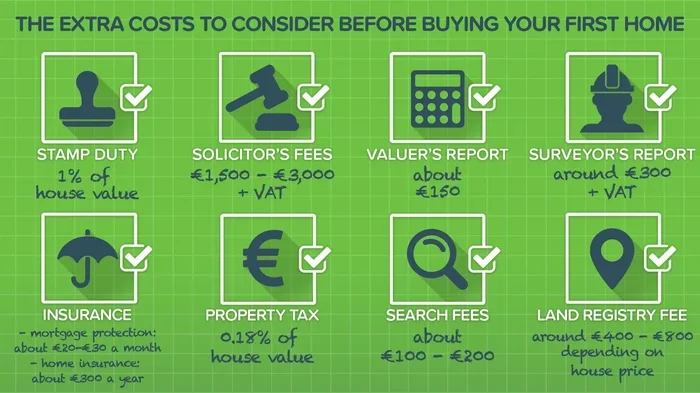
Buying a home costs more than just the monthly loan. Many buyers forget about property taxes, insurance, and repairs. These hidden costs can surprise you. This guide breaks down every extra expense. You will learn how to plan your budget wisely.
Buying a house is one of the biggest steps in life. It feels exciting. It also feels scary. Many people focus on the loan amount. They look at the interest rate. They check the monthly note. But the real cost goes much deeper. Besides the actual mortgage payment which also costs more in ways you might not see at first. You need to look at the full picture. This helps you avoid stress later.
Think of your home as a living expense. It is not just a loan. It is a bundle of costs that arrive every month. Some show up right away. Others creep in slowly. Taxes rise. Roofs age. Water heaters break. If you plan for these things, you stay calm. If you ignore them, you feel trapped. This guide walks you through every extra cost. You will learn what to expect. You will also learn how to prepare.
Key Takeaways
- Hidden costs add up fast: Property taxes, insurance, and HOA fees often exceed the base payment.
- Maintenance is unavoidable: You should save at least one percent of your home value each year for repairs.
- Utilities change with ownership: Water, trash, and electricity bills often rise after you buy.
- Closing costs matter: You will pay extra fees at the start that do not go toward your loan.
- Budget for the long term: Smart buyers plan for five to ten years of total housing costs.
- Emergency funds protect you: A cash reserve stops small problems from becoming financial crises.
- Read every line: Understanding your full monthly cost prevents stress and surprise bills.
📑 Table of Contents
- Property Taxes and Insurance Add Up Fast
- Maintenance Costs You Cannot Ignore
- Utilities and Service Fees Change With Ownership
- Closing Costs and Upfront Fees Matter Too
- HOA Fees and Special Assessments Can Surprise You
- Why Budgeting for the Total Cost Changes Everything
- Common Mistakes That Raise Your Housing Costs
- How to Build a Realistic Homeownership Budget
Property Taxes and Insurance Add Up Fast
Most buyers know these exist. Few realize how much they change over time. Property taxes depend on your local government. They can rise when home values go up. They can also rise when your area needs more services. You should check the tax history of any home you like. Ask for the last two years of bills. This gives you a clear baseline.
Home insurance works the same way. Rates change based on risk. Flood zones cost more. Areas with wildfires cost more. Older homes often need extra coverage. You may also need separate policies for certain risks. Always shop around. Get at least three quotes. Do not pick the cheapest option without reading the details. A low price can hide weak coverage.
Quick Tips for Taxes and Insurance
- Ask your agent for a tax estimate before you bid.
- Check if the home sits in a special assessment zone.
- Compare insurance deductibles to find a balance you can afford.
- Review your policy each year. Rates shift often.
Maintenance Costs You Cannot Ignore
Houses need care. They do not fix themselves. Maintenance costs are part of ownership. You should set aside money every month for repairs. A good rule is to save one percent of the home value each year. Some years you will spend less. Other years you will spend more. That is normal. The key is to be ready.
Common repairs show up without warning. A furnace can fail in winter. A pipe can leak during a storm. Windows may need sealing. Paint fades. Gutters clog. These tasks seem small. They add up fast. If you delay them, the damage grows. A small leak can ruin a floor. A clogged gutter can harm the foundation. Early care saves money.
Common Maintenance Items to Watch
- Roof inspections every few years
- HVAC filter changes and seasonal tune-ups
- Plumbing checks for leaks and pressure issues
- Electrical panel reviews for older homes
- Driveway and walkway repairs after harsh weather
Utilities and Service Fees Change With Ownership
Renting often includes some services. Owning does not. You pay for everything yourself. Utility bills can surprise new owners. Water, sewer, trash, and electricity all land on your desk. Some homes use more energy than others. Poor insulation raises costs. Old appliances draw more power. A big yard means more water. These details matter.
Service fees also appear. Internet and cable cost more in some areas. Security systems need monthly plans. Lawn care may require a contract. Snow removal adds up in cold regions. You should list every service you will need. Then price them out. This gives you a true monthly number. It also helps you spot where you can save.
Ways to Lower Utility Costs
- Seal drafts around doors and windows.
- Upgrade to LED bulbs and smart thermostats.
- Fix leaks quickly to save water.
- Compare internet and phone plans each year.
- Use a programmable schedule for heating and cooling.
Closing Costs and Upfront Fees Matter Too
The purchase price is not the final price. Closing costs arrive before you get the keys. These fees cover paperwork, inspections, and lender charges. They can range from two to five percent of the loan. That is a real amount of money. You need cash on hand for this step. Do not spend your emergency fund on closing costs. Keep a buffer.
Some fees are negotiable. Others are fixed. Ask your lender for a full list early. Compare it with other offers. Look for duplicate charges. Question anything that seems unclear. A good agent will help you understand each line. You can also ask the seller to cover part of the costs. This happens often in balanced markets. It never hurts to ask.
What to Expect at Closing
- Loan origination and processing fees
- Appraisal and inspection charges
- Title search and insurance costs
- Recording fees and local taxes
- Prepaid property taxes and insurance
HOA Fees and Special Assessments Can Surprise You
Some homes sit in managed communities. These places often charge HOA fees. The money covers shared spaces, landscaping, and amenities. Fees can be low or high. They can also rise over time. You should read the HOA rules before you buy. Some communities restrict pets, rentals, or exterior changes. These rules affect your lifestyle.
Special assessments are another risk. They happen when the HOA needs a big repair. A new road, a roof replacement, or a pool upgrade can trigger a large bill. You may have to pay thousands in one hit. Ask for the HOA reserve study. It shows whether the community is saving enough. A weak reserve means higher risk for you.
Questions to Ask About HOAs
- What do monthly fees cover?
- How often do fees increase?
- Are there any pending special assessments?
- What are the rental and pet rules?
- How healthy is the HOA reserve fund?
Why Budgeting for the Total Cost Changes Everything
Smart buyers look at the whole picture. They do not chase the lowest loan payment. They build a budget that fits real life. Total housing cost includes taxes, insurance, repairs, utilities, and fees. When you know the full number, you make better choices. You also sleep better at night. Money stress drops when you plan ahead.
This approach also helps you compare homes fairly. A cheaper house may cost more to maintain. A pricier home may have lower utility bills. You need to weigh the trade-offs. Think about your long-term goals. Ask yourself how long you will stay. A five-year plan looks different from a twenty-year plan. Match your budget to your future.
Expert Insights on Home Budgeting
- Track every housing expense for the first year.
- Build a separate repair fund before you buy.
- Review your budget after each season.
- Keep three to six months of housing costs in savings.
- Revisit your insurance and utility providers yearly.
Common Mistakes That Raise Your Housing Costs
New owners often make the same errors. They guess instead of planning. They skip inspections to save money. They buy the most expensive house they qualify for. These choices create pressure. They also limit your flexibility. A tight budget leaves no room for life. Jobs change. Families grow. Emergencies happen. You need breathing room.
Another mistake is ignoring the neighborhood. A cheap home in a high-tax area may cost more overall. A low-fee community may have weak reserves. A house with a big yard may raise your water bill. Look beyond the price tag. Compare the full cost of each option. Small differences compound over time.
Quick Tips to Avoid Costly Mistakes
- Get a thorough inspection before you sign.
- Compare total monthly costs, not just the loan.
- Leave room in your budget for rising taxes.
- Do not drain your savings for the down payment alone.
- Ask for recent utility bills from the seller.
How to Build a Realistic Homeownership Budget
Start with your income. Then list every housing cost you expect. Add taxes, insurance, utilities, HOA fees, and maintenance savings. Include a small buffer for surprises. This gives you a clear monthly target. Next, compare that number with your current spending. See where you can adjust. Maybe you need a smaller home. Maybe you need a different neighborhood. The goal is balance.
Do not forget the one-time costs. Moving expenses, furniture, and immediate repairs matter too. Set aside cash for these items. You do not want to put them on a credit card. Interest charges can undo your careful planning. A calm start makes the whole journey easier. You will feel more confident. You will also make better decisions.
Key Takeaways for Budget Planning
- Use real numbers from sellers and local records.
- Save for maintenance before you need it.
- Keep an emergency fund separate from your home fund.
- Review your budget each year and adjust.
- Plan for both monthly and one-time costs.
Owning a home can be a joy. It gives you space. It gives you stability. It also gives you responsibility. The trick is to expect the full cost from the start. When you do that, you stay in control. You avoid panic. You make choices that fit your life. That is the real goal. A home should support you, not strain you.
Remember this simple truth. Besides the actual mortgage payment which also costs more in taxes, insurance, repairs, and daily services. Plan for all of it. Save early. Ask questions. Read every document. Compare the full cost of each home you consider. Do this, and you will build a strong foundation. You will enjoy your home more. You will also protect your future.
Frequently Asked Questions
What costs should I add to my mortgage payment?
You should add property taxes, home insurance, utilities, HOA fees, and maintenance savings. These expenses create your true monthly housing cost. Planning for them keeps your budget stable.
How much should I save for home repairs each year?
A good starting point is one percent of the home value each year. Some homes need less, and some need more. The goal is to build a reserve before problems appear.
Do closing costs get included in the mortgage?
Usually they do not. Closing costs are paid at the start of the purchase. Some lenders let you roll them into the loan, but that raises your total debt. It is better to budget for them separately.
Why do property taxes go up after I buy?
Taxes can rise when home values increase or when local governments adjust rates. They may also change after a sale because the assessed value updates. Always check recent tax history before you buy.
Are HOA fees worth the extra cost?
They can be if the fees cover useful services and the community stays well maintained. The key is to review the rules, fees, and reserve fund first. A strong HOA can protect your property value.
How can I lower my total housing costs?
You can compare insurance quotes, seal drafts, fix leaks, and shop utility plans each year. You can also choose a home with manageable taxes and reasonable HOA fees. Small savings add up over time.
